








































La découpe du cuir peut être plus complexe qu’il n’y paraît au premier abord. Les différents matériaux en cuir varient en épaisseur, en densité et en texture ; il est donc essentiel de choisir le bon outil de découpe pour obtenir des résultats nets et précis. L’utilisation d’un outil inadapté peut entraîner des bords irréguliers, des découpes incohérentes ou un gaspillage inutile de matériau.
Ce guide présente les meilleurs outils de découpe du cuir pour 2026, des machines de découpe laser et découpeuses CNC aux couteaux manuels et outils rotatifs. Nous comparerons leurs atouts, leurs limites et leurs applications idéales afin d’aider les particuliers, les designers et les petites entreprises de l’UE à choisir la solution de découpe du cuir la mieux adaptée à leurs projets et à leurs besoins de production.

Dans cet article :
- Partie 1 : Que sont les outils de découpe du cuir ?
- Partie 2 : Les quatre meilleurs outils de découpe du cuir
- Type 1 : Machines de découpe laser pour le cuir
- Type 2 : Machines CNC de découpe du cuir
- Type 3 : Couteaux manuels pour le cuir
- Type 4 : Cutters rotatifs portatifs
- Partie 3 : Comment choisir l’outil de découpe du cuir qui vous convient
- Partie 4 : Erreurs courantes à éviter lors de la découpe du cuir
- Partie 5 : FAQ sur les outils de découpe du cuir
Partie 1 : Que sont les outils de découpe du cuir ?
Les outils de découpe du cuir sont des outils ou des machines utilisés pour découper des matériaux en cuir avec précision et efficacité afin de leur donner des formes ou des designs personnalisés. Le cuir se comporte différemment de matériaux tels que le tissu ou le papier, car son épaisseur, la structure de son grain et sa finition de surface peuvent varier considérablement. Certains types de cuir sont plus rigides, tandis que d’autres sont plus souples et s’étirent plus facilement pendant la découpe. Le cuir dense peut également émousser les lames de découpe ordinaires au fil du temps.
Pour relever ces défis, les outils de découpe du cuir vont des couteaux manuels et cutters rotatifs aux machines laser et CNC commandées par ordinateur. Chaque type est conçu pour différentes applications, en fonction des exigences de précision, de l’échelle de production, de l’épaisseur du cuir et du niveau de détail du design. Sur le marché de l’UE, les particuliers et les petites entreprises choisissent souvent leurs outils en fonction de leur polyvalence, de leur efficacité et de la sécurité de leur espace de travail.
Partie 2 : Les quatre meilleurs outils de découpe du cuir
Il n’existe pas d’outil de découpe du cuir unique qui convienne le mieux à toutes les situations. Le choix idéal dépend du type de projets en cuir que vous réalisez, de vos exigences de production et de la fréquence à laquelle vous découpez des matériaux en cuir. Voici quatre solutions de découpe du cuir couramment utilisées en 2026.
Type 1 : Machines de découpe laser pour le cuir
Les machines de découpe laser pour le cuir utilisent un faisceau laser concentré contrôlé par un logiciel numérique pour découper le cuir avec précision le long d’un tracé programmé. Comme le laser découpe sans contact physique avec une lame, il contribue à minimiser la déformation du matériau tout en produisant des bords lisses et très détaillés.
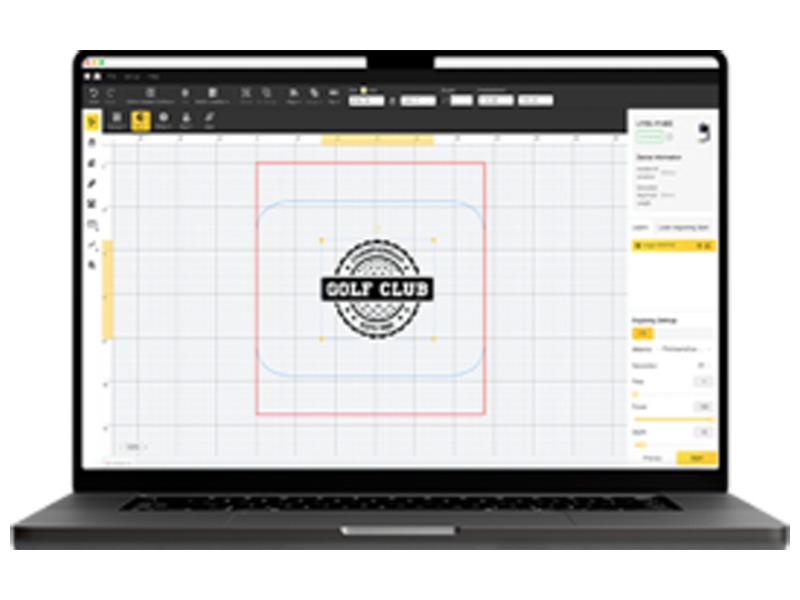
Comme l’ensemble du processus est commandé numériquement, les découpeuses laser peuvent reproduire avec précision des formes complexes, des motifs symétriques et de fins détails décoratifs. De nombreux systèmes prennent également en charge la gravure, ce qui permet d’ajouter des logos, des textures ou des illustrations personnalisées au cours du même processus de production.
Avantages des découpeuses laser pour cuir
- Très grande précision pour les designs en cuir détaillés
- Excellentes pour les produits personnalisés et les motifs décoratifs
- Flux de travail numérique cohérent avec des résultats reproductibles
- Prennent en charge à la fois la gravure et la découpe
- Idéales pour les entreprises de loisirs créatifs, les designers et la production en petites séries
Points à prendre en compte
La découpe laser peut être moins efficace sur les cuirs extrêmement épais, huileux ou tannés au chrome. Une extraction d’air et une ventilation adéquates sont également nécessaires pour gérer la fumée et les odeurs générées pendant la découpe.
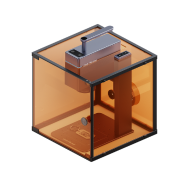
Dans de nombreux ateliers à domicile et studios créatifs de l’UE, les utilisateurs accordent la priorité à la sécurité de l’espace de travail et à la conception compacte des équipements. Les systèmes laser dotés d’une protection de sécurité fermée et compatibles avec des accessoires de purification de l’air sont de plus en plus populaires pour une utilisation en intérieur.
La découpe laser est couramment utilisée pour :
- Accessoires de mode
- Bijoux en cuir
- Portefeuilles et porte-cartes
- Panneaux décoratifs en cuir
- Production personnalisée à petite échelle
Type 2 : Découpeuses CNC pour cuir
Les découpeuses CNC pour cuir utilisent des lames commandées numériquement, notamment des couteaux oscillants et des couteaux traînants, pour traiter les matériaux en cuir conformément aux fichiers de conception importés. Pendant le fonctionnement, la machine guide automatiquement la lame le long du tracé de coupe programmé.
La feuille de cuir est fixée sur la table de découpe à l’aide de pinces ou par aspiration sous vide avant le début de la production. Une fois le fichier chargé, la machine effectue la découpe avec un minimum de manipulation manuelle.
Cette méthode de découpe est conçue pour la production industrielle de cuir, où la rapidité, la régularité et le traitement efficace des matériaux épais sont essentiels.
Avantages des découpeuses CNC pour cuir
- Adaptées aux cuirs épais et denses
- Efficaces pour la production à grande échelle
- Répétabilité fiable pour les designs standardisés
- Performances de découpe stables sur de longues séries de production
Limites
- Nécessitent un espace de travail dédié
- Investissement initial élevé
- Moins pratiques pour les ajustements fréquents des designs
- Peu adaptés aux ateliers à domicile ou aux utilisateurs occasionnels
Les découpeuses CNC pour cuir sont principalement utilisées par les fabricants professionnels et les sites de production industrielle.
Type 3 : Couteaux à cuir manuels
Les couteaux à cuir manuels comprennent les cutters, les couteaux de précision pour loisirs créatifs et les lames traditionnelles pour le travail du cuir. Ces outils découpent le cuir sous l’effet d’une pression manuelle directe et d’un mouvement contrôlé de la lame.
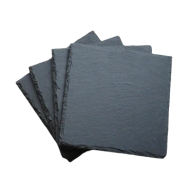
En général, le cuir est placé sur un tapis de découpe, tandis que le patron est préalablement tracé. Des règles, des gabarits et plusieurs passages de coupe sont souvent nécessaires pour obtenir des résultats plus nets, en particulier avec les cuirs plus épais.
Cette méthode offre flexibilité et accessibilité, bien que la qualité de la découpe dépende fortement du tranchant de la lame et de la technique de l’utilisateur.
Avantages des couteaux à cuir manuels
- Faible coût d’équipement
- Faciles à acheter et à entretenir
- Adaptés aux projets simples en cuir
- Aucun logiciel ni alimentation électrique requis
Limites
- Nécessitent de l’expérience pour obtenir des résultats précis
- Difficiles à utiliser avec une régularité constante
- Moins adaptés aux motifs complexes
- Plus lents pour les travaux de production répétitive
Les couteaux manuels restent populaires auprès des débutants et des artisans du cuir traditionnels.
Type 4 : Cutters rotatifs manuels
Les cutters rotatifs manuels sont dotés d’une lame circulaire qui tourne lorsqu’elle se déplace sur la surface du cuir. Ce mouvement de roulement offre une plus grande fluidité et réduit la résistance pendant la découpe.
Pour utiliser le cutter, placez le cuir sur un tapis de découpe et alignez-le à l’aide d’une règle ou d’un guide de patron. Les cutters rotatifs sont particulièrement efficaces pour les longues découpes droites et les cuirs souples.
Avantages des cutters rotatifs
- Découpe plus rapide des lignes droites
- Mouvement de la main plus confortable
- Utilisation adaptée aux débutants
- Efficaces pour le cuir léger
Limites
- Précision limitée pour les courbes détaillées
- Ne conviennent pas au cuir épais
- Aucune fonction de gravure
- Moins efficaces pour les finitions décoratives
Les cutters rotatifs sont couramment utilisés pour préparer des patrons simples et détourer les matériaux.
Tableau comparatif des outils de découpe du cuir
| Type d’outil | Précision | Facilité d’utilisation | Idéal pour | Designs personnalisés | Évolutivité |
|---|---|---|---|---|---|
| Machines de découpe laser | Très élevée | Facile (numérique) | Motifs détaillés, articles personnalisés, bijoux | Excellente | Élevée |
| Machines CNC de découpe du cuir | Élevée | Modérée | Fabrication industrielle | Limitée | Très élevée |
| Couteaux à cuir manuels | Moyenne | Basée sur les compétences | Travail traditionnel du cuir | Faible | Faible |
| Cutters rotatifs | Moyenne | Facile | Découpe droite et travaux de préparation | Faible | Faible |
Globalement, chaque méthode de découpe du cuir offre des avantages différents en matière de précision, d’efficacité de production, de flexibilité et d’évolutivité.
Les outils de découpe manuels et les cutters rotatifs restent économiques et flexibles pour les projets simples, mais ils dépendent fortement des compétences de l’utilisateur et sont moins efficaces pour la production répétitive. Les systèmes CNC améliorent la régularité et l’efficacité industrielle, mais nécessitent souvent un espace de travail plus grand et une configuration plus technique.
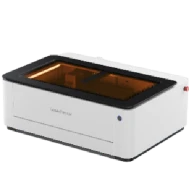
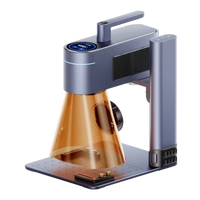
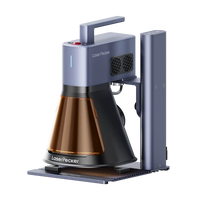
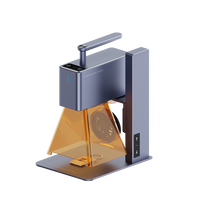
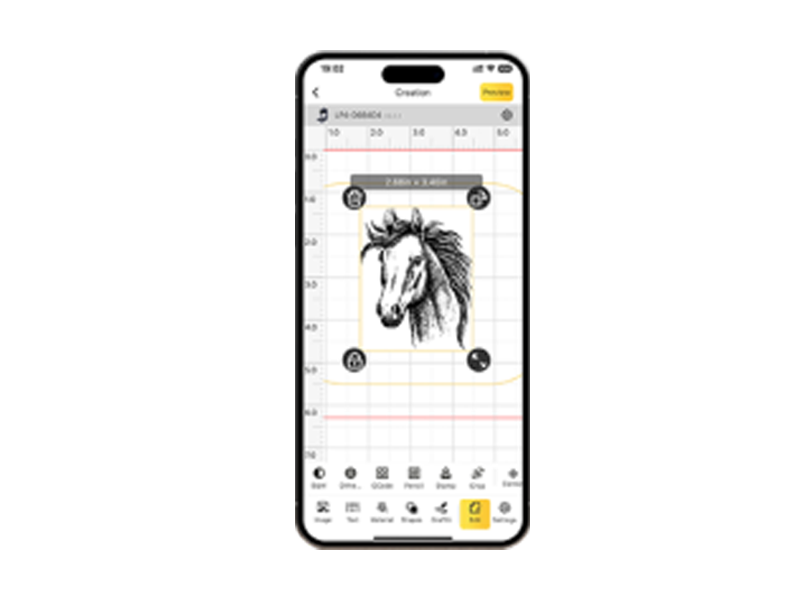
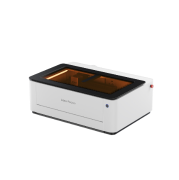
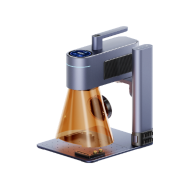
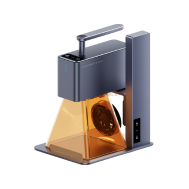
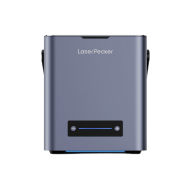
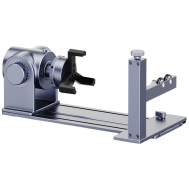
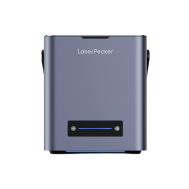
Pour de nombreux créateurs modernes et entreprises créatives, la découpe du cuir au laser offre le meilleur équilibre entre précision, facilité d’utilisation et flexibilité de conception. Avec des outils comme le LaserPecker LX2 et le LaserPecker LP2 Plus, les utilisateurs peuvent transformer des modèles numériques en découpes de cuir précises, tout en gravant des détails personnalisés dans le même flux de travail. Cette combinaison fait des systèmes laser l’une des solutions les plus polyvalentes pour l’artisanat du cuir contemporain et la production de produits personnalisés.
Partie 3 : Comment choisir l’outil de découpe du cuir qui vous convient ?
Le choix de l’outil de découpe du cuir dépend moins de la complexité que de la sélection d’une solution adaptée à votre style de production, à votre espace de travail et à vos besoins créatifs.
Pour les artisans du cuir à domicile et les créateurs DIY
Si vous créez chez vous de petits produits en cuir, tels que des portefeuilles, des bijoux, des étiquettes ou des accessoires décoratifs, la flexibilité et la simplicité d’utilisation sont généralement plus importantes que la puissance de découpe industrielle.
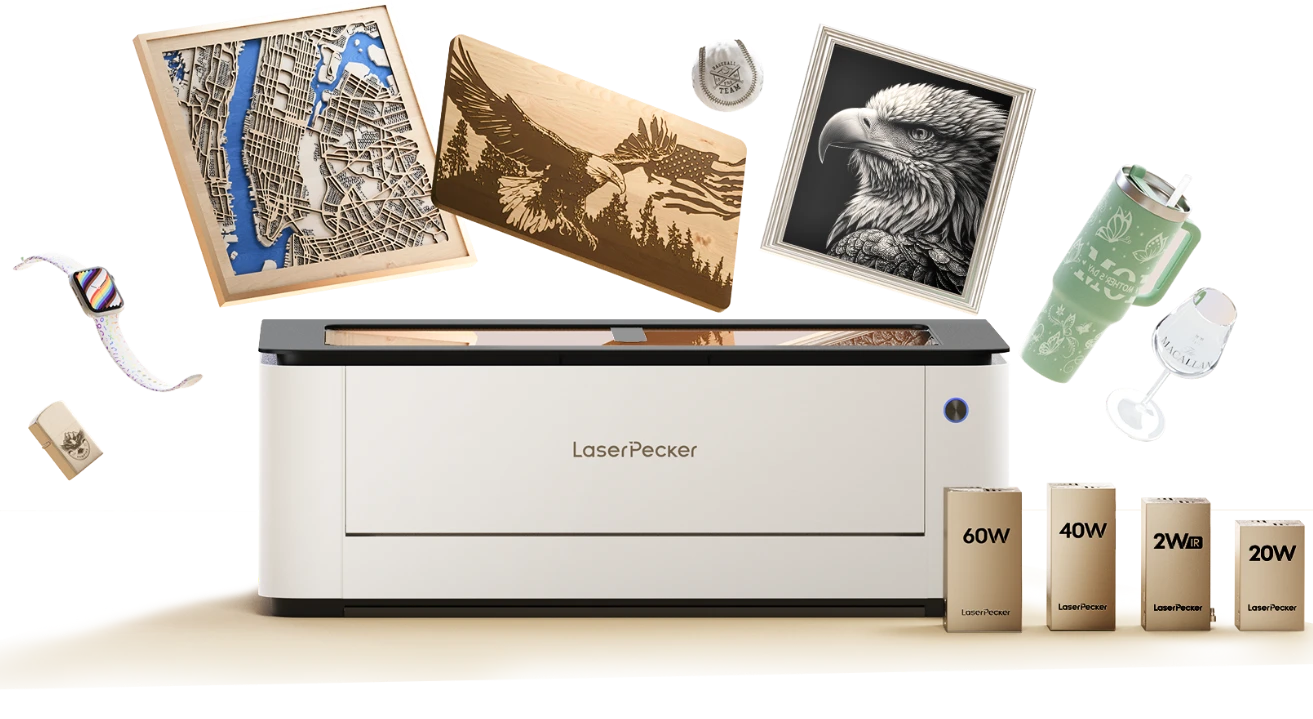
Les systèmes laser compacts comme le LaserPecker LX2 permettent aux amateurs et aux créateurs DIY de tester rapidement leurs designs, de créer des motifs détaillés et d’obtenir des résultats propres et professionnels avec un minimum d’efforts manuels. Comme le processus de découpe est contrôlé numériquement, les utilisateurs peuvent également reproduire les designs avec davantage de régularité qu’avec des outils manuels traditionnels.
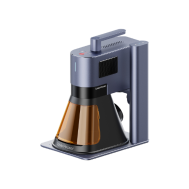
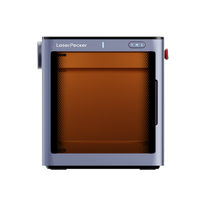
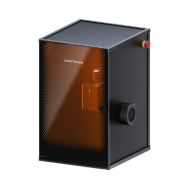
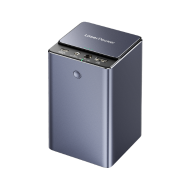
Pour de nombreux ateliers domestiques et studios intérieurs de l’UE, la sécurité et la qualité de l’air sont également des critères importants. Le LaserPecker LX2 offre une protection de sécurité laser de classe 1, ce qui le rend adapté aux environnements créatifs intérieurs. Utilisé avec le purificateur de fumée de bureau LaserPecker, il peut contribuer à filtrer la fumée, les vapeurs et les odeurs produites lors de la gravure et de la découpe laser, améliorant ainsi la sécurité générale de l’espace de travail intérieur.
Pour les designers et créateurs de patrons en cuir
Les designers et créateurs de patrons en cuir ont souvent besoin d’outils qui préservent la précision dimensionnelle tout en permettant des révisions rapides et des flux de travail créatifs flexibles.
Les systèmes de découpe laser permettent de redimensionner, dupliquer et ajuster des motifs numériques sans recréer manuellement les gabarits. Cela est particulièrement utile pour développer des prototypes, préparer des collections en édition limitée ou répondre à des demandes personnalisées.
Les LaserPecker LX2 et LaserPecker LP2 Plus conviennent tous deux parfaitement à ce type de flux de travail. Leurs systèmes laser de précision et leur positionnement assisté par caméra permettent d’obtenir des découpes régulières, même sur des motifs en cuir détaillés et des éléments décoratifs.
Au-delà des fonctions de découpe, ces systèmes peuvent également graver directement sur la surface du cuir des éléments de marque, des effets de texture et des marquages de production. Cela réduit les étapes de traitement manuel tout en améliorant l’efficacité de la production et la cohérence du design.
Pour les designers à la recherche de flexibilité et de précision, combiner la découpe et la gravure laser dans un même flux de travail simplifie considérablement le processus de production.
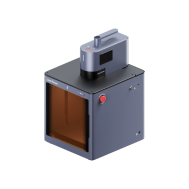
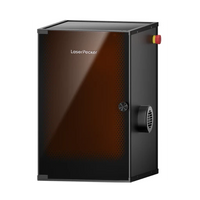
Le LaserPecker LP2 Plus peut également atteindre le niveau de sécurité laser de classe 1 lorsqu’il est associé à l’enceinte standard LaserPecker. Avec le purificateur de fumée de bureau LaserPecker, il contribue à créer un espace de travail intérieur plus propre en réduisant la fumée, les vapeurs et les odeurs indésirables pendant le fonctionnement.
Pour les petites entreprises de maroquinerie et les ateliers de personnalisation du cuir
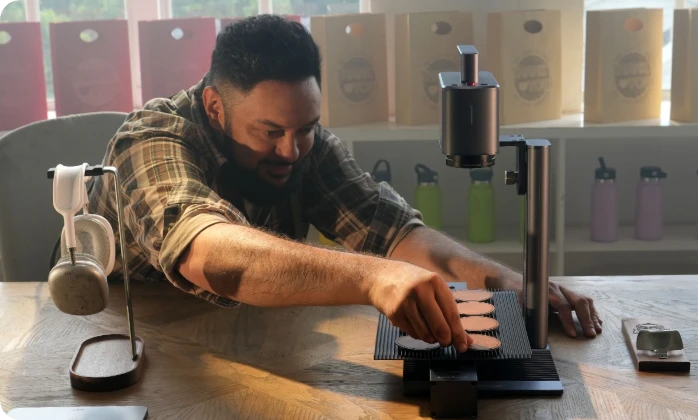
Pour les petites entreprises de maroquinerie et les ateliers de personnalisation du cuir, il est souvent essentiel de maintenir une qualité constante sur plusieurs produits. Les systèmes de découpe laser facilitent la production par lots tout en permettant d’ajouter des détails personnalisés, tels que des noms, des logos ou des motifs décoratifs gravés.
Cet équilibre entre efficacité et personnalisation est difficile à atteindre avec les seuls outils de découpe manuels.
Les systèmes laser compacts sont également de plus en plus populaires auprès des entreprises créatives de l’UE, car ils combinent les capacités de découpe et de gravure dans un espace de travail réduit, ce qui les rend adaptés aux studios, ateliers et installations de production à domicile.
Pour la production de cuir en grands volumes ou industrielle
Les fabricants industriels de cuir privilégient généralement la vitesse de production, la stabilité opérationnelle et l’efficacité à grande échelle. Pour ces applications, les systèmes CNC de découpe du cuir sont souvent plus adaptés que les machines laser compactes.
Les systèmes CNC sont conçus pour fonctionner en continu et traiter efficacement des matériaux en cuir épais pour de grands volumes de production. Cependant, ils nécessitent généralement un investissement plus important, des zones de travail plus grandes et une maintenance technique plus poussée.
Comparées aux systèmes laser, les découpeuses CNC industrielles se concentrent principalement sur l’évolutivité et le débit de production plutôt que sur la flexibilité créative ou la personnalisation rapide des produits.
Partie 4 : erreurs courantes à éviter lors de la découpe du cuir
Même avec des outils professionnels de découpe du cuir, des erreurs courantes peuvent encore réduire la qualité de la découpe, gaspiller des matériaux et nuire à la régularité de la production. Identifier rapidement ces problèmes peut contribuer à améliorer l’efficacité et à obtenir des découpes du cuir plus nettes.
Erreur 1 : découper sans tester les réglages
Les matériaux en cuir varient considérablement en épaisseur, en texture, en densité et en traitement de surface. Par conséquent, utiliser les mêmes réglages de découpe pour chaque type de cuir peut entraîner des résultats irréguliers.
Avant de lancer la production, il est toujours recommandé de tester d’abord les réglages sur un échantillon de cuir de rechange. Cela est particulièrement important pour les systèmes de découpe laser, car des réglages de vitesse ou de puissance incorrects peuvent provoquer des marques de brûlure, une découpe incomplète ou des dommages thermiques excessifs le long des bords.
De petites découpes d’essai peuvent améliorer considérablement la précision globale de la découpe et réduire le gaspillage de matériaux.
Erreur 2 : appliquer une pression irrégulière
Avec les couteaux à cuir manuels et les découpeuses rotatives portatives, une pression irrégulière de la main est l’une des causes les plus courantes des découpes inégales et des bords irréguliers.
Pour améliorer la régularité de la découpe :
- Maintenez fermement le cuir en position
- Utilisez un tapis de découpe adapté
- Maintenez un mouvement contrôlé de la lame
- Appliquez une pression progressive plutôt que de forcer la découpe.
Pour les cuirs plus épais, plusieurs passes légères produisent généralement des résultats plus nets et plus précis.
Erreur 3 : Ignorer le sens du grain du cuir
Le sens du grain du cuir influence directement le comportement lors de la découpe et la qualité finale des bords. Découper à contre-grain peut étirer les cuirs plus souples ou créer des bords irréguliers et une déformation de la surface.
Avant la découpe :
- Identifiez soigneusement le sens du grain
- Alignez les motifs de manière cohérente
- Testez d’abord les découpes détaillées sur une chute de cuir
Cela est particulièrement important pour les articles en cuir décoratifs, les motifs symétriques et les travaux de production répétitifs.
Erreur 4 : Ne pas fixer correctement le cuir
Un cuir qui bouge pendant la découpe peut facilement affecter la précision du positionnement et la régularité du motif.
Avec les outils manuels, le déplacement du matériau peut entraîner des lignes de découpe de travers, tandis que les systèmes de découpe numérique peuvent perdre leur alignement lors d’opérations détaillées si le cuir n’est pas correctement fixé.
Pour améliorer la stabilité de la découpe :
- Utilisez des pinces, des règles ou des systèmes de fixation par aspiration
- Veillez à ce que la surface de travail reste plane
- Évitez les feuilles de cuir gondolées ou irrégulières
Pour les utilisateurs de la découpe laser travaillant dans des studios à domicile ou de petits ateliers de l’UE, il est particulièrement important de positionner le matériau de manière stable afin d’obtenir des résultats nets et reproductibles.
Partie 5 : FAQ sur les outils de découpe du cuir
Q1. Quels sont les meilleurs outils de découpe du cuir pour les petites entreprises ?
Pour les petites entreprises et les ateliers de maroquinerie personnalisée, les machines de découpe laser sont souvent considérées comme l’une des solutions les plus efficaces, car elles combinent la découpe et la gravure de précision au sein d’un même processus.
Une machine de découpe laser comme la LaserPecker LX2 peut suivre avec précision des modèles numériques tout en produisant des résultats reproductibles et en déformant très peu le matériau. Elle convient ainsi aux articles en cuir personnalisés, à la production créative et à la fabrication artisanale à petite échelle.
Q2. La découpe au laser peut-elle endommager le cuir ?
La découpe au laser n’endommage généralement pas le cuir lorsque les réglages appropriés sont utilisés. Toutefois, une chaleur excessive ou des réglages de vitesse incorrects peuvent créer des marques de brûlure, assombrir les bords ou décolorer la surface.
Tester les réglages au préalable sur une chute de cuir permet d’améliorer la qualité de découpe et d’éviter le gaspillage inutile de matériau.
Une ventilation et une extraction des fumées adéquates sont également importantes lors de la découpe laser en intérieur.
Q3. Comment finir les bords du cuir après la découpe ?
Le processus de finition dépend de la méthode de découpe utilisée.
Si vous avez utilisé une machine de découpe laser :
La découpe au laser laisse souvent des bords lisses et scellés, avec moins d’effilochage. Un ponçage ou un polissage supplémentaire peut encore améliorer l’aspect et la texture du bord du cuir.
Si vous avez utilisé des outils de découpe manuels :
Les couteaux manuels et les cutters rotatifs peuvent laisser des bords plus irréguliers qui nécessitent un ponçage, un biseautage et un lissage pour obtenir une finition plus nette.
Une finition appropriée des bords améliore à la fois la durabilité et l’apparence du produit.
Q4. Vaut-il mieux découper le cuir humide ou sec ?
La réponse dépend de l’outil de découpe et du type de cuir.
Pour les découpeuses laser :
Le cuir doit généralement rester sec pendant le traitement au laser. L’humidité peut nuire à la précision de la découpe et augmenter la production de fumée.
Pour les couteaux manuels :
Un cuir légèrement humide peut parfois faciliter le déplacement de la lame lors de la découpe de matériaux épais. Toutefois, une humidité excessive peut déformer les surfaces en cuir plus souples.
Le cuir sec donne généralement les résultats de découpe les plus homogènes.
Q5. Une découpeuse laser peut-elle graver le cuir aussi bien que le découper ?
Oui. De nombreux systèmes modernes de découpe laser prennent en charge à la fois la gravure et la découpe du cuir dans un même flux de travail.
Cela permet aux utilisateurs de créer des textures décoratives, des logos, des éléments de marque et des détails personnalisés directement sur les articles en cuir, sans changer d’outil. La combinaison de la gravure et de la découpe améliore également l’efficacité de production des entreprises spécialisées dans les articles en cuir personnalisés.
Q6. Les découpeuses laser compactes conviennent-elles aux ateliers domestiques ?
Les découpeuses laser compactes sont de plus en plus populaires dans les ateliers domestiques et les ateliers créatifs de l’UE, car elles nécessitent moins d’espace tout en offrant une découpe numérique précise.
La LaserPecker LX2 intègre une protection de sécurité laser de classe 1 pour une utilisation en intérieur plus sûre. Associée au purificateur de fumée de bureau LaserPecker, elle peut également contribuer à réduire la fumée, les émanations et les odeurs indésirables produites lors de la découpe et de la gravure du cuir.
Pour une utilisation en intérieur, il est tout de même fortement recommandé de maintenir une bonne ventilation et une bonne circulation de l’air.
Conclusion
Chaque outil de découpe du cuir offre des avantages différents selon le type de projet, l’échelle de production et le niveau de détail requis pour le design. Les couteaux manuels et les cutters rotatifs conviennent souvent aux projets de loisir et aux travaux simples sur le cuir, tandis que les découpeuses CNC pour cuir sont mieux adaptées aux environnements de fabrication industrielle axés sur la production en grande série.
Pour les designers, les ateliers créatifs et les petites entreprises qui fabriquent des articles en cuir personnalisés, les machines de découpe laser telles que le LaserPecker LP2 Plus et la LX2 offrent l’une des meilleures combinaisons de précision, d’efficacité et de flexibilité. Leur capacité à effectuer à la fois la découpe et la gravure dans un même flux de travail numérique les rend particulièrement efficaces pour les articles en cuir personnalisés et les motifs décoratifs détaillés.
Avec le bon outil de découpe, des réglages adaptés et un flux de travail approprié, il devient beaucoup plus facile d’obtenir des bords plus nets, des résultats plus homogènes et des articles en cuir de qualité professionnelle.