








































La production de plaques nominatives de haute qualité ne se limite pas à une gravure basique. La machine que vous choisissez influe directement sur la précision de la gravure, la durabilité, l'efficacité de la production et les coûts d'exploitation à long terme. En 2026, de nombreuses solutions de gravure sont disponibles sur le marché, mais toutes les machines ne conviennent pas à la production professionnelle ou personnalisée de plaques nominatives.
Dans ce guide, nous comparons les cinq types de machines de gravure de plaques nominatives les plus courants, des graveurs laser et systèmes CNC aux outils de gravure portatifs. Vous découvrirez les atouts et les limites de chaque option, ainsi que les raisons pour lesquelles les graveurs laser à fibre sont devenus de plus en plus populaires auprès des makers, des petites entreprises et des utilisateurs industriels européens à la recherche de résultats de gravure rapides, précis et fiables.

Dans cet article :
- Partie 1 : 5 types de machines de gravure de plaques nominatives
- Type 1 : Graveur laser de plaques nominatives
- Type 2 : Graveur rotatif / CNC de plaques nominatives
- Type 3 : Stylo de gravure électrique portatif
- Type 4 : Machines de marquage par impact pour plaques nominatives métalliques
- Type 5 : Machines Cricut pour plaques nominatives
- Partie 2 : Comment choisir la bonne machine de gravure de plaques nominatives
- Partie 3 : Le meilleur choix pour la plupart des utilisateurs — Graveur laser de plaques nominatives
- Partie 4 : FAQ sur les graveurs de plaques nominatives
Partie 1 : 5 types de machines de gravure de plaques nominatives
Type 1 : Graveur laser de plaques nominatives
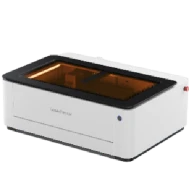
Les graveurs laser utilisent un faisceau laser concentré pour marquer les matériaux sans contact physique. Le laser modifie la surface du matériau afin de créer du texte, des logos, des codes-barres ou des marquages d'identification avec une grande précision.
Les graveurs laser sont devenus l'une des solutions les plus populaires pour les plaques nominatives personnalisées, car ils offrent :
- Haute précision de gravure
- Uniformité fiable des lots
- Flux de travail automatisés rapides
- Besoins d'entretien minimaux
Elles sont compatibles avec de nombreux matériaux, notamment l'acrylique, le bois, les métaux revêtus, l'acier inoxydable, l'aluminium anodisé et le cuir. Sur le marché européen, le graveur laser est largement utilisé par les makers, les petites entreprises et les ateliers de gravure professionnels qui ont besoin d'une production flexible et de résultats de gravure nets.
Type 2 : Graveur rotatif / CNC de plaques nominatives
Les machines de gravure rotative et CNC utilisent des outils de coupe motorisés pour creuser directement la surface du matériau. Le logiciel contrôle le parcours de coupe, à l'instar des systèmes d'usinage CNC.
Ces machines sont couramment utilisées pour la gravure permanente sur les plastiques et les métaux, notamment lorsqu'une gravure plus profonde est nécessaire. Cependant, les utilisateurs doivent également tenir compte de plusieurs inconvénients :
- Les fraises de gravure s'usent progressivement
- La configuration de la machine peut prendre du temps
- Les détails fins sont plus difficiles à reproduire
- La découpe mécanique peut créer des bords plus irréguliers
Bien que plus lents que les graveurs laser, les systèmes rotatifs restent utiles pour la signalétique industrielle et les applications nécessitant des gravures profondes.
Type 3 : Stylo de gravure électrique portatif pour étiquettes nominatives
Les stylos de gravure électriques portatifs sont des outils manuels équipés de pointes de gravure vibrantes ou rotatives. Les utilisateurs créent les marquages en guidant directement l’outil à la main sur la surface.
Ces outils sont souvent choisis pour les projets DIY simples, car ils sont :
- Peu coûteux
- Portatifs
- Faciles à utiliser pour les débutants
Cependant, la gravure manuelle présente également plusieurs limites :
- Précision moindre
- Qualité de gravure irrégulière
- Flux de travail plus lent
- Faible répétabilité pour la production en lots
Pour cette raison, les stylos de gravure portatifs sont généralement inadaptés à la fabrication professionnelle d’étiquettes nominatives ou aux travaux de gravure commerciale détaillée.
Type 4 : Machines de marquage par percussion pour étiquettes nominatives métalliques
Les systèmes de marquage par percussion utilisent des pointeaux actionnés par force pour estampiller ou enfoncer des marquages sur les surfaces métalliques.
Ils sont couramment utilisés dans les environnements de production industrielle, où la durabilité et la traçabilité priment sur l’apparence. Les marquages résistent fortement à l’usure, ce qui les rend adaptés aux plaques d’identification industrielles et aux étiquettes pour machines.
Cependant, les marqueurs à percussion sont moins efficaces pour les étiquettes nominatives décoratives, car :
- Les marquages sont visuellement plus grossiers
- Les graphiques fins sont difficiles à réaliser
- La flexibilité de conception est limitée
- Le bruit de fonctionnement peut être relativement élevé
Type 5 : Machines Cricut pour étiquettes nominatives
Les machines Cricut sont principalement conçues pour découper du vinyle, du papier cartonné, du papier et des matériaux plastiques fins. Avec un embout de gravure, elles peuvent également réaliser des gravures légères sur l’acrylique, les surfaces revêtues et les pièces métalliques vierges.
Les machines Cricut conviennent donc aux projets artisanaux décoratifs ou superposés. Cependant, le processus de gravure repose sur la pression plutôt que sur le laser, ce qui limite à la fois la profondeur de gravure et la durabilité à long terme.
Comparées à la graveuse laser, les machines Cricut offrent :
- Résultats de gravure moins profonds
- Compatibilité réduite avec les matériaux
- Durabilité moindre en extérieur
- Moins de détails dans les graphiques complexes
Par conséquent, les machines Cricut sont principalement recommandées pour les projets de loisir, les étiquettes décoratives ou les étiquettes nominatives temporaires, plutôt que pour les gravures professionnelles permanentes.
Tableau comparatif des machines de gravure d’étiquettes nominatives
| Type de machine | Matériaux compatibles | Niveau de détail | Régularité des lots | Entretien | Idéal pour |
|---|---|---|---|---|---|
| Graveuse laser | Bois, acrylique, cuir, métal revêtu, acier inoxydable | Très élevée | Excellente | Faible | Étiquettes nominatives professionnelles et personnalisées |
| Rotatif / CNC | Plastique, aluminium, métal | Moyen | Bonne | Moyenne à élevée | Signalétique industrielle gravée en profondeur |
| Stylo de gravure | La plupart des surfaces | Faible | Médiocre | Faible | Gravure de loisir et projets DIY |
| Marqueur à percussion | Métal uniquement | Faible | Élevée | Moyen | Plaques d’identification industrielles |
| Cricut | Vinyle, papier, plastiques fins, acrylique | Moyen | Bonne | Faible | Étiquettes nominatives artisanales décoratives |
D’après la comparaison ci-dessus, la graveuse laser offre le meilleur équilibre entre précision, vitesse de production, régularité et polyvalence des matériaux. Elle constitue donc l’une des solutions les plus pratiques pour les applications de gravure commerciales et personnalisées sur le marché de l’UE.
Partie 2 : Comment choisir la bonne machine de gravure de plaques nominatives
Avant de choisir une marque de machine spécifique, il est important d’évaluer ce dont vous avez réellement besoin pour votre système de gravure. La compatibilité des matériaux, la précision de gravure, le volume de production et les exigences liées à l’espace de travail jouent tous un rôle majeur dans le choix de l’équipement adapté.
N° 1 : Choisir en fonction du matériau
Les différents matériaux réagissent différemment aux technologies de gravure.
- Acrylique et plastiques : nécessitent un contrôle thermique stable afin d’éviter la fonte et les bords irréguliers
- Métaux : nécessitent une énergie laser plus élevée pour obtenir un marquage permanent
- Bois et cuir : nécessitent un contrôle précis de la gravure afin de préserver les détails fins et d’éviter d’endommager la surface
Les graveurs laser sont très polyvalents, car ils peuvent traiter une grande variété de matériaux avec des réglages relativement simples, ce qui les rend adaptés aux applications de gravure professionnelles et personnalisées.
N° 2 : Précision et détails fins
Une grande précision de gravure est essentielle si vos plaques nominatives comportent :
- Petits textes
- Logos
- Codes QR
- Numéros de série
- Graphismes détaillés
Les machines à faible résolution peuvent avoir du mal à reproduire clairement les petits éléments, notamment sur des plaques nominatives compactes en métal ou en acrylique.
Le graveur laser est couramment choisi pour les travaux de marquage détaillé, car il offre des lignes de gravure précises, une exactitude fiable du positionnement et une excellente régularité pour les travaux répétés.
N° 3 : Flux de production et constance des séries
Si vous produisez des plaques nominatives pour des bureaux, des écoles, des conférences, des événements ou la vente commerciale, l’efficacité du flux de travail devient de plus en plus importante.
Les systèmes de gravure automatisés contribuent à garantir :
- Qualité de gravure constante
- Alignement uniforme
- Vitesse de production accrue
- Réduction des erreurs de l’opérateur
Les graveurs laser sont particulièrement efficaces pour la production en série, car les modèles numériques enregistrés peuvent être réutilisés rapidement sans configuration complexe de la machine.
N° 4 : Sécurité et conditions de l’espace de travail
Les différentes machines de gravure produisent des niveaux variables de fumée, de poussière, de vibrations et de bruit de fonctionnement. Il est important de vérifier si la machine convient à l’espace dont vous disposez.
Sur le marché de l’UE, de nombreux utilisateurs préfèrent les graveurs laser fermés pour :
- Petits ateliers
- Ateliers intérieurs
- Espaces de production commerciaux
- Entreprises à domicile
Certains modèles fermés répondent également à des normes de sécurité laser plus strictes et peuvent être associés à des systèmes de purification de l’air afin de contribuer à réduire la fumée et les odeurs pendant la gravure.
N° 5 : Coût total de possession
Le prix d’achat initial n’est pas le seul coût à prendre en compte. Les dépenses d’exploitation à long terme peuvent avoir une incidence importante sur la valeur globale de la machine.
Les facteurs importants comprennent :
- Pièces de rechange
- Étalonnage de la machine
- Exigences en matière d’entretien
- Gaspillage de matériaux
- Efficacité de production
Comparés aux systèmes de gravure mécaniques traditionnels, les graveurs laser offrent souvent des coûts d’exploitation à long terme inférieurs, car ils utilisent moins de consommables et réduisent le risque d’erreurs de production.
Partie 3 : Le meilleur choix pour la plupart des utilisateurs — Graveurs laser de plaques nominatives
Pour les utilisateurs qui ont besoin de résultats de gravure de haute qualité associés à une production efficace, les graveuses laser constituent souvent la solution la plus pratique. Elles offrent un excellent équilibre entre précision, automatisation, compatibilité avec les matériaux et efficacité de production à long terme.
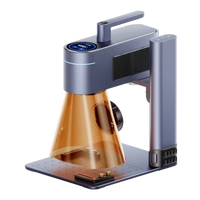
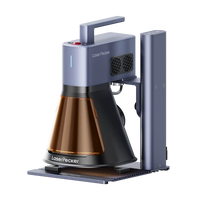
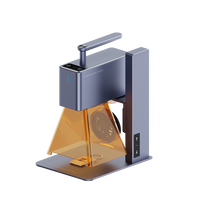
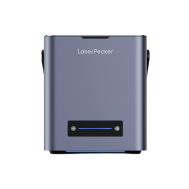
Pourquoi la graveuse laser de plaques nominatives LP5 est-elle une bonne option ?
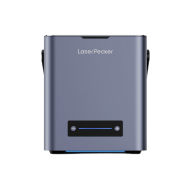
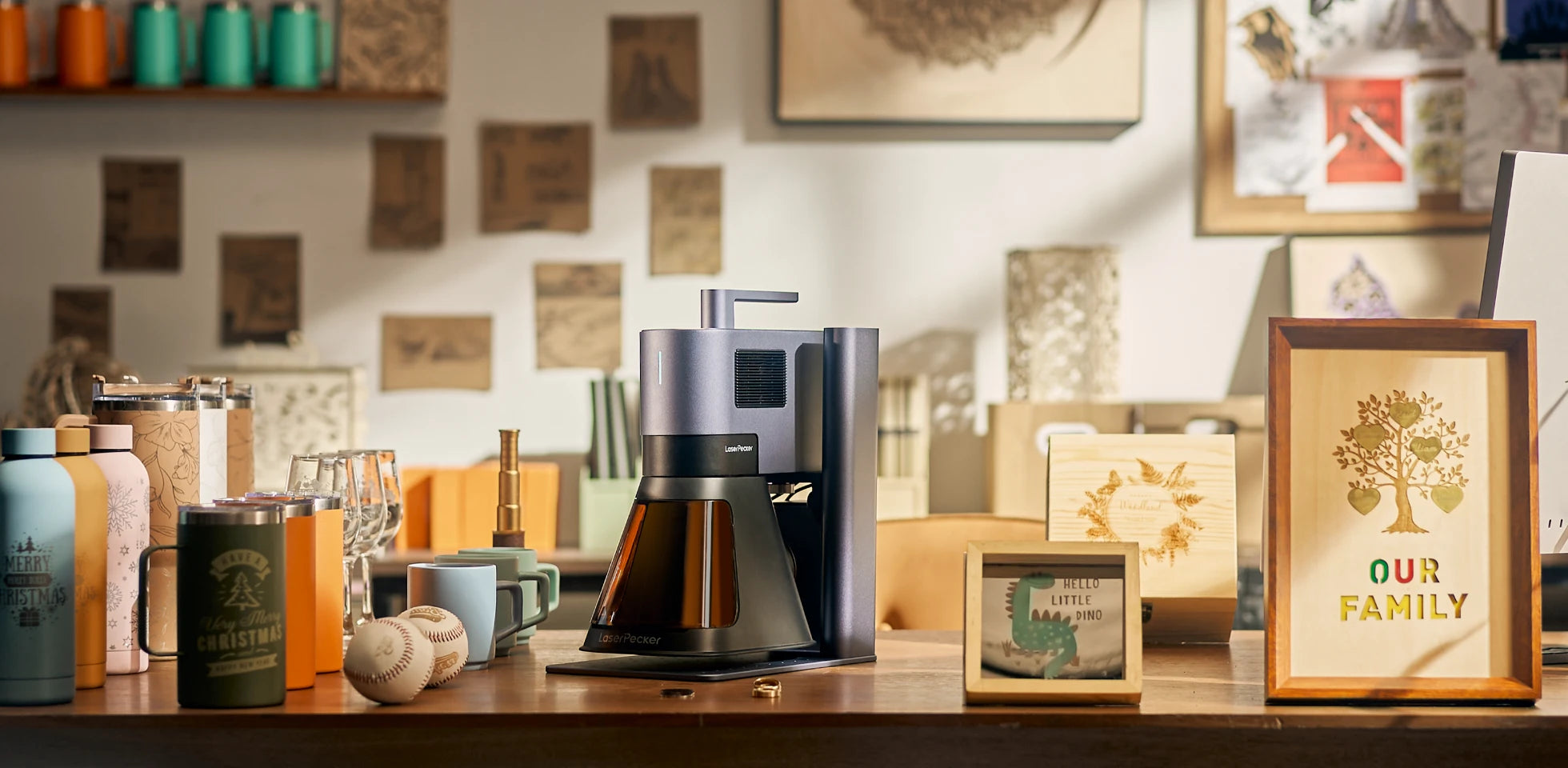
Le LP5 démontre pourquoi la graveuse laser est devenue de plus en plus populaire auprès des créateurs européens, des entreprises de gravure et des petits studios de production.
Raison n° 1 : haute précision et détails fins
Le LP5 peut graver avec précision :
- Petits textes
- Lignes fines
- Logos d’entreprise
- Codes QR
- Numéros de série
Cela le rend particulièrement adapté aux plaques nominatives détaillées, aux produits personnalisés à l’image d’une marque et aux plaques d’identification professionnelles, pour lesquelles la lisibilité et la précision sont essentielles.
Raison n° 2 : régularité fiable des productions en série
Comme chaque travail de gravure est généré à partir du même fichier de conception numérique, le LP5 produit des résultats hautement répétables sur de grandes séries.
Cela permet de garantir :
- Profondeur de gravure constante
- Positionnement précis
- Aspect uniforme
- Flux de production efficaces
Pour les entreprises de gravure commerciale, la répétabilité est essentielle au maintien des normes de qualité des produits.
Raison n° 3 : procédé de gravure sans contact
Contrairement aux systèmes de gravure mécaniques, le laser n’entre pas physiquement en contact avec la surface du matériau pendant son fonctionnement.
Cela offre plusieurs avantages importants :
- Réduction des contraintes exercées sur le matériau
- Qualité de gravure plus nette
- Risque réduit d’endommagement de la surface
- Réduction du gaspillage de matériaux
Le procédé sans contact minimise également l’usure mécanique et les besoins de maintenance au fil du temps.
Raison n° 4 : compatible avec plusieurs matériaux
Le LP5 permet de graver de nombreux matériaux couramment utilisés pour les plaques nominatives, notamment :
- Cuir
- Bois
- Acrylique
- Acier inoxydable
- Aluminium
- Métaux revêtus
Cette polyvalence la rend adaptée à de nombreuses applications, des étiquettes décoratives personnalisées aux applications industrielles d’identification.
Raison n° 5 : personnalisation rapide et production flexible
La graveuse laser simplifie et accélère la gravure variable.
Les utilisateurs peuvent personnaliser rapidement :
- Noms individuels
- Identifiants des employés
- Numéros de série
- Codes QR
- Mises en page de texte personnalisées
sans interrompre la vitesse de production. Cette flexibilité est particulièrement précieuse pour les petites entreprises et les flux de production à la demande.
Sécurité améliorée pour une utilisation en intérieur
De nombreux utilisateurs européens utilisent des équipements de gravure dans des environnements intérieurs compacts, tels que des ateliers, des studios ou des espaces de production en magasin.
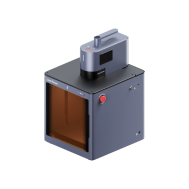
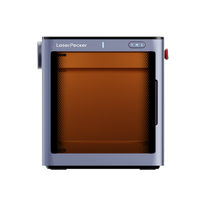
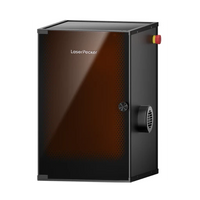
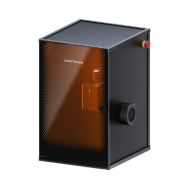
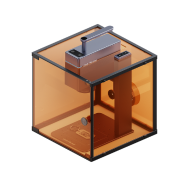
Associé à l’enceinte de sécurité LaserPecker LP5, le LP5 prend en charge la sécurité laser de classe 1, contribuant ainsi à une utilisation plus sûre dans les espaces de travail intérieurs.
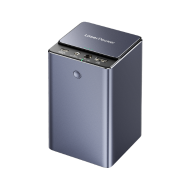
Le LP5 peut également être associé au purificateur de fumée de bureau LaserPecker, qui contribue à filtrer la fumée, les odeurs et les particules en suspension générées pendant les opérations de gravure et de découpe. Cela améliore la qualité de l’air intérieur et rend la machine plus adaptée aux environnements de travail clos.
Pour les utilisateurs qui prévoient de produire des badges nominatifs à titre professionnel ou de développer leur activité de gravure au fil du temps, les graveurs laser restent l’une des solutions de gravure les plus efficaces et flexibles disponibles sur le marché européen.
Partie 4 : FAQ sur les graveurs de badges nominatifs
Q1 : Les lasers peuvent-ils graver des badges nominatifs en acrylique et en plastique ?
Oui, les graveurs laser sont très efficaces pour graver l’acrylique et de nombreux matériaux plastiques. Lorsqu’ils sont correctement configurés, ils peuvent produire des textes nets, des graphiques détaillés et des bords de gravure lisses, ce qui les rend idéaux pour la production professionnelle et personnalisée de badges nominatifs.
Q2 : Quels formats de fichiers conviennent le mieux à la gravure laser de badges nominatifs ?
Les formats vectoriels sont généralement recommandés, car ils préservent des dimensions précises et des tracés de gravure nets.
Les formats les plus couramment utilisés comprennent :
- SVG
- AI
- DXF
- EPS
Ces formats sont particulièrement utiles pour la gravure de logos, de numéros de série et de codes QR.
Q3 : Quel matériau convient le mieux aux badges nominatifs gravés ?
Les différents matériaux offrent des avantages différents selon l’application.
- Acrylique : Léger et polyvalent sur le plan visuel
- Acier inoxydable : Durable et adapté à un usage industriel ou professionnel
- Bois : Offre un aspect décoratif naturel
- Cuir : Très apprécié pour les accessoires personnalisés et les projets créatifs
Pour une durabilité à long terme, les badges nominatifs en métal sont souvent privilégiés dans les environnements commerciaux et industriels.
Q4 : Une machine Cricut peut-elle graver des badges nominatifs ?
Oui, les machines Cricut peuvent créer des badges nominatifs décoratifs et effectuer une gravure légère sur certains matériaux, comme l’acrylique et les plaques métalliques revêtues.
Cependant, la gravure avec Cricut utilise la pression plutôt que la technologie laser, ce qui limite la profondeur et la durabilité de la gravure. Pour des résultats de gravure plus précis, durables et professionnels, le graveur laser est généralement la solution privilégiée.
Q5 : Que dois-je rechercher lors de l’achat d’un graveur laser pour badges nominatifs ?
Lors du choix d’une machine, les facteurs importants incluent :
- Précision de la gravure
- Compatibilité des matériaux
- Capacité de production par lots
- Facilité d’utilisation du logiciel
- Exigences en matière d’entretien
- Fonctionnalités de sécurité de l’espace de travail
De nombreux utilisateurs européens préfèrent également les graveurs laser fermés, qui permettent une utilisation plus propre en intérieur et une meilleure protection en matière de sécurité laser.
Q6 : Les graveurs laser peuvent-ils être utilisés en toute sécurité dans de petits ateliers intérieurs ?
Oui, de nombreux systèmes laser de bureau conviennent à une utilisation en intérieur lorsque les mesures de sécurité appropriées sont respectées.
Les machines équipées de systèmes de protection fermés peuvent respecter les normes de sécurité laser de classe 1, contribuant ainsi à améliorer la sécurité d’utilisation dans les espaces de travail compacts.
Pour améliorer le confort intérieur, les systèmes de purification des fumées peuvent contribuer à réduire les émanations, les particules en suspension et les odeurs de gravure générées pendant les processus de gravure et de découpe.
Conclusion
Que vous produisiez des badges nominatifs personnalisés pour des projets de loisirs ou que vous développiez une activité professionnelle de gravure, choisir la bonne machine peut contribuer à accroître la productivité, à maintenir la qualité de la gravure et à favoriser la croissance de votre entreprise à long terme.