




























Découper du tissu avec précision peut être difficile. Même de petites erreurs peuvent entraîner des bords irréguliers et du gaspillage de matériaux, en particulier avec le coton ou le denim. Pour les projets de grande envergure, la découpe manuelle est non seulement lente, mais aussi irrégulière. Il s’agit d’un défi fréquent pour les créateurs et les petites entreprises qui ont besoin de résultats uniformes et de haute qualité.
Les machines de découpe de tissus peuvent résoudre ces problèmes, même si leurs performances varient selon les modèles. Ce guide présente quatre types de machines de découpe de tissus, explique leur fonctionnement et vous aide à choisir l’option la mieux adaptée à votre flux de travail.

Dans cet article :
- Partie 1 : Qu’est-ce qu’une machine de découpe de tissus ?
- Partie 2 : 4 meilleures machines de découpe pour tissus
- Choix 1 : Coupeuses rotatives électriques portatives
- Choix 2 : Coupeuses à couteau rond manuelles et électriques
- Choix 3 : Machines de découpe CNC industrielles pour tissus
- Choix 4 : Machine de découpe laser pour tissus
- Partie 3 : Comment choisir la machine de découpe laser de tissus qui vous convient
- Partie 4 : FAQ sur les machines de découpe de tissus
Partie 1 : Qu’est-ce qu’une machine de découpe de tissus ?
Une machine de découpe de tissus est un appareil utilisé pour découper les textiles avec plus de précision et d’efficacité que les outils manuels comme les ciseaux. Elle garantit des résultats uniformes, réduit l’effort physique et accélère les flux de travail, ce qui est particulièrement utile pour les petites entreprises et les studios de création.
Selon le type de machine, les fonctionnalités peuvent inclure :
- Découper une ou plusieurs couches de tissu
- Utiliser des fichiers de conception numériques pour des motifs précis
- Réduire l’effilochage et le gaspillage de matériaux
- Créer des découpes ou des marquages décoratifs
- Augmenter la vitesse et la régularité de la production
Alors que certaines machines se limitent aux fonctions de découpe, d’autres, comme les machines de découpe laser, permettent également la gravure ou le marquage de surface, offrant ainsi une flexibilité accrue pour les applications créatives et commerciales.
Partie 2 : 4 meilleures machines de découpe pour tissus
Les machines de découpe de tissus présentent des différences importantes dans leur fonctionnement. Chaque type est conçu avec un mécanisme de coupe, un flux de travail et un niveau d’automatisation spécifiques, qui influent directement sur la précision de la découpe, la manipulation des matériaux et l’efficacité globale.
Choix 1 : Coupeuses rotatives électriques portatives
Les coupeuses rotatives électriques portatives sont couramment utilisées en couture et pour les travaux créatifs. Elles fonctionnent de manière similaire aux outils rotatifs manuels, mais intègrent un moteur pour une utilisation plus fluide.
Points clés :
- Portable et facile à utiliser
- Convient aux lignes droites et aux découpes simples
- Idéale pour les petits projets et les matériaux légers
- Nécessite un contrôle manuel et une manipulation stable
- Capacité limitée pour les motifs détaillés
Choix 2 : Machines de découpe à lame ronde manuelles et électriques
Les machines de découpe à lame ronde sont largement utilisées dans la production de vêtements et la fabrication à moyenne échelle. Leurs lames rotatives permettent de découper efficacement plusieurs couches de tissu.
Points clés :
- Efficace pour les matériaux épais ou superposés
- Convient parfaitement au coton, au denim et aux tissus similaires
- Nécessite le contrôle et la pression de l’opérateur
- Peut déformer les tissus souples ou élastiques
- Niveau de compétence requis pour une découpe de précision
Choix 3 : Machines de découpe CNC industrielles pour tissu
Les machines de découpe CNC pour tissu sont des systèmes automatisés utilisés dans les environnements industriels. Elles suivent des fichiers de conception numériques pour réaliser des découpes régulières et précises à grande échelle.
Points clés :
- Grande précision et excellente répétabilité
- Convient aux gros volumes de production
- Coûteuse et encombrante
- Nécessite une installation et une utilisation spécialisées
- Conçue uniquement pour la découpe
Choix 4 : Machine de découpe laser pour tissu
Les machines de découpe laser utilisent un faisceau laser haute énergie pour découper le tissu sans contact direct. Cela garantit une déformation minimale du matériau et une grande précision de découpe.
Points clés :
- La découpe sans contact empêche le tissu de bouger
- Produit des bords nets et précis
- Scelle les bords pour réduire l’effilochage
- Compatible avec une large gamme de textiles (denim, lin, feutre, mélanges)
- Idéale pour les motifs personnalisés et les productions petites à moyennes
Sur les marchés de l’UE, les machines de découpe laser sont de plus en plus prisées pour leur précision, leur efficacité et leur capacité à traiter des motifs détaillés avec un minimum de déchets.
Tableau comparatif des machines de découpe de tissu
| Type de machine | Méthode de découpe | Précision | Vitesse | Déformation du tissu | Cas d’utilisation idéal |
|---|---|---|---|---|---|
| Machine de découpe rotative électrique portative | Lame rotative manuelle | Faible à moyenne | Faible | Élevée | Projets de bricolage et petits travaux manuels |
| Machine de découpe à lame ronde | Lame circulaire rotative | Moyenne | Moyenne | Moyenne | Production de vêtements |
| Machine de découpe CNC pour tissu | Lame commandée par ordinateur | Élevée | Élevée | Faible | Fabrication industrielle |
| Machine de découpe laser pour tissu | Faisceau laser sans contact | Très élevée | Très élevée | Aucune | Production personnalisée, découpe de précision |
Chaque type de machine joue un rôle distinct. Toutefois, lorsque la précision, la régularité et l’intégrité du tissu sont essentielles — en particulier pour la production personnalisée ou en petites séries — les machines de découpe laser offrent un avantage évident.
Partie 3 : Comment choisir la machine de découpe laser de tissu qui vous convient
Le choix de la bonne machine de découpe laser dépend des besoins de production, des types de matériaux et du niveau de précision requis. Chaque groupe d’utilisateurs a ses propres priorités en matière de performances et de fonctionnalités.
Les principaux critères de sélection comprennent notamment :
- Utilisateurs amateurs : préfèrent des machines compactes, faciles à utiliser et économiques
- Petites entreprises : ont besoin de performances précises et constantes avec une utilisation simple
- Professionnels du design : recherchent des machines prenant en charge à la fois la découpe et les applications de création
- Environnements de production : nécessitent une vitesse élevée, une bonne répétabilité et une production stable
Pour ceux qui recherchent une grande précision sans le coût ni la complexité des systèmes industriels, les solutions laser de bureau constituent une alternative efficace.
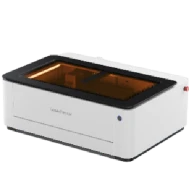
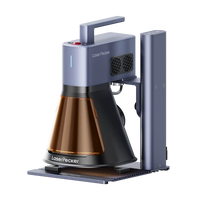
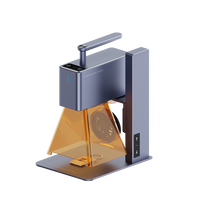
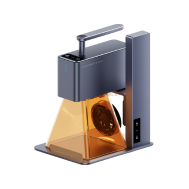
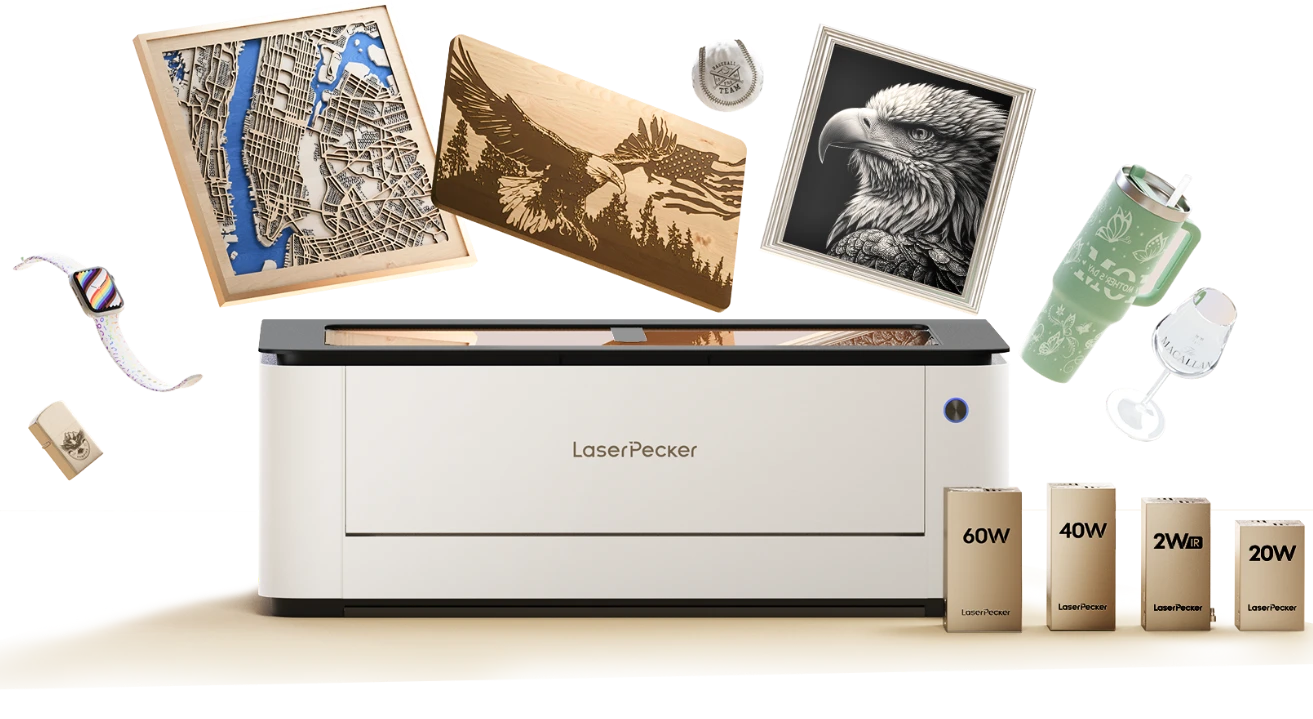
La LaserPecker LX2 est une option particulièrement adaptée aux petits studios et à la production de tissus personnalisés. Elle offre des vitesses de gravure allant jusqu’à 1 000 mm/s et une accélération de 10 000 mm/s², permettant un traitement rapide et homogène de motifs détaillés.
Les principales fonctionnalités comprennent :
- Modules laser interchangeables : prend en charge les lasers à diode de 20 W, 40 W et 60 W, ainsi qu’un module infrarouge de 2 W
- Système d’alignement avancé : associe le positionnement par contour à une caméra 12 MP / 6K pour une mise en place précise
- Conception peu encombrante : format compact avec deux points d’accès pour manipuler des pièces de tissu plus grandes
- Large compatibilité avec les matériaux : traite différents tissus sans nécessiter de changement de matériel
- Double fonctionnalité : permet la découpe et la gravure dans un même flux de travail
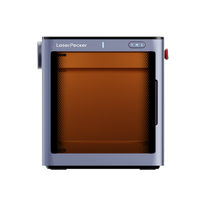
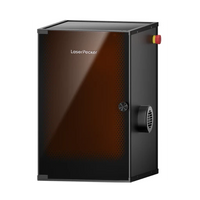
La LaserPecker LX2 respecte également les normes de sécurité laser de classe 1, ce qui la rend adaptée à une utilisation en intérieur dans les espaces de travail de l’UE. Associée au purificateur de fumée de bureau LaserPecker, elle filtre efficacement les gaz et les odeurs générés pendant le fonctionnement, contribuant ainsi à un environnement de travail plus propre et plus sûr.
En résumé, une machine de découpe laser moderne comme la LX2 combine précision, flexibilité et sécurité, ce qui en fait un excellent choix pour la production de tissus personnalisés et en petites séries.
Partie 4 : FAQ sur les machines de découpe de tissu
Q1. Quelle est la meilleure machine de découpe de tissu pour une petite entreprise ?
Sur les marchés de l’UE, une machine de découpe laser est largement recommandée pour les petites entreprises. Elle offre des résultats précis et réguliers et convient à une grande variété d’applications. Les machines comme le LaserPecker LX2 permettent également la gravure, ce qui les rend idéales pour la personnalisation et les petites séries.
Q2. La découpe laser peut-elle endommager le tissu ?
Non, la découpe laser n’endommage pas le tissu lorsque les réglages appropriés sont appliqués. Le processus scelle les bords au fur et à mesure de la découpe, ce qui réduit l’effilochage et améliore la qualité de la finition. Des réglages incorrects peuvent entraîner de légers problèmes ; il est donc conseillé d’effectuer un test.
Q3. Les machines de découpe de tissu peuvent-elles traiter des matières extensibles comme le jersey ?
Oui, bien que les performances dépendent de la technologie utilisée. Les méthodes de découpe mécaniques peuvent déformer les tissus élastiques, tandis qu’une machine de découpe laser préserve la précision grâce à son processus de découpe sans contact.
Q4. Ai-je besoin d’un ordinateur pour utiliser une machine de découpe de tissu ?
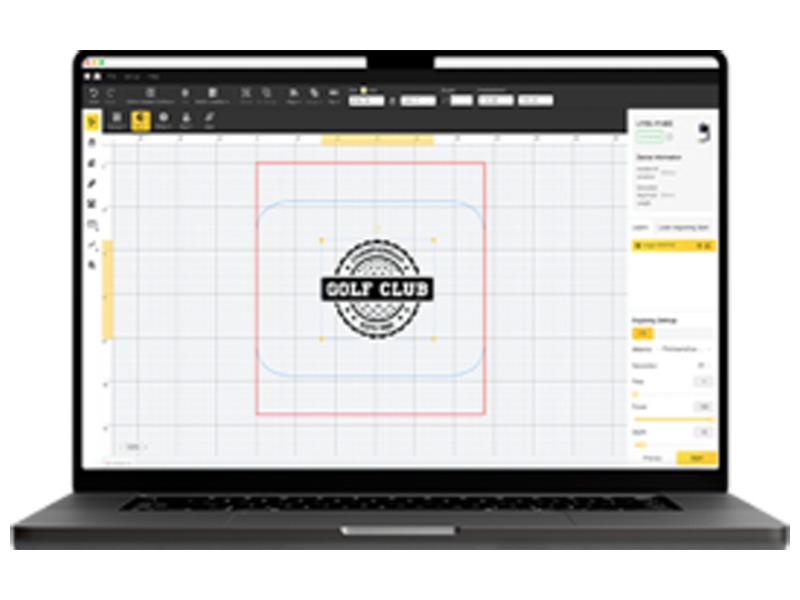
La plupart des machines de découpe de tissu fonctionnent à partir de fichiers numériques. Toutefois, les systèmes modernes incluent souvent des logiciels intuitifs et des fonctions d’alignement, ce qui les rend accessibles même aux utilisateurs ayant peu d’expérience technique.
Q5. Puis-je utiliser une machine à surjeter pour découper du tissu ?
Non, les machines à surjeter sont conçues pour la couture et la finition des bords. Bien qu’elles puissent couper l’excédent de tissu, elles ne conviennent pas à la découpe précise ni au façonnage des patrons.
Q6. Quels sont les avantages de la découpe laser par rapport aux méthodes traditionnelles ?
Une machine de découpe laser offre plusieurs avantages par rapport aux outils de découpe traditionnels :
- La découpe sans contact réduit la déformation du matériau
- Haute précision pour les motifs détaillés
- Les bords scellés réduisent l’effilochage
- Traitement plus rapide pour les petites et moyennes séries
Conclusion
Les machines de découpe de tissu sont disponibles dans différents formats afin de répondre à divers besoins de production et budgets. Bien que les outils traditionnels restent efficaces pour les applications de base, les machines de découpe laser deviennent le choix standard des utilisateurs qui recherchent précision, rapidité et polyvalence.
L’un des principaux avantages d’une machine de découpe laser réside dans sa méthode de découpe sans contact, qui réduit la déformation du tissu et produit des bords toujours nets. De nombreux systèmes combinent également les fonctions de découpe et de gravure, ce qui les rend adaptés aux applications techniques comme créatives.
Pour les designers et les petites entreprises de toute l’UE qui souhaitent améliorer leur productivité et obtenir des résultats de haute qualité, le LaserPecker LX2 offre une solution pratique et performante, à la fois efficace et facile à utiliser.