

















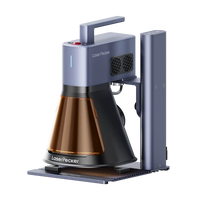
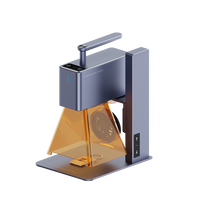


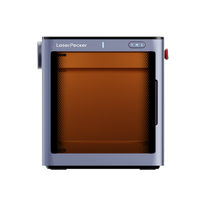
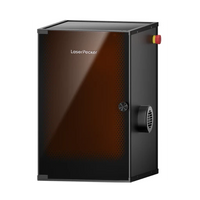





















Les machines de gravure de bouteilles sont conçues pour créer des noms permanents, des logos, des motifs, des dates et des créations personnalisées sur des bouteilles en verre, en métal les bouteilles, les bouteilles en céramique, les gobelets revêtus et autres contenants pour boissons.
Les différentes méthodes de gravure offrent des niveaux variables de précision et de vitesse, la durabilité et la compatibilité avec les matériaux, ce qui rend certaines options plus adaptées adaptées aux projets personnels, tandis que d’autres conviennent parfaitement à un usage commercial.
This guide compares the three main types of bottle engraving machines, présente leurs points forts et leurs faiblesses, et explique pourquoi les machines de gravure laser sont devenues l’une des solutions les plus efficaces des solutions pour produire des bouteilles personnalisées de qualité professionnelle.

Dans cet article :
- Partie 1 : Qu’est-ce qu’une machine de gravure de bouteilles
- Partie 2 : 3 types de machines de gravure de briques
- Type 1 : Machines de gravure rotative pour bouteilles
- Type 2 : Machines de sablage pour bouteilles
- Type 3 : Machines de gravure laser pour bouteilles
- Partie 3 : Pourquoi les machines de gravure laser sont le meilleur choix pour la gravure de bouteilles
- FAQ : Questions fréquentes sur les machines de gravure de bouteilles
Partie 1 : Qu’est-ce qu’une machine de gravure de bouteilles ?
Une machine de gravure de bouteilles sert à créer des noms, logos, du texte, des motifs, des dates et des créations personnalisées sur les surfaces des bouteilles. Elle est couramment choisie pour les cadeaux personnalisés, les articles pour boissons aux couleurs d’une marque et les cadeaux de mariage cadeaux d’invités, articles promotionnels et emballages personnalisés, offrant une une façon professionnelle d’ajouter une valeur durable à une grande variété de produits.
La gravure de bouteilles convient à différents matériaux, notamment le verre parfum bottles, stainless steel flasks et des gobelets, des bouteilles en aluminium, des bouteilles en céramique et des contenants pour boissons revêtus. Selon le matériau et les exigences de gravure, les utilisateurs peuvent choisir la gravure rotative, le sablage, la gravure CNC ou la gravure laser, chaque méthode offrant différents niveaux de précision, d’efficacité et de flexibilité.
Contrairement aux étiquettes imprimées ou autocollantes qui peuvent s’user avec le temps, les motifs gravés créent une finition permanente à l’aspect plus haut de gamme apparence. Cela fait de la gravure de bouteilles une solution idéale pour les produits personnalisés, les petites entreprises et la fabrication sur mesure.
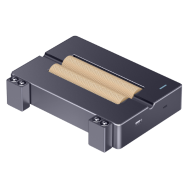
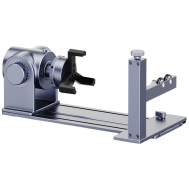
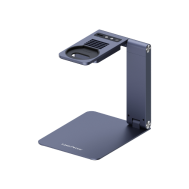
Lors de la gravure de bouteilles rondes ou incurvées, un accessoire rotatif est souvent utilisé pour faire pivoter la pièce pendant le fonctionnement de la machine. Cela permet de au motif de rester positionné avec précision autour de la bouteille et produit des résultats de gravure plus nets et plus homogènes.

Partie 2 : 3 types de machines de gravure de bouteilles
La gravure de bouteilles peut être réalisée à l’aide de plusieurs technologies différentes technologies offrent chacune un équilibre différent entre précision, capacité de production, la vitesse, la durabilité, les coûts d’exploitation et la compatibilité des matériaux. Ces le bon choix dépend de la création de produits personnalisés, des articles promotionnels, de la vaisselle personnalisée ou le développement d’une petite activité de gravure. activité.
Les trois méthodes de gravure de bouteilles les plus couramment utilisées sont la gravure rotative, la gravure, le sablage et la gravure laser. Comprendre comment chacune de ces comprendre le fonctionnement de chaque procédé facilite le choix de la machine la mieux adaptée à vos besoins.
Type 1 : Machines de gravure rotative pour bouteilles
Les machines de gravure rotative utilisent un outil de coupe rotatif pour graver des motifs permanents directement sur les surfaces des bouteilles. Elles sont couramment utilisées pour les bouteilles métalliques, les produits revêtus, le marquage industriel et certains les applications sur plastique rigide.
Pour les bouteilles incurvées, un dispositif rotatif fait tourner la pièce pendant la gravure afin de maintenir un alignement correct du motif sur toute la surface.
Bien que la gravure rotative crée des marquages profonds et durables, le contact physique entre la fraise et la bouteille signifie qu’elle est généralement moins adaptées au verre fragile ou aux récipients délicats qui pourraient être endommagés par les vibrations ou la pression.
Avantages
- Marquages gravés permanents offrant une excellente durabilité
- Profondeur de gravure réglable pour des découpes et des textures visibles
- Efficace sur les métaux et les matériaux revêtus
Inconvénients
- Le contact physique peut provoquer un glissement ou endommager la surface
- Risque accru lors de la gravure de bouteilles en verre fines
- Les détails fins et les petites lettres sont plus difficiles à réaliser
- Les outils de découpe nécessitent un remplacement et un entretien réguliers
Type 2 : Machines de sablage pour bouteilles
Le sablage utilise de l’air comprimé pour projeter des particules abrasives à travers un pochoir sur la surface de la bouteille, créant des textes, logos et des motifs décoratifs.
Le procédé est particulièrement populaire pour les bouteilles en verre, les bouteilles de vin, les bouteilles de whisky, les bouteilles de parfum et les produits haut de gamme la vaisselle décorative, grâce à son aspect gravé caractéristique.
Bien que le sablage soit plus sûr pour le verre que les méthodes de découpe directe, nécessite la fabrication de pochoirs, des matériaux abrasifs, des compresseurs et équipements de protection, ce qui rend la préparation plus laborieuse.
Avantages
- Finition dépolie attrayante, idéale pour les produits en verre
- Gravures permanentes offrant une forte résistance à l’usure
- Particulièrement adaptées aux applications de marquage décoratif
Inconvénients
- Pochoir préparation augmente le temps de production
- La poussière et les résidus abrasifs nécessitent un nettoyage supplémentaire
- Précision moindre pour les illustrations complexes par rapport au laser gravure
Type 3 : Machines de gravure laser pour bouteilles
Les machines de gravure laser utilisent une énergie laser concentrée pour marquer les surfaces des bouteilles sans contact physique. Elles peuvent graver des noms, des logos, des photographies, des motifs, des codes QR et des graphiques très détaillés avec une précision exceptionnelle.
Cette technologie est compatible avec les bouteilles en verre, les bouteilles en acier inoxydable, gobelets revêtus, des bouteilles en aluminium et des bouteilles en céramique, et de nombreux autres matériaux. Associée à un accessoire rotatif, elle permet de graver des la bouteille tourne automatiquement tout au long du processus de gravure maintenir un positionnement parfait sur les surfaces courbes.
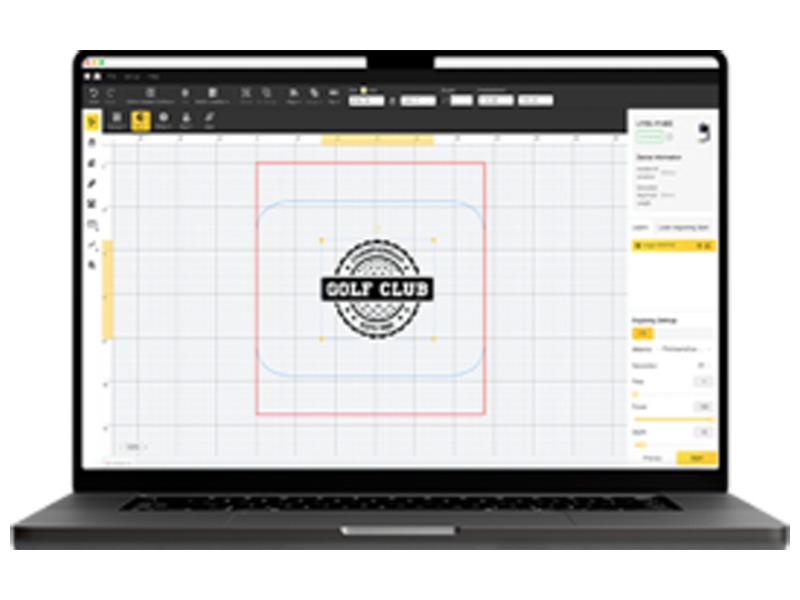
Contrairement à la gravure rotative ou au sablage, la gravure laser offre flux de travail numérique fluide, avec presque aucune préparation physique entre projets professionnels. Les designs peuvent être importés directement depuis un logiciel, ce qui rend le idéales pour les commandes personnalisées, les petites séries et les personnalisation.
Avantages
- Une précision et une répétabilité de gravure exceptionnelles
- Le traitement sans contact réduit le risque de dommages mécaniques
- Large compatibilité avec différents matériaux de bouteilles
- Idéales pour les cadeaux personnalisés, les produits de marque et les gravure
- Un flux de travail efficace, avec des changements rapides de design et une préparation minimale préparation
Inconvénients
- L’investissement initial en équipement est généralement plus élevé
- Les bouteilles cylindriques nécessitent généralement un accessoire rotatif
En résumé : Pour les utilisateurs en Europe à la recherche de polyvalence, productivité et qualité de gravure haut de gamme, la gravure laser la gravure offre la solution la plus complète. Elle associe une grande une grande précision avec une production numérique efficace, ce qui en fait le choix privilégié pour les projets de loisir comme pour les entreprises en pleine croissance.
Partie 3 : Pourquoi les machines de gravure laser sont les meilleures pour la gravure de bouteilles
| Type de machine | Précision | Vitesse | Matériaux les plus adaptés | Capacité à réaliser des designs complexes | Durabilité de la gravure |
|---|---|---|---|---|---|
| Machines de gravure rotative | Moyenne | Moyenne | Bouteilles métalliques, bouteilles revêtues, plastique rigide | Modérée | Très élevée |
| Machines de sablage | Moyenne à élevée | Moyenne | Bouteilles en verre, verrerie décorative | Bonne | Très élevée |
| Machines de gravure laser | Très élevée | Élevée | Verre, acier inoxydable, gobelets revêtus, aluminium, céramique | Excellente | Élevée |
Parmi les technologies actuelles de gravure de bouteilles, la gravure laser offre la meilleure combinaison globale de précision, de productivité et de créativité la flexibilité et la compatibilité des matériaux. La gravure rotative offre des entailles durables, mais peut ne pas convenir au verre délicat, tandis que le sablage nécessite la préparation d’un pochoir et un équipement supplémentaire. avant de commencer la gravure.
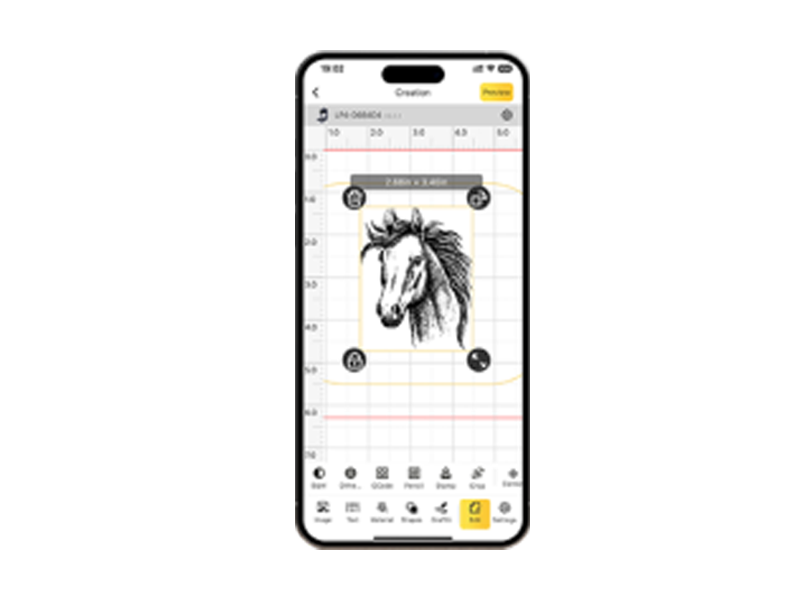
La gravure laser simplifie la production en permettant d’importer des noms, des logos, les photographies, les codes QR et les graphiques vectoriels d’être importés directement dans le logiciel. Ce flux de travail numérique réduit le temps de préparation et permet des résultats constants pour les projets personnalisés et commerciaux.
Raison 1 : une précision exceptionnelle pour les motifs complexes
La gravure laser reproduit fidèlement les lettrages fins et les logos, des motifs décoratifs, des photographies et des graphismes personnalisés, ce qui en fait la solution idéale pour pour les bouteilles haut de gamme, les articles promotionnels et les cadeaux.
Raison 2 : un traitement sans contact
Comme aucun outil de coupe ne touche la surface de la bouteille, la gravure laser réduit les vibrations et les contraintes mécaniques tout en éliminant l’usure de l’outil de coupe. Cela est particulièrement avantageux pour travailler avec des bouteilles en verre et des verres les verres délicats.
Raison 3 : une large compatibilité avec les matériaux
Les machines de gravure laser peuvent traiter les bouteilles en verre et en acier inoxydable, les bouteilles en verre, les gobelets isothermes revêtus, les bouteilles en aluminium, les bouteilles en céramique et de nombreux d’autres matériaux lorsqu’elles sont correctement configurées, offrant une polyvalence exceptionnelle. une grande polyvalence pour les créateurs et les entreprises.
Raison 4 : des résultats supérieurs sur les surfaces incurvées
Grâce à un accessoire rotatif, les bouteilles cylindriques tournent automatiquement pendant la gravure, afin que les motifs restent correctement alignés et gravés uniformément sur toute la surface.
Raison 5 : conçu pour la personnalisation et la croissance de l’entreprise
La gravure laser convient tout autant aux cadeaux personnalisés, aux articles de marque, des articles dérivés, des produits pour l’hôtellerie-restauration, des cadeaux événementiels et une production évolutive la production des petites entreprises grâce à son flux de travail numérique efficace et une qualité reproductible.
Machine recommandée pour la gravure de bouteilles : LaserPecker LP4
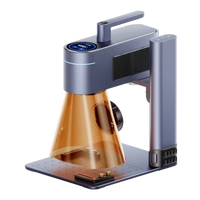
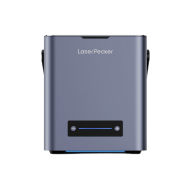
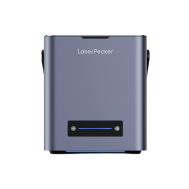
For creators and small businesses across Europe, the LaserPecker LP4 offre une solution adaptable pour la gravure de bouteilles, des verres personnalisés, des emballages sur mesure et des articles promotionnels. Son la combinaison d’un laser à diode de 10 W et d’un laser infrarouge de 2 W permet de graver sur plusieurs matériaux sans changer de machine.
Pour les projets sur bouteilles, le LP4 grave des noms, des logos, des dates et des monogrammes, ainsi que des motifs décoratifs avec une excellente régularité. Associé à un accessoire rotatif, il offre un positionnement précis et des résultats fiables sur les bouteilles cylindriques et les verres incurvés.
- Double technologie laser : Le laser à diode fonctionne bien avec le verre teinté et les céramiques émaillées colorées, le bois, le cuir, l’acrylique et les surfaces revêtues, tandis que le laser infrarouge est particulièrement efficace sur les métaux, les plastiques, le cuir et les surfaces peintes matériaux.
- Compatible with Rotary Accessories: Using a rotary attachment permet aux bouteilles, gobelets, mugs et objets similaires de pivoter automatiquement objets afin de les faire pivoter automatiquement et d’améliorer la régularité de la gravure.
- Gravure galvo rapide : Des vitesses allant jusqu’à 4 000 mm/s contribuent à améliorer la productivité pour les produits et petites séries.
- Gravure haute définition : Convient aux textes fins, logos, graphismes décoratifs, monogrammes, dates, et les motifs détaillés sur les bouteilles.
- Design compact : Son format de bureau le rend pratique pour les ateliers à domicile, les espaces créatifs, aux studios, à la personnalisation en magasin et aux petites activités commerciales.
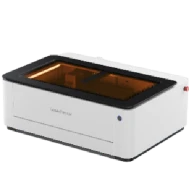
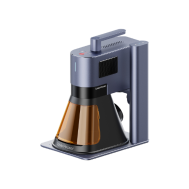
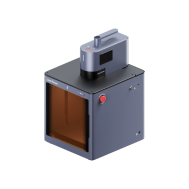
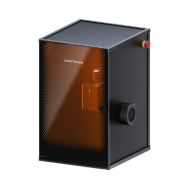
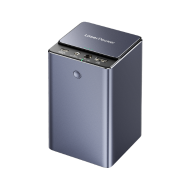
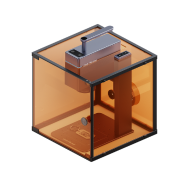
- Safer Indoor Operation: When used together with the LaserPecker Standard Enclosure, the LP4 achieves Class 1 Laser Sécurité, ce qui le rend parfaitement adapté aux espaces de travail fermés environments. Pairing it with the LaserPecker Desktop Smoke Purifier aide à filtrer les fumées et les odeurs produites pendant la gravure et la découpe, pour un fonctionnement intérieur plus propre dans les ateliers et aux créateurs travaillant à domicile.

FAQ : Questions fréquentes sur les machines de gravure de bouteilles
Q1 : Quels types de bouteilles peuvent être gravés au laser ?
Les machines de gravure laser peuvent graver de nombreux types de bouteilles et les contenants, notamment les bouteilles en verre, les bouteilles de vin et les bouteilles de whisky, gobelets en acier inoxydable, bouteilles en aluminium, bouteilles en céramique revêtues bouteilles, contenants isothermes et récipients promotionnels. La compatibilité des matériaux la compatibilité dépend de la technologie laser utilisée.
Q2 : La gravure laser s’efface-t-elle avec le temps ?
Non. La gravure laser modifie définitivement la surface du matériau plutôt que d’appliquer de l’encre ou une couche imprimée. Par conséquent, les gravures les motifs résistent fortement à la décoloration, à l’écaillage et à l’usage quotidien normal, ce qui les rend adaptées à une personnalisation durable.
Les bouteilles correctement gravées résistent à la décoloration, à l’écaillage et aux conditions normales de lavage.
Q3 : Un accessoire rotatif est-il nécessaire pour graver des bouteilles ?
For most cylindrical bottles, yes. A rotary attachment fait pivoter la bouteille pendant la gravure afin que les motifs graphiques restent correctement alignés autour des surfaces incurvées. Elle est particulièrement recommandées pour les gobelets, les bouteilles de vin, les flasques et autres articles similaires articles pour boissons.
Elles sont particulièrement utiles avec les machines de gravure laser pour travailler sur des gobelets, des bouteilles de vin, des tasses et des articles cylindriques pour boissons.
Q4 : Une machine à double laser peut-elle graver des bouteilles en métal et en verre ?
Oui. Les systèmes à double laser tels que le LaserPecker LP4 combinent différentes sources laser pour traiter une gamme plus étendue de matériaux. Cela permet aux utilisateurs de graver des articles pour boissons revêtus, des bouteilles en métal, du verre teinté, de la céramique et d’autres surfaces compatibles sans avoir besoin de machines séparées.
Des machines telles que la LaserPecker LP4 combinent des lasers à diode et infrarouges, permettant aux utilisateurs de graver différents matériaux de bouteilles, notamment les articles pour boissons revêtus, les bouteilles en métal, le verre teinté, les surfaces en céramique, et bien plus encore.
Q5 : Quelle machine de gravure de bouteilles convient le mieux aux petites entreprises ?
Pour les produits personnalisés et les petites séries, les machines de gravure laser les machines sont souvent privilégiées, car elles combinent précision, leurs flux de travail numériques rapides et leur large compatibilité avec les matériaux. Elles facilitent également le passage d’un design client à l’autre grâce à leur configuration minimale.
Q6 : La gravure laser de bouteilles est-elle sûre en intérieur ?
Oui, lorsque l’équipement de sécurité approprié est utilisé. Le LaserPecker LP4 atteint la classe 1 de sécurité laser lorsqu’il est associé au LaserPecker l’enceinte standard. L’association avec le purificateur de fumée de bureau LaserPecker Le purificateur aide également à filtrer les fumées et les odeurs générées pendant la gravure et la découpe, favorisant un fonctionnement intérieur plus propre pour les studios et les petites les entreprises à travers l’Europe.
Conclusion
Les machines de gravure de bouteilles permettent de créer des noms permanents, logos, motifs et designs personnalisés sur le verre, le métal, la céramique, et les articles pour boissons revêtus. Bien que la gravure rotative et le sablage restent adaptées à certaines applications spécialisées, les machines de gravure laser offrent la combinaison la plus complète de précision, de rapidité, de flexibilité et d’efficacité numérique.
Pour les créateurs, les détaillants et les petites entreprises à travers l’Europe, les machines de gravure laser offrent une solution fiable pour produire des bouteilles haut de gamme personnalisées avec une qualité constante et configuration minimale. Leur capacité à traiter plusieurs matériaux et des formes complexes les designs en font le choix privilégié pour les bouteilles modernes personnalisation et production évolutive.