
















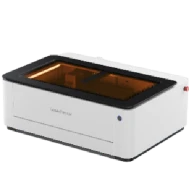
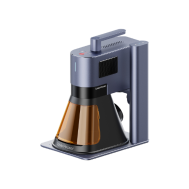
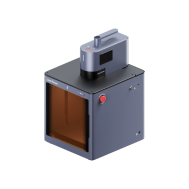
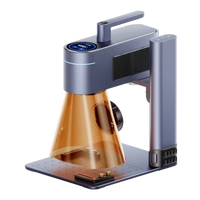
























Les machines de fabrication de panneaux en bois servent à créer des panneaux personnalisés pour la décoration intérieure, l’image de marque des entreprises, les mariages, les espaces extérieurs et les cadeaux personnalisés. Les différentes machines offrent des capacités variées, allant de la gravure de textes et de la sculpture de détails décoratifs à la découpe de lettres et à la production de panneaux en bois superposés.
Dans ce guide, nous examinons quatre types populaires de machines de fabrication de panneaux en bois disponibles sur le marché européen. Vous découvrirez les avantages et les inconvénients de chaque option, les utilisateurs auxquels elles conviennent le mieux et pourquoi les graveurs et découpeurs laser sont devenus la solution privilégiée des créateurs en quête de précision, d’efficacité et de flexibilité de conception.

Dans cet article :
- Partie 1 : Qu’est-ce qu’une machine de fabrication de panneaux en bois ?
- Partie 2 : 4 types de machines pour la fabrication de panneaux en bois
- Type 1 : Routeurs CNC pour la fabrication de panneaux en bois
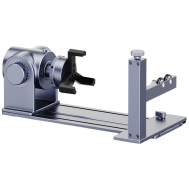
- Type 2 : Outils rotatifs pour la fabrication de panneaux en bois
- Type 3 : Graveurs laser pour la fabrication de panneaux en bois
- Type 4 : Découpeurs laser pour la fabrication de panneaux en bois
- Partie 3 : Pourquoi les graveurs et découpeurs laser sont les meilleurs pour la fabrication de panneaux en bois
- FAQ : Questions fréquentes sur les machines de fabrication de panneaux en bois
Partie 1 : Qu’est-ce qu’une machine de fabrication de panneaux en bois ?
Une machine de fabrication de panneaux en bois est un équipement utilisé pour découper, graver, sculpter ou façonner le bois afin de créer des panneaux personnalisés. Elle aide les créateurs à produire plus régulièrement et efficacement des lettrages, des logos, des graphismes décoratifs et des œuvres personnalisées sur des planches, des plaques et des panneaux en bois.
Les machines de fabrication de panneaux en bois sont couramment utilisées pour la décoration intérieure, l’image de marque des entreprises, la signalétique de mariage, les panneaux de porte, les plaques de jardin et les produits artisanaux. Selon le type de machine, les utilisateurs peuvent créer des panneaux gravés, des lettres évidées, des panneaux en bois superposés, des motifs sculptés en 3D ou des motifs décoratifs très détaillés. Chaque machine ayant ses propres atouts et limites, il est essentiel de comprendre leurs différences pour choisir la meilleure solution adaptée à vos besoins en fabrication de panneaux.

Partie 2 : 4 types de machines pour la fabrication de panneaux en bois
Les machines de fabrication de panneaux en bois utilisent différentes méthodes pour graver, sculpter et découper le bois, chaque option offrant des avantages spécifiques selon les exigences du projet. Des facteurs tels que la précision, la compatibilité des matériaux, la flexibilité de conception, l’efficacité du flux de travail et le volume de production influencent tous le choix de la machine la mieux adaptée.
De la décoration intérieure personnalisée et de la signalétique de mariage aux produits artisanaux et à la production des petites entreprises, les quatre types de machines suivants comptent parmi les plus utilisés en Europe.
Type 1 : Routeur CNC pour la fabrication de panneaux en bois
Un routeur CNC est une machine à commande numérique qui utilise des fraises rotatives pour graver et façonner le bois afin de créer des panneaux personnalisés. Il suit des trajectoires d’usinage programmées pour réaliser des lettrages, des logos, des bordures, des détails décoratifs et des effets tridimensionnels sur des panneaux en bois.
Les défonceuses CNC sont couramment choisies pour la signalétique commerciale, la décoration de style maison de campagne, les panneaux extérieurs, les plaques personnalisées et les projets en bois de grand format. Elles sont particulièrement efficaces lorsqu’une sculpture plus profonde et des éléments en relief sont nécessaires.
Avantages
- Excellentes performances pour la sculpture profonde : Ils conviennent au texte en creux, au lettrage en relief et aux effets 3D.
- Adaptés aux projets de grande taille : Ils fonctionnent bien avec les planches épaisses et les matériaux imposants pour panneaux.
- Finition durable : Les motifs sculptés peuvent être peints, vernis ou protégés par un produit d’étanchéité.
- Aspect professionnel : Ils créent de la texture et de la profondeur pour un rendu haut de gamme.
Inconvénients
- Production de poussière et de bruit : Ces outils produisent de la sciure et du bruit pendant leur fonctionnement.
- Entretien de l’outil : Les fraises de coupe doivent être remplacées régulièrement.
- Moins adaptés aux détails fins : Les illustrations complexes et les petits lettrages peuvent être difficiles à reproduire avec précision.
Type 2 : Outil rotatif pour la fabrication de panneaux en bois
Les outils rotatifs sont des appareils portatifs qui utilisent des accessoires rotatifs pour graver des lettrages et des motifs décoratifs dans le bois. Ils sont fréquemment utilisés pour les projets de loisir, les cadeaux faits main, les plaques personnalisées et les petits panneaux décoratifs.
Comparés aux défonceuses CNC et aux systèmes laser, les outils rotatifs sont souvent plus économiques et accessibles aux débutants. Les utilisateurs peuvent travailler à partir de gabarits ou de dessins à main levée, sans logiciel complexe.
Avantages
- Économiques : L’une des méthodes les plus abordables pour débuter dans la fabrication de panneaux en bois.
- Format compact : Elles conviennent aux ateliers à domicile et aux espaces restreints.
- Faciles à apprendre : Elles nécessitent une configuration minimale.
Inconvénients
- Précision réduite : Les détails fins dépendent fortement des compétences de l’opérateur.
- Flux de travail plus lent : La sculpture manuelle demande beaucoup de travail.
- Résultats irréguliers : Les résultats peuvent varier d’un projet à l’autre.
- Usure des accessoires : Les fraises de gravure se détériorent avec le temps et produisent de la poussière de bois.
Type 3 : Graveuses laser pour la fabrication de panneaux en bois
Les graveuses laser utilisent des faisceaux laser concentrés pour graver du texte, des logos, des graphismes et des motifs décoratifs sur des surfaces en bois, sans contact direct. Elles sont de plus en plus populaires pour les cadeaux personnalisés, l’identité visuelle des entreprises, la signalétique de mariage et les produits artisanaux.
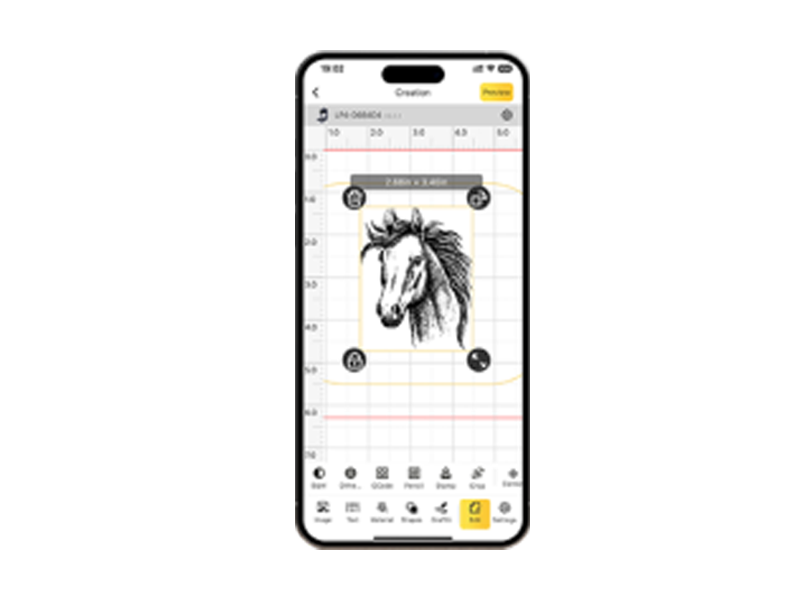
Comparées aux défonceuses CNC et aux outils manuels, les graveuses laser offrent un flux de travail numérique simplifié. Les utilisateurs peuvent importer directement leurs illustrations dans un logiciel compatible et obtenir des résultats très détaillés et reproductibles.
Les graveuses laser sont particulièrement efficaces pour les graphismes complexes, la gravure de logos, le lettrage fin, les éléments superposés de panneaux et la production des petites entreprises. Des matériaux tels que le contreplaqué, le tilleul, le MDF, le noyer, l’érable et le bambou peuvent créer des effets visuels distinctifs.
Avantages
- Précision exceptionnelle : produit des textes nets et des détails complexes.
- Technologie sans contact : minimise les vibrations et élimine l’usure des outils.
- Idéal pour la personnalisation : excellent pour les commandes personnalisées et les produits portant une marque.
- Gravure détaillée : reproduit facilement les graphiques complexes et les tracés de lignes fines.
- Production uniforme : permet de traiter efficacement les commandes répétées.
Inconvénients
- Gravure profonde limitée : principalement destinées aux applications de gravure de surface.
Type 4 : Découpeuses laser pour la fabrication d’enseignes en bois
Les découpeuses laser utilisent de puissants faisceaux laser pour découper le bois en formes personnalisées, en lettrages et en éléments d’enseignes en couches. Elles sont largement utilisées pour les enseignes personnalisées, les présentoirs décoratifs, l’image de marque des entreprises et la fabrication à petite échelle.
Contrairement aux graveurs laser, les découpeuses laser sont conçues pour traverser des matériaux tels que le contreplaqué, le tilleul, le MDF et les fines planches de bois dur afin de créer des structures complètes d’enseignes et des éléments décoratifs.
Elles sont particulièrement adaptées aux enseignes en couches, aux plaques suspendues, au lettrage ajouré et à la production répétée. Les flux de travail numériques permettent également de modifier les designs rapidement et efficacement.
Avantages
- Découpe précise : produit des bords nets et des formes complexes.
- Excellent pour les projets en couches : idéal pour la signalétique multicouche et les designs en relief.
- Flux de travail efficace : permet une personnalisation et une production rapides.
- Traitement sans contact : réduit l’usure mécanique.
- Adapté aux petites entreprises : une solution pratique pour les vendeurs de produits personnalisés et les fabricants d’enseignes.
Inconvénients
- Gestion de la fumée requise : la découpe du bois peut laisser des résidus ou assombrir les bords sans extraction efficace.
Partie 3 : Pourquoi les graveurs et découpeuses laser sont les meilleurs choix pour la fabrication d’enseignes en bois
| Type de machine | Précision | Vitesse | Capacité à réaliser des designs complexes | Durabilité de la gravure |
|---|---|---|---|---|
| Routeurs CNC | Élevée | Moyenne | Excellente pour la sculpture 3D | Très élevée |
| Outils rotatifs | Faible à moyenne | Lente | Limitée | Élevée |
| Graveurs laser | Très élevée | Élevée | Excellente pour les détails fins | Élevée |
| Découpeuses laser | Très élevée | Élevée | Excellente pour les enseignes en couches | Élevée |
Chaque machine de fabrication d’enseignes en bois possède ses propres atouts. Les routeurs CNC sont bien adaptés à la sculpture en profondeur, tandis que les outils rotatifs restent une option pratique pour une utilisation occasionnelle en bricolage. Toutefois, lorsque la précision, l’efficacité, la polyvalence et l’évolutivité sont prises en compte ensemble, les graveurs et découpeuses laser s’imposent comme la solution la plus complète.
Les graveurs laser reproduisent des textes, logos et éléments décoratifs très détaillés avec une excellente répétabilité. Les découpeuses laser les complètent en produisant des formes nettes, des composants d’enseignes en couches et des designs complexes à une vitesse remarquable. Leur flux de travail numérique simplifie également la personnalisation et favorise une production répétée efficace.
Pour les créateurs européens et les entreprises créatives en pleine croissance, les systèmes laser offrent plusieurs avantages clés :
- Des résultats toujours précis sur plusieurs projets.
- Des délais de réalisation rapides pour les produits personnalisés et fabriqués sur commande.
- Une excellente compatibilité avec les designs d’enseignes superposées et décoratives.
- Un entretien réduit grâce au procédé sans contact.
- Une plus grande flexibilité pour travailler avec différents matériaux en bois.
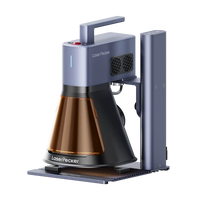
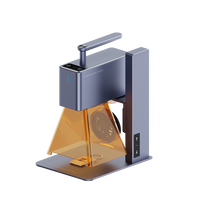
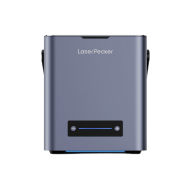
Pour les créateurs qui se consacrent aux cadeaux personnalisés et aux produits décoratifs, le LaserPecker LP2 Plus offre une solution de gravure compacte et facile à utiliser. Les entreprises qui ont besoin de projets de plus grand format, de capacités de découpe supérieures et d’une plus grande capacité de production peuvent préférer le LaserPecker LX2, qui associe polyvalence et sécurité laser de classe 1 grâce à son enceinte, pour une utilisation en intérieur.
Qu’il s’agisse de réaliser des commandes uniques ou de développer une production commerciale d’enseignes, les graveurs et les machines de découpe laser offrent l’efficacité et la liberté créative nécessaires pour obtenir des résultats professionnels.
Partie 3 : pourquoi les graveurs et les machines de découpe laser sont les meilleurs choix pour fabriquer des enseignes en bois
Comparés aux autres machines de fabrication d’enseignes en bois, les graveurs et les machines de découpe laser offrent le meilleur équilibre entre précision, rapidité, polyvalence et facilité d’utilisation. Les routeurs CNC restent efficaces pour la sculpture en profondeur, tandis que les outils rotatifs conviennent à une utilisation occasionnelle en DIY. Toutefois, la technologie laser est souvent la solution privilégiée pour la personnalisation détaillée et la production efficace à petite échelle.
Les graveurs laser permettent d’ajouter des noms, des logos, du texte, des graphismes décoratifs et des motifs complexes sur les surfaces en bois, tandis que les machines de découpe laser peuvent créer des formes personnalisées, des lettrages et des éléments d’enseignes superposés. Ensemble, ils offrent un flux de travail numérique fluide, capable de produire des résultats professionnels avec une qualité constante.
Raison n° 1 : haute précision pour les détails fins
Les systèmes laser peuvent reproduire des illustrations détaillées, des textes fins, des lignes minces et des logos complexes avec une excellente précision. Ils sont ainsi idéaux pour les produits personnalisés, la signalétique de mariage, la décoration de style champêtre, l’identité visuelle des entreprises et les créations artisanales.
Raison n° 2 : idéales pour les enseignes en bois superposées
Les machines de découpe laser peuvent découper avec précision des éléments décoratifs dans du contreplaqué, du MDF, du bois de tilleul et d’autres panneaux en bois. Ces pièces peuvent ensuite être assemblées pour créer des enseignes en bois superposées offrant profondeur, texture et une esthétique artisanale haut de gamme.
Raison n° 3 : traitement sans contact
Contrairement aux outils rotatifs et aux routeurs CNC, les systèmes laser ne nécessitent aucun contact physique avec la surface du matériau. Cela réduit les vibrations, élimine l’usure des fraises et contribue à maintenir une qualité constante tout au long des séries de production répétées.
Graveuse laser recommandée pour la fabrication de panneaux en bois : LaserPecker LP2 Plus
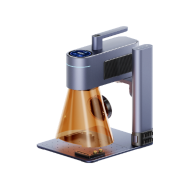
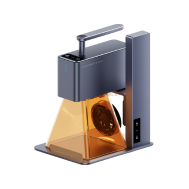
Le LaserPecker LP2 Plus est une solution de gravure polyvalente pour les panneaux en bois personnalisés, les produits décoratifs et les petites entreprises créatives partout en Europe.
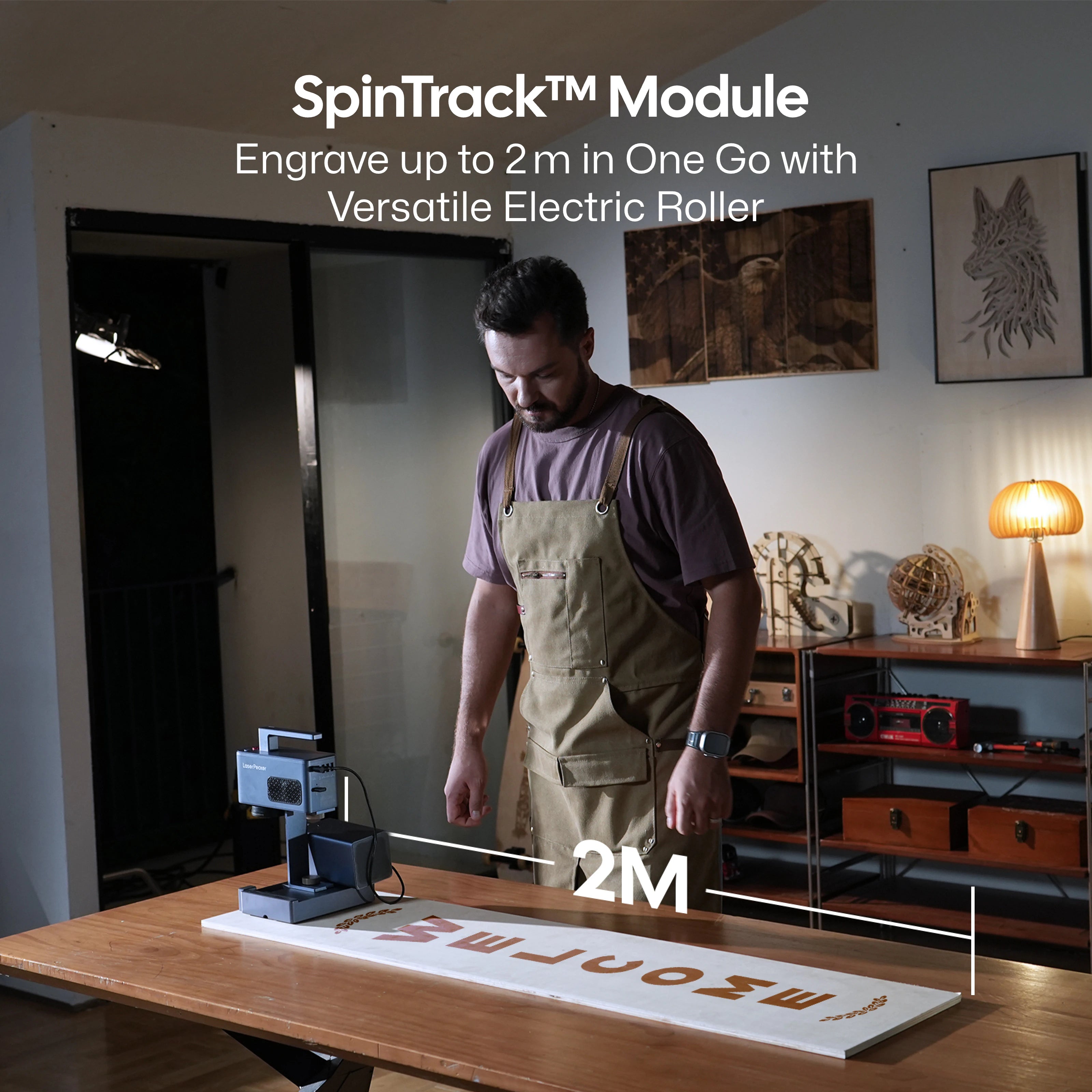
- Mode chariot de 2 mètres : Permet la gravure de formats longs sur des panneaux de bienvenue, des planches décoratives et des présentoirs professionnels jusqu’à 2 mètres de longueur.
- Laser à diode de 10 W : Convient à la gravure sur bois, contreplaqué, bambou, cuir, acrylique, papier et divers matériaux de loisirs créatifs.
- Idéal pour les projets personnalisés : Parfait pour les prénoms, les citations, les logos, les numéros de maison, les décorations de mariage et la signalétique décorative.
- Encombrement réduit : Une solution pratique pour les studios à domicile, les ateliers de fabrication et les petites entreprises.
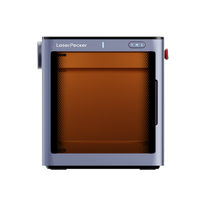
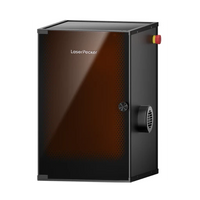
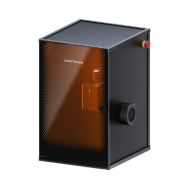
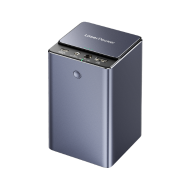
Pour les utilisateurs de l’UE travaillant en intérieur, le LP2 Plus peut être associé à l’enceinte standard LaserPecker afin d’assurer une sécurité laser de classe 1. Son association avec le purificateur de fumée de bureau LaserPecker améliore encore l’environnement de travail en filtrant la fumée, les fumées et les odeurs générées lors des tâches de gravure et de découpe légère.
Découpeuse laser recommandée pour la fabrication de panneaux en bois : LaserPecker LX2
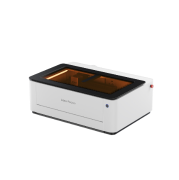
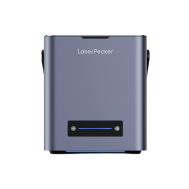
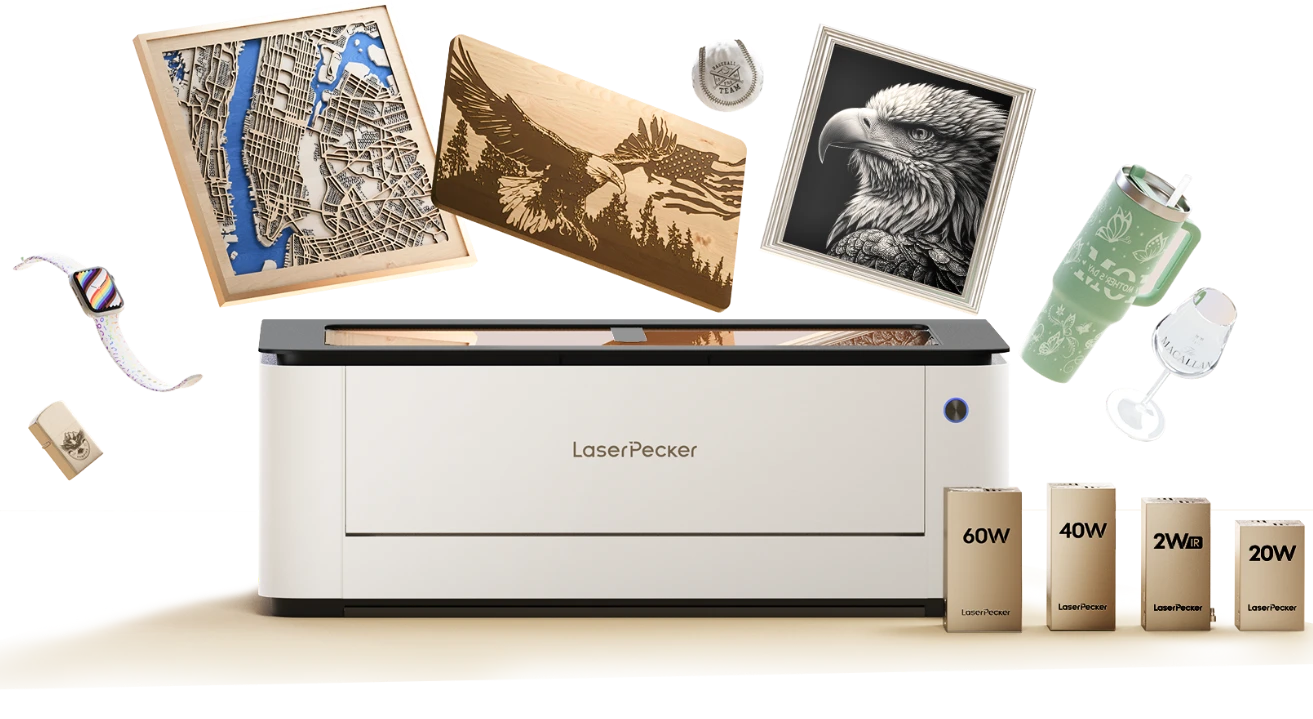
Le LaserPecker LX2 est une découpeuse laser de bureau haute performance conçue pour la signalétique en couches, les éléments décoratifs muraux et la production de panneaux commerciaux.
- Modules diode interchangeables de 20 W, 40 W et 60 W : Permettent une découpe du bois plus efficace selon les exigences de chaque projet.
- Idéal pour les projets de panneaux superposés : Convient au lettrage, aux panneaux avec logo, aux formes décoratives et aux composants de panneaux en relief.
- Grande zone de travail : Offre une plus grande flexibilité pour les mises en page plus grandes et les assemblages de panneaux.
- Alignement assisté par caméra : Améliore la précision du positionnement et la régularité de la production.
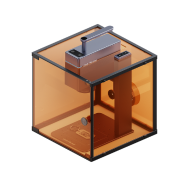
- Sécurité laser de classe 1 : Sa conception fermée permet une utilisation plus sûre dans les espaces de création et les environnements de production.
Le LX2 peut également être utilisé avec le purificateur de fumée de bureau LaserPecker pour aider à éliminer les fumées et les odeurs générées lors de la gravure et de la découpe. Pour les créateurs européens travaillant dans des studios, des ateliers ou depuis leur domicile, cette combinaison favorise un environnement de travail intérieur plus propre et plus agréable.
FAQ : Questions fréquentes sur les machines de fabrication de panneaux en bois
Q1 : Les machines laser peuvent-elles à la fois graver et découper des panneaux en bois ?
Oui. Selon le type de laser et le niveau de puissance, de nombreux systèmes laser peuvent effectuer à la fois des tâches de gravure et de découpe.
Les graveurs laser excellent dans la décoration détaillée des surfaces, tandis que les découpeuses laser sont conçues pour les composants de panneaux multicouches, les lettrages évidés et les formes en bois personnalisées.
Q2 : Quel bois convient le mieux à la fabrication de panneaux découpés au laser ?
Le contreplaqué, le tilleul, le MDF, le bambou, le bouleau, l’érable, le noyer et le cerisier comptent parmi les matériaux les plus couramment utilisés.
Le choix idéal dépend de l’apparence souhaitée. Le tilleul et le contreplaqué sont populaires, car ils offrent des surfaces lisses et des résultats de gravure uniformes.
Q3 : Les machines laser conviennent-elles aux débutants ?
Tout à fait. Les systèmes laser modernes proposent souvent un logiciel intuitif, des flux de travail prédéfinis et l’importation simplifiée de designs.
Le LaserPecker LP2 Plus convient particulièrement aux amateurs et aux créateurs de produits personnalisés, tandis que le LaserPecker LX2 constitue un meilleur choix pour les entreprises qui produisent des panneaux plus grands et des designs multicouches.
Q4 : Quels types de panneaux peut-on fabriquer avec une machine laser ?
Les systèmes laser peuvent produire des panneaux de bienvenue, des décorations de mariage, de la signalétique commerciale, des décorations murales, des plaques personnalisées, des panneaux de jardin, des décorations festives, des panneaux de ferme multicouches et des cadeaux personnalisés.
Q5 : Une fraiseuse CNC ou une machine laser est-elle plus adaptée à la fabrication de panneaux en bois ?
Cela dépend des exigences du projet.
Les fraiseuses CNC sont plus adaptées à la gravure en profondeur et aux effets tridimensionnels marqués. Cependant, les machines laser sont généralement privilégiées pour les détails fins, la personnalisation plus rapide, les designs multicouches et la production répétitive efficace. Pour de nombreuses petites entreprises, la technologie laser offre la solution la plus polyvalente.
Q6 : Les machines laser peuvent-elles être utilisées en toute sécurité à l’intérieur ?
Oui. Les dispositifs de sécurité et une ventilation adéquate sont des éléments importants à prendre en compte pour une utilisation en intérieur.
Le LaserPecker LP2 Plus, utilisé avec l’enceinte standard LaserPecker, peut atteindre une sécurité laser de classe 1. Son association avec le purificateur de fumée de bureau LaserPecker contribue à réduire les fumées et les odeurs pendant le fonctionnement.
Le LaserPecker LX2 est conçu avec une sécurité laser de classe 1 en standard et peut également être associé au purificateur de fumée de bureau LaserPecker pour favoriser un flux de travail intérieur plus propre dans les studios et les ateliers.
Conclusion
La machine de fabrication de panneaux en bois la mieux adaptée dépend de vos objectifs de production, de vos exigences en matière de design et de votre niveau d’expérience. Les fraiseuses CNC sont idéales pour les gravures détaillées, tandis que les outils rotatifs conviennent aux projets de bricolage occasionnels.
Pour les créateurs en quête de précision, de rapidité et de polyvalence, les graveurs et découpeuses laser s’imposent comme la solution la plus complète. Des produits personnalisés et panneaux multicouches à la production pour petites entreprises, la technologie laser offre un flux de travail efficace qui permet d’obtenir des résultats constants et de qualité professionnelle pour une grande variété d’applications de signalétique en bois.