





















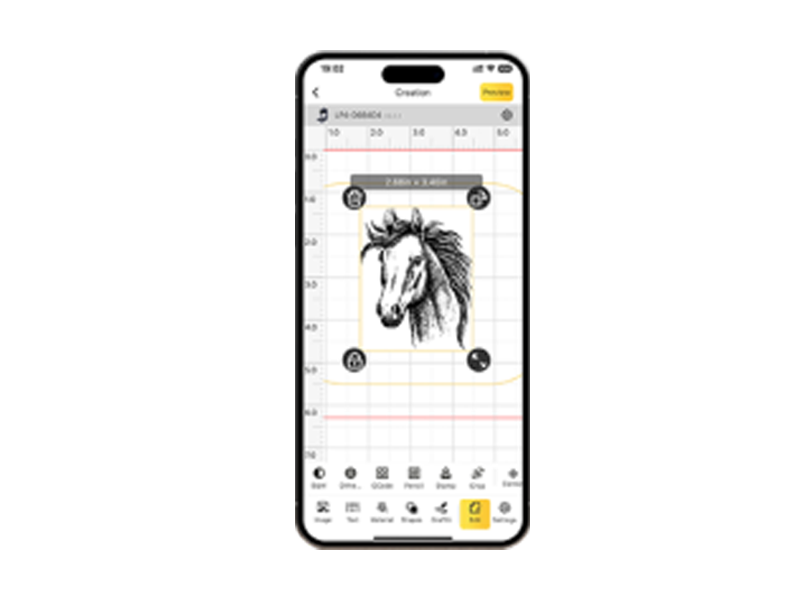


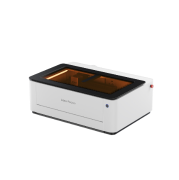

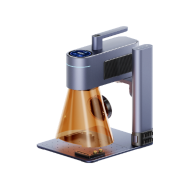
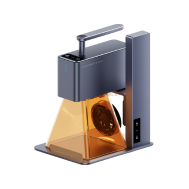
















Les machines de marquage de pièces sont largement utilisées dans la fabrication, l’ingénierie et la production industrielle pour créer des marquages permanents destinés à l’identification et à la traçabilité. Des numéros de série et codes QR aux codes-barres, logos et informations de conformité, un marquage fiable aide les entreprises à améliorer le suivi des produits et le contrôle qualité.
Aujourd’hui, les fabricants peuvent choisir parmi plusieurs technologies de marquage, chacune ayant ses propres atouts, limites et applications idéales.
Dans ce guide, nous comparerons les types de machines de marquage de pièces les plus courants, examinerons leurs avantages et leurs inconvénients et expliquerons pourquoi les systèmes de marquage laser sont devenus l’une des solutions les plus populaires pour les entreprises de toute l’Europe.

Dans cet article :
- Partie 1 : Qu’est-ce qu’une machine de marquage de pièces
- Partie 2 : Principaux types de machines de marquage de pièces
- Type 1 : Machines de marquage à jet d’encre pour pièces
- Type 2 : Machines de marquage par micro-percussion pour pièces
- Type 3 : Machines de marquage laser pour pièces
- Partie 3 : Pourquoi les machines de marquage laser sont le meilleur choix pour le marquage de pièces
- FAQ : Questions fréquentes sur les machines de marquage de pièces
Partie 1 : Qu’est-ce qu’une machine de marquage de pièces ?
Une machine de marquage de pièces sert à créer des marquages durables et permanents sur des pièces, des composants et des produits industriels. Les marquages courants comprennent les numéros de série, les logos, les codes-barres, les codes QR, les numéros de lot, les informations sur les produits et les données de traçabilité.
Le marquage des pièces est essentiel dans des secteurs tels que la fabrication, l’automobile, l’aérospatiale, l’électronique, les technologies médicales et l’ingénierie industrielle. Une identification permanente favorise la traçabilité des produits, le contrôle des stocks, l’assurance qualité et la conformité aux normes du secteur tout au long du cycle de vie du produit.
Selon la technologie de marquage, ces machines peuvent traiter divers matériaux, notamment le métal, le plastique, l’acrylique, les surfaces revêtues, le bois et d’autres matériaux industriels. Le choix de la machine appropriée dépend de facteurs tels que la compatibilité avec le matériau, la vitesse de marquage, la précision et la durabilité à long terme.

Partie 2 : Principaux types de machines de marquage de pièces
Les fabricants de toute l’Europe utilisent plusieurs technologies de marquage pour identifier les produits, améliorer la traçabilité et satisfaire aux exigences de conformité du secteur. La solution la plus adaptée dépend du volume de production, du type de matériau, de la qualité du marquage et des besoins en matière de durabilité à long terme.
Les trois technologies de marquage de pièces les plus utilisées sont les machines de marquage à jet d’encre, les machines de marquage par micro-percussion et les machines de marquage laser. Comprendre leurs atouts et leurs limites peut aider les entreprises à choisir la solution de marquage la plus efficace pour leurs activités.
Type 1 : Machines de marquage à jet d’encre pour pièces
Les machines de marquage à jet d’encre appliquent directement l’encre sur une surface afin de créer des informations produit, des numéros de lot, des numéros de série, des codes-barres et des codes de date. Elles sont couramment utilisées dans l’emballage, la logistique, la production alimentaire et les environnements de fabrication à haut volume.
Avantages
- Rapides et efficaces pour la production continue.
- Adaptées à une grande variété de matériaux.
- Investissement initial relativement faible.
Inconvénients
- Les marquages peuvent s’estomper, baver ou s’effacer.
- Nécessitent le remplacement régulier de l’encre et une maintenance continue.
- Résistance limitée aux produits chimiques, à l’humidité et à l’abrasion.
- Moins efficaces pour les applications de traçabilité permanente.
Type 2 : Machines de marquage par micropercussion pour les pièces
Les systèmes de marquage par micropercussion créent des marquages permanents en imprimant mécaniquement la surface du matériau. Ils sont largement utilisés pour marquer des pièces métalliques dans des secteurs tels que l’industrie automobile, l’ingénierie industrielle, l’aérospatiale et la fabrication de machines.
Avantages
- Marquages permanents et très durables.
- Efficaces pour l’identification des composants métalliques.
- Adaptées aux environnements industriels difficiles.
Inconvénients
- Détail du marquage inférieur à celui des systèmes laser.
- Génère du bruit et des vibrations mécaniques.
- Nécessite un contact direct avec le matériau.
- Moins adaptées aux graphiques complexes et aux petits codes.
Type 3 : Machines de marquage laser pour les pièces
Les machines de marquage laser utilisent une énergie laser concentrée pour créer des marquages permanents à contraste élevé, sans contact physique. Elles peuvent produire des numéros de série, des logos, des codes QR, des codes-barres et des informations de traçabilité avec une précision et une régularité exceptionnelles.
Dans toute l’Europe, les systèmes de marquage laser sont de plus en plus privilégiés, car ils offrent des résultats durables, prennent en charge une large gamme de matériaux et aident les fabricants à répondre aux exigences de traçabilité et de contrôle qualité. De nombreux systèmes laser modernes conviennent également à une utilisation en atelier intérieur lorsqu’ils sont associés à des solutions appropriées d’extraction des fumées ou de purification de l’air.
Avantages
- Marquage de haute précision avec une excellente netteté.
- Procédé sans contact qui minimise les contraintes exercées sur le matériau.
- Compatibles avec le métal, le plastique, le bois, le cuir, l’acrylique et les matériaux revêtus.
- Marquages permanents résistants à l’usure, aux produits chimiques et à la chaleur.
- Aucune encre, aucun solvant ni consommable requis.
- Idéales pour la traçabilité des produits et les secteurs axés sur la conformité.
Inconvénients
- Certains matériaux nécessitent des technologies laser spécifiques pour obtenir des performances de marquage optimales.
Partie 3 : Pourquoi les machines de marquage laser sont le meilleur choix pour le marquage des pièces
| Type de machine | Précision | Vitesse | Méthode de contact | Matériaux privilégiés | Capacité à réaliser des motifs complexes | Durabilité du marquage | Investissement initial |
|---|---|---|---|---|---|---|---|
| Machines de marquage à jet d’encre | Moyenne | Très élevée | Non | Plastique, carton, métal, verre | Modérée | Moyenne | Faible à moyenne |
| Machines de marquage par micropercussion | Moyenne | Élevée | Oui | Métal | Limitée | Très élevée | Moyenne |
| Machines de marquage laser | Très élevée | Élevée | Non | Métal, plastique, acrylique, bois, cuir | Excellente | Très élevée | Moyenne à élevée |
Raison 1 : Précision supérieure pour l’identification et la traçabilité
Les systèmes de marquage laser créent des numéros de série, codes QR, codes-barres, logos et identifiants de produits très détaillés et parfaitement lisibles, même sur les petits composants.
Raison 2 : un traitement sans contact
La nature sans contact du marquage laser élimine l’usure mécanique et réduit les contraintes exercées sur le matériau, ce qui le rend adapté aussi bien aux pièces industrielles robustes qu’aux composants de précision.
Raison 3 : une durabilité accrue du marquage à long terme
Les marquages générés par laser résistent aux produits chimiques, à l’abrasion, à l’humidité, à la chaleur et à l’exposition environnementale, ce qui les rend idéaux pour les secteurs axés sur la traçabilité et la conformité.
Raison 4 : une plus grande flexibilité de fabrication
Les flux de travail numériques permettent de mettre rapidement à jour les numéros de pièces, les informations de lot, les logos et les conceptions sans modifier l’outillage, réduisant ainsi les temps d’arrêt et améliorant l’efficacité de la production.
Raison 5 : une large compatibilité avec les matériaux
Les systèmes laser peuvent traiter les métaux, les plastiques, l’acrylique, le bois, le cuir, les matériaux revêtus et de nombreux matériaux d’ingénierie spécialisés, prenant en charge un large éventail d’applications industrielles.
Raison 6 : une production plus propre et plus efficace
Le marquage laser ne nécessite ni encre ni consommables et produit généralement des marquages nets et très contrastés avec un minimum de travaux de finition, ce qui contribue à réduire les coûts d’exploitation au fil du temps.
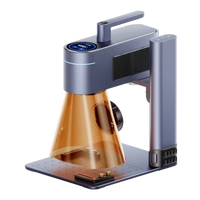
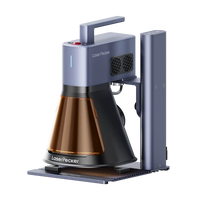
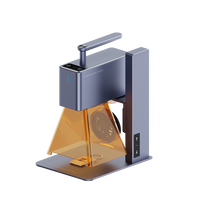
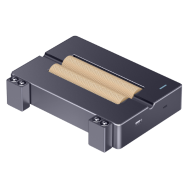
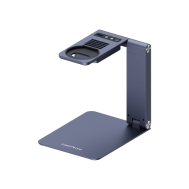
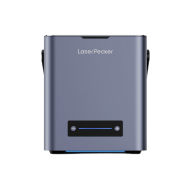
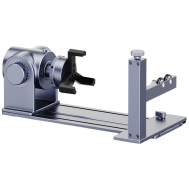
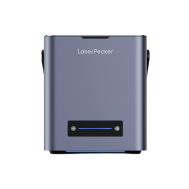
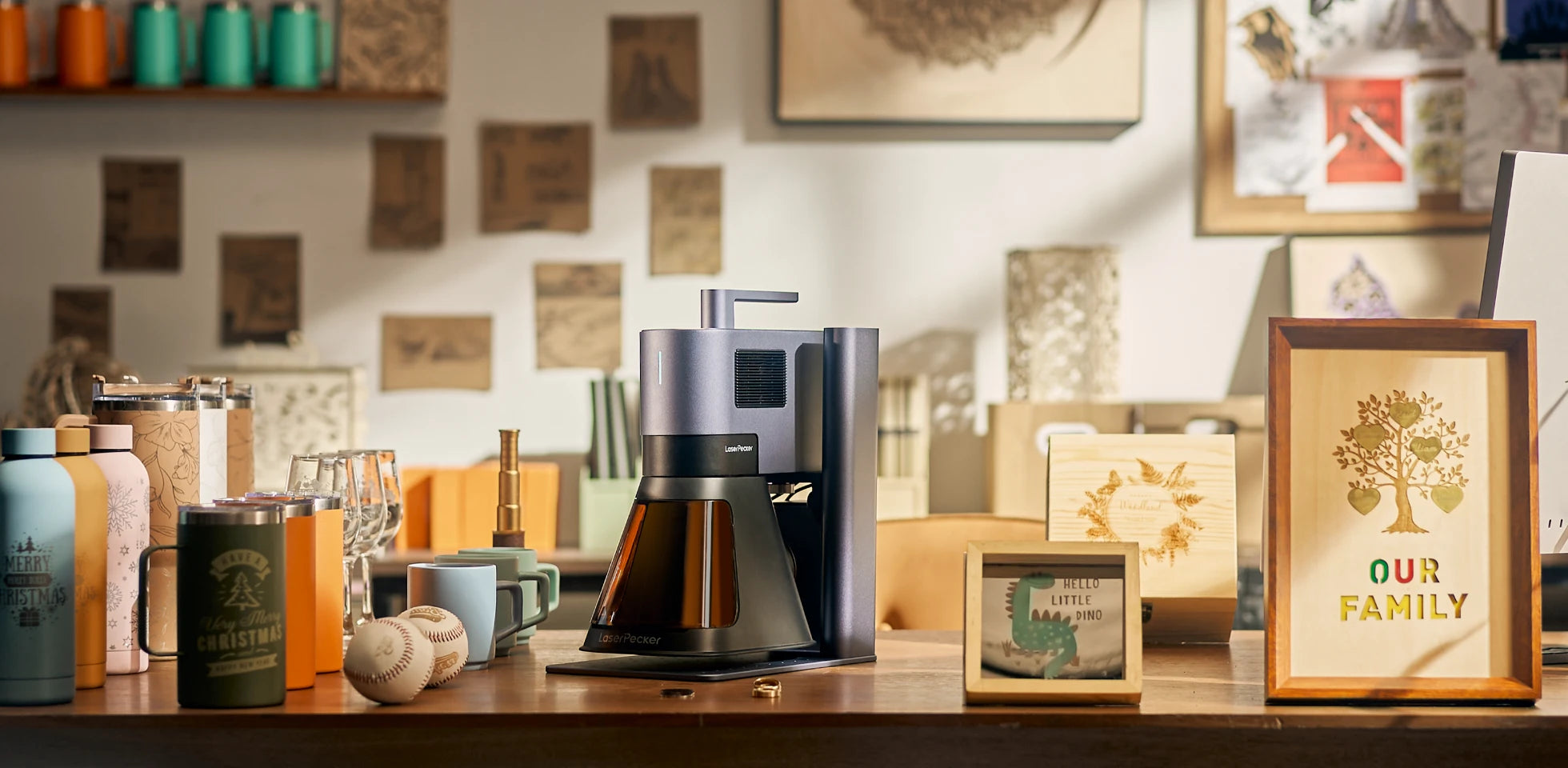
Machine de marquage laser recommandée pour les pièces : LaserPecker LP5
Le LaserPecker LP5 est conçu pour les entreprises, les créateurs et les utilisateurs industriels qui ont besoin d’une solution de marquage flexible capable de traiter plusieurs matériaux et applications.
Sa configuration à double laser prend en charge aussi bien la traçabilité industrielle et l’identification des composants que le marquage de marque, la personnalisation des produits et la fabrication sur mesure.
- Système laser double de 20 W à fibre et à diode.
- Marquage haute précision pour les numéros de série, les codes QR, les logos et les identifiants industriels.
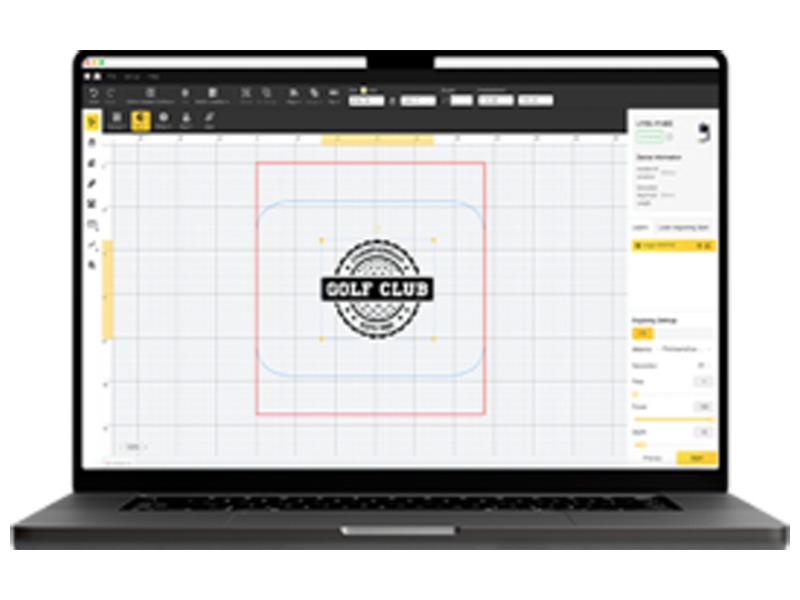
- Flux de travail numérique rapide pour une production reproductible et des modifications de conception rapides.
- Compatible avec l’acier inoxydable, l’aluminium, les plastiques, l’acrylique, le cuir, le bois, les matériaux revêtus et bien plus encore.
Sécurité laser de classe 1 et protection de l’espace de travail intérieur
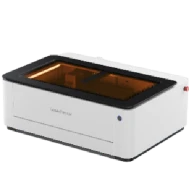
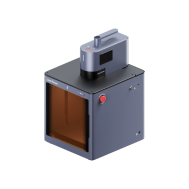
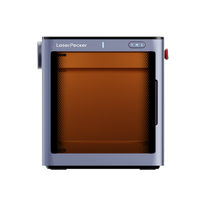
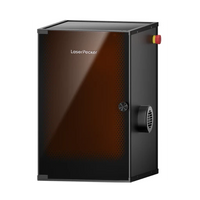
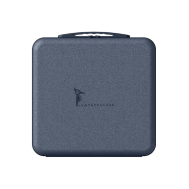
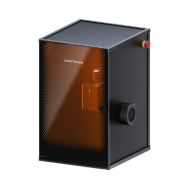
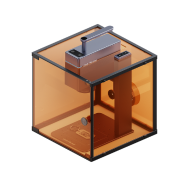
Pour les utilisateurs partout en Europe, le LP5 peut être associé à l’enceinte de sécurité LaserPecker LP5, permettant une utilisation conforme à la sécurité laser de classe 1 et offrant une protection supplémentaire dans les environnements professionnels et éducatifs.
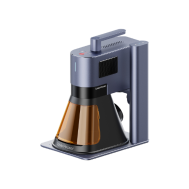
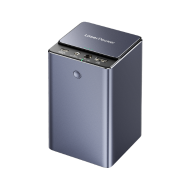
Utilisé avec le purificateur de fumée de bureau LaserPecker, il permet de filtrer efficacement les fumées, particules et odeurs générées lors de la gravure ou de la découpe, contribuant ainsi à maintenir un espace de travail intérieur plus propre et à favoriser une utilisation quotidienne plus sûre.
FAQ : Questions fréquentes sur les machines de marquage de pièces
Q1 : Le marquage laser est-il permanent ?
Oui. Le marquage laser modifie durablement la surface du matériau, créant des marquages qui résistent à la décoloration, à l’abrasion, aux produits chimiques, à l’humidité et à la chaleur.
Cela rend le marquage laser particulièrement adapté à la traçabilité industrielle, au marquage de conformité et à l’identification des produits à long terme.
Q2 : Quelle est la meilleure méthode de marquage pour les pièces métalliques ?
Le marquage laser est l’une des solutions les plus populaires pour le marquage des pièces métalliques, car il associe une grande précision, une excellente lisibilité et une durabilité à long terme.
Pour les applications nécessitant une indentation mécanique profonde, le marquage par percussion peut également être envisagé. Toutefois, les systèmes laser offrent généralement une précision des détails et une qualité de marquage supérieures.
Q3 : Combien coûte une machine de marquage de pièces ?
Le prix dépend de facteurs tels que la technologie de marquage, la source laser, la zone de marquage, les exigences en matière d’automatisation et le volume de production.
Bien que les systèmes de marquage laser impliquent souvent un investissement initial plus élevé, ils peuvent contribuer à réduire les coûts de maintenance et à éliminer les dépenses récurrentes liées aux encres et aux consommables.
Q4 : Une seule machine peut-elle marquer plusieurs matériaux ?
Oui. De nombreux systèmes laser modernes sont conçus pour traiter une large gamme de matériaux.
Les machines à double laser telles que le LaserPecker LP5 peuvent marquer les matériaux métalliques et non métalliques, offrant une plus grande flexibilité aux ateliers et aux environnements de production.
Q5 : Dans quels secteurs les machines de marquage de pièces sont-elles utilisées ?
Les machines de marquage de pièces sont couramment utilisées dans l’industrie manufacturière, l’automobile, l’aérospatiale, l’électronique, les technologies médicales, l’ingénierie et la production industrielle.
Elles aident les entreprises à améliorer la traçabilité des produits, l’assurance qualité, le contrôle des stocks et la conformité aux normes du secteur.
Q6 : Que dois-je rechercher lors du choix d’une machine de marquage de pièces ?
Les facteurs clés incluent la compatibilité avec les matériaux, la précision du marquage, la vitesse de production, la durabilité du marquage, les coûts d’exploitation et les fonctionnalités de sécurité.
Pour les entreprises qui doivent marquer plusieurs matériaux, une solution à double laser peut offrir une plus grande flexibilité. Les utilisateurs travaillant en intérieur peuvent également bénéficier de systèmes compatibles avec les configurations de sécurité laser de classe 1 ainsi qu’avec des équipements adaptés d’extraction des fumées ou de purification de l’air.
Conclusion
La meilleure solution de marquage de pièces dépend de votre application, de vos matériaux et de vos objectifs de production. Le marquage par jet d’encre est efficace dans les environnements de production rapide, tandis que le marquage par percussion fournit une identification durable sur les pièces métalliques. Toutefois, les systèmes de marquage laser offrent la meilleure combinaison de précision, de flexibilité et de durabilité à long terme sur une large gamme de matériaux.
Pour les entreprises à travers l’Europe, le LaserPecker LP5 offre une solution polyvalente pour l’identification des produits, la traçabilité, le marquage de marque et la fabrication personnalisée, aidant les utilisateurs à obtenir des résultats de marquage professionnels avec un seul système compact.