








































Les roses en bois offrent une alternative élégante et durable aux fleurs naturelles : elles ne se fanent pas et ne nécessitent aucun entretien. Elles sont largement utilisées pour la décoration intérieure, les cadeaux personnalisés et les projets d’artisanat DIY. En fabriquant votre propre rose en bois, vous pouvez en personnaliser la taille, la forme et les détails gravés, pour en faire une création unique et personnelle.
Ce guide présente deux méthodes efficaces : l’artisanat traditionnel et la découpe laser. Nous comparons leurs différences en matière de précision, d’efficacité et de personnalisation, afin que vous puissiez choisir la méthode la mieux adaptée à votre niveau d’expérience et à vos besoins créatifs.

Dans cet article :
- Partie 1 : Deux méthodes recommandées pour fabriquer une rose en bois
- Méthode 1 : Fabriquer une rose en bois à la main
- Méthode 2 : Fabriquer une rose en bois par découpe laser
- Partie 2 : Fabrication à la main ou découpe laser : quelle méthode choisir ?
- Partie 3 : Comment fabriquer une rose en bois par découpe laser
- Partie 4 : Conseils pour fabriquer une rose en bois parfaite
- Partie 5 : FAQ sur la fabrication d’une rose en bois
Partie 1 : Deux méthodes recommandées pour fabriquer une rose en bois
Pour fabriquer une rose en bois, deux méthodes principales sont couramment utilisées : l’artisanat traditionnel et la découpe laser.
Les deux approches peuvent offrir des résultats de grande qualité, mais elles diffèrent considérablement en termes d’efficacité, de précision et de niveau de compétence requis. Comprendre ces différences vous aide à choisir la méthode la mieux adaptée à votre projet.
Méthode 1 : Fabriquer une rose en bois à la main
L’artisanat consiste à façonner manuellement chaque pétale et chaque feuille à l’aide d’outils tels que des couteaux à sculpter, des ciseaux à bois et du papier abrasif. Chaque élément est sculpté et affiné individuellement avant d’être assemblé pour former une rose complète.
Cette approche offre une liberté créative totale, ce qui permet de rendre chaque pièce unique et légèrement différente, pour un aspect plus naturel. Cependant, elle demande beaucoup de travail et peut prendre plusieurs heures pour réaliser une seule rose. Les débutants peuvent avoir du mal à obtenir des résultats réguliers, et les erreurs sont difficiles à corriger une fois la matière retirée. Malgré cela, de nombreux artisans apprécient le savoir-faire traditionnel et la finition distinctive.
Bonnes pratiques recommandées : utilisez des bois tendres comme le tilleul ou le bouleau, plus faciles à sculpter. Travaillez dans le sens du grain afin d’éviter les fissures ou les éclats. Poncez tous les composants avant l’assemblage pour obtenir une finition plus nette. Appliquez une huile ou une teinture protectrice pour améliorer la durabilité et l’aspect.
Méthode 2 : Fabriquer une rose en bois par découpe laser
La découpe laser offre une alternative moderne, efficace et très précise. Grâce à une découpeuse laser, les modèles créés sur ordinateur peuvent être transférés directement sur le bois, ce qui garantit des résultats précis et reproductibles. Cette méthode est donc particulièrement adaptée à la production de plusieurs pièces identiques.
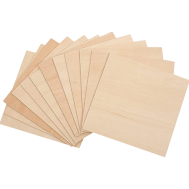
Les fines feuilles de bois sont idéales pour découper les pétales, tandis que des matériaux plus épais peuvent être utilisés pour les éléments structurels, comme les tiges. Par rapport à la fabrication artisanale, cette méthode réduit les erreurs et garantit une qualité constante pour toutes les pièces.
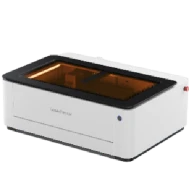
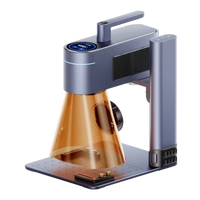
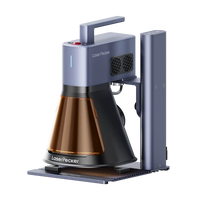
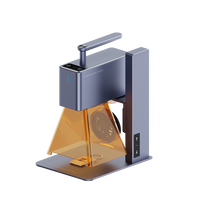
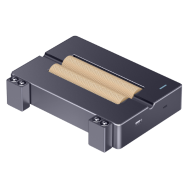
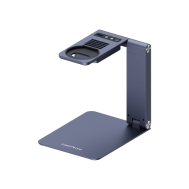
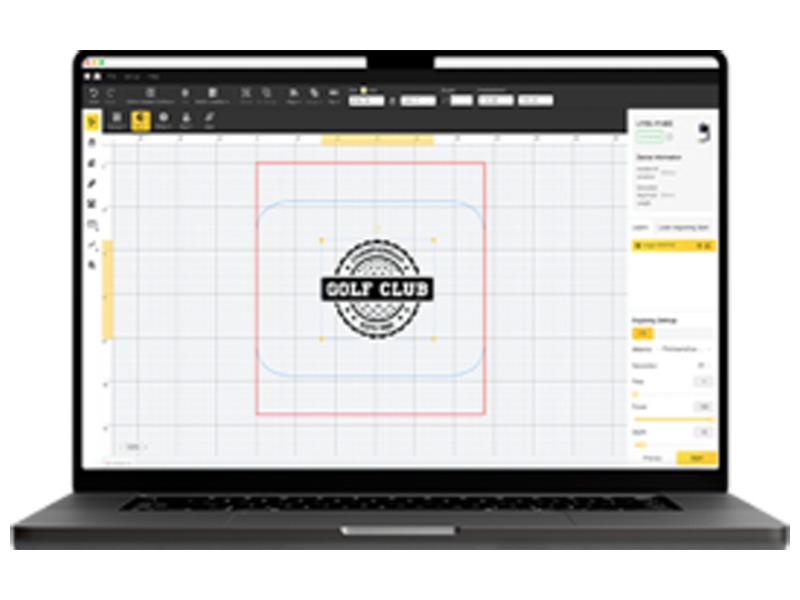
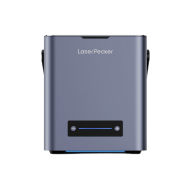
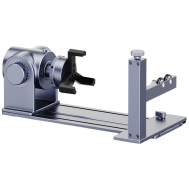
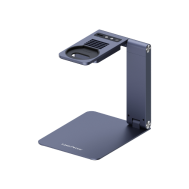
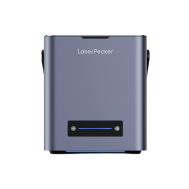
Des appareils tels que le LaserPecker LX2 et le LaserPecker LP2 Plus sont des choix populaires pour cette application. Ils permettent une découpe précise et des bords nets, garantissant que toutes les pièces s’assemblent parfaitement. Le logiciel est intuitif, ce qui permet aux débutants comme aux utilisateurs expérimentés d’obtenir des résultats professionnels.
La gravure laser apporte également une valeur ajoutée en permettant de réaliser des détails fins en surface, comme des nervures et des textures, ainsi que des motifs décoratifs, des éléments de marquage ou des designs personnalisés.
Cela rend les roses en bois découpées au laser idéales pour les cadeaux personnalisés ou la production pour une petite entreprise.
Tableau comparatif : méthodes traditionnelles et méthodes basées sur le laser
| Méthode | Précision | Vitesse | Compétences requises | Idéal pour | Personnalisation |
|---|---|---|---|---|---|
| Fabrication artisanale traditionnelle | Moyenne à élevée | Lente | Élevée | Pièces uniques faites main | Design libre, variations artistiques |
| Découpe laser | Très élevée | Rapide | Moyenne | Production en série, travaux de précision | Gravure, marquage, formes reproductibles |
La fabrication artisanale est idéale pour les créations uniques et artistiques, tandis que la découpe laser convient mieux à une production efficace, précise et hautement personnalisable.
Partie 2 : Fabrication artisanale ou découpe laser : quelle méthode choisir pour fabriquer une rose en bois ?
Le choix de la méthode dépend des exigences de votre projet, de vos outils et du niveau de précision souhaité. Pour les débutants ou ceux qui recherchent une production efficace, la découpe laser est souvent la solution la plus pratique, notamment pour les raisons suivantes :
Raison 1 : Grande précision et résultats uniformes
La sculpture manuelle peut donner des pétales irréguliers ou incohérents, en particulier pour les utilisateurs peu expérimentés. Une découpeuse laser produit chaque composant avec des mesures exactes et des bords nets, pour une forme finale équilibrée et réaliste.
Raison 2 : Adaptée aux designs complexes et détaillés
La découpe laser permet de créer facilement des éléments complexes, comme des pétales multicouches, des motifs de découpe détaillés et des textures gravées. Ces détails sont difficiles à réaliser manuellement et nécessiteraient beaucoup plus de temps et de compétences.
Raison 3 : Efficace pour plusieurs pièces
Pour les projets impliquant plusieurs roses en bois, comme les ensembles décoratifs, les cadeaux ou la production pour une petite entreprise, la découpe laser garantit une grande répétabilité. L’utilisation du même fichier de conception numérique assure une qualité constante pour tous les articles.
Raison 4 : Personnalisation avancée avec gravure
La gravure laser permet une personnalisation précise, notamment avec des noms, des dates, des motifs décoratifs ou des éléments de marque. Ces améliorations peuvent être appliquées directement sans affecter la structure, ce qui accroît à la fois la valeur esthétique et le potentiel commercial.
Des machines telles que la LaserPecker LX2 et la LaserPecker LP2 Plus sont parfaitement adaptées à ces applications, offrant une combinaison de précision et de facilité d’utilisation.
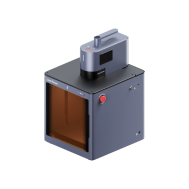
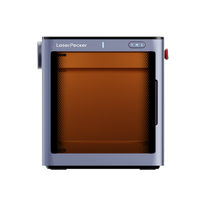
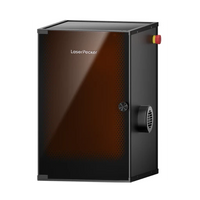
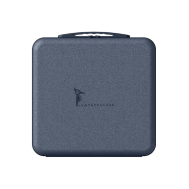
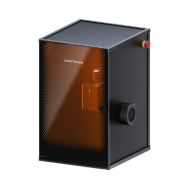
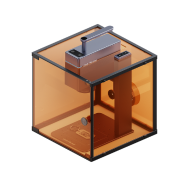
En matière de sécurité, le LaserPecker LX2 fonctionne selon les normes de sécurité laser de classe 1. Le LaserPecker LP2 Plus peut également atteindre la classe de sécurité laser 1 lorsqu’il est associé au caisson de protection LP2, ce qui est particulièrement pertinent pour les utilisateurs de l’UE, où le respect des normes de sécurité est une considération essentielle.
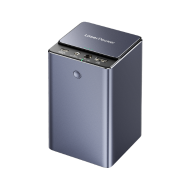
Pour les environnements intérieurs, les deux machines peuvent être utilisées avec un purificateur de fumée de bureau LaserPecker. Ce système aide à éliminer les fumées et les odeurs produites pendant la gravure et la découpe, garantissant un espace de travail plus sûr et plus confortable.
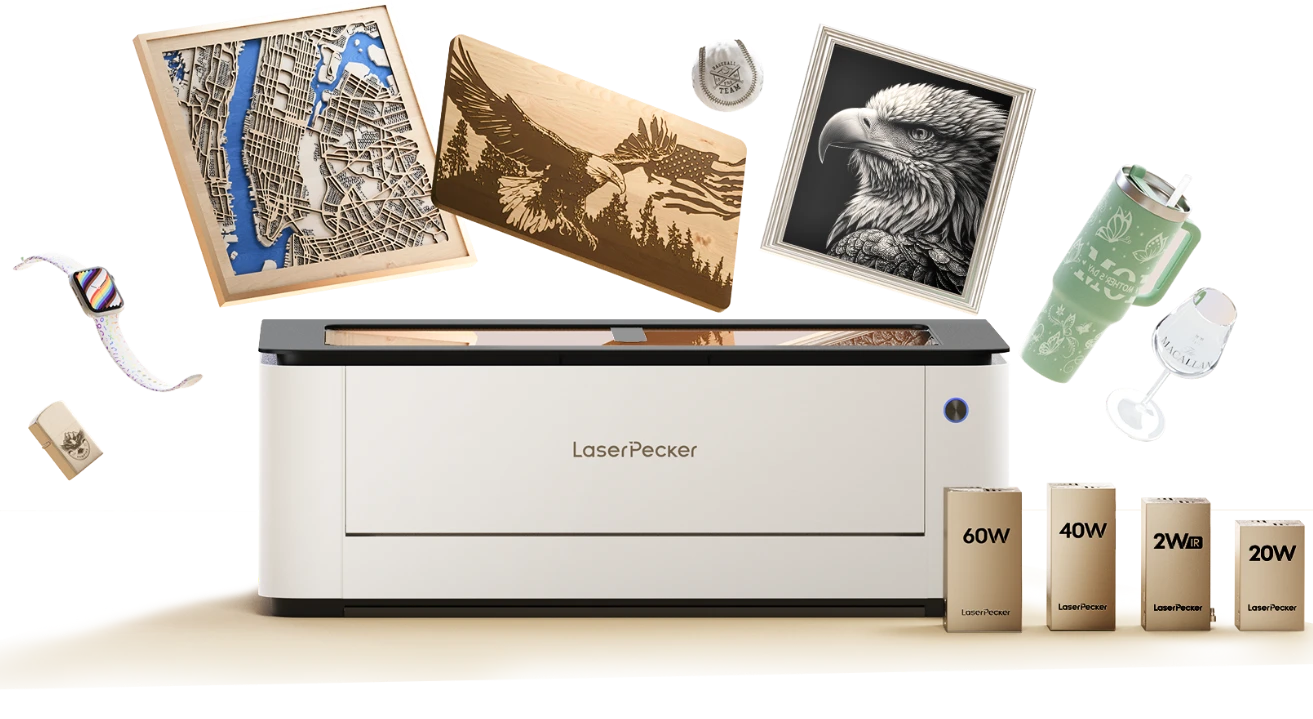
Partie 3 : Comment fabriquer une rose en bois par découpe laser
L’utilisation d’une découpeuse laser pour créer une rose en bois garantit une grande précision, une excellente reproductibilité et la possibilité de réaliser des détails complexes difficiles à obtenir avec des techniques manuelles.
Matériaux et outils nécessaires
Vous aurez besoin des éléments suivants :
- Fines feuilles de bois (le tilleul ou le bouleau sont recommandés pour les pétales)
- Une découpeuse laser offrant une grande précision
- Logiciel de conception compatible avec votre découpeuse laser
- Colle à bois ou adhésif approprié
- Facultatif : finition protectrice, telle qu’un vernis ou un revêtement transparent
Guide étape par étape pour fabriquer une rose en bois avec la découpe laser
Étape 1 : Préparez votre conception
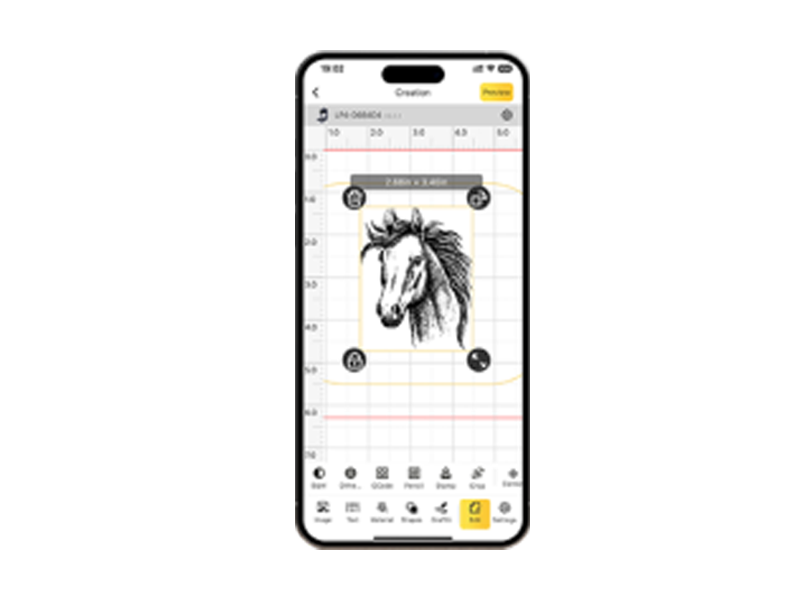
Importez ou créez les modèles de pétales et de feuilles à l’aide de votre logiciel de conception. Vous pouvez également inclure des éléments de gravure, tels que des textures ou des motifs décoratifs. Si nécessaire, explorez les modèles prêts à l’emploi sur LaserPecker CraftZone, ou recherchez des fichiers de découpe laser adaptés sur des plateformes européennes populaires comme Etsy EU, Cdiscount ou Allegro.
Étape 2 : Positionnez le bois
Fixez les feuilles de bois bien à plat dans la découpeuse laser. L’application de ruban de masquage peut aider à minimiser les marques de brûlure et à améliorer la netteté des bords.
Étape 3 : Découpez les composants
Exécutez la découpe selon votre conception. Ajustez les paramètres de la machine (vitesse et puissance) en fonction de l’épaisseur du matériau afin d’obtenir des découpes nettes et précises.
Étape 4 : Lissez les pièces
Poncez légèrement tous les composants afin d’éliminer les légers résidus de brûlure ou les bords rugueux. Cela améliore à la fois l’apparence et la facilité d’assemblage.
Étape 5 : Assembler la structure
Commencez par les pétales centraux et progressez vers l’extérieur, couche après couche. Utilisez l’adhésif avec précaution pour créer une forme tridimensionnelle stable et réaliste. Fixez les feuilles si nécessaire.
Étape 6 : Appliquer une finition protectrice
Utilisez un revêtement transparent ou légèrement teinté pour protéger le bois et mettre en valeur sa texture naturelle.
Facultatif : Ajouter des détails par gravure laser
La gravure laser permet d’ajouter des détails tels que des motifs de nervures, des textures ou des éléments de personnalisation. Ces ajouts améliorent la qualité visuelle et offrent davantage de possibilités de personnalisation, notamment pour les cadeaux ou les produits commerciaux.
Partie 4 : Conseils pour réaliser une rose en bois parfaite
La réalisation d’une rose en bois de haute qualité exige une attention particulière aux détails tout au long du processus. Même avec la découpe laser, des ajustements manuels et des étapes de finition sont nécessaires pour perfectionner le résultat final.
Conseil 1. Choisir un bois adapté pour garantir précision et esthétique
Le choix du matériau joue un rôle essentiel à la fois dans l’efficacité de la découpe et dans le résultat visuel. Les bois tendres, comme le tilleul ou le bouleau, conviennent particulièrement bien à la découpe laser grâce à leur grain fin et à leur structure homogène, qui permettent d’obtenir des découpes nettes et précises.
Les bois durs offrent une résistance accrue, mais nécessitent un traitement plus lent et des passes supplémentaires. Évitez le bois traité chimiquement ou peint, car cela peut entraîner une combustion irrégulière et des émissions indésirables. Effectuez toujours une découpe de test avant de commencer.
Conseil 2. Régler soigneusement les paramètres du laser
Un contrôle approprié de la vitesse, de la puissance et des paramètres de passe du laser est essentiel pour obtenir des résultats nets. Un niveau de puissance élevé peut provoquer des marques de brûlure, tandis qu’une puissance trop faible risque de ne pas découper complètement le matériau. Pour les composants fins tels que les pétales, utilisez une puissance modérée et une vitesse plus élevée. Les pièces plus épaisses, comme les tiges ou les bases, peuvent nécessiter une vitesse réduite ou plusieurs passes. Effectuer un test sur un matériau de rechange permet de garantir des réglages optimaux.
Conseil 3. Planifier la superposition pour une structure réaliste
Une conception en couches est essentielle pour obtenir une apparence naturelle. Commencez par les petits pétales intérieurs, puis augmentez progressivement leur taille vers les couches extérieures. De légers décalages entre les couches contribuent à reproduire la forme irrégulière des vraies roses. Bien que la régularité soit importante, de petites variations renforcent le réalisme visuel. La découpe laser permet une répétition précise tout en conservant une grande flexibilité de conception.
Conseil 4. Intégrer une base ou une tige pour plus de stabilité
L’ajout d’une base ou d’une tige améliore à la fois l’intégrité structurelle et la facilité d’utilisation. Une base stable facilite la présentation, tandis qu’une tige permet d’intégrer la rose à des compositions telles que des bouquets. Veillez à assembler solidement toutes les pièces sans endommager les éléments délicats. La découpe laser garantit un ajustement précis, améliorant ainsi la durabilité et la finition générale.
Partie 5 : FAQ sur la fabrication d’une rose en bois
Q1. La découpe laser ou la fabrication artisanale est-elle préférable pour créer des roses en bois ?
La découpe laser est plus précise, plus efficace et mieux adaptée à la production répétitive, tandis que la fabrication artisanale offre un résultat plus artistique et unique. Pour les motifs détaillés ou la réalisation de plusieurs pièces, une machine de découpe laser est généralement l’option la plus pratique.
Q2. Quel bois convient le mieux à une rose en bois ?
Les bois tendres comme le tilleul ou le bouleau sont idéaux en raison de leur grain fin et de leur facilité de découpe. Les bois durs peuvent offrir une plus grande durabilité, mais nécessitent un traitement plus lent. Évitez le bois traité chimiquement ou peint, car il peut produire des fumées et donner des résultats irréguliers.
Q3. Quelle épaisseur de bois est recommandée pour les pétales ?
Les pétales sont généralement fabriqués dans du bois de 1 à 3 mm d’épaisseur, ce qui permet de les modeler facilement. Les matériaux plus épais conviennent mieux aux éléments structurels, tels que les tiges ou les bases, afin d’assurer leur durabilité.
Q4. Combien de couches sont nécessaires pour obtenir une rose en bois réaliste ?
Une rose en bois réaliste comprend généralement de 6 à 10 couches. Des pétales intérieurs plus petits, associés à des couches extérieures progressivement plus grandes, créent un aspect naturel et tridimensionnel.
Q5. Comment optimiser les résultats de la découpe laser pour obtenir des bords plus nets ?
Pour obtenir des découpes nettes, ajustez les paramètres du laser, tels que la vitesse et la puissance, en fonction du matériau. L’utilisation de ruban de masquage et la réalisation de découpes d’essai sur un matériau de rechange peuvent améliorer considérablement la qualité des bords et réduire les marques de brûlure.
Q6. Est-il sûr d’utiliser une machine de découpe laser pour des projets en bois chez soi dans l’UE ?
Oui, à condition de respecter les mesures de sécurité appropriées. Les appareils tels que le LaserPecker LX2 répondent aux normes de sécurité laser de classe 1, tandis que le LaserPecker LP2 Plus peut atteindre le même niveau avec un caisson adapté. Il est recommandé d’utiliser un purificateur de fumée de bureau afin de gérer les fumées et de maintenir un environnement intérieur sûr.
Conclusion
Créer une rose en bois est un processus qui associe créativité et savoir-faire technique. La fabrication artisanale permet d’obtenir des créations uniques et artistiques, tandis que l’utilisation d’une machine de découpe laser telle que la LaserPecker LX2 ou la LaserPecker LP2 Plus garantit une grande précision, une production efficace et la possibilité d’ajouter de fins détails gravés.
Grâce aux étapes présentées dans ce guide, vous pouvez fabriquer des roses en bois durables à des fins décoratives, pour offrir des cadeaux personnalisés ou dans le cadre d’une petite production. La meilleure méthode dépend de votre niveau d’habileté, du temps dont vous disposez et du résultat souhaité. Les deux approches permettent d’obtenir des résultats de grande qualité et visuellement attrayants.