
















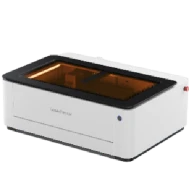
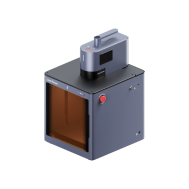
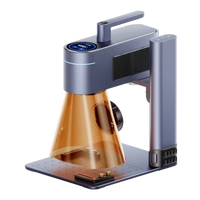

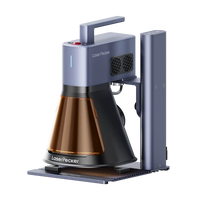
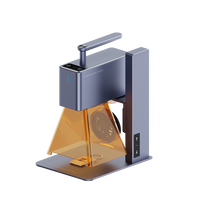











Le cadran est l’un des composants les plus détaillés et visuellement importants d’une montre, ce qui en fait une excellente surface pour une personnalisation de précision. Que vous souhaitiez graver des logos, des initiales, des chiffres, des textures décoratives ou des motifs exclusifs en édition limitée, la gravure laser offre un résultat durable et de qualité professionnelle.
Dans toute l’Europe, les horlogers, les entreprises de joaillerie et les passionnés utilisent de plus en plus la gravure laser pour créer des cadrans de montre personnalisés avec une précision remarquable. Ce guide explique les bases de la gravure laser des cadrans de montre, le fonctionnement de cette technologie, le choix du meilleur graveur laser pour ce travail et le processus étape par étape pour graver un cadran de manière sûre et précise.

Dans cet article :
- Partie 1 : Présentation de la gravure laser d’un cadran de montre
- 1.1 Qu’est-ce que la gravure laser d’un cadran de montre ?
- 1.2 Comment fonctionne la gravure laser sur un cadran de montre ?
- 1.3 De quelle machine de gravure avez-vous besoin ?
- Partie 2 : Pourquoi utiliser un laser pour graver un cadran de montre ?
- Étude de cas : Comment graver un cadran de montre au laser en 5 étapes 💡
- Partie 4 : Sécurité et conseils pour la gravure d’un cadran de montre
- FAQ :Questions fréquentes sur la gravure laser d’un cadran de montre
Partie 1 : Présentation de la gravure laser d’un cadran de montre
1.1 Qu’est-ce que la gravure laser d’un cadran de montre ?
La gravure laser d’un cadran de montre consiste à utiliser un faisceau laser concentré pour marquer ou graver des logos, des chiffres, des index, des textures décoratives et des motifs personnalisés sur la surface d’un cadran. Elle est couramment utilisée par les horlogers, les entreprises de joaillerie et les passionnés à travers l’Europe pour personnaliser des montres, développer des micro-marques, créer des pièces commémoratives et réaliser des projets de montres en production limitée.
Parce que le procédé est précis, sans contact et hautement reproductible, il permet aux fabricants de l’Union européenne de produire des designs de cadran détaillés tout en préservant la qualité et l’apparence du matériau sous-jacent.

Source : Groupe Facebook LaserPecker
1.2 Comment fonctionne la gravure laser sur un cadran de montre ?
Pendant le processus de gravure, un faisceau laser concentre son énergie sur le cadran de la montre et modifie une couche microscopique de matériau. L’aspect final dépend du matériau du cadran, du revêtement de surface et des réglages du laser. Les résultats courants comprennent des marquages à contraste élevé, des textures de surface fines, des gravures peu profondes ou des finitions métalliques brillantes.
Pour les horlogers et les entreprises de personnalisation européens, la gravure laser est particulièrement utile pour travailler sur des éléments de cadran complexes, notamment :
- Petits chiffres et index
- Repères des minutes
- Emblèmes et logos de marque
- Textures et motifs décoratifs
- Inscriptions personnalisées
Son haut niveau de précision permet de reproduire régulièrement des motifs complexes sur plusieurs cadrans de montre.
1.3 De quelle machine de gravure avez-vous besoin pour graver des cadrans de montre ?
Le choix de la bonne machine de gravure est essentiel pour obtenir des résultats professionnels sur les cadrans de montre. Comme les cadrans présentent des détails extrêmement fins, le système laser doit privilégier la précision, la stabilité et la compatibilité avec les matériaux plutôt que des performances de découpe maximales.
Les principales fonctionnalités incluent :
- Capacité de marquage haute résolution
- Positionnement et alignement précis des motifs
- Contrôle constant de la mise au point sur les surfaces métalliques fines
- Compatibilité avec un laser à fibre ou infrarouge pour les cadrans de montre métalliques
- Résultats reproductibles pour la production personnalisée et en petites séries
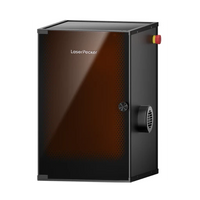
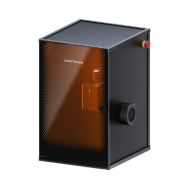
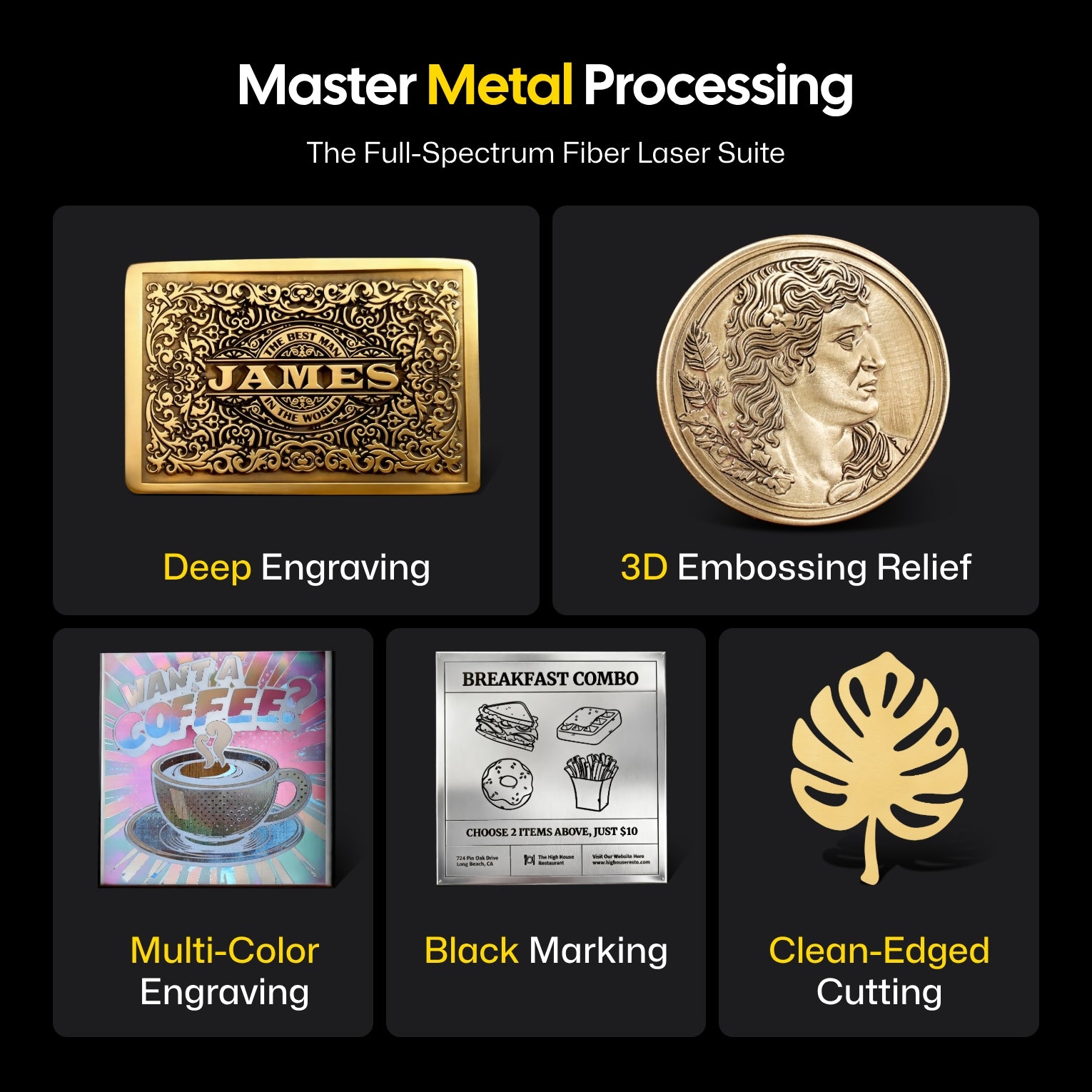
Pour les horlogers et les fabricants de l’Union européenne, la LaserPecker LP5 convient parfaitement à la personnalisation des cadrans de montre. Sa configuration à double laser associe un laser à fibre de 20 W et un laser à diode de 20 W, ce qui lui permet de réaliser des gravures détaillées sur des cadrans en acier inoxydable, en laiton, en aluminium anodisé et en métal revêtu. Dans les ateliers intérieurs, elle peut également être associée au purificateur de fumée de bureau LaserPecker afin de contribuer à filtrer les fumées de gravure et à améliorer le confort de travail pendant l’utilisation.
Partie 2 : Pourquoi utiliser un laser pour graver des cadrans de montre ?
La gravure laser est devenue une solution privilégiée pour la personnalisation des cadrans de montre en Europe, car elle offre une précision exceptionnelle, des résultats durables et une qualité de production constante. Comparée aux méthodes de marquage traditionnelles, la technologie laser permet aux horlogers et aux entreprises de créer des designs de cadran complexes avec davantage d’efficacité et de précision.
① Des détails fins sur de petites surfaces
Les cadrans de montre comportent de nombreux petits éléments qui nécessitent une exécution précise. La gravure laser permet de réaliser :
- Chiffres fins et index horaires
- Logos détaillés et éléments de marque
- Numéros de série et marquages d’identification
- Motifs et textures décoratifs
- Inscriptions personnalisées
Ce niveau de précision est particulièrement précieux pour les horlogers européens, les marques de joaillerie et les fabricants de micro-marques à la recherche d’une personnalisation haut de gamme.
② Permanente et professionnelle
Comme le laser modifie directement la surface du cadran, le marquage obtenu est nettement plus durable que les solutions appliquées en surface, telles que les étiquettes ou les graphismes imprimés.
Les avantages incluent :
- Aspect durable
- Résistance à la décoloration et à l’usure
- Finition professionnelle de haute qualité
- Adapté aux projets de montres d’inspiration luxueuse
Qu’il s’agisse de produire des montres commémoratives, des cadeaux sur mesure ou des collections de marque, la gravure laser contribue à créer un produit fini haut de gamme.
③ Compatible avec différents matériaux de cadrans de montre
Les systèmes laser modernes peuvent travailler avec de nombreux matériaux couramment utilisés dans l’horlogerie et la production de cadrans.
Voici quelques exemples :
- Acier inoxydable
- Laiton
- Métaux revêtus
- Aluminium anodisé
- Cadrans peints
- Certains plastiques techniques
Les différents matériaux produisent des effets de gravure différents, allant de marquages très contrastés à des finitions texturées subtiles. Le choix de la source laser appropriée, comme un laser à fibre ou infrarouge, peut améliorer considérablement les résultats.

Source : LaserPecker CrafZone - Cadran de montre imprimé en 3D et gravé au laser
④ Idéale pour la production en petites séries et en éditions limitées
La gravure laser offre une excellente répétabilité, permettant aux fabricants et aux entreprises de personnalisation de reproduire le même motif sur plusieurs cadrans de montre avec un minimum de variations.
Cela est particulièrement avantageux pour :
- Micro-marques européennes
- Horlogers indépendants
- Ateliers de réparation et de restauration
- Entreprises de joaillerie et d’accessoires
- Lancements de produits en édition limitée
Pour les ateliers situés dans l’UE, la régularité est particulièrement importante lors de la production de petites séries. Un graveur laser pour montres tel que le LaserPecker LP5 offre un positionnement précis et des performances de gravure répétables sur les cadrans de montre en métal. Pour les espaces de travail intérieurs, associer la machine au purificateur de fumée de bureau LaserPecker peut contribuer à filtrer les fumées et les odeurs générées pendant la gravure, créant ainsi un environnement de travail plus confortable.
Étude de cas : Comment graver au laser un cadran de montre en 5 étapes💡
Liste de contrôle pour la préparation de la gravure laser d’un cadran de montre
Avant de commencer la gravure, assurez-vous de disposer des éléments suivants :
- Matériau à graver : cadran de montre
- Machine de gravure : graveur laser à fibre
- Motifs de gravure : logos, chiffres, index, motifs décoratifs, numéros de série, initiales ou visuels personnalisés
Oui, un cadran de montre peut être gravé au laser avec d’excellents résultats. Avec un positionnement approprié, des réglages laser adaptés et la bonne machine de gravure, il est possible de créer des marquages très détaillés sur une grande variété de matériaux de cadrans de montre.
Étape 1 : Préparez votre visuel
Créez ou importez un fichier de conception propre dans un format vectoriel tel que SVG, AI ou DXF.
Pour de meilleurs résultats :
- Utilisez des graphiques simples et clairement définis
- Adaptez la taille du visuel aux dimensions du cadran
- Maintenez un espacement suffisant entre les éléments du visuel
- Tenez compte de l’emplacement du trou central et des index horaires
- Vérifiez l’orientation du visuel avant la gravure
Une préparation minutieuse contribue à réduire les erreurs et à améliorer la régularité de la gravure.
Étape 2 : Choisir la bonne machine de gravure laser pour graver un cadran de montre
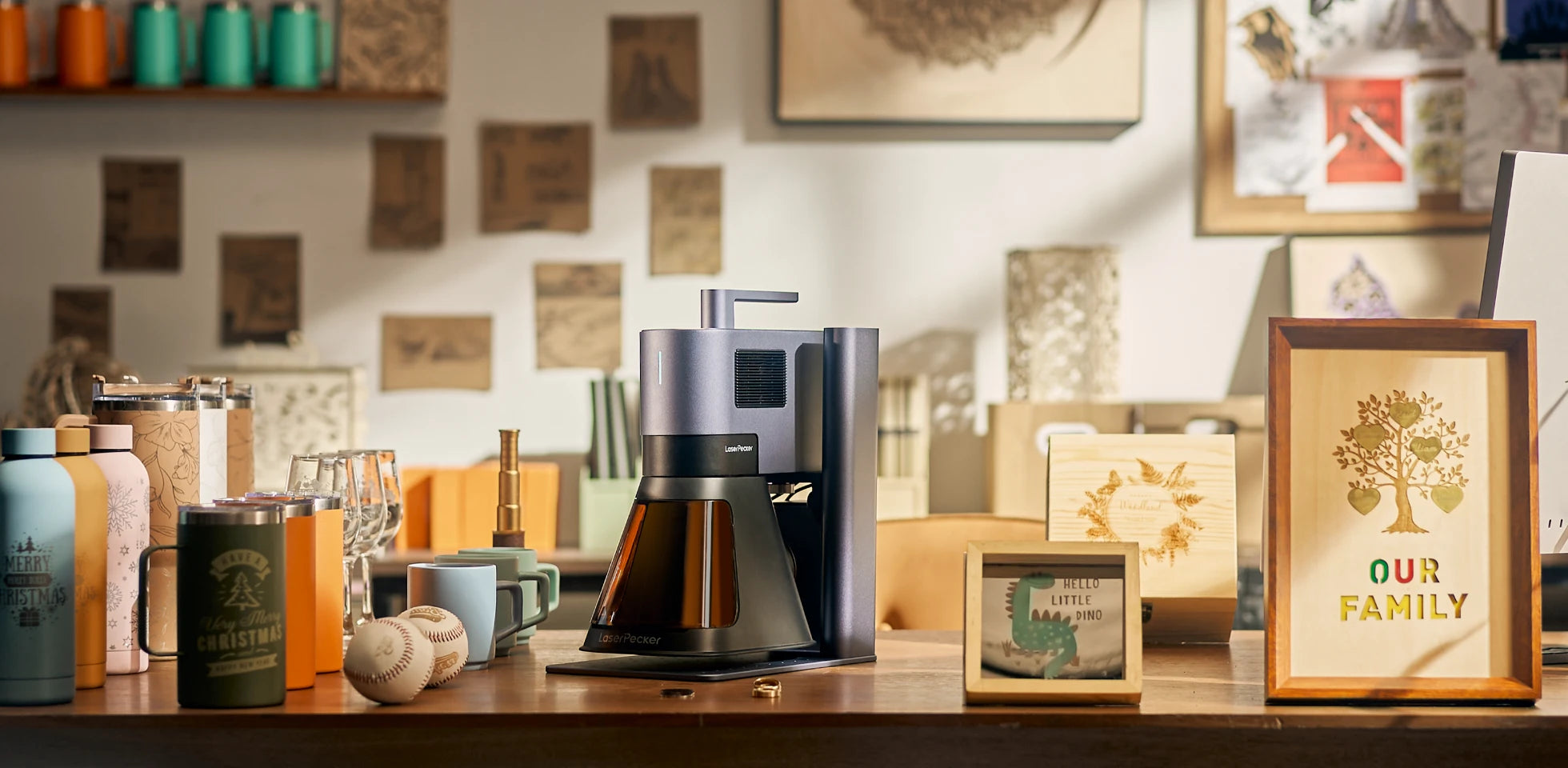
Pour les applications d’horlogerie de précision, la technologie laser à fibre est généralement l’option privilégiée pour les cadrans de montre en métal. Le LaserPecker LP5 offre la précision et la polyvalence nécessaires aux projets personnalisés comme à la production en petites séries.
-
Système laser double : fibre de 20 W + diode de 20 W
Compatible avec :- Acier inoxydable
- Laiton
- Aluminium anodisé
- Surfaces métalliques revêtues
- Divers accessoires de montre
-
Gravure haute vitesse à 10 000 mm/s
Permet une production efficace de :- Logos
- Numéros de série
- Chiffres
- Textures décoratives
- Marquages fins
-
Gravure de précision pour les détails horlogers fins
Le LP5 peut produire des micro-textes détaillés, des tracés nets et des graphiques de cadran complexes, couramment requis pour la personnalisation de montres et la production de micro-marques. -
Format de bureau compact
Convient pour :- Horlogers européens
- Entreprises de joaillerie
- Ateliers de personnalisation
- Développement de prototypes
- Production en petites séries
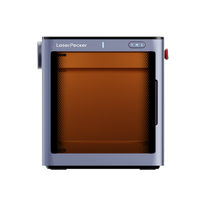
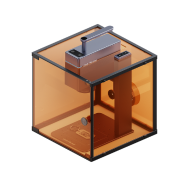
Dans l’UE, de nombreux fabricants préfèrent utiliser le LP5 avec l’enceinte de sécurité LaserPecker LP5, qui offre une sécurité laser de classe 1 et contribue à créer un environnement de travail intérieur plus sûr.
Étape 3 : Positionner et fixer le cadran de montre
Fixez fermement le cadran de montre dans la zone de gravure à l’aide d’un dispositif de fixation ou d’un gabarit de positionnement adapté.
Avant de commencer, vérifiez les points suivants :
- Alignement du trou central
- Orientation du cadran
- Placement du logo
- Positionnement du repère
- Stabilité du dispositif de fixation
Un positionnement correct est essentiel, car même de légères erreurs d’alignement peuvent affecter l’apparence du cadran de montre fini.
Étape 4 : Configurer la machine de gravure laser pour cadrans de montre
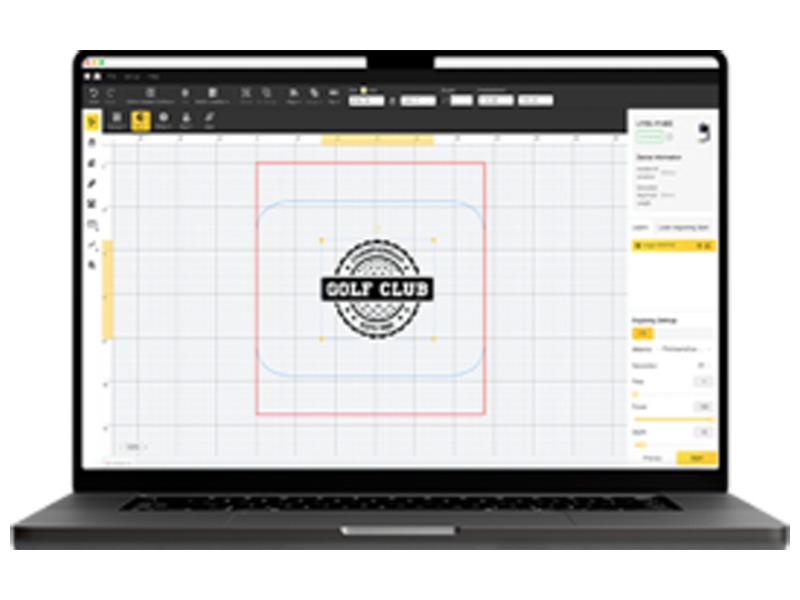
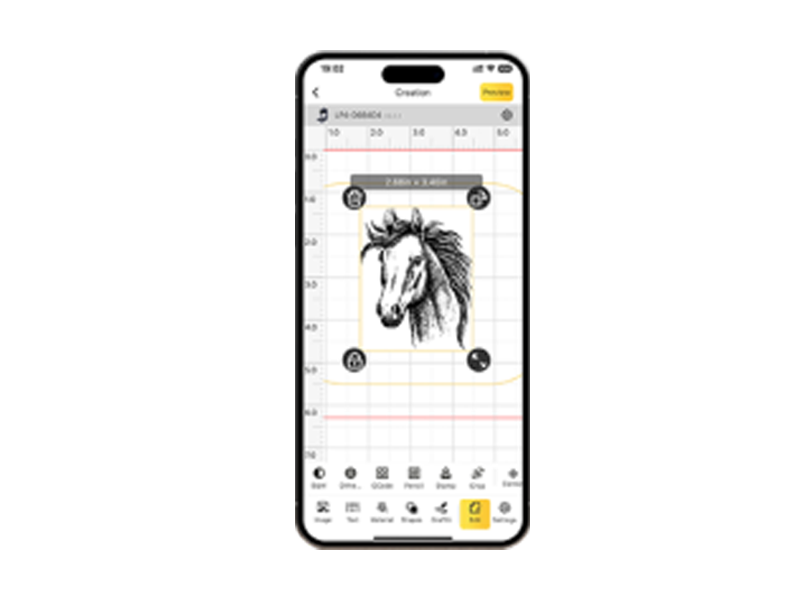
Ouvrez LaserPecker Design Space ou un logiciel de gravure compatible, puis importez votre illustration.
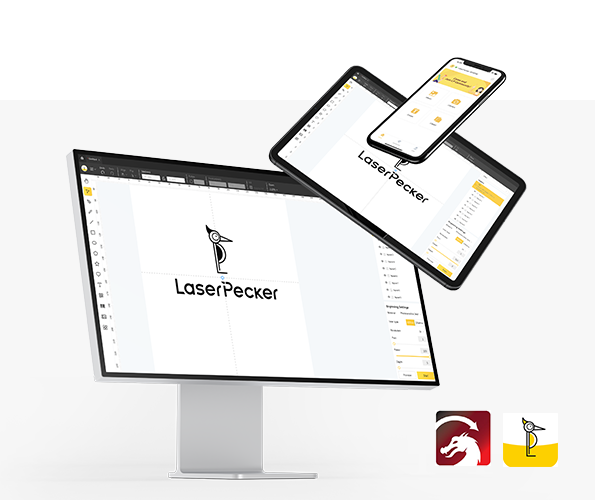
Procédure d’installation recommandée :
- Allumez la machine de gravure et connectez-la à votre ordinateur ou appareil mobile.
- Lancez LaserPecker Design Space.
- Importez le motif à graver.
- Positionnez le cadran de montre dans la zone de travail.
- Activez le mode Aperçu.
- Vérifiez l’échelle, la rotation et le positionnement.
- Réglez la mise au point pour obtenir une qualité de gravure optimale.
Une fois le positionnement confirmé, configurez les paramètres de gravure.
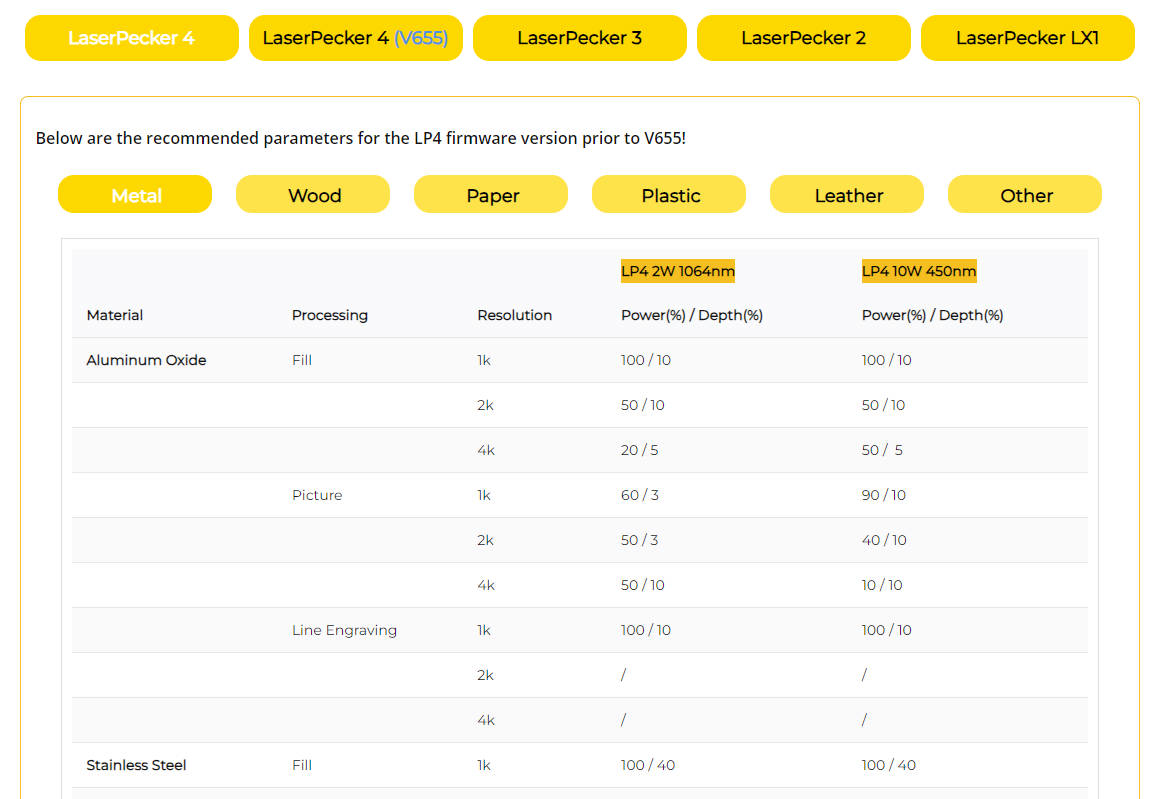
Paramètres de départ suggérés pour les cadrans de montre en métal revêtu :
- Source laser : laser à fibre de 2 W, 1064 nm
- Résolution : 2K
- Puissance : 60–100%
- Profondeur : 5–15%
- Passages : 1
Les caractéristiques des matériaux peuvent varier considérablement ; il est donc fortement recommandé d’effectuer un test sur un cadran d’essai avant de graver les pièces de production.

Pour protéger l’opérateur, portez des lunettes de protection laser ou utilisez une enceinte adaptée pendant toute la durée de la gravure.
Dans les ateliers européens en intérieur, la fumée et les émanations générées par les matériaux revêtus ou peints doivent être correctement gérées. L’association du LP5 avec le purificateur de fumée de bureau LaserPecker aide à filtrer les odeurs, les fumées et les particules en suspension, ce qui le rend plus adapté à une utilisation en intérieur et améliore le confort de l’atelier.
Pour obtenir d’autres recommandations de matériaux, consultez la page des paramètres de matériaux LaserPecker.
Étape 5 : Commencez à graver votre cadran de montre
Après avoir vérifié tous les réglages, commencez la gravure et surveillez la machine pendant toute l’opération.
Une fois la gravure terminée :
- Retirez soigneusement le cadran
- Nettoyez la poussière ou les débris
- Inspectez la qualité de la gravure
- Vérifiez l’alignement et le contraste
- Préparez le cadran pour le remontage
Une inspection finale de la qualité permet de s’assurer que la gravure répond aux normes professionnelles de l’horlogerie.
Partie 4 : Sécurité et conseils pour la gravure de cadrans de montre
La gravure laser des cadrans de montre exige précision et minutie, car les surfaces des cadrans sont souvent petites, très détaillées et recouvertes de finitions spécialisées. Le respect de procédures de sécurité et de techniques de gravure appropriées peut améliorer la régularité tout en protégeant le cadran et l’opérateur.
1. Effectuez un test avant de graver le cadran définitif
Avant de graver un cadran destiné à la production, effectuez un test sur un cadran de rechange ou un matériau comparable.
Les vérifications principales doivent inclure :
- Contraste de la gravure
- Qualité de la finition de surface
- Profondeur de gravure
- Effets de la chaleur sur les revêtements
- Visibilité globale du motif
Les tests permettent d’optimiser les paramètres avant de travailler sur des composants de montre précieux et contribuent à réduire les pertes de matériau.
2. Vérifiez soigneusement l’alignement
Les cadrans de montre comportant de nombreux éléments de précision, un positionnement exact est essentiel.
Avant la gravure :
- Identifiez l’orientation à 12 heures
- Vérifiez le positionnement du motif en utilisant le mode Aperçu
- Vérifiez l’espacement autour du trou central
- Vérifiez l’alignement du logo et des index
- Assurez-vous que le cadran est correctement fixé
De nombreuses erreurs de gravure surviennent lors de la configuration plutôt que pendant la gravure elle-même, ce qui fait de la vérification de l’alignement une étape importante du contrôle qualité.
3. Sélectionnez la source laser appropriée
Le choix de la technologie laser appropriée influence considérablement la qualité de la gravure.
Les options recommandées incluent :
- Lasers à fibre pour les cadrans de montre en acier inoxydable et en laiton
- Lasers infrarouges pour la gravure de métaux de haute précision
- Lasers à diode pour certains matériaux peints, revêtus ou anodisés
Adapter le type de laser au matériau du cadran permet d’obtenir une gravure plus nette et un meilleur contraste de surface.
4. Nettoyez correctement le cadran de la montre après la gravure
Une fois la gravure terminée :
- Retirez la poussière à l’aide d’une soufflette à air doux
- Essuyez la surface avec un chiffon en microfibre
- Portez des gants pour éviter les empreintes digitales
- Inspectez la gravure avant l’assemblage
Évitez les solvants agressifs et les produits de nettoyage abrasifs, en particulier lorsque vous travaillez sur des cadrans de montre revêtus ou peints.
FAQ : Questions fréquentes sur la gravure laser des cadrans de montre
Q1. La gravure laser convient-elle à la personnalisation de cadrans de montres de luxe ?
Oui. La gravure laser est largement utilisée pour les projets de montres d’inspiration luxueuse, car elle permet un marquage extrêmement précis sans contact direct avec la surface du cadran. Elle est idéale pour les logos personnalisés, les motifs décoratifs et les designs en édition limitée.
Q2. Quels matériaux peut-on graver au laser sur un cadran de montre ?
Les matériaux couramment utilisés pour les cadrans de montre comprennent l’acier inoxydable, le laiton, l’aluminium anodisé, les métaux revêtus et certaines surfaces peintes. Selon la technologie laser utilisée, les différents matériaux produisent des effets de gravure différents.
Q3. Ai-je besoin d’un laser à fibre pour graver un cadran de montre ?
Pour la plupart des cadrans de montre en métal, un laser à fibre offre les meilleurs résultats. Les lasers à fibre offrent une excellente précision, un contraste élevé et une bonne compatibilité avec les matériaux couramment utilisés en horlogerie.
Q4. La gravure laser peut-elle être utilisée pour une production de montres en petites séries ?
Absolument. Une fois les paramètres de gravure optimisés, la gravure laser permet une reproduction homogène sur plusieurs cadrans de montre, ce qui la rend adaptée aux micro-marques, aux horlogers indépendants et aux collections en édition limitée.
Q5. Comment éviter les erreurs d’alignement lors de la gravure d’un cadran de montre ?
Utilisez un gabarit de positionnement, vérifiez l’orientation à 12 heures et contrôlez le placement du motif avec le mode Aperçu avant la gravure. Un alignement précis est essentiel, car même de légères erreurs de positionnement peuvent être visibles sur un cadran de montre fini.
Q6. La gravure laser est-elle sûre dans les ateliers d’horlogerie en intérieur ?
Oui, à condition de respecter les mesures de sécurité appropriées. De nombreux fabricants européens utilisent le LaserPecker LP5 avec le boîtier de sécurité LaserPecker LP5, qui assure une protection laser de classe 1. Pour améliorer la qualité de l’air intérieur, le purificateur de fumée de bureau LaserPecker peut aider à filtrer les fumées et les odeurs générées pendant la gravure.
Conclusion
La gravure laser des cadrans de montre offre une méthode précise et fiable pour créer des pièces personnalisées, des modèles en édition limitée et des prototypes de montres professionnels. Des logos et chiffres détaillés aux textures décoratives raffinées, la gravure laser produit des marquages durables avec une précision exceptionnelle.
Pour les horlogers, les entreprises de joaillerie et les passionnés partout en Europe, la clé du succès réside dans l’utilisation d’une technologie laser appropriée, l’optimisation des paramètres de gravure et le bon alignement du cadran. Avec une préparation minutieuse et l’équipement adapté, il est possible d’obtenir des résultats de gravure de haute qualité qui rehaussent à la fois l’apparence et la valeur d’une montre.