




























La gravure de couteaux est l’un des moyens les plus efficaces de personnaliser une lame pour un usage quotidien, offrir un cadeau, promouvoir une marque ou constituer une collection. Aujourd’hui, les propriétaires de couteaux peuvent choisir parmi plusieurs techniques de gravure, telles que la gravure manuelle, la gravure chimique, l’usinage CNC et la gravure laser.
Bien que chaque méthode présente ses propres avantages, la gravure laser se distingue par sa précision, son efficacité et sa polyvalence. Elle permet de créer des marquages permanents, des œuvres détaillées, des numéros de série, des logos et des textes personnalisés sur l’acier inoxydable, les métaux revêtus, les manches en bois, les étuis en cuir et bien plus encore.
Ce guide présente les méthodes de gravure de couteaux les plus courantes, explique pourquoi la gravure laser est devenue une solution privilégiée en Europe et montre comment obtenir des résultats professionnels à l’aide d’un graveur laser moderne.

Dans cet article :
- Partie 1 : Comprendre la gravure laser de couteaux
- 1.1 Qu’est-ce que la gravure laser de couteaux ?
- 1.2 Comment fonctionne la gravure laser sur un couteau ?
- 1.3 Quel graveur laser choisir pour graver des couteaux ?
- 1.4 Consignes de sécurité avant de graver des couteaux
- Partie 2 : Pourquoi choisir la gravure laser pour les couteaux ?
- Étude de cas : Comment graver un couteau au laser en 5 étapes simples
- Partie 4 : Meilleures idées et applications de gravure de couteaux
- Partie 5 : FAQ sur la gravure laser de couteaux
Partie 1 : Comprendre la gravure laser de couteaux
1.1 Qu’est-ce que la gravure laser de couteaux ?
La gravure laser de couteaux est un procédé de marquage précis et permanent qui utilise la technologie laser pour personnaliser les lames et les manches de couteaux. Vous pouvez graver du texte, des logos, des œuvres, des numéros de série ou des motifs décoratifs directement sur une lame ou un manche, afin de créer des designs détaillés sans toucher physiquement au matériau.
Contrairement à la gravure manuelle ou à la gravure chimique, la gravure laser offre des résultats constants, une grande précision et une excellente répétabilité, ce qui la rend adaptée aussi bien à la personnalisation individuelle qu’à la production commerciale.
Les applications courantes comprennent :
Couteaux cadeaux personnalisés
Logos de marque et identification des produits
Personnalisation des couteaux tactiques et utilitaires
Étiquetage des couteaux de cuisine et professionnels
Marquage des équipements de chasse et de plein air
Œuvres décoratives et artistiques pour couteaux de collection

1.2 Comment fonctionne la gravure laser sur un couteau ?
La gravure laser utilise un faisceau d’énergie concentré pour modifier la surface d’un matériau. Lorsque le laser interagit avec le couteau, il retire ou modifie une fine couche de matériau afin de créer des marquages permanents.
Le résultat final varie selon le matériau du couteau :
| Matériau | Résultat de gravure typique |
| Acier inoxydable | Marquages noirs nets, détails fins ou effets de gravure en profondeur |
| Titane | Textures détaillées, marquages précis et effets de couleur uniques |
| Lames revêtues | Motifs à fort contraste créés par le retrait du revêtement de surface |
| Manches en bois | Effets naturels de brûlure au fort caractère visuel et motifs personnalisés |
| Étuis en cuir | Motifs décoratifs, noms personnalisés, logos et œuvres détaillées |
Comme il n’y a aucun contact physique entre le laser et le couteau, le procédé contribue à préserver la géométrie de la lame, la qualité du tranchant et la finition de surface.
Partout en Europe, la gravure laser est devenue de plus en plus populaire auprès des créateurs, des collectionneurs de couteaux, des amateurs d’activités de plein air et des petites entreprises à la recherche de solutions de personnalisation fiables.

1.3 Quel graveur laser convient le mieux à la gravure de couteaux ?
La plupart des couteaux modernes sont fabriqués à partir de métaux tels que l’acier inoxydable, l’acier au carbone, le titane et les alliages revêtus. Pour ces applications, la technologie laser à fibre offre la meilleure combinaison de rapidité, de précision et de durabilité.
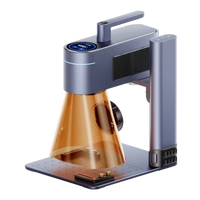
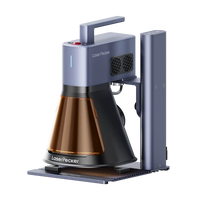
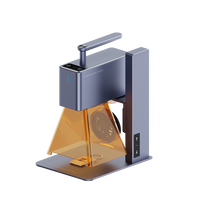
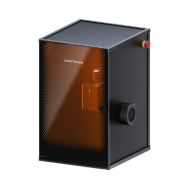
Pour les amateurs, les espaces de création et les petites entreprises partout en Europe, la LP5 et la LP4 sont des options populaires. Ces machines de gravure laser pour couteaux offrent des résultats de qualité professionnelle tout en restant portables et faciles à utiliser, ce qui les rend adaptées aux projets personnels comme à la personnalisation commerciale de couteaux.

1.4 Consignes de sécurité avant de graver des couteaux
Avant de commencer tout projet de gravure, suivez ces pratiques essentielles de sécurité :
- Portez une protection laser appropriée afin de réduire l’exposition à la lumière laser réfléchie.
- Fixez fermement le couteau pour éviter tout mouvement pendant la gravure.
- Assurez une ventilation adéquate lors de la gravure de métaux revêtus, de surfaces peintes ou de matériaux huilés.
- Évitez de graver près des tranchants afin de préserver la solidité de la lame et de garantir une manipulation sûre.
- Gardez les mains à distance lors de la préparation et du positionnement des lames affûtées.
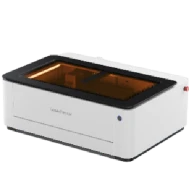
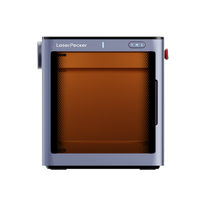
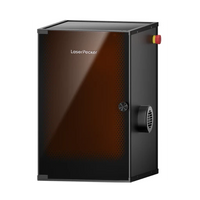
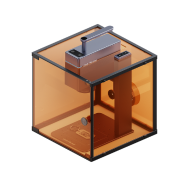
Pour plus de tranquillité d’esprit, de nombreux utilisateurs préfèrent les systèmes laser dotés de fonctions de sécurité avancées. Les machines laser de classe 1, comme la LP5 Safeguard, offrent une protection supplémentaire pour les ateliers intérieurs et les créateurs travaillant à domicile.
Partie 2 : Pourquoi choisir la gravure laser pour les couteaux ?
① Marquages permanents
Contrairement aux graphiques imprimés ou aux revêtements de surface, les motifs gravés au laser deviennent partie intégrante du matériau. Les noms, logos, numéros de série et illustrations restent visibles même après des années d’utilisation régulière.
La gravure laser est donc un excellent choix pour :
- Couteaux de port quotidien (EDC)
- Couteaux de cuisine et de chef
- Couteaux de chasse et de plein air
- Équipement tactique
- Cadeaux d’entreprise et produits personnalisés
② Précision exceptionnelle sur les petites surfaces
Les lames de couteau offrent souvent un espace limité pour la personnalisation. La technologie laser peut reproduire des détails complexes avec une remarquable netteté, même sur des surfaces compactes.
Les projets de gravure courants comprennent :
- Logos d’entreprise
- Numéros de série
- Signatures
- Monogrammes
- Illustrations détaillées
- Textes et citations personnalisés
Ce niveau de précision est difficile à atteindre de manière constante avec les méthodes de gravure manuelles.
③ Production rapide et efficace
Une fois le design préparé, la plupart des projets de gravure de couteaux peuvent être réalisés en quelques minutes.
Cette efficacité profite à :
- Amateurs créant des cadeaux personnalisés
- Petites entreprises réalisant des commandes personnalisées
- Fabricants de couteaux ajoutant une marque à leurs produits
- Détaillants proposant des services de gravure à la demande
④ Compatible avec une large gamme de matériaux
L’un des principaux avantages de la gravure laser est sa polyvalence.
Les machines de gravure laser modernes peuvent personnaliser :
- Couteaux en acier inoxydable
- Couteaux en acier au carbone
- Couteaux en titane
- Manches en aluminium anodisé
- Manches de couteaux en bois
- Étuis en cuir
- Lames tactiques revêtues
Étude de cas : comment graver un couteau au laser en 5 étapes simples
Liste de contrôle pour la gravure laser de couteaux
Avant de graver votre couteau, préparez :
Lame ou manche de couteau
Machine de gravure laser à fibre ou machine de gravure à double laser
Fichier de conception (logo, texte, illustration, signature, code QR ou numéro de série)
Les machines de gravure laser modernes peuvent personnaliser efficacement l’acier inoxydable, le titane, le bois, le cuir et les matériaux revêtus des couteaux, ce qui en fait une solution pratique pour les amateurs comme pour les professionnels.
Étape 1 : Préparer votre motif de gravure
Importez ou créez votre motif à l’aide de formats vectoriels tels que SVG, AI ou DXF pour obtenir la meilleure qualité de gravure.
Les applications courantes de la gravure de couteaux comprennent :
Noms personnalisés
Logos de marque
Symboles d’activités en plein air et tactiques
Illustrations décoratives
Numéros de série des produits
Emblèmes familiaux
Messages cadeaux
Étape 2 : Sélectionner une machine de gravure laser adaptée
Les différents matériaux des couteaux nécessitent des capacités laser différentes.
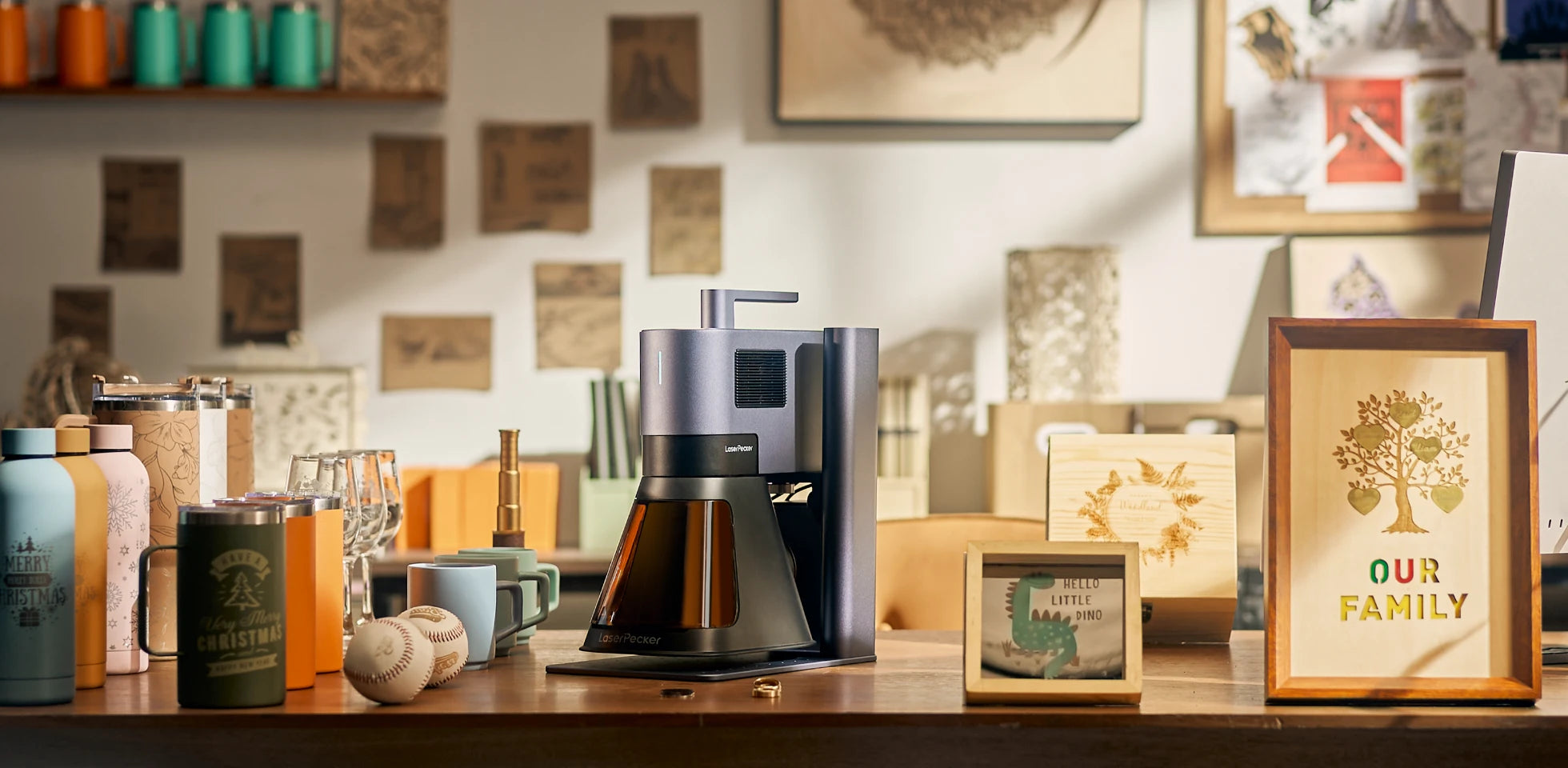
Pour les utilisateurs travaillant avec des lames métalliques, des manches en bois, des étuis en cuir et des composants revêtus, le LaserPecker LP5 offre une solution polyvalente tout-en-un.
-
Flexibilité à double laser
Le LP5 combine :
- Laser à fibre de 20 W pour la gravure des métaux
- Laser diode de 20 W pour le bois, le cuir et les matériaux revêtus
Cela permet aux créateurs de graver plusieurs composants d’un couteau à l’aide d’une seule machine.
-
Performances à grande vitesse
Avec des vitesses de gravure pouvant atteindre 10 000 mm/s, le LP5 peut produire efficacement des logos, des illustrations, des numéros de série et des motifs personnalisés. -
Précision pour les travaux détaillés
Son système galvo permet une gravure très précise sur les petites surfaces des couteaux, où les détails et la netteté sont essentiels. -
Conception portable
Son encombrement réduit convient aux créateurs européens, aux ateliers d’artisans, aux entreprises de personnalisation en ligne et aux environnements de production à petite échelle. -
Option de sécurité laser de classe 1
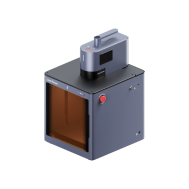
Associé au boîtier de sécurité LaserPecker LP5, le LP5 peut fonctionner comme un système de sécurité laser de classe 1, offrant un niveau de protection supplémentaire pour les espaces de travail intérieurs.
Étape 3 : Fixer et positionner le couteau
Positionnez soigneusement le couteau dans la zone de gravure et assurez-vous qu’il ne puisse pas bouger pendant le fonctionnement.
Pour les métaux polis ou réfléchissants, vérifiez le point focal avant de commencer le processus de gravure.
Étape 4 : Configurer les paramètres de gravure
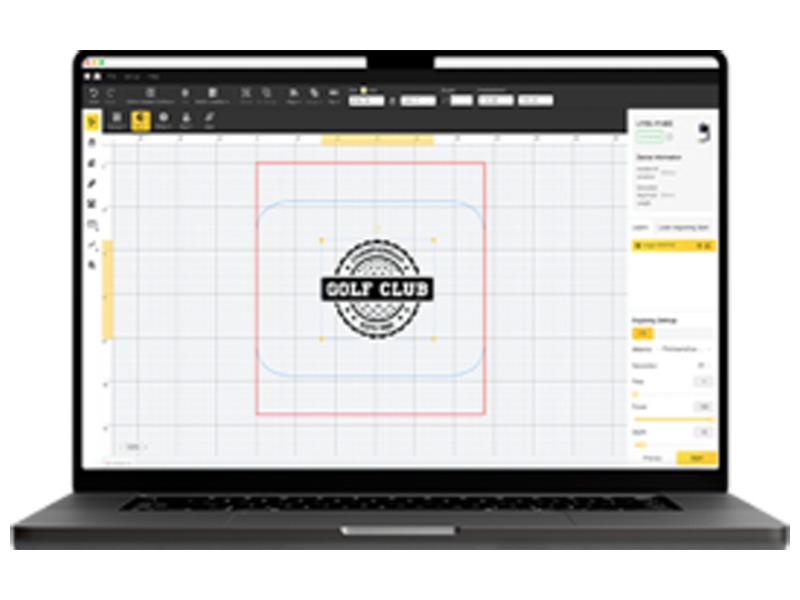
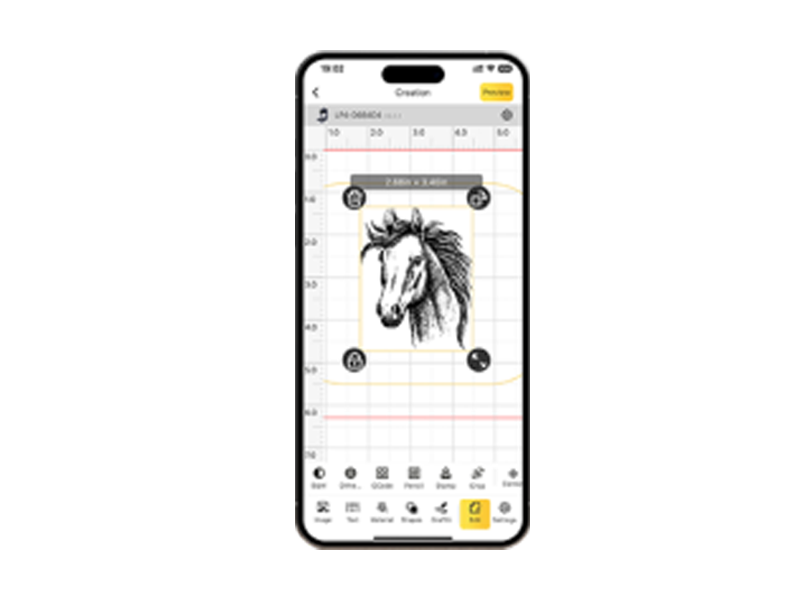
À l’aide du logiciel LaserPecker ou d’un logiciel de conception compatible :
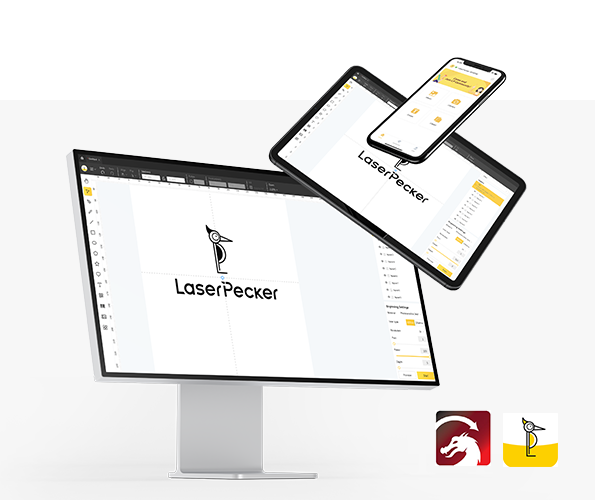
À l’aide du logiciel LaserPecker ou d’un logiciel de conception compatible :
Connectez la machine de gravure.
Importez votre fichier de conception.
Activez le mode Aperçu.
Ajustez le positionnement et l’orientation.
Configurez les paramètres de gravure.

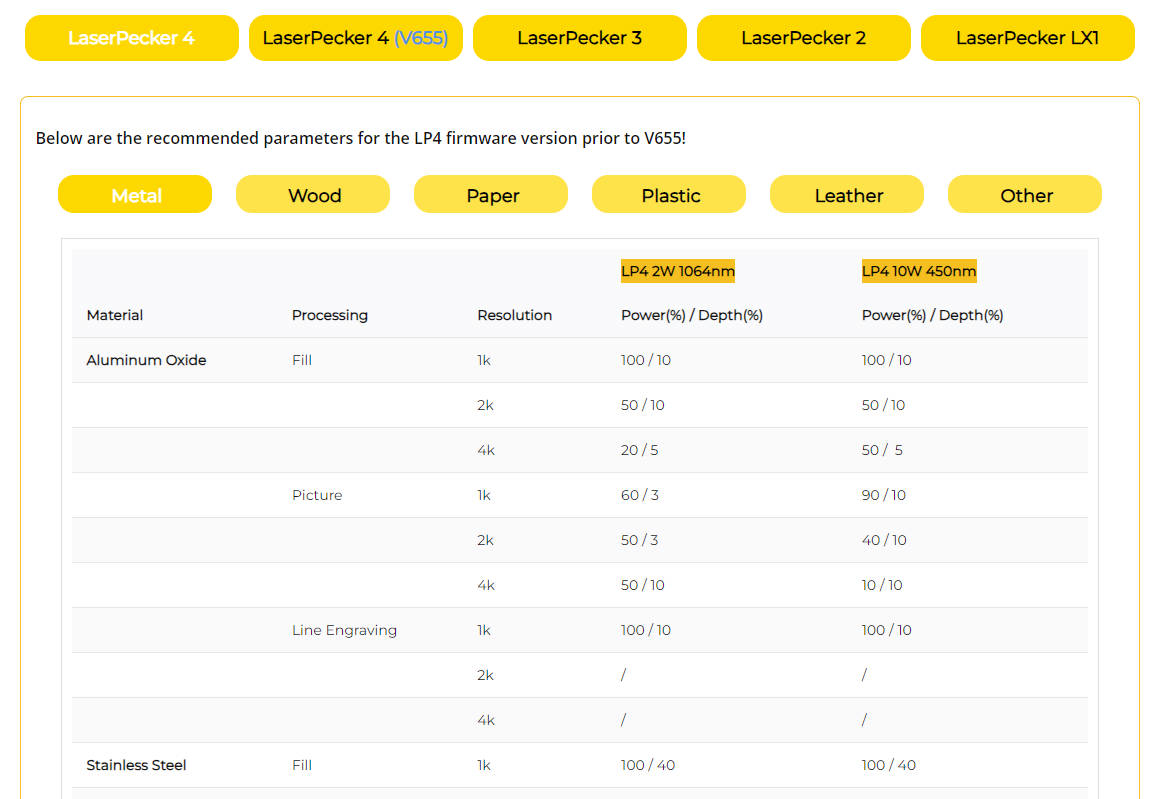
Une configuration typique en acier inoxydable comprend :
Laser à fibre 20 W, 1064 nm
Résolution 2K
100 % de puissance
15 % de profondeur
1 passage
Utilisez toujours une protection oculaire adaptée à la sécurité laser et veillez à maintenir une bonne ventilation.
Pour les projets de gravure en intérieur, l’association du LP5 avec le purificateur de fumée de bureau LaserPecker aide à filtrer les fumées, les odeurs et les particules en suspension générées pendant les processus de gravure et de découpe.
Étape 5 : Commencer la gravure de votre couteau
Vérifiez une dernière fois l’alignement et les réglages de la machine avant de commencer la gravure.
Une fois la gravure commencée, surveillez attentivement le processus. La plupart des gravures de couteaux se terminent en quelques minutes, selon la complexité du motif.
Après la gravure, essuyez délicatement la surface du couteau avec un chiffon doux en microfibre afin d’éliminer les résidus et de vérifier la qualité de la gravure.
Partie 4 : Meilleures idées et applications de gravure de couteaux & applications
Des cadeaux personnalisés au marquage professionnel des produits, la gravure laser offre une solution polyvalente pour personnaliser les couteaux à des fins personnelles ou commerciales.
Voici quelques-unes des applications de gravure de couteaux les plus populaires en Europe.
① Couteaux cadeaux personnalisés
Les couteaux gravés sont souvent choisis comme cadeaux symboliques, car ils associent fonctionnalité et valeur sentimentale.
Voici quelques idées de gravure populaires :
Noms et initiales
Dates importantes
Messages personnels
Blasons familiaux
Inscriptions commémoratives
Ces couteaux personnalisés sont souvent offerts à l’occasion de mariages, d’anniversaires et de célébrations importantes.
② Marquage des équipements de plein air et tactiques
De nombreuses marques de plein air et fabricants d’équipements tactiques utilisent la gravure laser pour ajouter des marquages d’identification permanents sur les couteaux.
Les applications courantes comprennent :
Logos d’entreprise
Numéros de série des produits
Marquages de sécurité
Codes de suivi
Symboles tactiques
La gravure laser contribue à garantir que ces marquages restent visibles, même après une utilisation intensive dans des environnements exigeants.
③ Identification des couteaux de cuisine et professionnels
Pour les chefs, les professionnels de la restauration et les écoles de cuisine, la gravure laser constitue un moyen efficace d’identifier et de personnaliser les couteaux de cuisine.
Les options de gravure courantes comprennent :
Noms professionnels
Image de marque des restaurants
Logos d’entreprise
Identification des employés
Œuvres personnalisées
Les gravures obtenues sont nettes, durables et d’aspect très professionnel.
④ Décoration de couteaux de collection et artisanaux
Les collectionneurs de couteaux et les artisans les utilisent souvent pour créer des motifs visuellement distinctifs.
Voici quelques exemples :
Motifs européens traditionnels
Œuvres d’art historiques
Illustrations inspirées de l’univers fantastique
Bordures décoratives
Textures de gravure détaillées
La technologie laser permet d’obtenir des détails exceptionnels tout en maintenant une grande régularité sur les motifs complexes.
⑤ Petites entreprises et production de couteaux personnalisés
La gravure laser est largement utilisée par :
Fabricants de couteaux artisanaux
Vendeurs en ligne
Entreprises de personnalisation
Ateliers locaux
Fournisseurs de produits promotionnels
La capacité à produire des gravures reproductibles et de haute qualité rend la technologie laser idéale aussi bien pour les commandes personnalisées que pour la production en petite série.
Pour les créateurs et les petites entreprises partout en Europe, les systèmes portables à double laser tels que le LP5 offrent une solution flexible pour graver les lames, les manches et les accessoires de couteaux tout en conservant des résultats de qualité professionnelle.
Partie 5 : FAQ sur la gravure laser de couteaux
1. Tous les types de couteaux peuvent-ils être gravés au laser ?
La plupart des couteaux peuvent être gravés au laser, notamment ceux en acier inoxydable, en acier au carbone, en titane, en aluminium anodisé, les lames revêtues, ainsi que les manches en bois et les étuis en cuir. Le meilleur type de laser dépend du matériau à graver.
2. Quel est le meilleur laser pour graver des couteaux ?
Les lasers à fibre sont généralement considérés comme la meilleure option pour graver les lames de couteaux en métal, car ils offrent une grande précision et une excellente qualité de marquage. Pour les utilisateurs travaillant à la fois sur des matériaux métalliques et non métalliques, les systèmes à double laser offrent une flexibilité accrue.
3. Les marquages gravés au laser sont-ils permanents ?
Oui. La gravure laser crée des marquages hautement résistants à la décoloration, au décollement et à l’usure. Elle convient donc aux couteaux fréquemment utilisés, aux équipements de plein air et aux produits de marque nécessitant une identification durable.
4. Puis-je graver des logos et des numéros de série sur des couteaux ?
Oui. La gravure laser est largement utilisée pour ajouter des logos, des numéros de série, des codes QR, des informations sur les produits et des motifs personnalisés. La grande précision de la technologie laser la rend idéale pour graver des informations détaillées sur des surfaces de lame limitées.
5. Ai-je besoin d’une ventilation pour graver des couteaux au laser ?
Une ventilation adéquate est recommandée, notamment lors de la gravure de lames revêtues, de surfaces peintes ou de matériaux susceptibles de produire des fumées. Pour les espaces de travail intérieurs, un système de purification des fumées peut aider à éliminer les odeurs, les particules en suspension et les sous-produits de la gravure.
6. La gravure laser convient-elle aux petites entreprises et aux créateurs ?
Oui. La gravure laser est largement utilisée par les couteliers artisans, les entreprises de cadeaux personnalisés, les vendeurs en ligne et les ateliers locaux partout en Europe. Comme les motifs peuvent être reproduits de manière cohérente et efficace, la gravure laser convient aussi bien aux commandes personnalisées qu’à la production en petites séries.
Conclusion
La gravure laser de couteaux offre une combinaison idéale de précision, de durabilité et de liberté créative pour personnaliser les lames, les manches et les accessoires. Comparée aux méthodes de gravure traditionnelles, elle permet une production plus rapide, davantage de détails et des résultats durables sur un large éventail de matériaux.
Que vous créiez des cadeaux personnalisés, marquiez des couteaux de cuisine professionnels, personnalisiez du matériel de plein air ou développiez une petite activité de gravure, la technologie laser rend le processus efficace et accessible. Avec l’équipement adapté, comme le LP5, et en appliquant les bonnes pratiques de sécurité, vous pouvez réaliser des gravures de couteaux de qualité professionnelle dans votre propre atelier.