




























La découpe laser de l’aluminium est largement utilisée dans la fabrication, le prototypage et la création sur mesure. Des projets pour débutants aux travaux de précision avancés, comprendre comment découper l’aluminium au laser élargit à la fois les capacités techniques et les possibilités de conception.
Ce guide propose une vue d’ensemble structurée, couvrant les concepts fondamentaux, la sélection des matériaux et les techniques pratiques. Il est conçu pour vous aider à découper l’aluminium avec précision et efficacité, tout en garantissant sécurité et régularité.

Dans cet article :
Partie 1 : Qu’est-ce que la découpe laser de l’aluminium ?
La découpe laser est un procédé de fabrication de précision qui utilise un faisceau lumineux focalisé pour découper les matériaux. Pour l’aluminium, cette méthode est couramment utilisée dans la signalétique, le prototypage et la fabrication sur mesure, car elle offre des résultats précis et nets
Par rapport à la découpe mécanique, la découpe laser réduit la déformation du matériau et améliore la qualité des bords, ce qui la rend adaptée aux designs détaillés.

Source : Projet de LaserPecker CraftZone
1.1 Comment fonctionne la découpe laser de l’aluminium ?
L’aluminium est réfléchissant et conduit efficacement la chaleur, ce qui le rend plus difficile à découper que les matériaux non métalliques. Lors de la découpe laser, le faisceau chauffe la surface de l’aluminium jusqu’à ce que le matériau fonde ou se vaporise.
Ce processus contrôlé produit des découpes précises avec une formation minimale de bavures. Cependant, la forte réflectivité — notamment à certaines longueurs d’onde — peut réduire l’efficacité.
Pour améliorer les performances de découpe :
Ces facteurs contribuent à obtenir des résultats homogènes.
1.2 Quelle puissance et quel type de laser conviennent le mieux pour découper l’aluminium ?
- Choisir le bon type de laser est essentiel pour travailler l’aluminium.
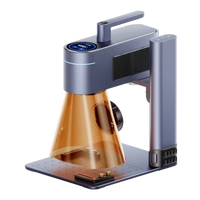
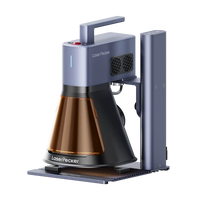
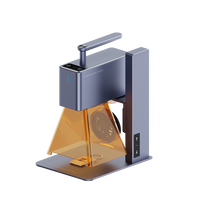
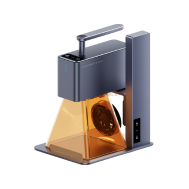
- Lasers à fibre (1064 nm) : Les lasers à fibre sont l’option la plus efficace pour découper l’aluminium. Ils offrent de bonnes performances sur les métaux réfléchissants et permettent des découpes rapides et précises. Des machines telles que la LaserPecker LP5 conviennent au traitement des métaux et aux ateliers compacts.
Partie 2 : Quels matériaux en aluminium conviennent à la découpe laser ?
Les résultats de la découpe laser varient selon l’épaisseur de l’aluminium, la composition de l’alliage et la finition de surface. Comprendre ces facteurs contribue à améliorer la qualité de découpe et à réduire les problèmes de traitement.
Épaisseur de la feuille
La puissance du laser doit être adaptée à l’épaisseur du matériau pour des performances optimales.
Feuilles fines (≤1 mm)
Les feuilles d’aluminium fines peuvent être découpées avec des lasers à fibre de puissance moyenne (20 W–100 W). Elles conviennent aux applications détaillées et légères.
Feuilles d’épaisseur moyenne (1–3 mm)
Les matériaux d’épaisseur moyenne nécessitent des lasers à fibre plus puissants (150 W–300 W). Ils sont couramment utilisés dans la fabrication et la production de boîtiers.
Feuilles épaisses (3 mm et plus)
L’aluminium plus épais nécessite des lasers à fibre de qualité industrielle (500 W et plus). La vitesse de découpe diminue à mesure que l’épaisseur augmente, et le gaz d’assistance devient plus important.
Directives générales :
- Une épaisseur plus importante nécessite davantage de puissance
- Une découpe plus lente améliore la qualité des bords
- Le gaz d’assistance contribue à réduire les scories
Types d’alliages (par ex. 6061, 5052)
Les différents alliages d’aluminium réagissent différemment au traitement laser.
Aluminium pur (série 1100)
Souple et facile à découper, mais très réfléchissant. Une puissance laser plus élevée ou des revêtements peuvent être nécessaires.
Aluminium 5052
Très adapté à la découpe laser. Offre des bords nets et est largement utilisé dans la fabrication.
Aluminium 6061
Plus rigide et légèrement plus difficile à découper proprement. Des lasers à fibre plus puissants sont recommandés. Des machines telles que le LaserPecker LP5 peuvent traiter efficacement des feuilles de 6061 plus fines.
Considérations relatives à la finition de surface
L’état de la surface influence l’interaction avec le laser.
Aluminium peint ou revêtu
Peut générer des fumées et nécessiter un post-traitement. Une ventilation est recommandée.
Surfaces polies ou réfléchissantes
Les surfaces réfléchissantes réduisent l’efficacité. Les finitions mates ou anodisées sont préférables.
Aluminium anodisé
Améliore l’absorption et la qualité de la découpe.
Des sprays de marquage adaptés au laser ou du ruban de masquage peuvent être utilisés pour réduire les reflets sur les surfaces polies.
Étude de cas : découper une carte de visite en aluminium avec un laser à fibre – 5 étapes clés
Les cartes de visite en aluminium offrent un exemple pratique de découpe laser de précision. Ce projet montre comment les lasers à fibre peuvent réaliser des gravures détaillées et des découpes précises adaptées à une image de marque professionnelle.
Éléments requis
- Matériau de gravure : carte de visite vierge en aluminium
- Machine de gravure : LaserPecker LP5
- Motif : texte, images et motifs de contour
Étape 1 : sélectionner le matériau en aluminium
Les cartes de visite vierges en aluminium fin sont recommandées pour ce projet. Elles nécessitent moins de puissance et offrent des résultats de découpe plus précis. L’aluminium anodisé améliore l’absorption et le contraste de la gravure.
Étape 2 : choisir la machine laser appropriée
Les lasers à fibre sont les mieux adaptés à la découpe de l’aluminium. Les machines telles que le LaserPecker LP5 prennent en charge le traitement de l’aluminium fin et offrent une découpe précise.
Étape 3 : préparer le motif
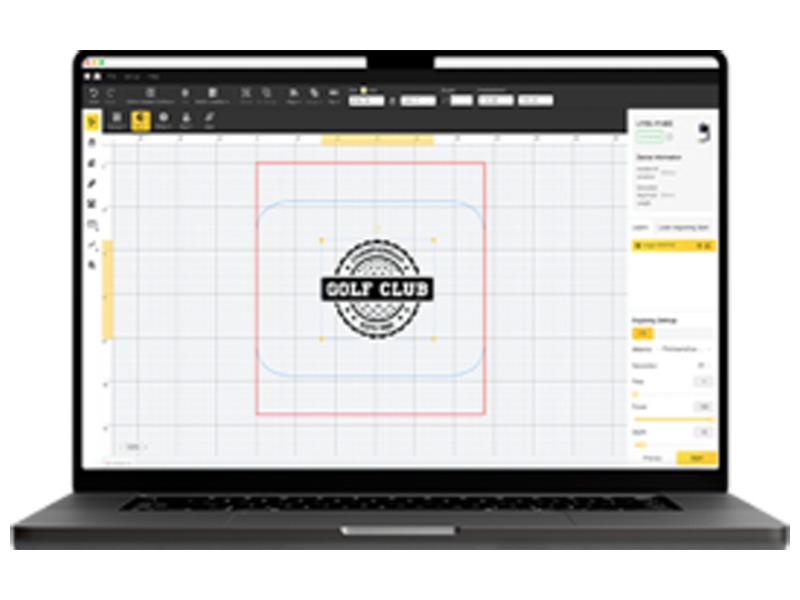
Créez ou importez le motif à l’aide d’un logiciel compatible. Définissez les zones de gravure et les contours de découpe.
Bonnes pratiques :
- Utiliser des contours vectoriels
- Éviter les détails très fins
- Maintenir un espacement suffisant
Étape 4 : configurer la machine de découpe laser de l’aluminium
Pour des performances optimales, les paramètres de matériau LaserPecker recommandés pour la découpe de l’aluminium sont les suivants :
- Laser : 20 W (1064 nm)
- Résolution : 2K
- Puissance : 100 %
- Profondeur : 100 %
- Passes : 3
- Fréquence du laser : 26
Ces paramètres de matériau LaserPecker servent de référence pour les cartes de visite en aluminium fin. De légers ajustements peuvent être nécessaires selon le type de matériau.
Pour trouver davantage de paramètres de matériau LaserPecker, consultez le tableau de configuration applicable à toutes les machines de gravure et de découpe LaserPecker, notamment LP1, LP2, LP3, LP4 et LP5.
Étape 5 : commencer la découpe
Après avoir vérifié l’alignement et la mise au point, lancez le processus de découpe. Le laser à fibre grave le motif, puis découpe le contour de la carte, produisant une carte de visite en aluminium propre et professionnelle.
FAQ : questions fréquentes sur la découpe laser de l’aluminium
1. L’aluminium peut-il être découpé avec une machine de gravure laser ?
Oui, l’aluminium peut être traité à l’aide de lasers à fibre. En raison de sa réflectivité, les lasers à fibre offrent de meilleures performances et des résultats de découpe plus nets.
2. Quelle épaisseur d’aluminium convient à la découpe laser de bureau ?
Les fines feuilles d’aluminium sont les plus adaptées. Les appareils tels que le LaserPecker LP5 sont optimisés pour la découpe et la gravure de précision de matériaux en aluminium fin.
3. Est-il sûr de découper l’aluminium au laser en intérieur ?
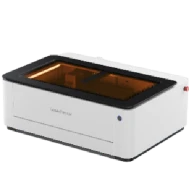
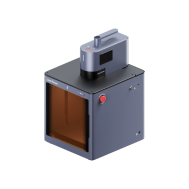
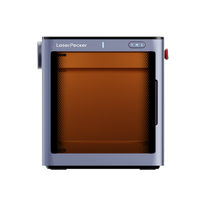
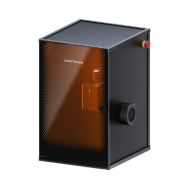
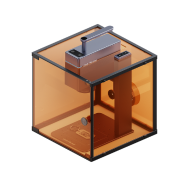
Oui, à condition de respecter les mesures de sécurité appropriées. Utilisé avec une Safety Enclosure, le LaserPecker LP5 peut atteindre la classe de sécurité laser 1, garantissant un environnement de fonctionnement entièrement confiné et contrôlé, adapté à une utilisation en intérieur.
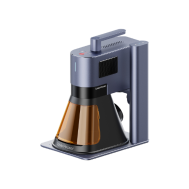
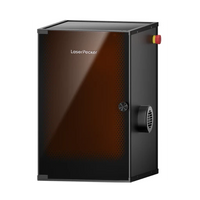
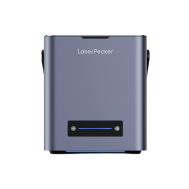
Pour une protection supplémentaire, le LaserPecker Desktop Air Purifier peut être utilisé pour filtrer les gaz et les odeurs générés pendant la découpe.
4. Ai-je besoin d’un purificateur d’air pour découper l’aluminium au laser ?
Bien que ce ne soit pas obligatoire, l’utilisation d’un purificateur d’air améliore la sécurité et le confort. Le LaserPecker Desktop Air Purifier aide à éliminer les fumées et à maintenir des conditions adaptées à une utilisation en intérieur.
5. Quel type de laser convient le mieux à l’aluminium ?
Les lasers à fibre constituent le choix le plus efficace grâce à la compatibilité de leur longueur d’onde avec les métaux réfléchissants. Ils offrent des vitesses de découpe plus élevées, des bords plus nets et une meilleure régularité.
Les lasers à fibre offrent les meilleurs résultats grâce à une meilleure absorption sur les surfaces métalliques réfléchissantes et à des performances de découpe plus constantes.
Oui. La découpe laser de l’aluminium est largement utilisée pour :
- Cartes métalliques
- Plaques d’identification
- Panneaux décoratifs
- Éléments de marquage personnalisés
Les systèmes laser à fibre compacts tels que le LaserPecker LP5 rendent la production à petite échelle pratique.
Conclusion
Le développement de compétences en découpe laser de l’aluminium nécessite une expérience pratique, une connaissance des matériaux et un équipement adapté. Comprendre les propriétés de l’aluminium et optimiser les paramètres du laser vous permet d’obtenir des résultats constants et de haute qualité.
En appliquant les méthodes présentées dans ce guide, vous pouvez réaliser des projets en aluminium précis et durables. Des appareils tels que le LaserPecker LP5 permettent une découpe précise du métal dans des espaces de travail compacts, tandis que la sécurité laser de classe 1 garantit un fonctionnement confiné et contrôlé pour une sécurité accrue.
Pour une utilisation en intérieur, associer votre installation au LaserPecker Desktop Air Purifier aide à éliminer les gaz et les odeurs produits lors de la gravure et de la découpe, rendant l’utilisation plus adaptée aux espaces clos.
Des projets de loisir à la production à petite échelle, la découpe laser de l’aluminium offre des applications flexibles. Avec la bonne approche, vous pouvez progresser en toute confiance du niveau débutant à des résultats de niveau professionnel.