


















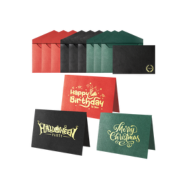









Les machines de gravure d’étiquettes sont couramment utilisées pour produire des plaques d’identification durables, des étiquettes industrielles, des numéros de série, des codes-barres et des marquages de marque sur des matériaux tels que le métal, le plastique, l’acrylique et le bois.
Selon l’application, les fabricants et les artisans peuvent choisir entre des machines de gravure par fraisage, des systèmes de marquage par micro-percussion ou des machines de gravure laser. Chaque technologie offre des avantages distincts en matière de qualité du marquage, d’efficacité de production, de durabilité et de polyvalence des matériaux.
Dans ce guide, nous comparerons les principaux types d’équipements de gravure d’étiquettes, examinerons leurs points forts et leurs faiblesses et expliquerons pourquoi la gravure laser devient de plus en plus l’option privilégiée des entreprises et des créateurs partout en Europe.

Dans ce guide :
- Partie 1 : À quoi servent les machines de gravure d’étiquettes
- Partie 2 : Matériaux courants pour la gravure d’étiquettes
- Partie 3 : 3 types de machines de gravure d’étiquettes
- Type 1 : Machines de gravure par fraisage pour la gravure d’étiquettes
- Type 2 : Machines de marquage par micro-percussion pour la gravure d’étiquettes
- Type 3 : Machines de gravure laser pour la gravure d’étiquettes
- Partie 4 : Pourquoi les machines de gravure laser sont le meilleur choix pour la fabrication d’étiquettes
- FAQ : Questions fréquentes sur les machines de gravure d’étiquettes
Partie 1 : À quoi servent les machines de gravure d’étiquettes ?
Les machines de gravure d’étiquettes servent à créer des marquages permanents sur des plaques d’identification, des étiquettes et des tags. Elles peuvent graver du texte, des chiffres, des logos, des codes-barres, des codes QR et des symboles qui facilitent l’identification des produits, la traçabilité, la conformité réglementaire et la reconnaissance de la marque.
Partout en Europe, ces machines sont couramment utilisées dans les environnements de fabrication, les établissements commerciaux et les petites entreprises de production qui ont besoin de solutions de marquage durables.
L’un des principaux avantages des étiquettes gravées est leur longévité. Contrairement aux solutions imprimées, les marquages gravés résistent mieux à l’abrasion, à l’humidité, à la chaleur, aux produits chimiques et à l’exposition extérieure. Selon le type de machine, les utilisateurs peuvent graver une large gamme de matériaux, notamment le métal, le plastique, l’acrylique, le bois, le cuir et les matériaux revêtus.
Les applications courantes comprennent :
- Étiquettes pour équipements industriels
- Étiquettes pour panneaux de commande électriques
- Étiquettes d’inventaire et plaques portant des numéros de série
- Plaques nominatives et badges d’identification
- Marquage de codes-barres et de codes QR
- Gravure de logos et d’éléments de marque personnalisés
- Signalétique de sécurité et d’avertissement
Chaque technologie de gravure offre des avantages différents selon le matériau, la profondeur du marquage et le volume de production requis.
Les machines de fraisage CNC conviennent aux matériaux robustes et aux panneaux de signalétique de grande taille, les systèmes de marquage par percussion produisent des marquages métalliques extrêmement durables, et les machines de gravure laser sont devenues un choix privilégié grâce à leur précision, leur efficacité et leur large compatibilité avec les matériaux.

Partie 2 : Matériaux courants pour la gravure d’étiquettes
Les machines de gravure d’étiquettes peuvent être utilisées avec une grande variété de matériaux, selon les exigences de marquage et les capacités de la machine.
Lors de la sélection d’un matériau, les utilisateurs doivent prendre en compte des facteurs tels que la durabilité, l’esthétique, la flexibilité et la résistance à l’humidité, à la chaleur, aux produits chimiques et à l’exposition extérieure.
Parmi les matériaux les plus couramment utilisés pour les étiquettes gravées figurent :
Métal
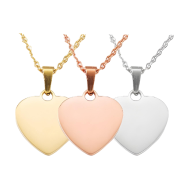
L’aluminium, l’acier inoxydable, le laiton et les métaux anodisés sont largement utilisés pour les plaques d’identification industrielles, les étiquettes de machines et les étiquettes d’actifs. Leur durabilité les rend idéaux pour les environnements exigeants où une lisibilité durable est essentielle.
Plastique
Les matériaux plastiques de gravure sont fréquemment utilisés pour les étiquettes d’identification électrique, les panneaux de commande, les panneaux de signalétique intérieure et les étiquettes de gestion des actifs. Ils sont légers, économiques et disponibles dans différentes couleurs et épaisseurs pour répondre à diverses applications.
Acrylique
L’acrylique est couramment choisi pour les plaques de marquage, les panneaux d’affichage, les étiquettes décoratives et les étiquettes d’identification personnalisées. Il offre des résultats de gravure précis ainsi qu’une finition soignée et professionnelle.
PLA
Le PLA est de plus en plus utilisé pour les étiquettes imprimées en 3D, les étiquettes personnalisées et la signalétique en petites séries. Il est facile à traiter, disponible dans une grande variété de couleurs et peut être gravé ou marqué sur des surfaces revêtues appropriées.
Bois
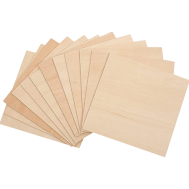
Le bois est un matériau prisé pour le marquage artisanal, l’emballage des produits, les étiquettes décoratives et les articles fabriqués à la main. La gravure laser produit des marquages détaillés tout en préservant le caractère et la texture naturels du matériau.
Cuir
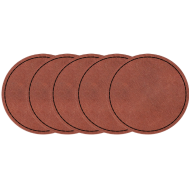
Les étiquettes en cuir sont souvent utilisées sur les articles de mode, les accessoires, les produits artisanaux et les solutions d’emballage haut de gamme. La gravure du cuir naturel ou synthétique apporte une apparence sophistiquée et personnalisée.
Le choix du matériau dépend de l’utilisation prévue de l’étiquette et de la méthode de gravure disponible. Parmi les différentes technologies, les machines de gravure laser se distinguent par leur capacité à traiter une grande variété de matériaux avec précision et efficacité, ce qui les rend adaptées aussi bien à la production industrielle qu’aux applications personnalisées partout en Europe.
Partie 3 : 3 types de machines de gravure d’étiquettes
Les machines de gravure d’étiquettes utilisent différentes technologies pour créer des marquages permanents, et le choix approprié dépend de facteurs tels que la compatibilité avec les matériaux, l’efficacité de la production, la qualité du marquage et les exigences opérationnelles.
Dans toute l’Europe, les machines de fraisage, les systèmes de marquage par micropercussion et les machines de gravure laser comptent parmi les solutions les plus utilisées pour l’identification industrielle et la production d’étiquettes personnalisées.
Type 1 : Machines de fraisage pour la gravure d’étiquettes
Les machines de fraisage utilisent des fraises rotatives pour graver du texte, des logos, des chiffres et des formes dans des matériaux tels que le plastique, le bois, l’acrylique et certains métaux. Elles sont couramment utilisées pour la signalétique, les plaques d’identification et les étiquettes gravées nécessitant une épaisseur de matériau plus importante.
Pilotées par des fichiers de conception numérique, les fraiseuses CNC produisent des résultats de gravure reproductibles et d’une profondeur constante. Elles sont bien adaptées aux applications structurelles, bien que la découpe mécanique puisse limiter l’efficacité et la capacité à reproduire les détails fins.
Avantages
- Large compatibilité avec les matériaux : Conviennent au plastique, au bois, à l’acrylique et à certains métaux.
- Efficaces sur les matériaux épais : Un choix pratique pour la signalétique durable et les étiquettes rigides.
- Contrôle fiable de la profondeur : Produit des résultats de gravure uniformes.
Inconvénients
- Vitesse de production réduite : Les conceptions complexes prennent souvent plus de temps à réaliser.
- Exigences d’entretien des outils : Les outils de coupe s’usent avec le temps et doivent être remplacés.
- Moins adaptées aux détails fins : Les petits textes et les graphiques complexes peuvent être difficiles à réaliser.
Type 2 : Machines de marquage par micropercussion pour la gravure d’étiquettes
Les systèmes de marquage par micropercussion créent des marquages en frappant à répétition la surface du matériau à l’aide d’une pointe métallique trempée. Le motif de points obtenu forme des caractères, des numéros de série, des codes-barres et des graphiques simples.
Cette technologie est particulièrement prisée pour les applications de traçabilité industrielle, car elle produit des marquages durables capables de résister à des environnements d’exploitation exigeants.
Avantages
- Particulièrement adaptées à l’identification des métaux : Couramment utilisées pour l’aluminium, l’acier et les plaques d’identification d’équipements industriels.
- Marquages permanents : Excellente résistance à l’usure et aux conditions environnementales.
- Fonctionnement économique : Aucune encre consommable ni aucun agent chimique n’est nécessaire.
Inconvénients
- Détails graphiques limités : Les éléments décoratifs et l’image de marque raffinée sont difficiles à reproduire.
- Niveaux sonores plus élevés : L’impact mécanique génère des vibrations et du bruit.
- Flexibilité de conception limitée : Mieux adaptées à l’identification qu’à la présentation visuelle.
Type 3 : Machines de gravure laser pour la gravure d’étiquettes
Les machines de gravure laser utilisent une énergie laser concentrée pour graver du texte, des logos, des numéros de série, des codes-barres, des codes QR et des graphiques avec une précision exceptionnelle. Elles sont largement utilisées pour les étiquettes industrielles, les plaques personnalisées, les étiquettes sur mesure et les applications décoratives.
Comme le processus est contrôlé numériquement et sans contact, la gravure laser offre des résultats précis, des bords nets et une excellente répétabilité. Selon le type de laser, les utilisateurs peuvent traiter des métaux, des plastiques, de l’acrylique, du bois, du cuir, des matériaux revêtus et de nombreux autres supports.
Dans toute l’Europe, les systèmes laser sont de plus en plus choisis par les fabricants et les créateurs qui recherchent une combinaison d’efficacité, de polyvalence et de résultats de haute qualité.
Avantages
- Précision exceptionnelle : idéale pour les graphiques détaillés, les logos et les codes lisibles par machine.
- Large compatibilité avec les matériaux : convient à une grande variété de matériaux pour étiquettes.
- Flux de production efficace : permet une personnalisation rapide et une fabrication répétitive.
- Prend en charge les applications industrielles et haut de gamme : combine fonctionnalité et attrait visuel.
- Usure mécanique minimale : aucun outil de coupe physique n’est utilisé.
Inconvénients
- Le choix du laser est important : différentes sources laser sont conçues pour différents matériaux et exigences de marquage.
Partie 4 : Pourquoi les machines de gravure laser sont les meilleures pour les étiquettes
| Type de machine | Précision | Vitesse | Méthode de contact | Matériaux les mieux adaptés | Capacité à réaliser des conceptions complexes | Durabilité du marquage | Coût d’installation |
|---|---|---|---|---|---|---|---|
| Machines de routage | Moyenne | Moyenne | Oui | Plastique, bois, acrylique, métal | Modérée | Élevée | Moyenne à élevée |
| Machines de marquage par percussion | Moyenne | Élevée | Oui | Métal | Limitée | Très élevée | Moyenne |
| Machines de gravure laser | Très élevée | Élevée | Non | Métal, plastique, acrylique, bois, cuir, PLA | Excellente | Élevée | Moyenne à élevée |
Lorsqu’on compare les différentes technologies de gravure d’étiquettes, les machines de gravure laser offrent le meilleur équilibre global entre précision, efficacité, flexibilité et polyvalence.
Bien que les machines de routage et les systèmes de marquage par percussion restent efficaces dans certains environnements industriels spécialisés, la technologie laser est de plus en plus privilégiée par les fabricants et les créateurs européens à la recherche d’une solution unique pour répondre à divers besoins de production.
Raison 1 : Haute précision et détails fins
La gravure laser produit des textes nets, des logos détaillés, des codes QR, des codes-barres et des graphiques avec une constance et une lisibilité exceptionnelles, même pour les conceptions complexes.
Raison 2 : Traitement sans contact
Comme la gravure laser ne repose pas sur un contact physique, elle réduit les contraintes mécaniques exercées sur les matériaux et élimine l’usure des outils, contribuant ainsi à une qualité de production stable.
Raison 3 : Modifications de conception et personnalisation efficaces
Les flux de travail numériques permettent aux utilisateurs d’ajuster rapidement les numéros de série, les mises en page, les éléments de marque et les données variables sans remplacer les outils physiques ni les moules, ce qui améliore l’efficacité opérationnelle.
Raison 4 : Adaptées aux applications industrielles et décoratives
Les machines de gravure laser permettent à la fois une identification industrielle durable et la production d’étiquettes décoratives haut de gamme, ce qui les rend adaptées à une grande variété de secteurs.
Raison 5 : compatibilité étendue avec les matériaux
Selon le type de laser, les utilisateurs peuvent graver :
- Métal
- Acrylique
- Plastique
- Bois
- Cuir
- PLA
- Matériaux revêtus
- Aluminium anodisé
Cette large compatibilité réduit le besoin de plusieurs machines spécialisées.
Raison 6 : besoins minimes en post-traitement
Les systèmes laser créent des marquages nets et précis qui nécessitent souvent peu de finition supplémentaire, ce qui contribue à rationaliser les flux de production.
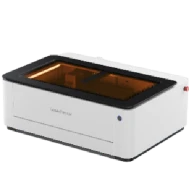
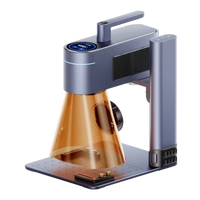
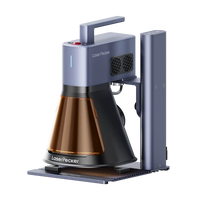
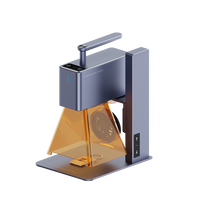
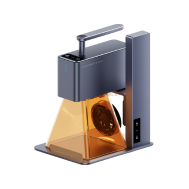
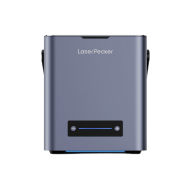
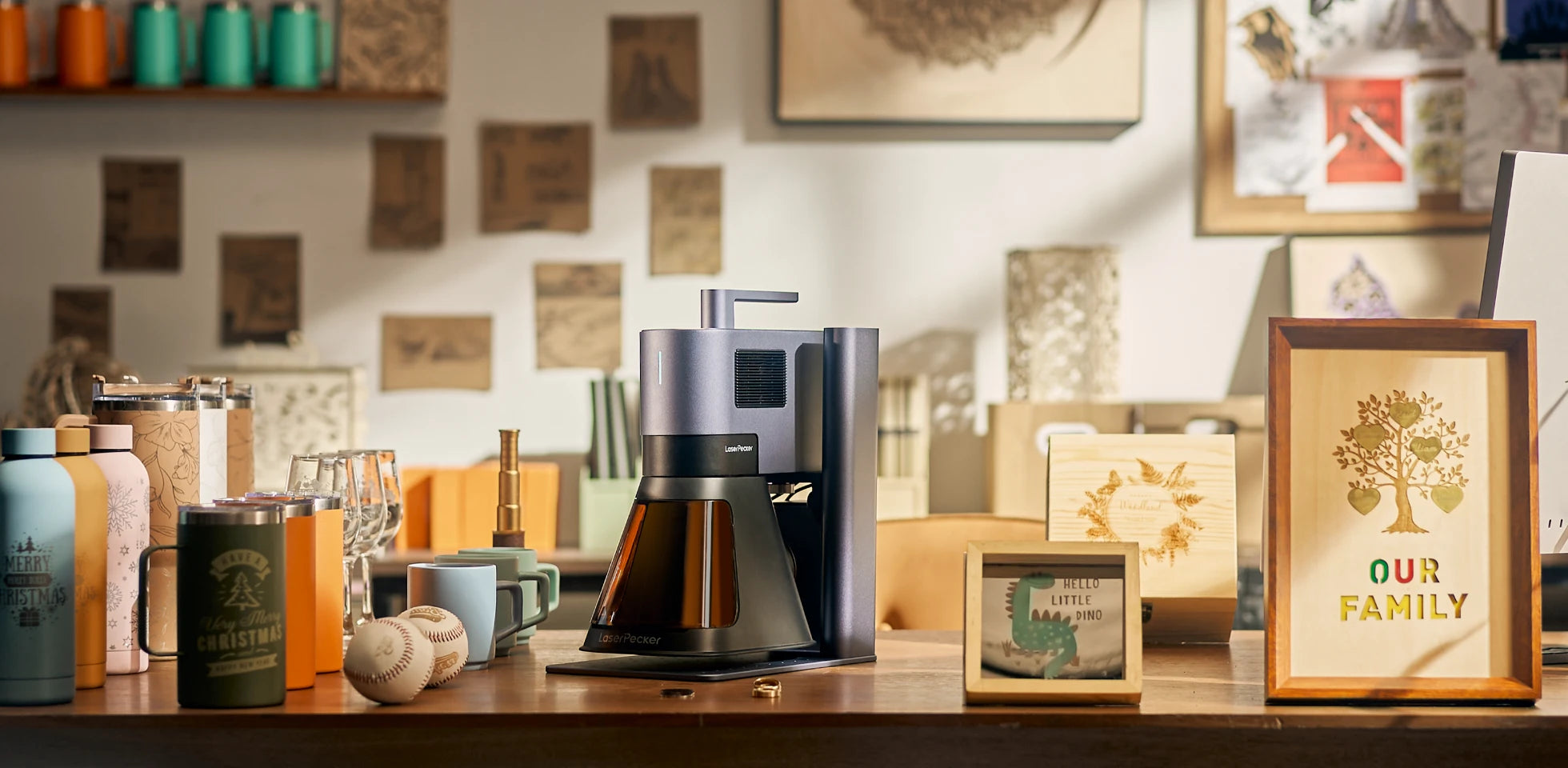
Machine de gravure laser recommandée pour les étiquettes : LaserPecker LP5
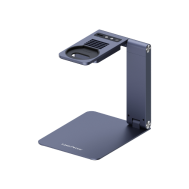
Pour les entreprises et les makers partout en Europe, le LaserPecker LP5 combine des capacités de niveau industriel avec l’encombrement réduit d’une machine de bureau. Il convient parfaitement aux étiquettes d’identification industrielle, aux étiquettes personnalisées, aux plaques de marque, aux codes QR, au marquage de numéros de série et à la production personnalisée en petites séries.
- Technologie laser double : intègre un laser à fibre de 20 W et un laser à diode de 20 W pour une plus grande flexibilité quant aux matériaux.
- Précision de marquage exceptionnelle : produit des graphiques détaillés, des codes lisibles par machine et une gravure de texte précise.
- Prend en charge diverses applications d’étiquetage : convient aussi bien à la traçabilité industrielle qu’au marquage décoratif.
- Flux de travail numérique efficace : permet une personnalisation rapide et une fabrication répétée sans changement d’outillage.
- Large compatibilité avec les matériaux : traite l’acier inoxydable, l’aluminium anodisé, les plastiques, l’acrylique, le bois, le cuir, le PLA et les matériaux revêtus.
- Format de bureau compact : adapté aux ateliers, aux fablabs, aux studios de design et aux petites unités de production.
Sécurité et utilisation en intérieur
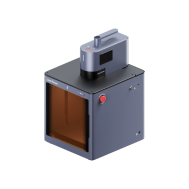
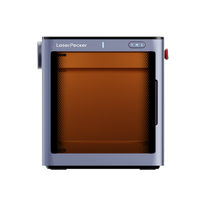
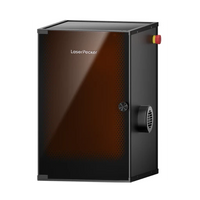
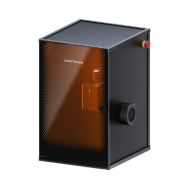
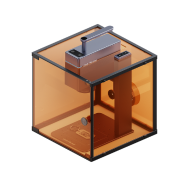
Pour les utilisateurs européens qui accordent une grande importance à la conformité sur le lieu de travail et à la protection des opérateurs, le LaserPecker LP5 peut être associé à l’enceinte de sécurité LaserPecker LP5 afin d’atteindre la sécurité laser de classe 1, offrant une sécurité renforcée lors de l’utilisation quotidienne.
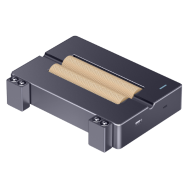
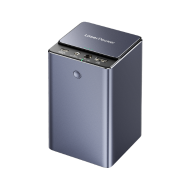
Le LP5 peut également être associé au purificateur de fumée de bureau LaserPecker afin de contribuer à filtrer les fumées et les odeurs générées pendant la gravure et la découpe. Cela favorise une utilisation en intérieur plus propre et contribue à un environnement de travail plus confortable.
FAQ : Questions fréquentes sur les machines de gravure d’étiquettes
Q1 : Pouvez-vous graver des étiquettes sur du plastique et du métal ?
Oui. Les machines de gravure laser et certains autres systèmes de marquage peuvent graver des matériaux en plastique et en métal. Parmi les exemples courants figurent l’acrylique, l’ABS, l’aluminium anodisé, l’acier inoxydable, le laiton et les métaux revêtus. Le type de laser et les réglages optimaux dépendent du matériau traité.
Q2 : Combien de temps prend la gravure d’une étiquette ?
La durée de production varie en fonction du matériau, des dimensions de l’étiquette et de la complexité du design. Le marquage de texte simple et de numéros de série peut prendre moins d’une minute, tandis que les graphiques complexes ou les codes QR peuvent nécessiter plusieurs minutes. Une fois le fichier numérique préparé, la production répétée est généralement rapide et efficace.
Q3 : Les machines de gravure nécessitent-elles un logiciel spécial ?
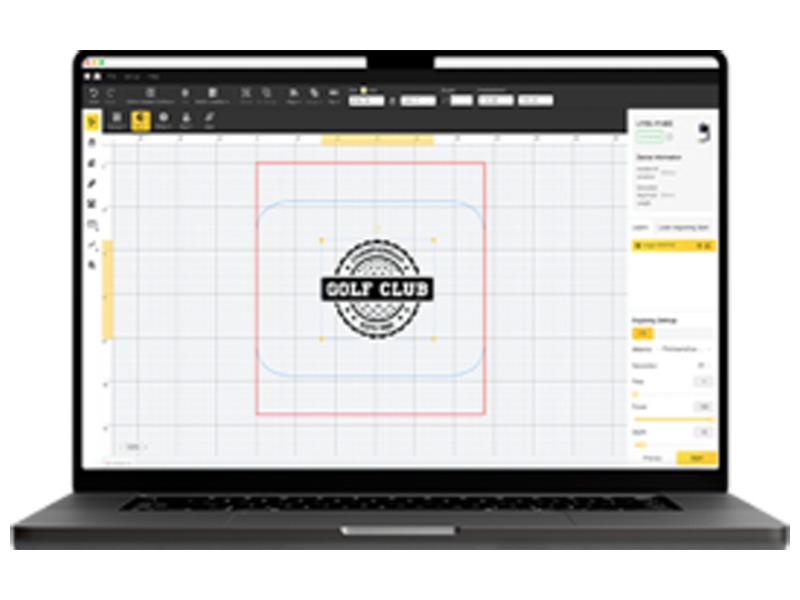
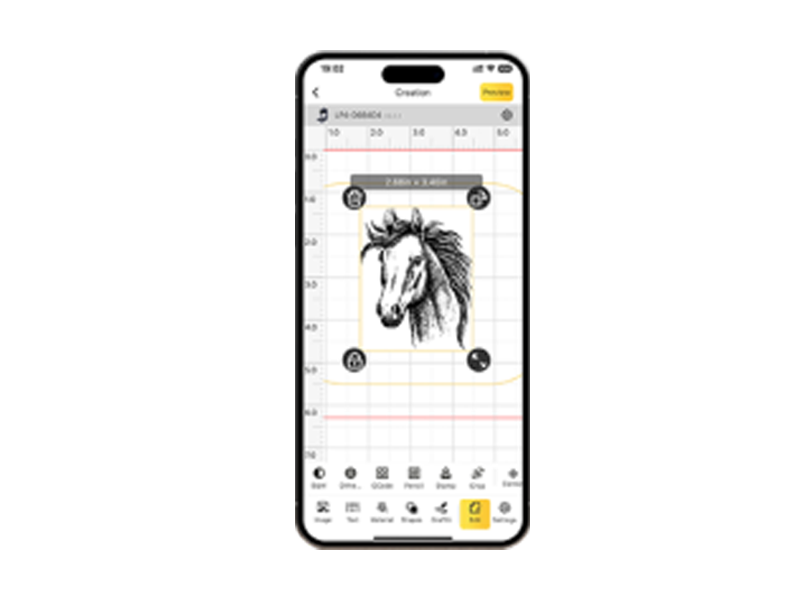
Oui. Les systèmes de gravure s’appuient sur des logiciels de conception pour créer et traiter les fichiers de marquage. La plupart prennent en charge des formats courants tels que SVG, DXF, AI et PNG. Un logiciel dédié est généralement inclus pour contrôler les paramètres de la machine et simplifier les flux de production.
Q4 : La gravure laser est-elle permanente ?
Oui. La gravure laser crée des marquages permanents en modifiant ou en retirant de la matière à la surface. Comparés aux étiquettes imprimées, les marquages gravés au laser résistent mieux à la décoloration, à l’abrasion et aux conditions environnementales, ce qui les rend adaptés à une utilisation industrielle à long terme.
Q5 : Quels matériaux d’étiquettes sont les plus adaptés à la gravure laser ?
Les machines de gravure laser sont compatibles avec une grande variété de matériaux, notamment l’aluminium anodisé, l’acier inoxydable, l’acrylique, les plastiques, le bois, le cuir, les métaux revêtus et le PLA. Cette polyvalence permet aux entreprises de produire à la fois des étiquettes d’identification industrielle et des produits personnalisés avec un seul système.
Q6 : Les machines de gravure laser conviennent-elles à la traçabilité industrielle ?
Oui. Les machines de gravure laser sont largement utilisées pour les applications de traçabilité industrielle partout en Europe. Elles peuvent marquer avec précision les numéros de série, les codes QR, les codes-barres, les informations de lot et les données d’identification nécessaires à la gestion des actifs, à la conformité et au suivi des produits.
Conclusion
La meilleure machine de gravure d’étiquettes dépend en définitive de vos exigences, des matériaux privilégiés et de votre flux de production. Bien que les machines de détourage et les marqueurs à micropercussion continuent de répondre à des besoins industriels spécialisés, les machines de gravure laser se distinguent par leur précision, leur efficacité et leur large compatibilité avec les matériaux.
Pour les entreprises et les créateurs de toute l’Europe à la recherche d’une solution polyvalente et prête pour l’avenir, le LaserPecker LP5 offre des performances fiables pour l’identification industrielle comme pour la production d’étiquettes personnalisées sur une grande variété de matériaux.