
















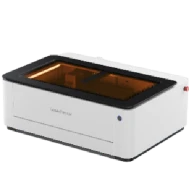





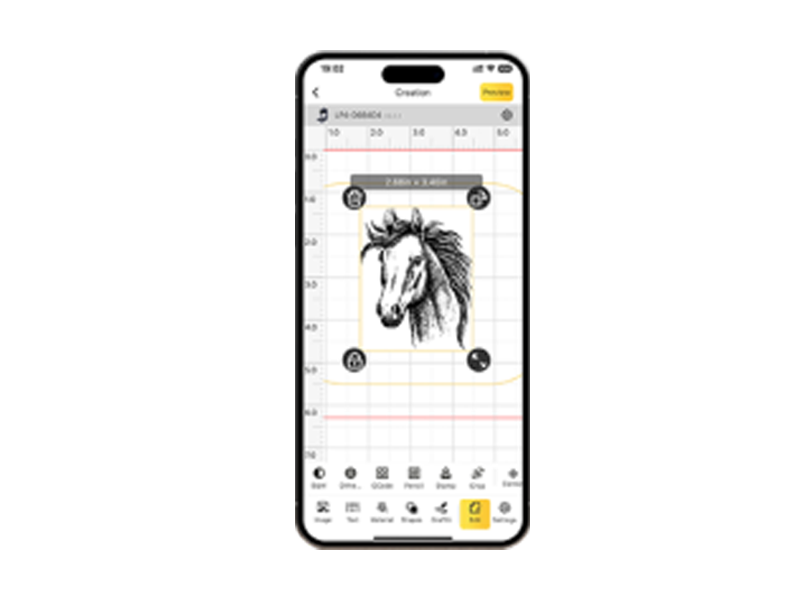



















Les machines de gravure sur brique servent à produire du texte permanent, des logos, des motifs décoratifs et des designs personnalisés sur des surfaces en brique. Partout En Europe, elles sont couramment utilisées pour les installations commémoratives, la reconnaissance des donateurs, les murs commémoratifs, la numérotation des maisons, la signalétique de jardin, la décoration architecturale, la décoration, et les projets de construction personnalisés.
Diverses machines peuvent être utilisées pour la gravure sur brique, chacune constituant une option offrant différents avantages en matière de précision et de profondeur de gravure. la profondeur, l’efficacité du flux de travail et le coût total.
Dans ce guide, nous examinons quatre méthodes populaires de gravure sur brique, comparons leurs avantages et leurs inconvénients, et expliquons pourquoi les machines de gravure laser telles que la LaserPecker LP5 sont de plus en plus choisies par les artisans, les ateliers et les petites entreprises pour une personnalisation précise des briques.

Dans cet article :
- Partie 1 : Qu’est-ce qu’une machine de gravure sur brique
- Partie 2 : 4 types de machines de gravure sur brique
- Type 1 : Outils rotatifs pour la gravure sur brique
- Type 2 : Machines CNC pour la gravure sur brique
- Type 3 : Machines de sablage pour la gravure sur brique
- Type 4 : Machines de gravure laser pour brique
- Partie 3 : Pourquoi les machines de gravure laser sont les meilleures pour la gravure sur brique
- FAQ : Questions fréquentes sur les machines de gravure sur brique
Partie 1 : Qu’est-ce qu’une machine de gravure sur brique ?
Une machine de gravure sur brique est un appareil conçu pour graver du texte, logos, des motifs décoratifs et des designs personnalisés sur des surfaces en brique. En créant des marquages permanents directement sur le matériau, elle permet d’apposer des une solution durable pour les projets décoratifs, commémoratifs et professionnels des applications dans toute l’Europe.
La gravure sur brique est largement utilisée pour les briques commémoratives, la reconnaissance des donateurs, les projets, la signalétique de jardin, la numérotation des maisons, l’aménagement paysager et la décoration architecturale. Contrairement aux revêtements de surface ou aux graphismes adhésifs, La gravure modifie définitivement la surface de la brique, ce qui permet au motif de résister aux conditions extérieures et à une exposition prolongée.

Les méthodes courantes de gravure sur brique comprennent les outils rotatifs, la gravure CNC, les machines, les équipements de sablage et les machines de gravure laser. Chaque Chaque technologie offre ses propres avantages en matière de précision et de profondeur de gravure, de la profondeur, de l’efficacité du flux de travail, des exigences de maintenance et du coût.
Pour les artisans et les petites entreprises à la recherche d’une personnalisation détaillée, la gravure laser La gravure est devenue une solution de plus en plus populaire grâce à sa précision et à sa facilité d’utilisation.
Partie 2 : 4 types de machines de gravure sur brique
Les différentes machines de gravure sur brique utilisent différentes technologies pour créer du texte, des logos, des motifs et des designs décoratifs sur des surfaces en brique. Le bon choix dépend du niveau de détail requis, de la production le volume, le budget et les exigences du projet.
Certaines machines conviennent mieux aux projets de bricolage occasionnels, tandis que certaines sont conçues pour les entreprises de gravure professionnelles, tandis que d’autres la production de briques, la décoration architecturale et les activités commerciales personnalisation. Voici quatre des méthodes de gravure de briques les plus courantes utilisées dans toute l’Europe, ainsi que leurs avantages et leurs limites.
Type 1 : Outils rotatifs pour la gravure de briques
Les outils rotatifs comptent parmi les moyens les plus simples et les plus accessibles de graver manuellement des briques. Ils utilisent une fraise rotative de gravure, de meulage ou de sculpture pour retirer de la matière de la surface de la brique et créer du texte, des chiffres ou des motifs décoratifs.
Pour graver une brique, le motif est généralement esquissé ou transféré sur la surface avant d’être repiqué à la main. Comme chaque ligne est commandé manuellement, la qualité finale de la gravure dépend fortement des compétences, de la patience et de la précision de l’opérateur.
Pour les créateurs et les amateurs de l’UE, les outils rotatifs peuvent constituer une option intéressante pour personnaliser des briques individuelles et réaliser de petits projets de bricolage. projets. Cependant, ils sont moins adaptés aux graphiques détaillés, la production commerciale ou les projets nécessitant des résultats très homogènes. résultats.
Avantages
- Idéal pour les projets de bricolage : convient aux noms simples, aux dates, aux numéros de maison et aux briques.
- Coût d’entrée abordable : largement disponibles et relativement peu coûteux pour les débutants.
- Portable et facile à utiliser : nécessite une préparation minimale par rapport aux équipements de gravure plus imposants.
Inconvénients
- Faible précision : Les détails fins, les logos et les petites inscriptions peuvent être difficiles à reproduire avec précision.
- Chronophage : La gravure manuelle peut être lente, en particulier sur des briques denses.
- Résultats irréguliers : La profondeur de gravure et la qualité des lignes varient souvent d’un projet à l’autre.
- Poussière et usure des outils : La brique est abrasive et peut user rapidement les fraises de gravure.
Type 2 : Machines CNC pour la gravure de briques
Les machines CNC utilisent des outils de coupe commandés par ordinateur pour graver des des surfaces avec une plus grande précision que les méthodes manuelles. Une fois qu’un fichier de conception une fois préparé, la machine suit automatiquement les des trajectoires d’outil pour graver du texte, des logos et des motifs dans la brique.
Ce flux de travail automatisé améliore la régularité et rend les machines CNC adaptées à la production répétée, aux enseignes personnalisées, aux briques commémoratives et projets de gravure architecturale.
Cependant, la brique est très abrasive, ce qui peut accélérer l’usure des outils et augmentent les besoins en maintenance. Les systèmes CNC nécessitent également davantage connaissances techniques, préparation des fichiers et espace d’atelier dédié par rapport à des solutions de gravure plus simples.
Avantages
- Précision accrue : produit une gravure plus nette et plus précise que les méthodes de sculpture manuelle.
- Bonne répétabilité : Idéal pour produire plusieurs briques gravées avec une qualité constante.
- Adapté à une production de moyenne série : Convient aux entreprises qui traitent des commandes répétées.
Inconvénients
- Usure des outils : Les fraises peuvent s’user rapidement lors de la gravure de la brique et des matériaux de maçonnerie.
- Installation plus complexe : Nécessite des connaissances en logiciels, l’étalonnage de la machine et une maintenance régulière.
- Espace de travail plus important requis : Les systèmes CNC sont généralement moins portables et nécessitent un atelier dédié environnements.
Type 3 : Machines de sablage pour la gravure sur brique
Les machines de sablage créent des gravures en projetant des des abrasifs sur des surfaces en brique exposées. Un pochoir personnalisé est d’abord appliqué, puis le processus de sablage retire les zones non protégées pour créer du texte, des logos et des motifs décoratifs.
Cette méthode est couramment utilisée pour les briques commémoratives, les murs de donateurs, des monuments, de la signalétique architecturale et des installations publiques, car peut produire des gravures profondes offrant une excellente visibilité à long terme.
Par rapport aux outils rotatifs et à la gravure CNC, le sablage est souvent privilégiée pour les projets de grande envergure nécessitant une gravure plus profonde des effets. Cependant, cette méthode implique un processus plus complexe et nécessite un équipement supplémentaire, notamment des compresseurs d’air, des abrasifs, des pochoirs et des équipements de protection individuelle.
Avantages
- Capacité de gravure en profondeur : Produit des marquages très visibles et durables.
- Excellente durabilité en extérieur : Convient aux environnements exposés et aux installations publiques.
- Efficace sur les matériaux durs : Fonctionne bien sur la brique, la pierre, le béton et les surfaces en maçonnerie.
Inconvénients
- Processus salissant : Produit de la poussière, des résidus abrasifs et nécessite un nettoyage supplémentaire.
- Équipement supplémentaire requis : Nécessite des compresseurs, des abrasifs de sablage, des pochoirs et des équipements de protection.
- Modifications de conception plus lentes : La fabrication de nouveaux pochoirs augmente le temps de préparation des projets personnalisés.
Type 4 : Machines de gravure laser pour briques
Laser machines de gravure utilisent des faisceaux laser focalisés pour graver du texte, des logos, des motifs et des designs personnalisés sur des surfaces en brique sans un contact physique. Au lieu d’utiliser des fraises ou des abrasifs, le laser modifie la surface grâce à une énergie thermique concentrée afin de créer marquages permanents.
La gravure laser est largement utilisée pour les briques personnalisées, les briques commémoratives projets, aménagements paysagers décoratifs, éléments architecturaux, éléments portant une marque installations et objets de décoration intérieure personnalisés. Comme le processus est piloté par digital design files, users can engrave text, vector graphics, logos, QR des codes et des illustrations détaillées avec un haut niveau de précision.
Par rapport aux méthodes de gravure traditionnelles, la gravure laser offre une flux de travail plus rapide et plus rationalisé. Les designs peuvent être modifiés numériquement et gravés directement sur la surface de la brique avec une préparation minimale, ce qui permet un les systèmes laser adaptés aussi bien à la personnalisation ponctuelle qu’à la production.
Avantages
- Haute précision : Produit des textes détaillés, des logos, des motifs décoratifs et des graphismes complexes.
- Procédé sans contact : Aucun outil physique ne touche la surface de la brique, ce qui réduit l’usure mécanique.
- Flux de travail numérique rapide : Permet de modifier rapidement les designs et de personnaliser efficacement les réalisations.
- Bonne répétabilité : Offre une qualité de gravure constante sur plusieurs projets.
- Fonctionnement plus propre : Produit moins de débris physiques que les méthodes de meulage ou de sablage.
Inconvénients
- Coût initial plus élevé : Les systèmes de gravure laser nécessitent généralement un investissement initial plus important que les outils manuels de base.
Partie 3 : Pourquoi les machines de gravure laser sont les meilleures pour graver des briques
| Type de machine | Précision | Vitesse | Matériaux adaptés | Capacité à réaliser des designs complexes | Durabilité de la gravure |
|---|---|---|---|---|---|
| Outils rotatifs | Faible à moyenne | Lente | Brique, pierre tendre | Limitée | Élevée |
| Machines CNC | Élevée | Moyenne | Brique, pierre, béton | Bonne | Très élevée |
| Machines de sablage | Moyenne | Élevée | Brique, pierre, béton | Modérée | Très élevée |
| Machines de gravure laser | Très élevée | Élevée | Brique, pierre, surfaces revêtues | Excellente | Élevée |
Parmi les différentes technologies de gravure de briques disponibles aujourd’hui, les machines de gravure laser offrent l’une des meilleures combinaisons de précision, la vitesse, la flexibilité de personnalisation et la facilité d’utilisation. Les outils rotatifs conviennent aux projets de bricolage occasionnels, mais peuvent être lents et exigent beaucoup de main-d’œuvre. Les systèmes CNC offrent une meilleure régularité, mais impliquent l’usure physique des outils, tandis que le sablage nécessite du matériel supplémentaire, les matériaux abrasifs et la préparation de pochoirs.
Raison 1 : Haute précision pour les designs détaillés
Les machines de gravure laser peuvent créer des inscriptions nettes, des logos détaillés, des œuvres décoratives et des graphismes personnalisés avec une précision exceptionnelle. Cette caractéristique est particulièrement précieuse pour les briques commémoratives, la reconnaissance des donateurs, projets, les aménagements paysagers personnalisés et les éléments décoratifs, pour les applications architecturales où le niveau de détail et la présentation sont important.
Raison 2 : Procédé de gravure sans contact
Comme le faisceau laser ne touche jamais physiquement le matériau, il n’y a aucune fraise de coupe ni aucun outil abrasif n’exerce de pression sur la brique surface. Cela réduit l’usure mécanique, minimise les vibrations et contribue à de maintenir une qualité de gravure constante sur différentes textures de briques et les finitions.
Raison 3 : Flux de travail numérique rapide et flexible
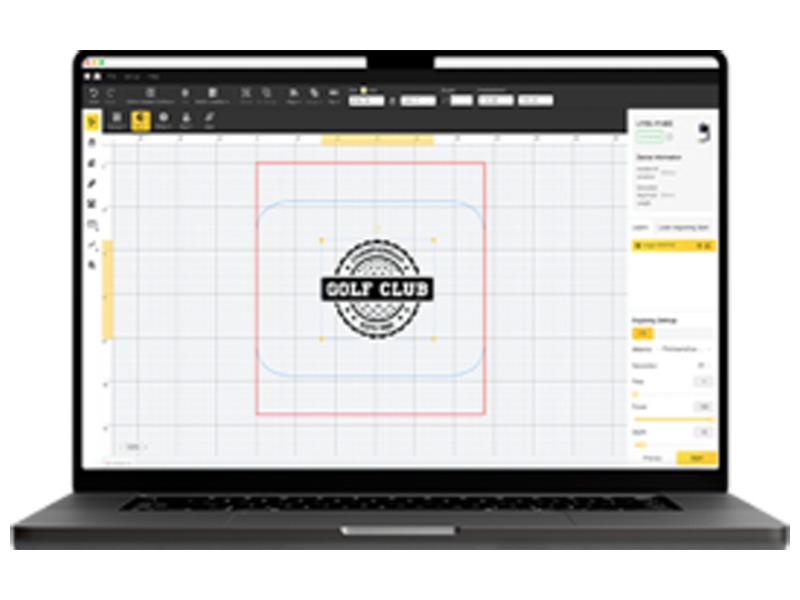
Les systèmes de gravure laser fonctionnent directement à partir de créations numériques, ce qui offre un permet de modifier facilement les noms, les dates, les séquences de numérotation, les logos ou les éléments personnalisés de designs sans produire de nouveaux pochoirs ni changer d’outils. Cela Cette flexibilité est idéale pour les projets personnalisés et les courtes séries fonctionnements.
Raison 4 : Excellente répétabilité
Une fois les paramètres de gravure configurés, les systèmes laser peuvent reproduire des designs identiques avec un haut niveau de régularité. C’est particulièrement utile pour les murs dédiés aux donateurs, les installations commémoratives, les projets de construction de marque et d’autres applications nécessitant plusieurs des briques gravées assorties.
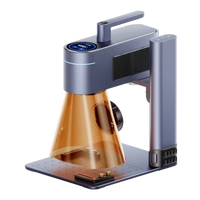
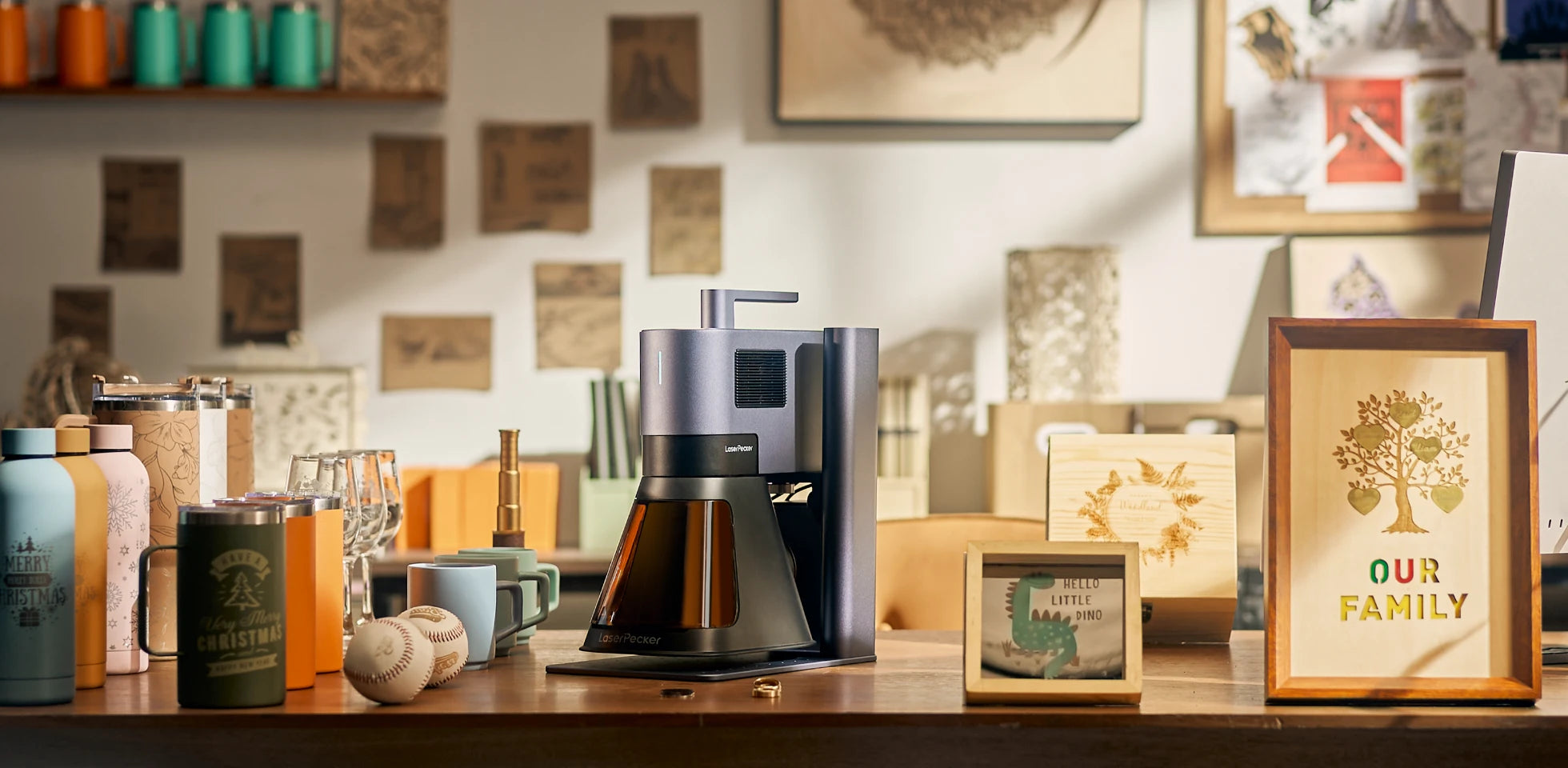
Machine de gravure laser recommandée pour les briques : LaserPecker LP5
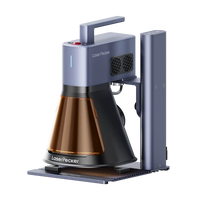
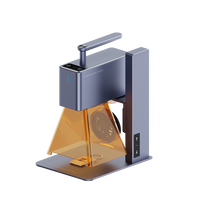
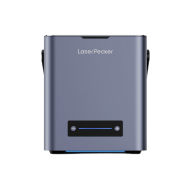
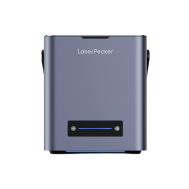
Pour les créateurs, les ateliers et les petites entreprises à travers l’Europe, la LaserPecker LP5 offre une solution pratique pour la gravure détaillée de briques et les projets de personnalisation plus larges. Son système à double laser associe un laser à fibre de 20 W et un laser à diode de 20 W, permettant aux utilisateurs de travailler sur la brique, la pierre, les surfaces de maçonnerie revêtues, le bois, le cuir, l’acrylique, les plastiques, les métaux et de nombreux autres matériaux avec une seule machine.
- Laser à fibre de 20 W pour le marquage de surface : convient à produisant des effets de gravure détaillés sur certaines briques, pierres et les matériaux de maçonnerie revêtus.
- Flexibilité à double laser : combine un laser à fibre de 20 W et un laser à diode de 20 W pour un plus large éventail d’applications de gravure.
- Gravure haute précision : idéale pour les textes commémoratifs, les numéros de maison, les logos, les motifs décoratifs et les designs personnalisés de briques projets.
- Flux de travail numérique rapide : modifiez et reproduisez rapidement les designs sans créer de gabarits physiques ni d’outillage.
- Conception de bureau compacte : s’intègre facilement dans les espaces domestiques, les ateliers, les studios professionnels, les environnements éducatifs et les petites les sites de production à travers l’Europe.
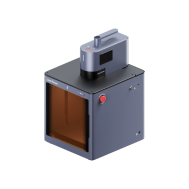
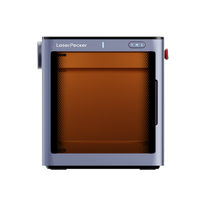
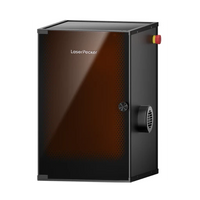
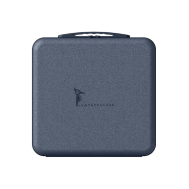
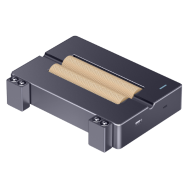
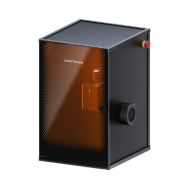
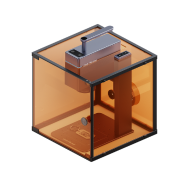
Pour les utilisateurs soucieux de la sécurité dans l’UE, la LaserPecker LP5 peut être paired with the LaserPecker LP5 Safety Enclosure to achieve Class 1 Laser Sécurité. Cette combinaison fournit une couche supplémentaire de la protection et convient particulièrement aux ateliers intérieurs, les environnements éducatifs et les espaces de travail professionnels où la sécurité les normes sont prioritaires.
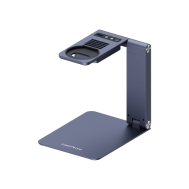
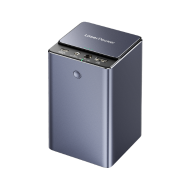
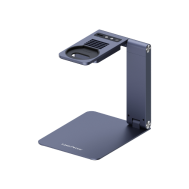
La LP5 peut également être utilisée avec le purificateur de fumée de bureau LaserPecker, qui contribue à filtrer les fumées, les particules fines et les odeurs indésirables générées pendant la gravure. Cela favorise un environnement de travail intérieur plus propre et s’avère particulièrement utile pour les utilisateurs travaillant dans des ateliers ou studios fermés à travers l’Europe.
FAQ : Questions fréquentes sur les machines de gravure de briques
Q1 : Quelle est la meilleure machine pour graver des briques ?
La machine idéale pour graver des briques dépend du type de projet, du le niveau de détail requis, ainsi que le volume de production. Les outils rotatifs sont adaptées aux projets de loisirs, les machines CNC offrent une grande précision, et le sablage est couramment utilisé pour la gravure profonde de la maçonnerie.
Pour de nombreux créateurs, ateliers et petites entreprises de l’UE, la gravure laser les machines offrent le meilleur équilibre entre précision, rapidité, flexibilité et la facilité d’utilisation.
Q2 : Peut-on graver des briques au laser ?
Oui. La gravure laser peut être utilisée sur de nombreuses surfaces en brique pour créer des marquages décoratifs, des logos, du texte et des motifs personnalisés. Les résultats varient selon le matériau, la couleur, la densité et l’état de surface de la brique. du traitement.
Différentes technologies laser peuvent produire des effets de gravure différents, c’est pourquoi il est recommandé d’effectuer des tests avant la production.
Q3 : La gravure sur brique est-elle permanente ?
Oui. Comme le motif est gravé directement dans la surface de la brique, elle est généralement considérée comme permanente.
Les briques correctement gravées résistent fortement aux intempéries, aux UV, l’exposition, à l’humidité et à l’usure quotidienne, ce qui les rend adaptées aux installations extérieures installations partout en Europe.
Q4 : Que peut-on graver sur une brique ?
Une machine de gravure sur brique peut servir à graver :
- Noms et dates
- Inscriptions commémoratives
- Numérotation des maisons
- Graphismes décoratifs
- Identité visuelle de l’entreprise
- Codes QR
- Œuvres d’art personnalisées
Ces applications sont courantes dans les projets commémoratifs, la décoration architecturale, l’aménagement paysager et la reconnaissance des donateurs programmes et cadeaux personnalisés.
Q5 : Les machines de gravure sur brique peuvent-elles être utilisées sur la pierre et le béton ?
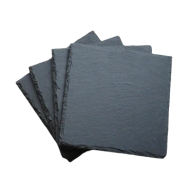
Oui. De nombreuses machines de gravure sur brique peuvent également travailler la pierre et le béton, l’ardoise et autres matériaux de maçonnerie. Les machines CNC et les systèmes de sablage et les machines de gravure laser sont particulièrement populaires pour les projets impliquant plusieurs matériaux de construction.
Q6 : Quelle est la meilleure méthode de gravure sur brique pour les petites entreprises ?
Pour les petites entreprises qui proposent des produits personnalisés, la gravure laser constitue souvent l’une des solutions les plus pratiques. Elle permet aux utilisateurs de personnaliser rapidement personnaliser des noms, des logos, des dates et des motifs sans créer de pochoirs ou de changer d’outillage.
Cette flexibilité rend la gravure laser particulièrement adaptée aux petites séries, les séries de production, les produits fabriqués sur commande et les projets de maçonnerie personnalisés. projets.
Conclusion
La meilleure machine de gravure sur brique dépendra de l’application, les exigences de production et l’effet de gravure souhaité. Les outils rotatifs constituent une option économique pour les projets de loisir, tandis que les machines CNC les machines offrent une précision constante, et le sablage convient particulièrement bien à la gravure profonde de la maçonnerie.
Pour les créateurs, les ateliers et les petites entreprises à la recherche d’une plus grande flexibilité et d’une personnalisation efficace, les machines de gravure laser offrent une solution moderne et pratique solution. Grâce à leur flux de travail numérique précis, à leurs résultats reproductibles et à leur la capacité à prendre en charge un large éventail de projets de gravure personnalisée, elles sont devenues un choix privilégié pour les applications de gravure sur brique partout en Europe.