








































Les médiators personnalisés sont largement utilisés par les musiciens, les créateurs DIY et les petites entreprises qui souhaitent créer des designs personnalisés et une expérience de jeu plus unique. Aujourd’hui, les fabricants de l’UE peuvent choisir parmi diverses méthodes de fabrication de médiators, notamment les emporte-pièces, les machines de découpe laser, les moules en résine, les imprimantes 3D et les techniques de découpe manuelle.
Les différents fabricants de médiators offrent des avantages variés en matière de précision, de flexibilité de personnalisation, d’efficacité de production et de matériaux compatibles.
Ce guide compare cinq outils populaires pour fabriquer des médiators, présente leurs avantages et leurs limites, et explique pourquoi les machines de découpe laser sont souvent privilégiées pour produire des médiators personnalisés professionnels.

Dans cet article :
- Partie 1 : Qu’est-ce qu’un fabricant de médiators ?
- Partie 2 : 5 types de fabricants et d’outils pour médiators
- Type 1 : Emporte-pièce pour médiators
- Type 2 : Découpeur laser pour médiators
- Type 3 : Moule en résine pour médiators
- Type 4 : Imprimante 3D pour médiators
- Type 5 : Ciseaux pour médiators
- Partie 3 : Pourquoi les machines de découpe laser sont idéales pour fabriquer des médiators
- FAQ : Questions fréquentes sur les fabricants de médiators
Partie 1 : Qu’est-ce qu’un fabricant de médiators ?
Un fabricant de médiators est tout outil, machine ou méthode de production conçu pour créer des médiators personnalisés. Ces outils aident les musiciens, les créateurs DIY et les petites entreprises à fabriquer des médiators de différentes formes, tailles, matières et designs, adaptés à leurs préférences de jeu ou à leur identité de marque.
Les méthodes traditionnelles de fabrication de médiators comprennent des outils simples tels que les emporte-pièces et les ciseaux, tandis que les technologies plus récentes incluent les machines de découpe laser et les imprimantes 3D. Selon la méthode choisie, les médiators peuvent être fabriqués à partir de matériaux tels que des feuilles de plastique, de l’acrylique, du bois, du cuir, de la résine et du métal.
Pour les fabricants de l’UE qui créent des médiators pour des projets personnels, des loisirs créatifs ou de petites entreprises, choisir le bon fabricant de médiators peut améliorer la précision, la vitesse de production, les possibilités de conception et la qualité finale de chaque médiator.

Matériaux couramment utilisés pour fabriquer des médiators
Les médiators sont disponibles dans de nombreux matériaux différents, chacun offrant des avantages uniques en matière de flexibilité, de durabilité, de sensation de jeu et de caractéristiques sonores. Le bon matériau peut influencer à la fois le confort et la sonorité.
- Plastique : Un matériau largement utilisé pour les médiators, car il est abordable, flexible et facile à façonner.
- Acrylique : Un matériau très apprécié pour les médiators découpés au laser, car il offre une surface lisse, des couleurs éclatantes et des résultats de gravure détaillés.
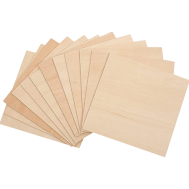
- Bois : Les médiators en bois offrent un aspect naturel et une texture distinctive, ce qui les rend idéaux pour les designs personnalisés et les projets créatifs.
- Cuir : Les médiators en cuir sont plus souples et plus flexibles, produisant un son plus chaleureux que certains guitaristes acoustiques apprécient.
- Résine : La résine permet aux créateurs de fabriquer des médiators uniques avec des éléments décoratifs, des couleurs mélangées et des motifs personnalisés.
- Métal : Les médiators en métal sont extrêmement durables et produisent un son plus vif et plus brillant, bien qu’ils puissent sembler moins légers que ceux fabriqués dans d’autres matériaux.
Pour les utilisateurs de l’UE qui s’intéressent à la découpe laser, l’acrylique, le bois, le cuir et certains plastiques sont des choix courants, car ils permettent une découpe précise et une gravure détaillée pour des designs personnalisés.
Partie 2 : 5 types de fabricants et d’outils pour médiators
Il existe différentes méthodes pour créer des médiators personnalisés, allant des simples outils DIY aux machines numériques avancées. Les différents fabricants de médiators offrent des avantages variés en matière de coût, de précision, de flexibilité de conception, d’efficacité de production et de compatibilité avec les matériaux.
Voici cinq outils couramment utilisés pour fabriquer des médiators, choisis par des musiciens, des créateurs et de petites entreprises dans toute l’UE.
Type 1 : Emporte-pièce pour médiators
Un emporte-pièce pour médiators est une solution simple et économique pour fabriquer des médiators personnalisés à la maison. À l’instar d’une perforatrice à papier, cet outil manuel permet de découper des formes de médiators dans de fines feuilles de plastique ou des matériaux recyclés tels que de vieilles cartes, des cartes-cadeaux, des cartes-clés d’hôtel ou des emballages en plastique.
Cette méthode est populaire auprès des débutants, car elle ne nécessite ni électricité, ni logiciel, ni compétences spécialisées. Il suffit d’insérer le matériau dans l’emporte-pièce, d’exercer une pression et d’obtenir une forme de médiator basique en quelques secondes.
Avantages
- Facile à utiliser : Ne nécessite ni logiciel, ni électricité, ni expérience préalable.
- Abordable pour les débutants : Un choix pratique pour les utilisateurs qui souhaitent découvrir la création de médiators DIY.
Limites
- Compatibilité limitée avec les matériaux : Convient principalement aux matériaux fins et flexibles.
- Options de conception limitées : La plupart des emporte-pièces ne créent que des formes de médiators standard.
- Pas de gravure directe : Il n’est pas facile d’ajouter des logos, des illustrations, des noms ou des détails décoratifs personnalisés.
- Précision moindre : La forme finale et la qualité des bords peuvent être moins constantes qu’avec des médiators découpés au laser.
Type 2 : Découpeuse laser pour médiators
Les découpeuses laser font partie des outils les plus avancés pour produire des médiators personnalisés. Au lieu de s’appuyer sur des lames de découpe physiques, les machines de découpe laser utilisent un faisceau laser focalisé pour découper et graver des matériaux avec une grande précision, notamment l’acrylique, le bois, le cuir, le plastique et certains métaux fins.
Le principal avantage de la découpe laser réside dans l’association de la précision et de la liberté créative. Les utilisateurs peuvent concevoir des formes de médiators personnalisées, graver des logos, ajouter des signatures ou créer des motifs détaillés tout en conservant des bords nets et une qualité constante.
Pour les créateurs de l’UE, les machines de découpe laser constituent une excellente option pour fabriquer des médiators de guitare personnalisés destinés à des projets musicaux, des produits faits main, des articles dérivés de groupes ou des petites entreprises.
Avantages
- Grande précision : Crée des formes exactes et des bords lisses avec une grande régularité.
- Personnalisation exceptionnelle : Permet de graver avec précision des logos, des illustrations, des noms et des designs uniques.
- Options de matériaux flexibles : Compatible avec l’acrylique, le bois, le cuir, le plastique et d’autres matériaux appropriés.
- Production rapide : Facilite la fabrication efficace de plusieurs médiators de guitare personnalisés.
- Finition professionnelle : Offre des résultats nets adaptés aux produits créatifs et à un usage commercial.
Limites
- Considérations relatives à la sécurité des matériaux : Certains matériaux peuvent dégager de la fumée ou des vapeurs lors de leur traitement.
- Exigences en matière de ventilation : Une bonne ventilation ou une purification de l’air peut être nécessaire pour maintenir un espace de travail confortable.
Type 3 : moule en résine pour médiators de guitare
Les moules en résine constituent une méthode créative et flexible pour fabriquer des médiators de guitare personnalisés, notamment pour les utilisateurs qui s’intéressent aux loisirs créatifs et aux designs uniques. Ce processus consiste à verser de la résine liquide dans des moules en silicone pour médiators de guitare, puis à la laisser durcir pour obtenir des médiators finis.
L’un des principaux avantages de la fabrication de médiators en résine est la possibilité de créer des styles visuels très personnalisés. Les utilisateurs peuvent ajouter des pigments, des paillettes, des fleurs séchées, des feuilles métalliques ou des éléments décoratifs à la résine afin de produire des médiators de guitare distinctifs, aux motifs et finitions uniques.
Pour les amateurs et créateurs de l’UE, les moules en résine offrent une approche artistique pour fabriquer des médiators de guitare personnalisés tout en expérimentant différentes couleurs, matières et idées de design.
Avantages
- Personnalisation poussée : Permet des créations originales avec des couleurs, des paillettes, des éléments décoratifs et des motifs uniques.
- Style artisanal unique : Permet de créer des médiators de guitare aux textures individuelles et aux finitions artistiques.
Limites
- Processus de production plus long : La résine doit durcir avant que le médiator puisse être utilisé.
- Travail de finition supplémentaire : Les bords peuvent nécessiter un ponçage et un polissage pour obtenir un résultat plus lisse.
- Résultats moins uniformes : Les pièces faites main peuvent varier en épaisseur, en forme et en finition générale.
- Nécessite une manipulation minutieuse : La préparation et le durcissement de la résine exigent un espace de travail adapté et une bonne ventilation.
Pour les créateurs de l’UE qui aiment les projets faits main, les moules en résine constituent une option ludique pour fabriquer des médiators de guitare personnalisés aux effets visuels créatifs.
Type 4 : imprimante 3D pour médiators de guitare
Les imprimantes 3D offrent une solution numérique et très flexible pour fabriquer des médiators de guitare personnalisés. Grâce aux logiciels de modélisation 3D, les utilisateurs peuvent créer des médiators de différentes formes, épaisseurs, textures et conceptions favorisant la prise en main, difficiles à obtenir avec les méthodes de découpe traditionnelles.
Cette méthode est couramment utilisée par les créateurs, les designers et les passionnés de DIY qui aiment tester de nouveaux concepts de médiators de guitare. L’impression 3D permet de modifier facilement les conceptions, d’ajuster les mesures et de créer des formes ergonomiques pour améliorer le confort et le contrôle.
Selon les performances recherchées, les médiators de guitare peuvent être imprimés avec des matériaux tels que le PLA, l’ABS, le PETG ou la résine. Après préparation du modèle numérique, l’imprimante crée le médiator couche par couche.
Avantages
- Personnalisation poussée : permet de créer des formes uniques, différentes épaisseurs, textures et structures améliorant la prise en main.
- Conception numérique flexible : les modèles peuvent être modifiés rapidement pour créer différents styles de médiators.
Limites
- Production plus lente : la création de plusieurs médiators de guitare peut prendre plus de temps qu’avec les méthodes de découpe laser.
- Nécessite un post-traitement : un ponçage ou un polissage supplémentaire peut être nécessaire pour obtenir des bords plus lisses.
- Défis liés aux matériaux : certains matériaux d’impression peuvent ne pas offrir le meilleur équilibre entre flexibilité et durabilité.
- Nécessite des compétences en conception : des connaissances de base en logiciels de modélisation 3D peuvent être nécessaires.
Type 5 : Ciseaux pour médiators de guitare
Utiliser des ciseaux est l’une des façons les plus simples de créer des médiators de guitare DIY. Cette méthode consiste à tracer la forme d’un médiator sur des matériaux tels que des feuilles de plastique, de vieilles cartes, du cuir ou des emballages souples, puis à découper manuellement le contour.
De nombreux débutants et créateurs amateurs choisissent cette méthode, car elle nécessite un investissement minimal et utilise des outils que l’on trouve couramment à la maison. Elle est également utile pour expérimenter différentes tailles et formes de médiators de guitare avant de choisir un fabricant de médiators plus avancé.
Avantages
- Très abordable : seuls des outils de découpe basiques et des matériaux peu coûteux sont nécessaires.
- Adapté aux débutants : aucune électricité, aucun logiciel ni configuration technique ne sont nécessaires.
Limites
- Précision limitée : les médiators découpés à la main peuvent présenter des bords irréguliers et des formes inégales.
- Lenteur pour plusieurs médiators : la découpe manuelle devient inefficace lorsqu’il faut produire plusieurs médiators de guitare.
- Choix de matériaux limité : les matériaux plus durs ou plus épais peuvent ne pas convenir à la découpe aux ciseaux.
Partie 3 : Pourquoi les machines de découpe laser sont-elles les meilleures pour fabriquer des médiators de guitare ?
Les différents fabricants de médiators de guitare conviennent à différents utilisateurs. Les outils manuels permettent de créer des médiators basiques de manière simple et abordable, tandis que les moules en résine et les imprimantes 3D offrent davantage de possibilités créatives.
Pour les musiciens, créateurs et petites entreprises de l’UE à la recherche de médiators de guitare personnalisés de haute qualité, les machines de découpe laser offrent une combinaison efficace de précision, d’efficacité de production, de flexibilité de conception et de choix de matériaux.
| Méthode | Précision | Vitesse de production | Possibilités de personnalisation | Meilleurs matériaux | Niveau de difficulté | Idéal pour | Coût d’installation |
|---|---|---|---|---|---|---|---|
| Outil à emporte-pièce pour médiators de guitare | Moyenne | Rapide | Limitée | Plastique fin, anciennes cartes | Très facile | Débutants et projets de bricolage | Faible |
| Découpeuse laser pour médiators de guitare | Très élevée | Très rapide | Excellente | Acrylique, bois, cuir, plastique, métal fin | Moyenne | Personnalisation professionnelle et petite entreprise | Moyenne à élevée |
| Moule en résine pour médiators de guitare | Moyenne | Lente | Très élevée | Résine époxy, résine UV | Moyenne | Travaux manuels et designs artistiques | Faible à moyenne |
| Imprimante 3D pour médiators de guitare | Élevée | Moyenne | Excellente | PLA, ABS, PETG, résine | Moyenne à élevée | Prototypes et designs expérimentaux | Moyenne à élevée |
| Ciseaux pour médiators de guitare | Faible | Lente | Basique | Plastique fin, cuir, feuilles flexibles | Très facile | Bricolage occasionnel et travaux manuels simples | Très faible |
Pour les créateurs européens, les machines de découpe laser constituent une option idéale pour produire des médiators de guitare personnalisés avec des résultats constants. Elles permettent de créer des designs détaillés, de graver des illustrations et de produire efficacement plusieurs médiators de guitare.
Comparée aux méthodes traditionnelles de découpe manuelle, la découpe laser offre des bords plus nets, une meilleure répétabilité et une plus grande liberté créative, ce qui la rend adaptée aux amateurs, aux vendeurs en ligne et à la production à petite échelle.
Partie 3 : Pourquoi les machines de découpe laser sont-elles les meilleures pour fabriquer des médiators de guitare ?
Parmi les nombreuses méthodes disponibles pour fabriquer des médiators de guitare, les machines de découpe laser offrent une excellente combinaison de précision, de flexibilité de conception, d’efficacité de production et de résultats professionnels. Les outils de découpe à l’emporte-pièce, les ciseaux, les moules en résine et les imprimantes 3D ont chacun leurs avantages, mais les découpeuses laser constituent l’une des solutions les plus complètes pour créer des médiators de guitare personnalisés.
Raison 1 : Grande précision et bords nets
Les machines de découpe laser créent des formes de médiators de guitare précises, aux bords lisses et aux résultats constants. Cela améliore l’expérience de jeu globale et réduit le travail de finition supplémentaire.
Raison 2 : Excellentes possibilités de personnalisation
Les découpeuses laser permettent de graver directement sur les médiators de guitare des logos, des noms, des illustrations, des motifs, des signatures et des textes personnalisés. Elles conviennent aux cadeaux, aux produits dérivés de groupes, aux articles promotionnels et aux petites entreprises créatives.
Raison 3 : Production rapide et efficace
Contrairement aux méthodes de découpe manuelle, les machines de découpe laser peuvent produire rapidement plusieurs médiators de guitare tout en maintenant une qualité constante. Elles sont donc idéales pour les créateurs qui fabriquent de petites séries ou des produits personnalisés.
Raison 4 : Large compatibilité avec les matériaux
Les machines de découpe laser peuvent traiter des matériaux comme l’acrylique, le bois, le cuir, le plastique, les matériaux enduits et certains métaux fins, selon le type de laser. Cela permet aux créateurs européens d’expérimenter différents designs et matériaux.
Raison 5 : Modifications faciles de la conception et flux de travail numérique
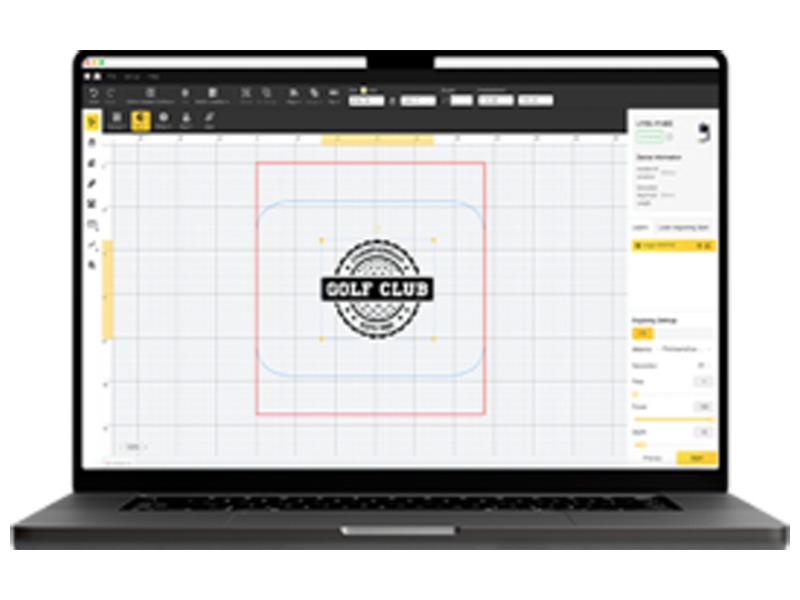
Grâce aux fichiers de conception numériques, les utilisateurs peuvent facilement modifier les formes, les dimensions, les motifs de gravure et les mises en page des médiators de guitare sans remplacer les outils physiques ni les moules.
Raison 6 : Apparence professionnelle et qualité supérieure
Les médiators de guitare découpés au laser offrent une finition soignée et professionnelle qui peut aider les produits à se démarquer sur les marketplaces en ligne, lors d’événements artisanaux et dans les collections de produits personnalisés.
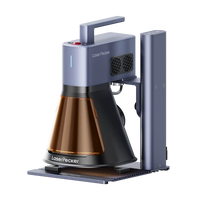
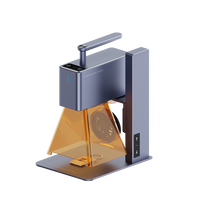
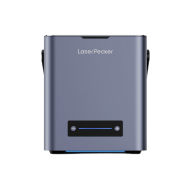
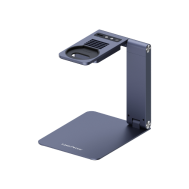
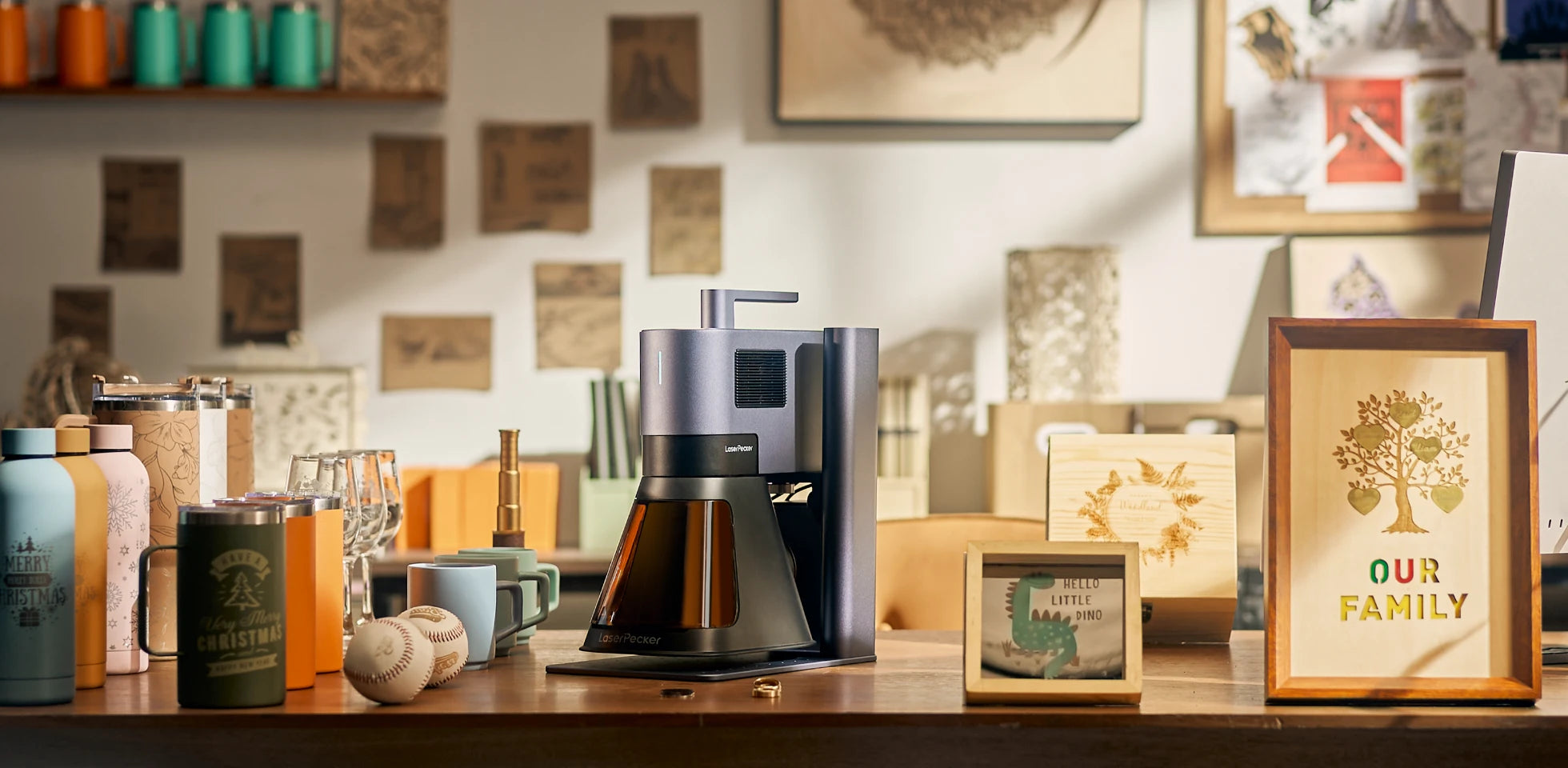
Machine de découpe laser recommandée pour les médiators : LaserPecker LP5
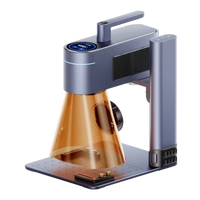
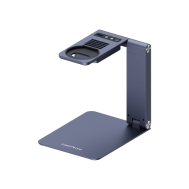
La LaserPecker LP5 est une machine compacte à double laser conçue pour les applications de découpe et de gravure détaillées. Elle convient à la création de médiators personnalisés, car elle associe un traitement de précision, des options de matériaux flexibles et des flux de travail numériques efficaces.
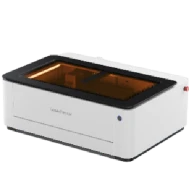
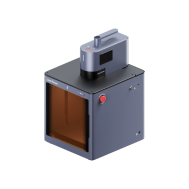
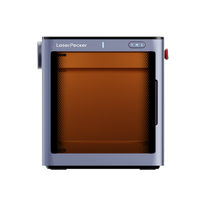
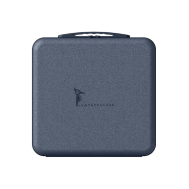
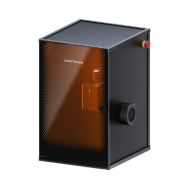
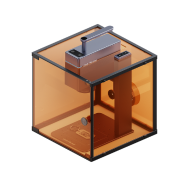
Pour les créateurs de l’UE, la LP5 peut être utilisée avec le caisson de sécurité LaserPecker LP5 afin d’obtenir une sécurité laser de classe 1, offrant une protection supplémentaire pour les espaces de création intérieurs.
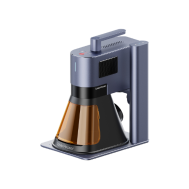
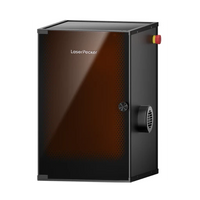
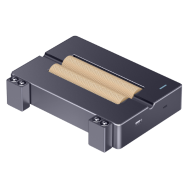
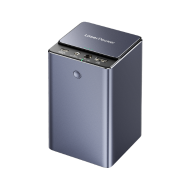
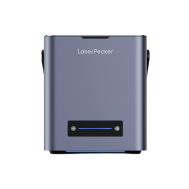
La LP5 peut également être associée au purificateur de fumée de bureau LaserPecker afin de contribuer à éliminer la fumée, les gaz et les odeurs générés pendant la gravure et la découpe. Cela aide à maintenir un environnement plus propre dans les studios à domicile, les ateliers et les petits espaces de production.
- Système laser double : combine un laser à fibre de 20 W et un laser à diode de 20 W pour traiter l’acrylique, le bois, le cuir, les matériaux revêtus, le plastique et certains métaux fins.
- Découpe et gravure de haute précision : crée des formes de médiators précises, aux bords nets, avec une gravure personnalisée détaillée.
- Idéale pour les médiators personnalisés : parfaite pour les produits de groupes, les cadeaux, la vente en ligne, les articles promotionnels et les entreprises créatives.
- Flux de travail numérique rapide : permet d’ajuster rapidement les designs et de reproduire facilement la production à partir de fichiers numériques.
- Large compatibilité avec les matériaux : compatible avec l’acrylique, le bois, le cuir, l’aluminium anodisé, les métaux revêtus, les plaques de plastique et d’autres matériaux adaptés aux médiators.
- Compacte et adaptée au bureau : conçue pour les ateliers de création, les ateliers à domicile, les studios et les petites entreprises créatives.
FAQ : Questions fréquentes sur les fabricants de médiators
Q1 : Quelle est la meilleure machine pour fabriquer des médiators ?
Le meilleur fabricant de médiators dépend de ce que vous souhaitez créer, de votre budget et du niveau de personnalisation requis.
Pour les musiciens, les créateurs et les petites entreprises de l’UE, les machines de découpe laser sont souvent privilégiées, car elles offrent une découpe précise, des bords lisses, une production efficace et une gravure détaillée pour les médiators personnalisés.
Q2 : Quels matériaux peuvent être utilisés pour fabriquer des médiators ?
Les médiators personnalisés peuvent être fabriqués à partir de différents matériaux, notamment le plastique, l’acrylique, le bois, le cuir, la résine et certains métaux fins.
Chaque matériau offre des caractéristiques différentes en matière de flexibilité, de durabilité, de confort et de son. L’acrylique, le bois, le cuir et le plastique sont couramment choisis pour les projets de médiators découpés au laser.
Q3 : Les découpeuses laser peuvent-elles graver des logos sur des médiators ?
Oui. Les découpeuses laser peuvent graver des logos, des noms, des illustrations, des signatures et des motifs personnalisés directement sur des médiators.
Cela les rend adaptés aux cadeaux personnalisés, aux articles promotionnels de groupes, aux produits artisanaux, aux articles promotionnels et à l’image de marque des petites entreprises.
Q4 : Les médiators de guitare fabriqués à la main sont-ils adaptés au jeu ?
Oui. Les médiators de guitare fabriqués à la main peuvent offrir une bonne expérience de jeu lorsqu’ils sont produits avec des matériaux adaptés et soigneusement finis.
Cependant, les résultats artisanaux peuvent varier selon la méthode de production. Les médiators de guitare découpés au laser offrent généralement une meilleure régularité, des bords précis et une qualité reproductible.
Q5 : Combien coûte une machine à fabriquer des médiators de guitare ?
Le prix d’une machine à fabriquer des médiators de guitare varie selon le type d’outil et les exigences de production.
Les outils manuels tels que les emporte-pièces et les ciseaux sont des options peu coûteuses, tandis que les machines de découpe laser et les imprimantes 3D offrent des fonctionnalités plus avancées, avec une précision accrue, une plus grande flexibilité de conception et une production plus rapide.
Q6 : Une seule machine peut-elle fabriquer différents types de médiators de guitare ?
Oui. De nombreuses machines de découpe laser modernes permettent de créer différentes formes, tailles, épaisseurs et styles de gravure de médiators de guitare à partir de fichiers de conception numériques.
Le LaserPecker LP5 prend en charge plusieurs matériaux et permet aux créateurs de produire une grande variété de modèles de médiators de guitare personnalisés avec une seule machine.
Q7 : Quelle est la méthode la plus facile pour fabriquer des médiators de guitare personnalisés ?
La méthode la plus facile dépend de vos objectifs.
Pour les projets de bricolage simples, les outils de découpe et les ciseaux sont des options faciles pour commencer. Pour les créateurs de l’UE qui souhaitent obtenir des résultats professionnels, les machines de découpe laser offrent un flux de travail numérique plus simple, avec une découpe et une gravure précises ainsi qu’une production reproductible.
Q8 : Puis-je utiliser une découpeuse laser pour fabriquer des médiators de guitare dans un atelier domestique ?
Oui, les découpeuses laser peuvent être utilisées dans des ateliers domestiques lorsque les mesures de sécurité appropriées sont respectées.
Le LaserPecker LP5 peut être associé au caisson de sécurité LaserPecker LP5 pour assurer une sécurité laser de classe 1. Il peut également être utilisé avec le purificateur de fumée de bureau LaserPecker afin de contribuer à réduire la fumée, les gaz et les odeurs pendant la gravure et la découpe, ce qui le rend adapté aux environnements créatifs intérieurs.
Conclusion
Il existe de nombreuses façons de créer des médiators de guitare personnalisés, allant des outils de bricolage de base aux solutions numériques avancées. Bien que les outils de découpe, les ciseaux, les moules en résine et les imprimantes 3D puissent tous être utiles, les machines de découpe laser offrent une combinaison avantageuse de précision, de personnalisation, d’efficacité de production et de résultats haut de gamme.
Pour les créateurs de l’UE qui recherchent une découpe précise, une gravure détaillée et des résultats fiables, des machines telles que le LaserPecker LP5 offrent une solution polyvalente pour fabriquer des médiators de guitare personnalisés de qualité professionnelle.