








































La gravure sur argent est largement utilisée pour personnaliser les bijoux, les cadeaux, des articles commémoratifs et des produits de marque dans toute l’Europe. Obtenir une des résultats nets et uniformes dépend non seulement de la technique, mais aussi de la capacité à choisir le bon outil de gravure. En raison de la finition réfléchissante de l’argent, et relativement tendre, un équipement inadapté peut laisser des irrégularités lignes, un contraste faible ou des dommages accidentels.
Des outils de gravure manuels traditionnels aux graveurs rotatifs et aux des machines de gravure laser avancées, il existe plusieurs façons de graver l’argent. Chaque méthode possède ses propres avantages, inconvénients et applications idéales applications.
Dans ce guide, vous découvrirez les principaux types de les outils de gravure sur argent, comparez leurs performances, et découvrez pourquoi la gravure laser est souvent le choix le plus efficace et le plus fiable pour les créateurs et les entreprises modernes.

Dans cet article :
- Partie 1 : Ce qui rend la gravure sur argent difficile
- Partie 2 : 3 types d’outils de gravure sur argent
- Type 1 : Outils de gravure laser
- Type 2 : Outils de gravure manuelle
- Type 3 : Outils de gravure rotatifs
- Partie 3 : Pourquoi un graveur laser est le meilleur outil pour graver l’argent
- FAQ : Questions fréquentes sur les outils de gravure sur argent
Partie 1 : Pourquoi la gravure sur argent est-elle difficile ?
Bien que l’argent soit un métal relativement tendre, obtenir une consistent engraving results is far from simple. Its reflective surface met en évidence même les petites imperfections, rendant les rayures, les lignes irrégulières ou une une profondeur de gravure irrégulière facilement visible. Pour les produits tels que Pour les produits tels que les bijoux, les cadeaux commémoratifs et les articles de marque haut de gamme, ces défauts peut réduire considérablement la qualité globale et la valeur perçue.
La réussite de la gravure sur argent dépend non seulement de la technique, mais aussi de la capacité à choisir un équipement capable de fournir des résultats précis et maîtrisés résultats.
Principaux défis de la gravure sur argent
-
Imperfections très visibles
Les surfaces argentées réfléchissantes révèlent les dérapages, les marques de brûlure et les irrégularités la gravure plus nettement que de nombreux autres matériaux. -
Besoin de détails complexes
Les lettrages fins, les motifs décoratifs et les logos d’entreprise nécessitent une excellente précision pour être reproduits proprement et uniformément. -
Sensibilité du matériau
L’argent peut se rayer, se déformer ou présenter des marques liées à la chaleur si le processus de gravure n’est pas correctement contrôlé. -
Gestion précise de la profondeur
Maintenir une profondeur de gravure uniforme contribue à garantir une lisibilité tout en préservant l’intégrité du matériau. -
Variation des finitions de surface
Différentes finitions, notamment l’argent poli ou revêtu, peuvent réagissent différemment pendant la gravure et influencent l’aspect final.
Ces facteurs expliquent pourquoi le choix de l’équipement de gravure joue un rôle si important. Dans la section suivante, nous comparerons les trois les principaux types d’outils de gravure pour l’argent, en mettant en évidence leurs atouts, leurs limites et les situations dans lesquelles chacune est la plus performante.
Partie 2 : 3 types d’outils de gravure pour l’argent
Plusieurs technologies peuvent être utilisées pour graver l’argent, chacune offrant différents niveaux de précision, d’efficacité et de flexibilité créative. Le choix de l’outil de gravure adapté à l’argent dépend de votre design exigences, volume de production et finition souhaitée.
Voici les trois méthodes les plus courantes utilisées pour la gravure de l’argent gravure, ainsi que leurs avantages, leurs limites et leurs applications typiques applications.
Type 1 : Outils de gravure laser pour l’argent
Les outils de gravure laser créent des marquages permanents en dirigeant un faisceau lumineux concentré sur la surface de l’argent sans contact physique contact. Selon les réglages du laser, le procédé peut produire l’oxydation, l’ablation de surface ou des motifs gravés très détaillés.
For silver applications, laser systems commonly use an infrared (IR) laser or a fibre laser, as these wavelengths are well absorbed by le matériau. Cela permet une gravure nette, précise et répétable tout en minimisant le risque de dommages à la surface, même sur les bijoux délicats ou aux composants en argent fins.
Avantages
- Précision exceptionnelle : Convient aux motifs, logos, codes QR et inscriptions fines.
- Fonctionnement sans contact : Réduit le risque de rayures ou des déformations du matériau.
- Résultats propres et uniformes : Produit des marquages personnalisés nécessitant peu de finition.
- Excellente répétabilité : Idéal pour les les produits ainsi que la production en petites ou grandes séries.
- Highly Compatible with Silver: Both an infrared (IR) laser and a fibre laser provide des performances de gravure stables et fiables.
Inconvénients
- Coût initial plus élevé : l’investissement initial en équipement est supérieure à celle des solutions manuelles.
Idéal pour : la production de bijoux, les cadeaux personnalisés, l’image de marque d’entreprise, les produits haut de gamme et les travaux de gravure de précision projets.
Type 2 : Outils de gravure manuelle pour l’argent
La gravure manuelle utilise des outils de coupe traditionnels tels que les échoppes et des burins pour graver directement l’argent à la main. Chaque mouvement est entièrement contrôlé par le graveur, ce qui permet une expression artistique distinctive et l’artisanat personnalisé.
Avantages
- Liberté artistique totale : Idéal pour les créations sur mesure et de la gravure décorative.
- Handmade Appeal: Every finished piece has its own caractère unique.
Inconvénients
- Aspect artisanal : chaque pièce terminée possède son propre nécessite une formation et une pratique approfondies.
- Exige de l’expérience : la gravure de qualité professionnelle Difficile pour les détails fins : maintenir la précision
- Répétabilité limitée : produire des résultats identiques sur plusieurs pièces n’est pas facile.
Idéal pour : les bijoux personnalisés, la gravure artistique, les projets de restauration et les articles de luxe artisanaux.
Type 3 : Outils de gravure rotative pour l’argent
Les outils de gravure rotative enlèvent de la matière à l’aide d’une fraise rotative qui entre en contact physique avec la surface en argent. Ils sont disponibles sous forme d’ des outils portatifs ou des systèmes contrôlés par CNC qui améliorent la régularité pour les travaux répétitifs.
Bien que la gravure rotative soit généralement plus rapide que la gravure manuelle, ne peut atteindre le même niveau de précision ni la même sécurité sans contact que la gravure laser lors du travail sur des produits délicats en argent.
Avantages
- Adapté aux entailles profondes : efficace pour les lettrages larges et une profondeur de gravure plus importante.
- Efficacité supérieure : plus rapide que la gravure manuelle pour les tâches de production simples.
Inconvénients
- Capacité limitée à reproduire les détails : les motifs fins et les textes miniatures peuvent être difficiles à reproduire avec précision.
- Risque de dommages de surface : le contact mécanique direct peut rayer ou déformer les matériaux en argent plus tendres.
Idéal pour : la gravure profonde, les marquages industriels, les travaux décoratifs simples et les applications où la vitesse prime sur une précision extrêmement fine.
Partie 3 : Pourquoi une graveuse laser est-elle le meilleur outil pour graver l’argent ?
| Méthode | Précision | Vitesse | Contact | Qualité des bords | Motifs complexes | Coût d’installation |
|---|---|---|---|---|---|---|
| Outils de gravure laser | Élevée | Rapide | Non (sans contact) | Très propre | Excellente | Moyenne à élevée |
| Outils de gravure manuelle | Faible | Lente | Oui (contact manuel) | Variable | Limitée | Faible |
| Outils de gravure rotative | Moyenne | Moyenne | Oui (contact avec l’outil) | Modérée | Modérée | Faible à moyenne |
Among all available silver engraving methods, laser engraving offre la meilleure combinaison de précision, de répétabilité et de productivité. Elle permet un flux de travail plus propre que la gravure manuelle ou la gravure rotative tout en offrant des résultats de qualité professionnelle pour aussi bien pour des pièces personnalisées uniques que pour des séries de production plus importantes.
Raison 1 : Sans contact Précision
Comme le laser ne touche jamais physiquement la surface en argent, il y a le risque de rayures ou de déformation est minime. Son faisceau concentré peut reproduire des motifs complexes, des logos et des lettrages fins avec une exceptionnelle détail.
Raison 2 : Fiabilité Répétabilité
La gravure contrôlée par logiciel garantit que chaque pièce est produite avec la le même niveau de précision, ce qui rend la technologie laser particulièrement adaptée pour les produits personnalisés, les collections de bijoux et la fabrication commerciale. fabrication.
Raison 3 : Haute efficacité et maintenance minimale
L’argent absorbe efficacement l’énergie infrarouge et celle des lasers à fibre, ce qui permet une gravure nette avec moins de passes et des résultats uniformes. une gravure nette avec moins de passes et des résultats uniformes. Sans les outils de coupe mécaniques, l’usure des outils est pratiquement inexistante, ce qui contribue à réduire les coûts de maintenance au fil du temps. réduire les coûts de maintenance au fil du temps.
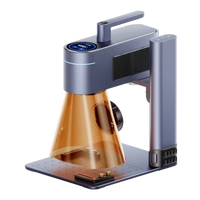
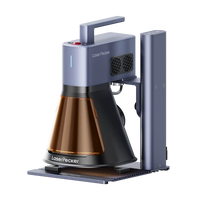
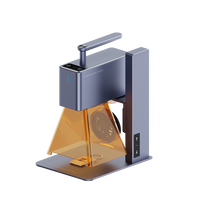
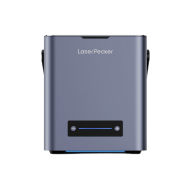
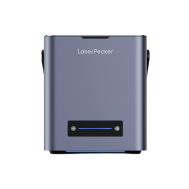
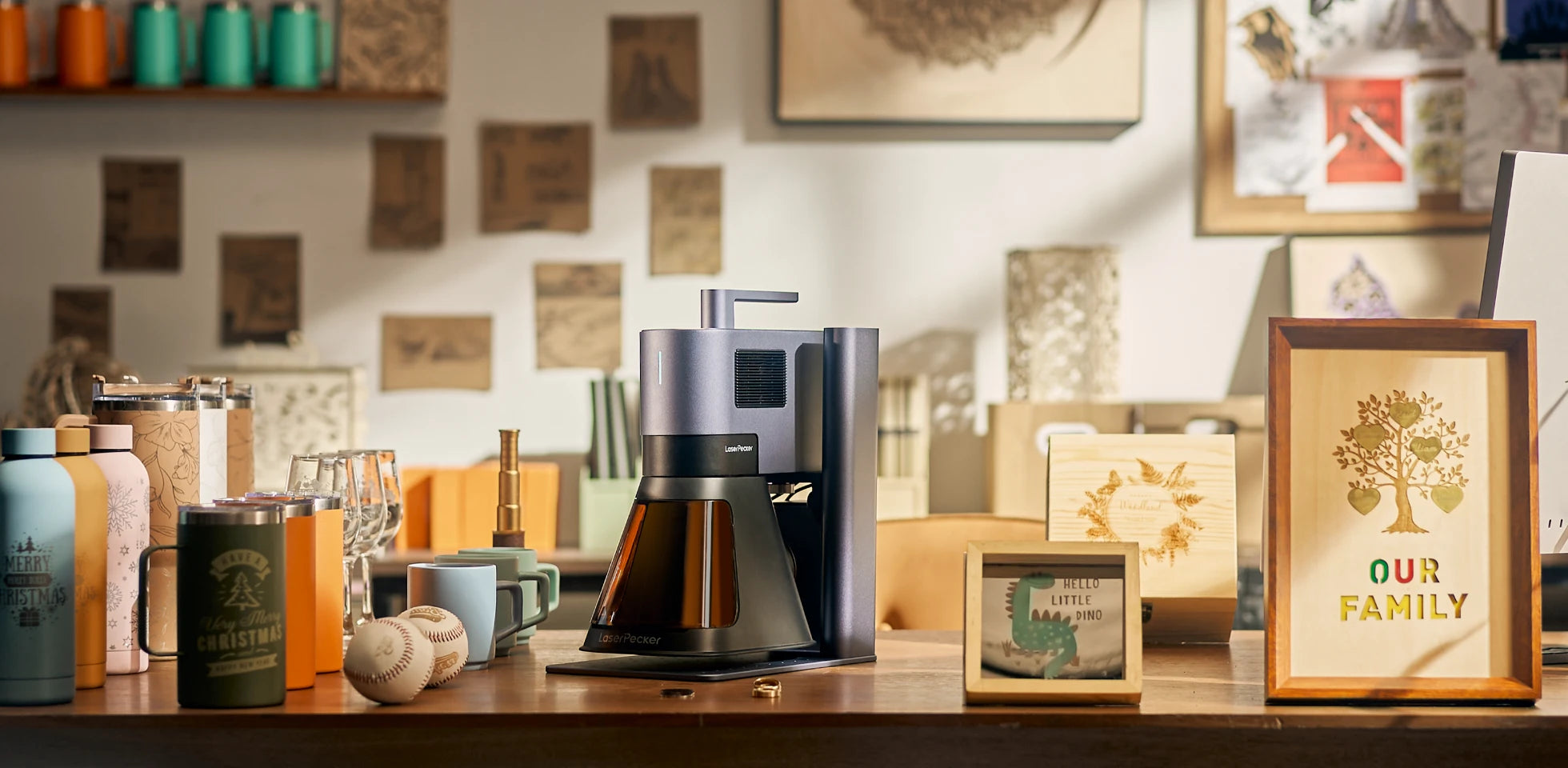
Recommandé Machine de gravure de l’argent : LaserPecker LP5
Dans toute l’UE, les entreprises et les créateurs recherchent de plus en plus des solutions flexibles engraving systems that can handle both metals and non-metals. The LaserPecker LP5 associe un laser à fibre de 20 W et un laser à diode de 20 W, permettant aux utilisateurs de graver l’argent 925, le laiton, l’acier inoxydable, le bois, le cuir, l’acrylique, la céramique et de nombreux autres matériaux avec une excellente précision.


-
Personnalisation rapide
Avec des vitesses allant jusqu’à 10 000 mm/s, le LP5 est idéal pour la personnalisation de bijoux, les collections de bijoux et les produits commerciaux. la personnalisation de bijoux, les cadeaux gravés, les produits promotionnels et la production en petites séries. -
Réglage précis de la profondeur
Un contrôle précis de la profondeur de gravure permet de créer des textures superposées et des effets décoratifs en 3D tout en protégeant les surfaces délicates en argent contre une chaleur excessive. -
Flexibilité accrue des projets
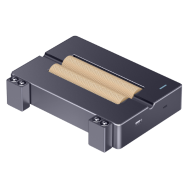
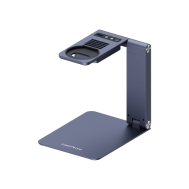
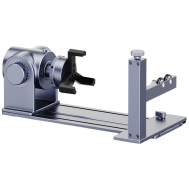
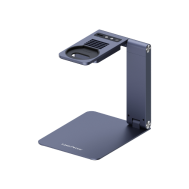
Les accessoires rotatifs facilitent la gravure des bagues, bracelets et objets cylindriques, tandis que les extensions coulissantes permettent d’accueillir des plaques plus grandes, plateaux et pièces d’exposition. -
Contrôle logiciel professionnel
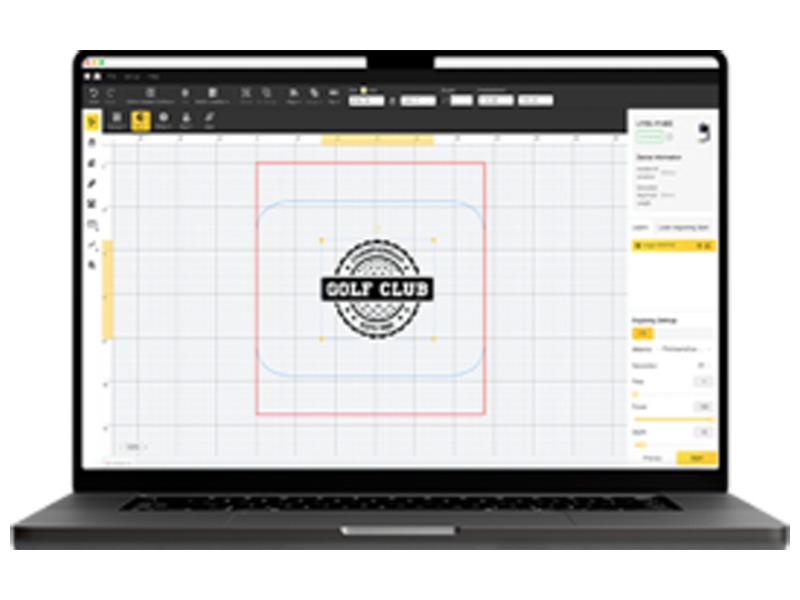
La compatibilité avec LightBurn et LaserPecker Design Space permet un contrôle précis des logiciels réglage de la puissance, de la vitesse et du nombre de passes, ce qui facilite la réalisation de gravures complexes sur l’argent projets plus faciles à gérer. -
Utilisation intérieure plus sûre
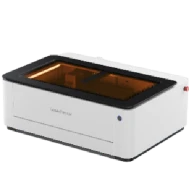
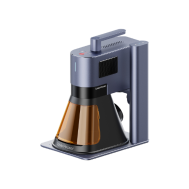
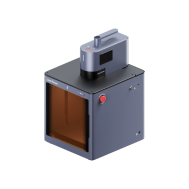
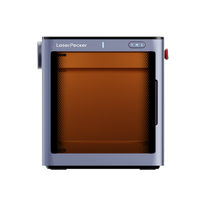
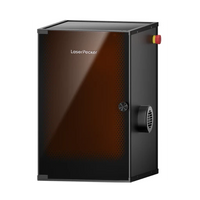
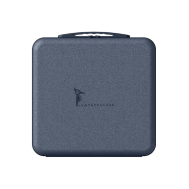
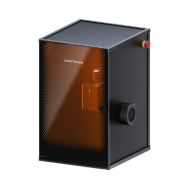
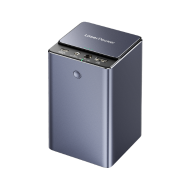
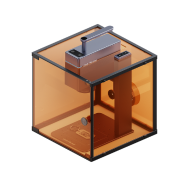
Pour les ateliers et studios de toute l’UE, le LP5 peut être associé à le boîtier de sécurité LaserPecker LP5 pour atteindre le niveau de sécurité laser de classe 1, offrant une protection renforcée pour une utilisation en intérieur. Associé au purificateur de fumée de bureau LaserPecker, il filtre efficacement la fumée, les vapeurs et les odeurs générées pendant la gravure ou la découpe, créant un environnement de travail plus propre et plus sûr environnement.
En résumé, si vous avez besoin d’une solution de gravure de l’argent qui combine précision, efficacité, polyvalence et résultats de qualité professionnelle, la gravure laser reste le choix évident, avec le LaserPecker LP5 s’imposant comme l’une des options les plus performantes disponibles.
FAQ : Questions fréquentes sur les outils de gravure de l’argent
Q1 : Un graveur laser économique peut-il fonctionner sur de l’argent 925 ?
Le prix de la machine est moins important que la source laser qu’elle utilise. utilise. L’argent 925 brut réfléchit une grande partie de l’énergie produite par les lasers à diode standard les lasers à diode, ce qui rend la gravure difficile. Dans la plupart des cas, un laser infrarouge un laser infrarouge (1064 nm) ou un laser à fibre offre une bien meilleure absorption et peut créer des marquages nets et permanents sans revêtements supplémentaires.
Q2 : L’argent est-il difficile à graver ?
L’argent présente un niveau de difficulté modéré. Bien qu’il soit plus tendre que de nombreux autres métaux, il se raye facilement et sa finition réfléchissante rend les imperfections très visibles. Avec l’équipement approprié et les réglages, il est toutefois possible d’obtenir des détails très fins et des résultats de gravure constants.
Q3 : Pourquoi ma gravure paraît-elle terne plutôt que polie ?
L’oxydation de la surface, une mauvaise mise au point ou des paramètres de gravure incorrects sont les causes les plus courantes. Pour améliorer l’aspect final :
Pour améliorer les résultats :
- Assurez-vous que le laser est correctement mis au point.
- Nettoyez le matériau avant la gravure.
- Optimisez les réglages de puissance et de vitesse.
- Effectuez un léger polissage après la gravure si nécessaire.
Q4 : Quelle méthode de gravure produit les résultats les plus précis pour l’argent ?
La gravure laser offre généralement le plus haut niveau de précision car elle utilise un procédé sans contact contrôlé par logiciel. La gravure laser reproduire des motifs complexes, des logos et de petits lettrages de manière plus constante que les méthodes de gravure manuelle ou rotative.
Q5 : Les débutants peuvent-ils graver l’argent avec succès ?
Oui, à condition d’utiliser un équipement adapté et de commencer par des tests les réglages. La gravure laser est généralement plus facile à prendre en main que la gravure manuelle, car le logiciel contrôle une grande partie du processus, ce qui réduit le risque de résultats incohérents.
Q6 : Que dois-je rechercher lors du choix d’une machine de gravure de l’argent machine ?
Tenez compte du type de laser, de la précision de gravure, des matériaux pris en charge, la compatibilité logicielle et les accessoires disponibles. Les machines équipées avec un laser infrarouge ou à fibre sont généralement le meilleur choix pour l’argent, tandis que les accessoires rotatifs peuvent étendre les possibilités de gravure bagues, bracelets et autres objets incurvés.
Conclusion
Choisir le bon outil de gravure de l’argent est essentiel pour produire des résultats de haute qualité et constants. Bien que la gravure manuelle et rotative restent utiles pour certaines applications, la gravure laser offre une précision, une efficacité et une reproductibilité supérieures pour les créateurs modernes et entreprises.
En utilisant un laser infrarouge ou à fibre, vous pouvez créer des motifs nets et durables sur l’argent tout en réduisant l’effort manuel et améliorer la productivité. Que vous personnalisiez des bijoux, créer des produits promotionnels ou développer une entreprise dans toute l’UE, le système de gravure laser adapté constitue une base fiable pour une production professionnelle et évolutive.