











































La rouille est un problème courant qui peut donner aux objets métalliques — tels que les outils, les vélos, les appareils électroménagers et les matériaux de loisirs créatifs — un aspect vieilli et les rendre inutilisables. Heureusement, la rouille peut généralement être éliminée et la surface métallique restaurée, même en cas de corrosion importante. L’essentiel est de choisir la méthode de nettoyage la plus appropriée.
Ce guide explique comment enlever la rouille du métal à l’aide de remèdes ménagers et de solutions industrielles plus avancées. Quelle que soit l’ampleur de la rouille, vous trouverez ici des méthodes pratiques pour restaurer efficacement vos objets métalliques.

Dans cet article :
- Partie 1 : Qu’est-ce que la rouille et quelles en sont les causes
- Partie 2 : Comment enlever la rouille du métal à la maison
- Méthode 1 : Enlever la rouille avec une pomme de terre
- Méthode 2 : Enlever la rouille avec de l’acide citrique
- Méthode 3 : Enlever la rouille avec du citron et du sel
- Méthode 4 : Enlever la rouille avec du bicarbonate de soude
- Méthode 5 : Enlever la rouille avec du Coca-Cola
- Méthode 6 : Enlever la rouille avec des convertisseurs de rouille
- Méthode 7 : Enlever la rouille avec un laser à fibre
- Partie 3 : Comment prévenir la rouille ?
- Partie 4 : FAQ sur l’élimination de la rouille
Partie 1 : Qu’est-ce que la rouille et quelles en sont les causes ?
La rouille apparaît lorsque le fer réagit avec l’oxygène et l’humidité, formant de l’oxyde de fer — une couche brun rougeâtre qui détériore progressivement les surfaces métalliques. Avec le temps, une rouille non traitée peut compromettre la durabilité, affecter les performances et entraîner des réparations ou des remplacements coûteux.
Les causes courantes de la rouille comprennent :
- Exposition à la pluie, à l’humidité ou à des environnements humides.
- Air salin dans les régions côtières d’Europe.
- Absence de revêtements protecteurs tels que la peinture ou les produits d’étanchéité.
- Exposition prolongée à l’extérieur.
- Conditions de stockage inadéquates.
Dans de nombreuses régions de l’UE, notamment les zones côtières et très humides, les surfaces métalliques sont davantage sujettes à la corrosion en l’absence d’un entretien et d’une protection appropriés.
Comme la rouille peut se propager et s’aggraver avec le temps, un enlèvement précoce et un entretien préventif sont essentiels pour préserver l’état et la longévité des objets métalliques.
Partie 2 : Comment enlever la rouille du métal à la maison
Voici sept méthodes pratiques pour enlever la rouille du métal, des remèdes ménagers simples aux solutions plus avancées. La meilleure approche dépend de l’ampleur de la corrosion et du type de métal sur lequel vous travaillez.
Méthode 1 : Enlever la rouille avec une pomme de terre
Cela peut sembler inhabituel, mais cette méthode peut être étonnamment efficace. Les pommes de terre contiennent de l’acide oxalique, qui réagit avec la rouille. Associé au sel, il forme un nettoyant légèrement abrasif.
Mode d’emploi :
- Coupez une pomme de terre en deux.
- Saupoudrez du sel sur la surface coupée.
- Frottez-le sur la zone rouillée.
- Laissez agir pendant 15 à 30 minutes.
- Frottez doucement, puis rincez soigneusement.
Cette méthode convient bien aux petites taches de rouille sur les ustensiles de cuisine, les accessoires métalliques et les articles ménagers.
Méthode 2 : Éliminer la rouille avec de l’acide citrique
L’acide citrique est une solution plus puissante, tout en restant facilement accessible, pour éliminer la rouille. Il décompose efficacement la corrosion sans nécessiter de produits chimiques industriels agressifs.
Mode d’emploi :
- Mélangez de la poudre d’acide citrique avec de l’eau chaude.
- Immergez l’objet rouillé dans la solution.
- Laissez tremper toute une nuit.
- Frottez, rincez soigneusement et séchez.
Cette méthode est idéale pour les vis, boulons et petites pièces métalliques.
Méthode 3 : Éliminer la rouille avec du citron et du sel
Cette méthode naturelle associe l’acidité et l’abrasion pour éliminer efficacement la rouille. Le jus de citron apporte l’acide, tandis que le sel aide à décoller la rouille de la surface.
Mode d’emploi :
- Appliquez une couche de sel sur la zone rouillée.
- Pressez du jus de citron dessus jusqu’à ce que la surface soit entièrement imbibée.
- Laissez agir pendant 2 à 3 heures.
- Frottez, rincez et séchez.
Cette méthode convient aux outils de jardinage, ustensiles de cuisine et objets décoratifs légèrement rouillés.
Méthode 4 : Éliminer la rouille avec du bicarbonate de soude
Le bicarbonate de soude est une solution douce, ce qui le rend idéal pour les surfaces délicates ou facilement rayables.
Mode d’emploi :
- Mélangez du bicarbonate de soude avec de l’eau pour former une pâte.
- Appliquez-le sur la surface rouillée.
- Laissez agir pendant 1 à 2 heures.
- Frottez, rincez et séchez soigneusement.
Cette méthode est particulièrement efficace pour les finitions en acier inoxydable et chromées.
Méthode 5 : Éliminer la rouille avec du Coca-Cola
Le Coca-Cola contient de l’acide phosphorique, qui aide à dissoudre la rouille. Il est particulièrement efficace contre la corrosion légère à modérée.
Voici comment l’utiliser :
- Immergez l’objet rouillé dans du Coca-Cola ou versez-en sur la surface.
- Laissez agir pendant quelques heures afin que l’acide puisse décomposer la rouille.
- Frottez, rincez et séchez.
Cette méthode est particulièrement efficace pour les pièces de vélo, pièces automobiles, vis et petits outils à main.
Méthode 6 : Éliminer la rouille avec des convertisseurs de rouille
Pour les cas de rouille plus sévères, les produits commerciaux offrent une solution plus rapide et plus fiable. Ils sont conçus pour réagir chimiquement avec la rouille afin de la stabiliser ou de l’éliminer.
Les types courants comprennent :
- Convertisseurs de rouille : transforment la rouille en une couche stable pouvant être peinte.
- Poudres abrasives : éliminent mécaniquement la rouille superficielle.
- Décapants liquides puissants : dissolvent rapidement les couches épaisses de corrosion.
Ces solutions conviennent aux véhicules, machines, outils et équipements fortement rouillés.
Méthode 7 : Éliminer la rouille au laser à fibre
Le nettoyage au laser à fibre est une méthode avancée, sans produits chimiques, qui élimine la rouille à l’aide d’un faisceau concentré à haute énergie. Il vaporise la corrosion tout en préservant la surface métallique sous-jacente.
Dans l’UE, les systèmes laser à fibre sont largement utilisés dans les environnements industriels comme dans les petits ateliers. Cela s’explique en grande partie par des réglementations environnementales plus strictes et par la demande croissante de solutions de nettoyage écologiques et sans produits chimiques.
Les lasers à fibre conviennent pour :
- Outils.
- Composants automobiles.
- Œuvres d’art en métal.
- Projets de restauration.
- Rouille épaisse ou tenace.
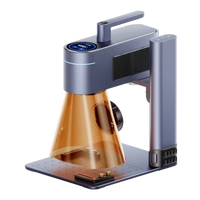
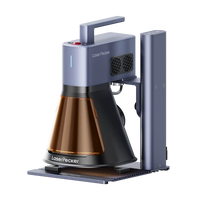
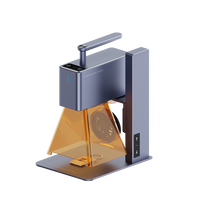
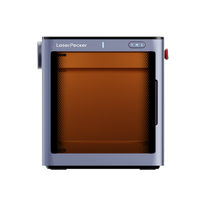
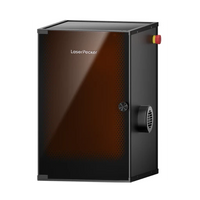
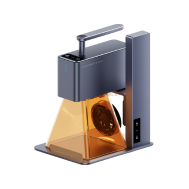
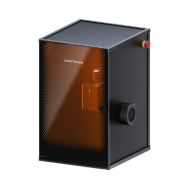
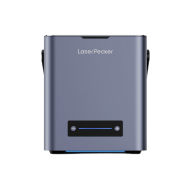
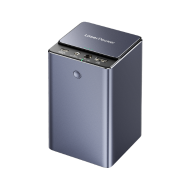
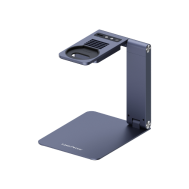
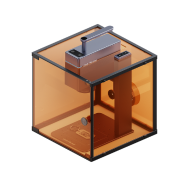
Machine recommandée pour l’élimination de la rouille au laser : LaserPecker LP5 avec extension coulissante
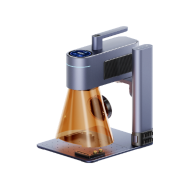
Le LaserPecker LP5 avec l’extension coulissante est un système laser compact mais puissant, conçu pour éliminer rapidement et avec précision la rouille sur les outils métalliques, les pièces automobiles, les machines et les projets de fabrication.
-
Puissant laser à fibre de 20 W
Fournit une énergie concentrée pour éliminer rapidement la rouille, l’oxydation et les contaminants de surface, souvent en un seul passage pour une corrosion légère à modérée. -
Nettoyage à grande vitesse jusqu’à 10 000 mm/s
Nettoie rapidement les surfaces métalliques, réduisant la durée des projets et améliorant l’efficacité, aussi bien pour les professionnels que pour les bricoleurs. -
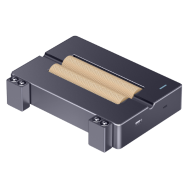
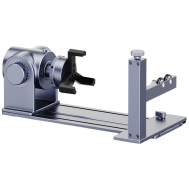
Extension coulissante pour les pièces plus grandes
Agrandit la zone de travail, facilitant le nettoyage des pièces métalliques plus longues et des surfaces plus grandes, tout en améliorant le flux de travail et la productivité globale. -
Contrôle intelligent via l’application et le logiciel
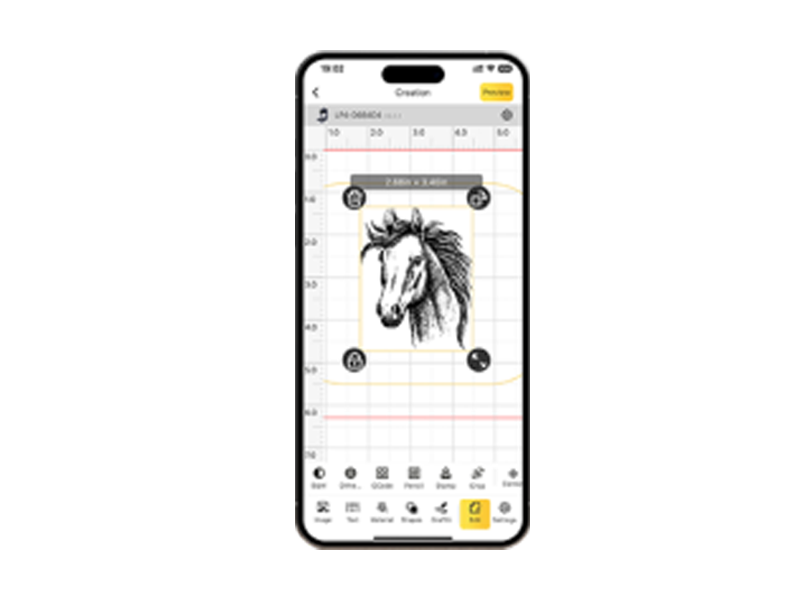
Le LP5 prend en charge le contrôle via une application et un logiciel de bureau pour un positionnement précis, ce qui vous permet d’éliminer la rouille avec exactitude sans endommager les zones environnantes.
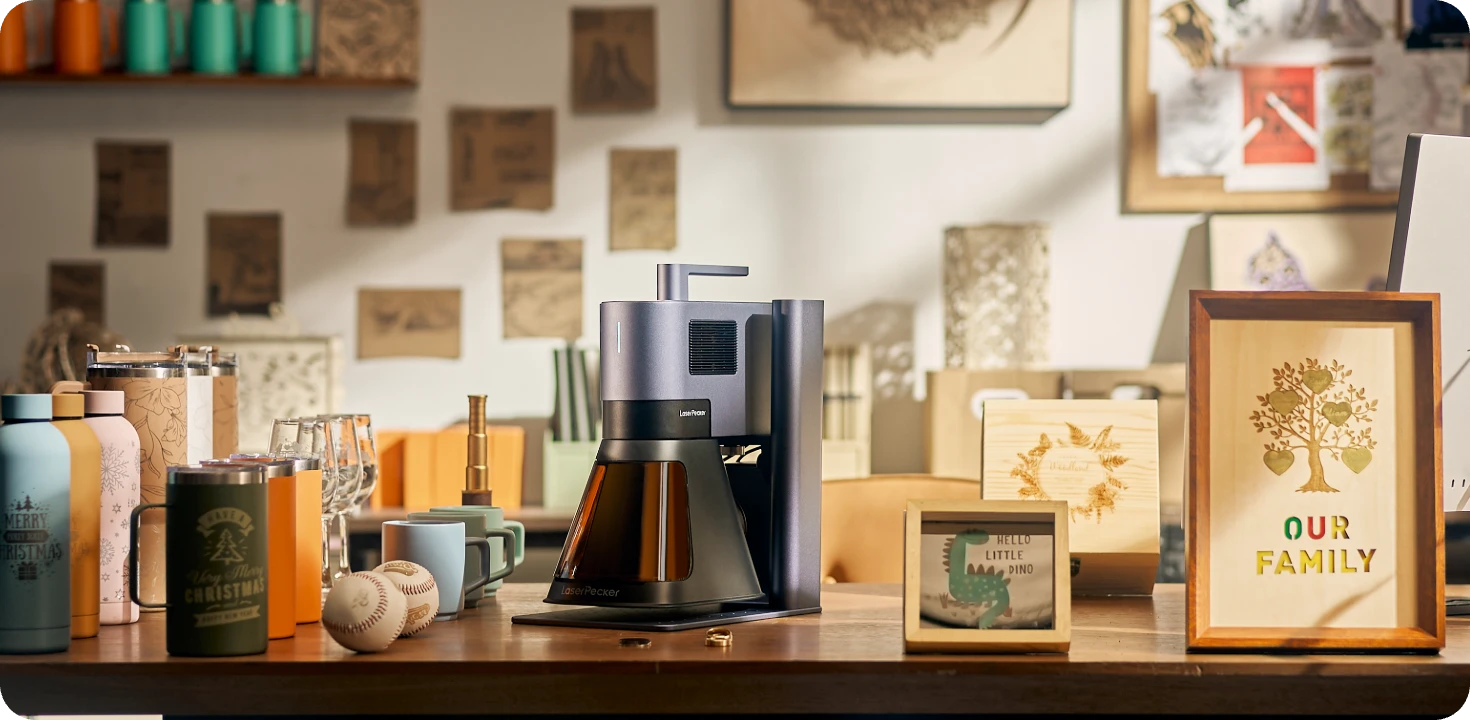
Cette configuration est idéale pour les ateliers, les environnements de fabrication, les travaux de restauration et les applications professionnelles dans toute l’UE.
Comparaison des méthodes d’élimination de la rouille
| Méthode | Difficulté | Idéal pour | Vitesse | Respectueux de l’environnement |
|---|---|---|---|---|
| Pomme de terre + sel | Facile | Rouille légère | Lente | Oui |
| Acide citrique | Facile | Petits objets métalliques | Modérée | Oui |
| Citron + sel | Facile | Articles ménagers | Lente à moyenne | Oui |
| Bicarbonate de soude | Facile | Métaux délicats | Modérée | Oui |
| Coca-Cola | Facile | Outils, vélos | Modérée | Non |
| Décapants chimiques | Modérée | Rouille importante | Rapide | Variable |
| Laser à fibre | Facile à modérée | Outils, véhicules, machines | Très rapide | Oui |
Pour une rouille légère, les solutions ménagères comme l’acide citrique, le bicarbonate de soude ou le citron et le sel sont généralement suffisantes et faciles à appliquer.
Pour une corrosion modérée à importante, les décapants chimiques antirouille offrent des résultats plus rapides avec moins d’effort manuel.
Cependant, pour les applications exigeantes, les grandes surfaces ou une utilisation répétée, le nettoyage au laser à fibre se distingue comme l’option la plus efficace et la plus respectueuse de l’environnement. Il offre une grande précision, des vitesses de traitement élevées et élimine le recours aux produits chimiques.
Si vous recherchez une solution fiable pour les particuliers comme pour les professionnels, associer le LaserPecker LP5 à une extension coulissante offre une approche puissante et évolutive pour éliminer la rouille.
Partie 3 : Comment prévenir la rouille ?
Prévenir la rouille est bien plus efficace que de traiter la corrosion une fois qu’elle est apparue. Avec des pratiques d’entretien et de stockage adaptées, vous pouvez protéger les surfaces métalliques et préserver leur durabilité au fil du temps.
Voici des moyens efficaces de prévenir la rouille :
- Gardez les surfaces métalliques sèches et exemptes de saleté ou d’humidité.
- Appliquez des couches protectrices telles que des huiles, des cires ou des sprays anticorrosion.
- Peignez ou scellez les surfaces métalliques afin de les protéger de l’air et de l’eau.
- Évitez autant que possible une exposition prolongée à l’extérieur.
- Rangez les outils et équipements dans des environnements secs et contrôlés.
- Utilisez des déshumidificateurs ou du gel de silice pour gérer le taux d’humidité.
- Effectuez régulièrement des inspections et des opérations d’entretien.
Dans de nombreuses régions de l’UE, notamment les zones côtières et humides, contrôler l’humidité et garantir de bonnes conditions de stockage sont des facteurs clés pour prévenir la rouille.
En appliquant ces mesures préventives, vous pouvez considérablement prolonger la durée de vie de vos objets métalliques et réduire les coûts d’entretien à long terme.
Partie 4 : FAQ sur l’élimination de la rouille
T1. Le WD-40 enlève-t-il la rouille ?
Le WD-40 peut aider à détacher la rouille légère et faciliter son élimination par frottage. Il pénètre la couche de corrosion et aide à la décoller du métal.
Il est surtout efficace sur la rouille superficielle et laisse également une couche protectrice qui aide à prévenir l’oxydation future, ce qui le rend utile pour l’entretien.
T2. Comment enlever la rouille de l’acier inoxydable ?
L’acier inoxydable résiste à la rouille, mais n’est pas totalement à l’abri.
Pour enlever la rouille en toute sécurité :
- Utilisez une pâte de bicarbonate de soude, ou du citron et du sel.
- Frottez toujours dans le sens du grain.
- Utilisez de l’acide citrique ou des nettoyants spécialisés pour les taches tenaces.
Pour les applications industrielles ou de haute précision, le nettoyage au laser à fibre est une méthode fiable et non abrasive qui préserve la surface du matériau.
T3. Bar Keepers Friend peut-il enlever la rouille ?
Oui, Bar Keepers Friend contient de l’acide oxalique, efficace pour éliminer les taches de rouille sur des surfaces telles que l’acier inoxydable, le chrome, la céramique et les ustensiles de cuisine.
Il ne doit pas être utilisé sur la fonte, les surfaces peintes ou les revêtements antiadhésifs. Il convient surtout à la rouille modérée plutôt qu’à la corrosion sévère.
T4. Le vinaigre ou le CLR sont-ils plus efficaces pour enlever la rouille ?
Le vinaigre est un acide naturel doux, adapté à la rouille légère et aux matériaux délicats. Il agit progressivement et est largement utilisé pour les applications par trempage.
CLR est une solution chimique plus puissante, conçue pour éliminer rapidement le calcium, le calcaire et la rouille. Elle est plus efficace contre les dépôts importants, mais nécessite une ventilation adéquate et une manipulation prudente.
- Choisissez le vinaigre pour un nettoyage écologique.
- Choisissez CLR pour des résultats plus rapides et plus intensifs.
Q5. Le dentifrice peut-il éliminer la rouille ?
Le dentifrice peut éliminer une rouille très légère grâce à ses propriétés légèrement abrasives. Il convient pour polir :
- Chrome.
- Bijoux.
- Petits objets en acier inoxydable.
Cependant, cette méthode n’est pas efficace contre la corrosion profonde et doit uniquement être utilisée pour un nettoyage léger et le polissage.
Q6. Quelle est la méthode la plus efficace pour éliminer la rouille dans un contexte industriel ?
Pour les applications industrielles, le nettoyage par laser à fibre est l’une des méthodes les plus efficaces. Il élimine rapidement et précisément la rouille, sans produits chimiques ni contact abrasif.
Dans toute l’UE, cette méthode est de plus en plus privilégiée en raison du renforcement des réglementations environnementales et de la demande de procédés durables sans produits chimiques.
Q7. Comment empêcher la rouille de revenir après son élimination ?
Pour éviter le retour de la rouille :
- Gardez les surfaces métalliques au sec.
- Appliquez des revêtements protecteurs.
- Stockez les objets dans des environnements contrôlés.
- Réduisez l’humidité à l’aide de déshumidificateurs ou de gel de silice.
Dans de nombreuses régions de l’UE, en particulier dans les zones côtières ou humides, la gestion de l’humidité est essentielle pour prévenir durablement la rouille.
Conclusion
Éliminer la rouille du métal ne doit pas forcément être difficile. Que vous choisissiez des méthodes domestiques simples, comme le citron et le bicarbonate de soude, des produits chimiques antirouille ou des technologies avancées de nettoyage au laser, il existe une solution adaptée à chaque besoin et à chaque budget. Pour une rouille légère, les remèdes maison de base sont souvent efficaces et faciles à appliquer.
Pour les applications plus exigeantes, notamment lorsqu’il s’agit d’outils, de machines ou de composants de valeur, le nettoyage par laser à fibre offre une solution plus rapide, plus précise et plus respectueuse de l’environnement. Des équipements tels que le LaserPecker LP5, associés à une extension Slide, permettent d’éliminer efficacement la rouille tout en préservant la qualité du matériau sous-jacent.
Dans toute l’UE, où les normes environnementales et la durabilité revêtent une importance croissante, les solutions sans produits chimiques comme le nettoyage par laser à fibre deviennent un choix privilégié, tant dans les ateliers que dans les environnements industriels.
Quelle que soit la méthode utilisée, une intervention précoce est essentielle. Éliminer rapidement la rouille, puis assurer une protection et un entretien appropriés, aide à prévenir la corrosion future. Avec les bonnes techniques et les bons outils, vous pouvez restaurer efficacement les surfaces métalliques et prolonger considérablement leur durée de vie.