








































Les sacs fourre-tout personnalisés sont devenus de plus en plus populaires dans toute l’Europe auprès des créateurs amateurs, des studios créatifs et des petites entreprises. Ils sont largement utilisés comme cadeaux personnalisés, articles promotionnels, accessoires élégants et produits dérivés de marque grâce à leur aspect pratique et à leur fort potentiel créatif.
Que vous soyez amateur, vendeur sur Etsy ou à la tête d’un petit atelier, apprendre à personnaliser des sacs fourre-tout peut vous aider à produire des designs de haute qualité adaptés à la revente ou aux projets personnels.
Dans ce guide, nous présentons six méthodes principales pour fabriquer des sacs fourre-tout personnalisés, comparons leurs points forts et vous aidons à déterminer quelle option correspond le mieux à votre flux de travail et aux objectifs de votre projet.

Dans cet article :
- Partie 1 : Pourquoi les sacs fourre-tout personnalisés sont-ils populaires ?
- Partie 2 : Matériaux essentiels pour personnaliser des sacs fourre-tout
- Partie 3 : 6 méthodes pour fabriquer des sacs fourre-tout personnalisés
- Méthode 1 : Sérigraphie
- Méthode 2 : Impression DTG
- Méthode 3 : Transfert thermique
- Méthode 4 : Sublimation
- Méthode 5 : Gravure laser
- Méthode 6 : Broderie
- Partie 4 : Quelle méthode vous convient le mieux ?
- Partie 5 : Comment fabriquer des sacs fourre-tout personnalisés avec LP4
- Partie 6 : FAQ sur la fabrication de sacs fourre-tout personnalisés
Partie 1 : Pourquoi les sacs fourre-tout personnalisés sont-ils populaires ?
Les sacs fourre-tout personnalisés sont populaires dans toute l’Europe, car ils associent fonctionnalité et personnalisation créative. En tant qu’alternatives réutilisables et respectueuses de l’environnement aux sacs jetables, ils répondent bien à la sensibilisation croissante des consommateurs de l’UE aux enjeux du développement durable.
Grâce à leur potentiel de personnalisation polyvalent, les sacs fourre-tout personnalisés sont couramment utilisés pour les cadeaux personnalisés, les articles promotionnels d’événements, l’image de marque des entreprises et les gammes de produits artisanaux. De nombreux créateurs et petits ateliers de l’UE utilisent également les sacs fourre-tout comme produit d’entrée accessible pour les projets de vente au détail personnalisés.
Partie 2 : Matériaux essentiels pour personnaliser des sacs fourre-tout
Avant de commencer votre projet de personnalisation de sac fourre-tout, il est essentiel de réunir le matériel approprié. Le choix du tissu et des outils joue un rôle essentiel dans l’apparence et la durabilité du produit fini.
Les tissus couramment utilisés pour les sacs fourre-tout comprennent :
- Toile de coton – durable et polyvalente, adaptée à la plupart des méthodes d’impression et de gravure
- Lin – respirant et d’aspect naturel, idéal pour les designs simples ou axés sur l’écologie
- Polyester – couramment utilisé pour les techniques de transfert thermique et de sublimation
- Denim – résistant et durable, adapté aux designs audacieux ou robustes
- Toile de jute – texturée et écologique, populaire pour les styles rustiques ou artisanaux
- Similicuir – adapté aux finitions haut de gamme, notamment avec la gravure
Selon la méthode choisie, vous pourriez également avoir besoin de :
- Une graveuse laser
- Peintures ou encres pour textile
- Vinyle thermotransférable (HTV)
- Fils à broder
- Outils supplémentaires tels qu’une presse à chaud ou une machine de découpe
L’utilisation des bons matériaux contribue à garantir des résultats uniformes, des designs durables et une meilleure résistance à l’usure et à la décoloration. Cela est particulièrement important pour les petites entreprises et les makers qui produisent des articles destinés à la vente sur le marché de l’UE.
Partie 3 : 6 méthodes pour fabriquer des sacs cabas personnalisés
Il existe plusieurs moyens efficaces de personnaliser des sacs cabas, selon vos matériaux, vos objectifs de production et la complexité de vos designs. Les six techniques suivantes sont largement utilisées par les makers, les studios créatifs et les petites entreprises artisanales en Europe.
Méthode 1 : Sérigraphie
La sérigraphie est une solution fiable pour produire des motifs répétés en grandes quantités. L’encre est pressée à travers un écran en maille sur la surface du sac cabas, créant une couverture de couleur intense et uniforme.
Idéal pour :
- Articles événementiels
- Sacs cabas promotionnels
- Projets de marquage d’entreprise
- Petites séries simples de plusieurs unités
Méthode 2 : Impression DTG
L’impression DTG applique une encre à base d’eau directement sur le textile, ce qui permet d’obtenir des images très détaillées et des variations de couleurs complexes.
Idéal pour :
- Illustrations multicolores
- Graphismes de qualité photographique
- Production personnalisée à l’unité
Notez que l’impression DTG fonctionne le plus efficacement sur les sacs cabas à base de coton et est moins adaptée aux volumes de production importants.
Méthode 3 : Transfert thermique
Le transfert thermique utilise la pression et la température pour appliquer des matériaux de transfert imprimés sur des sacs cabas. Il s’agit d’une technique flexible, adaptée aux débutants, qui convient aux petits ateliers et aux créateurs indépendants.
Les utilisations courantes comprennent :
- Petites séries de production
- Illustrations détaillées en couleur
- Cadeaux personnalisés
- Marquage basé sur un logo
Méthode 4 : Sublimation
L’impression par sublimation incruste directement le colorant dans les fibres de polyester à l’aide de la chaleur. Elle crée ainsi des impressions durables qui résistent au décollement et à la décoloration au fil du temps.
Recommandé pour :
- Sacs cabas en polyester (généralement 65 % de polyester ou plus)
- Motifs en quadrichromie
- Articles promotionnels légers
Important : la sublimation ne convient pas aux sacs cabas en coton.
Méthode 5 : Gravure laser
La gravure laser produit des marquages de surface précis en gravant directement des motifs sur certains matériaux textiles, comme les sacs cabas en toile et en denim.
Dans la communauté européenne des makers, une graveuse laser est souvent utilisée pour :
- Marquages permanents de marque
- Personnalisation avec un nom
- Gravure de motifs décoratifs
- Personnalisation de produits en petites séries
- Production en atelier professionnel
La gravure laser offre des détails nets et une grande durabilité, ce qui la rend particulièrement adaptée aux produits personnalisés destinés à la vente au détail et aux articles cadeaux haut de gamme.
Méthode 6 : Broderie
La broderie ajoute directement sur les surfaces des sacs cabas des éléments décoratifs cousus, créant une finition texturée, durable et haut de gamme.
La broderie convient parfaitement aux usages suivants :
- Initiales et monogrammes
- Logos d’entreprise
- Motifs décoratifs cousus
- Collections de produits de boutique
Cependant, la broderie est moins adaptée aux illustrations photographiques complexes et nécessite un temps de production plus long que les méthodes d’impression.
Comparaison des méthodes de personnalisation des sacs cabas
| Méthode | Durabilité | Niveau de détail | Matériau recommandé | Utilisation idéale |
|---|---|---|---|---|
| Sérigraphie | ★★★★☆ | Moyen | Coton, toile | Articles événementiels |
| Impression DTG | ★★★☆☆ | ★★★★★ | Coton | Illustrations en couleurs |
| Transfert thermique | ★★★☆☆ | ★★★★☆ | Coton, polyester | Production pour débutants |
| Sublimation | ★★★★★ | ★★★★☆ | Polyester | Impressions promotionnelles durables |
| Gravure laser | ★★★★★ | ★★★★★ | Toile, denim, tissu | Produits personnalisés haut de gamme |
| Broderie | ★★★★★ | ★★★☆☆ | Coton, toile, denim | Articles de boutique |
Partie 4 : quelle méthode vous convient le mieux ?
Si vous avez besoin d’une méthode fiable et professionnelle pour personnaliser des sacs cabas, la gravure laser offre une excellente précision, une grande durabilité et une qualité de motif durable. Elle est particulièrement populaire auprès des créateurs et des petites entreprises artisanales en Europe qui fabriquent des produits personnalisés vendus au détail et des accessoires de marque.
La gravure laser est particulièrement adaptée aux usages suivants :
- Sacs cabas en toile
- Matériaux en denim et écussons
- Applications de marquage haut de gamme
- Gammes de produits d’atelier artisanal
- Cadeaux personnalisés et accessoires de mariage
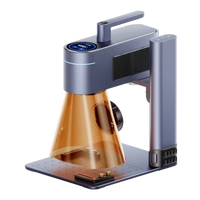
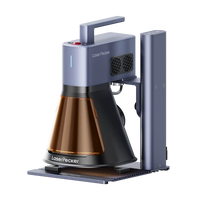
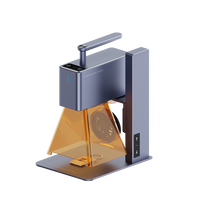
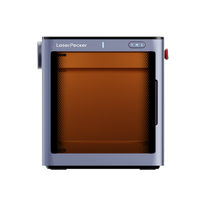
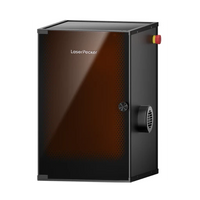
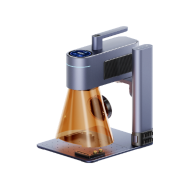
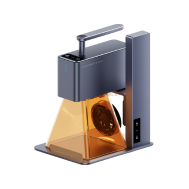
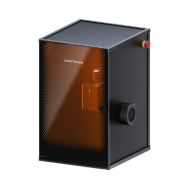
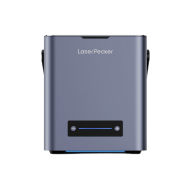
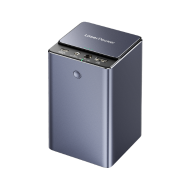
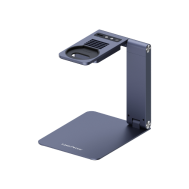
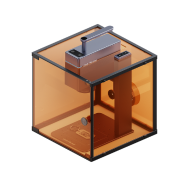
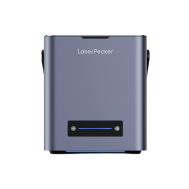
Parmi les solutions de bureau compactes disponibles aujourd’hui, le LP4 est un graveur laser pratique et polyvalent pour les créateurs qui souhaitent travailler sur plusieurs matériaux avec une précision de gravure constante.
Les principaux avantages du LP4 sont les suivants :
-
Technologie à double laser
Le laser à diode bleue intégré de 10 W, associé à un laser infrarouge de 2 W, permet de graver le cuir, le tissu, le bois, les matériaux revêtus et certains métaux avec un seul système compact. -
Flux de travail intelligent sur écran tactile
Le changement rapide de laser et la fonction « Graver à nouveau » améliorent l’efficacité lors de la réalisation de motifs personnalisés répétés ou de petites séries. -
Flexibilité de gravure multi-angle
La structure réglable permet une gravure précise sur les anses de sacs cabas, les poches, les étiquettes en cuir et les surfaces irrégulières souvent utilisées pour les projets de sacs personnalisés. -
Production de précision à grande vitesse
Le LP4 offre des résultats de gravure détaillés, adaptés aux produits personnalisés vendus au détail, aux articles promotionnels de marque et à la production à l’échelle d’un atelier. -
Compatibilité logicielle multiplateforme
La compatibilité avec LightBurn et LaserPecker Design Space permet des flux de travail flexibles sur ordinateur et appareils mobiles.
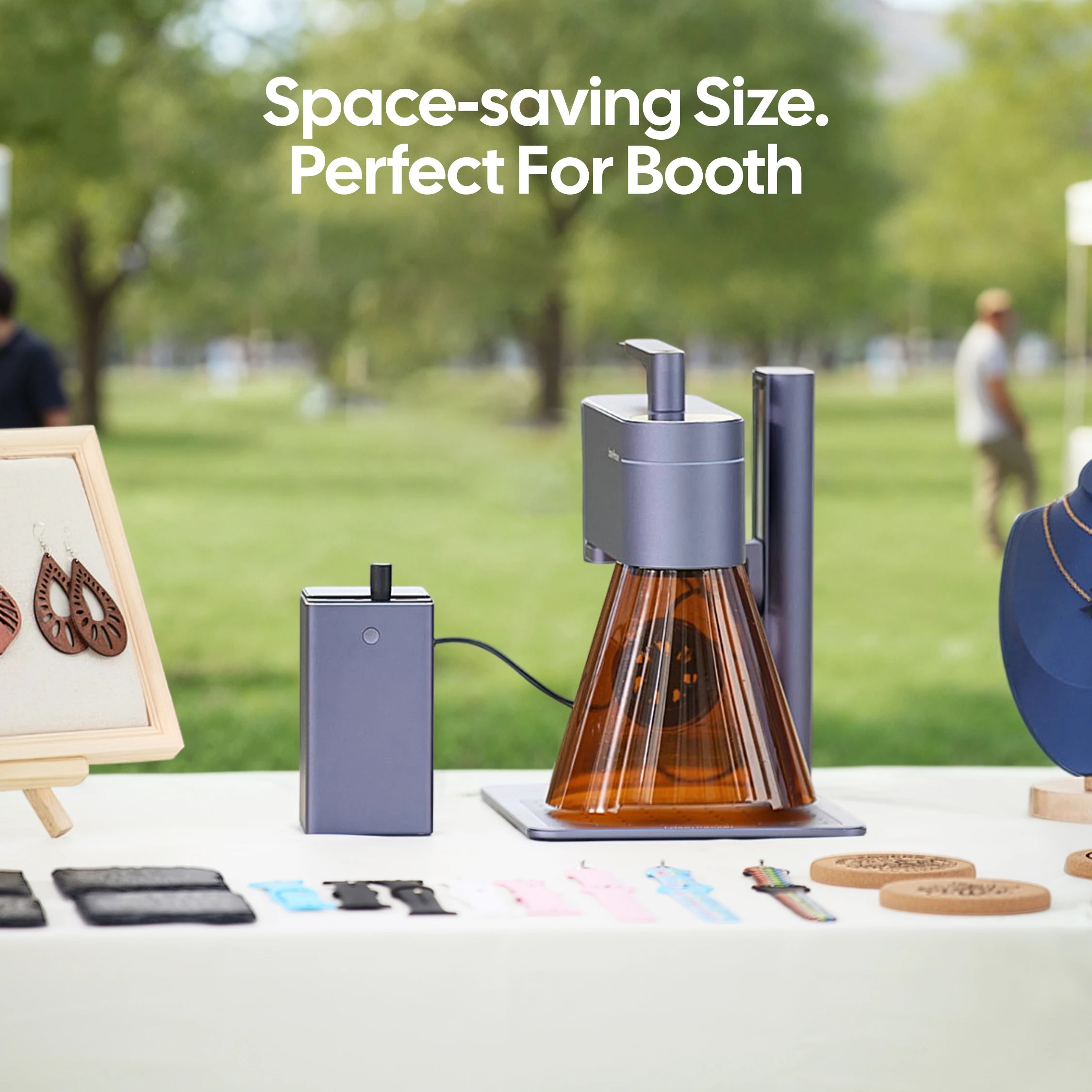
Pour les créateurs et les petites entreprises qui produisent des sacs fourre-tout personnalisés à vendre, le LP4 offre une solution de gravure efficace et professionnelle, avec des résultats homogènes sur plusieurs matériaux.
Partie 5 : Comment fabriquer des sacs fourre-tout personnalisés avec le LP4
Suivez cette procédure étape par étape pour personnaliser des sacs fourre-tout à l’aide du système à double laser LP4. Ce processus convient aux créateurs, aux utilisateurs en atelier et aux petites entreprises créatives travaillant avec de la toile, du denim, des écussons en cuir et des accessoires revêtus.
Étape 1 : Préparer votre motif
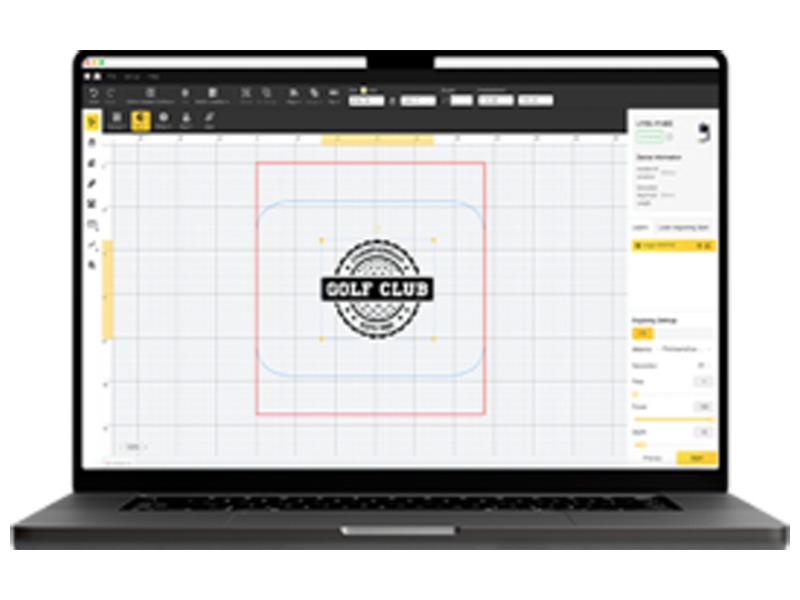
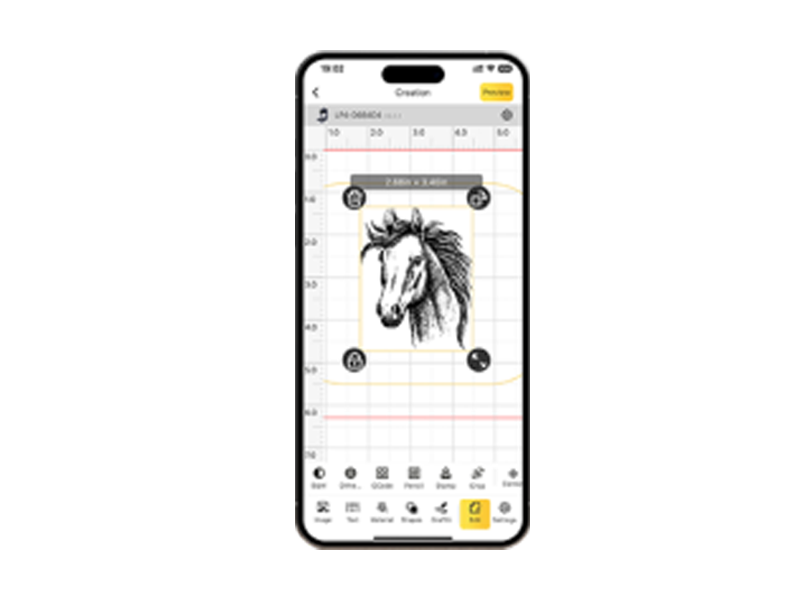
Préparez votre illustration, votre logo ou votre composition de nom au format vectoriel pour une précision optimale de la gravure. Importez le fichier dans LightBurn ou LaserPecker Design Space.
La caméra de positionnement intégrée du LP4 permet de positionner précisément les motifs sur les sacs fourre-tout, les étiquettes ou les écussons avant le début de la gravure.
Étape 2 : Sélectionner le module laser approprié
Choisissez le laser approprié en fonction de votre matériau :
- Utilisez le laser à diode bleue de 10 W pour la toile, le denim, le bambou, le bois et les étiquettes en acrylique
- Utilisez le laser infrarouge de 2 W pour le cuir, les surfaces revêtues et certains métaux
Sélectionner le laser approprié améliore la qualité de la gravure et protège les surfaces en tissu d’une exposition excessive à la chaleur.
Étape 3 : Positionner correctement le sac fourre-tout
Posez le sac fourre-tout à plat sur la surface de gravure et lissez les plis avant de commencer.
Si vous appliquez des écussons ou des étiquettes de marquage, positionnez-les d’abord fermement.
La capacité de gravure multi-angle réglable du LP4 permet une gravure précise sur :
- Anses du sac fourre-tout
- Poches de rangement
- Écussons de marquage en cuir
Étape 4 : Ajuster les paramètres de gravure
Réglez la vitesse de gravure, le niveau de puissance et le nombre de passages en fonction du matériau :
- Cuir : vitesse moyenne avec une puissance faible à moyenne
- Tissu : puissance faible recommandée
- Toile et denim : vitesse faible à moyenne avec plusieurs passages légers pour une meilleure netteté
Il est fortement recommandé de tester les réglages sur un échantillon de matériau avant la gravure finale.
Étape 5 : Commencer la gravure du motif
Après avoir confirmé vos réglages, commencez la gravure.
Avec des vitesses allant jusqu’à 4000 mm/s, le LP4 permet une production personnalisée efficace, adaptée aux articles de vente au détail en petites séries, aux accessoires personnalisés et aux projets réalisés en atelier.
Étape 6 : Nettoyer et finaliser le sac fourre-tout
Après la gravure :
- Retirez tout résidu de la surface
- Appliquez un conditionneur pour cuir si vous travaillez avec des écussons en cuir
- Fixez fermement les écussons s’ils font partie de la composition
Ces étapes de finition contribuent à préserver une apparence professionnelle et une durabilité à long terme.
Partie 6 : FAQ sur la fabrication d’un sac fourre-tout personnalisé
Q1. La gravure laser peut-elle être utilisée sur tous les matériaux de sacs fourre-tout ?
La gravure laser convient particulièrement bien à la toile, au denim, aux écussons en cuir et aux tissus enduits couramment utilisés pour la production de sacs fourre-tout personnalisés. Pour les sacs en coton léger, de nombreux créateurs européens préfèrent graver une étiquette en cuir, puis la fixer ensuite afin d’améliorer la durabilité et la qualité visuelle.
Q2. Quelle méthode de personnalisation des sacs fourre-tout est la plus durable ?
La gravure laser et la broderie sont largement considérées comme les solutions les plus durables. La gravure crée des marquages permanents en surface, tandis que la broderie offre une décoration cousue résistante, qui supporte mieux les lavages fréquents et l’utilisation quotidienne que la plupart des méthodes d’impression.
Q3. Les écussons en cuir gravés au laser sont-ils meilleurs que les logos imprimés ?
Oui. Les écussons en cuir gravés au laser offrent une excellente durabilité, car le motif est gravé de manière permanente dans le matériau. Ils conviennent donc particulièrement aux sacs fourre-tout personnalisés destinés à la vente au détail et aux accessoires de marque utilisés régulièrement par les clients.
Q4. La gravure laser convient-elle aux projets de marquage de petites entreprises ?
La gravure laser convient particulièrement aux petites entreprises artisanales qui produisent des sacs fourre-tout personnalisés. L’utilisation d’un graveur laser compact tel que le LP4 permet de graver efficacement des logos, des codes produit, des numéros de série et des éléments nominatifs personnalisés pour de courtes séries de production.
Q5. Les débutants peuvent-ils personnaliser des sacs fourre-tout avec un graveur laser ?
Oui. De nombreux graveurs laser de bureau sont conçus pour les débutants et les studios créatifs. Avec des logiciels tels que LaserPecker Design Space et LightBurn, les débutants peuvent rapidement préparer leurs mises en page et commencer à graver des motifs personnalisés sur des sacs fourre-tout.
Q6. Quel type de sac fourre-tout convient le mieux à la gravure laser ?
Les sacs fourre-tout en toile et les matières en denim comptent parmi les options les plus adaptées aux projets de gravure laser. Les écussons en cuir sont également largement utilisés en Europe pour créer des éléments de marque personnalisés haut de gamme sur les sacs fourre-tout.
Conclusion
Les sacs fourre-tout personnalisés restent très populaires en Europe pour les cadeaux sur mesure, les projets créatifs et les gammes de produits de petits ateliers, car ils peuvent être facilement adaptés à l’aide de plusieurs méthodes de décoration. Parmi ces techniques, la gravure laser offre l’une des solutions les plus précises et les plus durables pour créer des motifs personnalisés détaillés et durables.
Grâce à un graveur laser compact tel que le LP4, les créateurs peuvent obtenir des gravures nettes sur de la toile, du denim, des écussons en cuir et d’autres matériaux adaptés, ce qui en fait une excellente option pour produire des accessoires personnalisés ou lancer une activité de vente de sacs fourre-tout personnalisés.
Si vous envisagez de créer des sacs fourre-tout gravés avec des résultats réguliers et professionnels, le LP4 constitue un point de départ fiable, aussi bien pour les débutants que pour les petites entreprises.