








































Les boucles de ceinture personnalisées sont populaires auprès des artisans du cuir, des artistes travaillant le métal, des designers et des petites entreprises partout en Europe — et ce n’est pas sans raison. Que vous créiez une boucle de style western, ajoutiez une marque à une gamme de produits ou fabriquiez un cadeau personnalisé, les outils actuels rendent le processus plus efficace et plus facile à déployer.
Dans ce guide, vous découvrirez quels matériaux offrent le meilleur équilibre entre durabilité et finition, quels sont les outils les plus efficaces pour façonner et graver, et pourquoi la gravure laser se distingue par sa précision pour la personnalisation. Nous présenterons également le processus étape par étape pour vous aider à créer une boucle de ceinture personnalisée, que ce soit pour des projets créatifs ou pour une petite entreprise.

Dans cet article :
- Partie 1 : Les meilleurs matériaux pour fabriquer des boucles de ceinture personnalisées
- Partie 2 : Les meilleurs outils pour fabriquer des boucles de ceinture personnalisées
- Outil 1 : Graveuse laser
- Outil 2 : Fraiseuse CNC
- Outil 3 : Outil rotatif (Dremel)
- Outil 4 : Outils de marquage sur métal
- Outil 5 : Kit de gravure chimique
- Partie 3 : Pourquoi la gravure laser est la meilleure méthode pour personnaliser les boucles de ceinture
- Partie 4 : Comment fabriquer une boucle de ceinture personnalisée avec une graveuse laser
- Partie 5 : FAQ sur la fabrication de boucles de ceinture personnalisées
Partie 1 : Les meilleurs matériaux pour fabriquer des boucles de ceinture personnalisées
Lors de la fabrication de boucles de ceinture personnalisées, le choix du matériau joue un rôle essentiel dans la durabilité, la finition et les performances globales. Les différents métaux conviennent à différentes applications, des pièces décoratives à l’utilisation fonctionnelle quotidienne. Voici quelques options de matériaux courantes :
Matériau 1 : Alliage de zinc
L’alliage de zinc est largement utilisé en raison de son prix abordable, de sa légèreté et de sa facilité de moulage. Il peut recevoir une finition polie ou un aspect vieilli, ce qui le rend idéal pour des designs économiques et décoratifs.
Matériau 2 : Laiton
Le laiton est connu pour sa teinte chaleureuse, semblable à celle de l’or, et sa durabilité fiable. Il est facile à graver et à polir, ce qui en fait un choix populaire pour les boucles de ceinture haut de gamme ou décoratives sur divers marchés européens.
Matériau 3 : Acier inoxydable
L’acier inoxydable offre une excellente résistance et une grande résistance à la corrosion, ce qui le rend adapté à une utilisation à long terme. Il est couramment utilisé pour les designs minimalistes ou modernes et permet une gravure laser de haute précision.
Matériau 4 : Aluminium
L’aluminium est léger et polyvalent, ce qui le rend facile à usiner et à personnaliser. Bien qu’il soit moins résistant que l’acier ou le laiton, il convient tout de même à la gravure laser et est souvent utilisé pour des applications légères ou axées sur le design.
Partie 2 : Les meilleurs outils pour fabriquer des boucles de ceinture personnalisées
Après avoir sélectionné le matériau approprié, l’étape suivante consiste à choisir les bons outils pour la personnalisation. Les différents outils varient en précision, en efficacité et en usage, selon le type de design et l’échelle de production.
Outil 1 : Graveur laser
Un graveur laser est largement considéré comme l’outil le plus précis et polyvalent pour les boucles de ceinture personnalisées. Il utilise un faisceau laser concentré pour graver des graphiques détaillés, des logos et du texte sur des surfaces métalliques, avec des bords nets et des résultats uniformes.
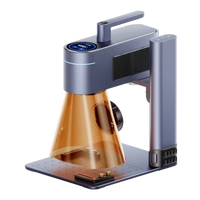
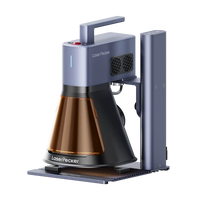
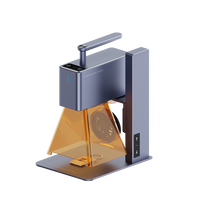
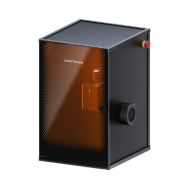
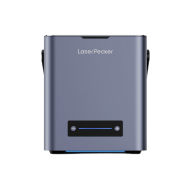
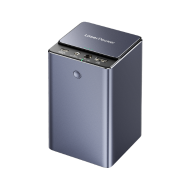
Les graveurs laser à fibre avancés, notamment le LaserPecker LP5, peuvent traiter efficacement des métaux tels que l’acier inoxydable et le laiton. Ils permettent également de créer des effets comme un gaufrage en 3D sur le laiton, ce qui les rend adaptés aussi bien aux projets créatifs qu’à la production commerciale à petite échelle dans toute l’UE.

Outil 2 : Fraiseuse CNC
Une fraiseuse CNC utilise des outils de coupe commandés par ordinateur pour façonner et graver le métal. Elle est particulièrement efficace pour la gravure profonde et les designs en relief. Cependant, elle nécessite davantage de temps de préparation et d’expertise technique qu’un graveur laser.
Outil 3 : Outil rotatif (Dremel)
Un outil rotatif est une solution compacte et portative adaptée aux débutants. Il permet de réaliser des gravures de base et de texturer les surfaces, mais les résultats dépendent fortement de l’habileté de l’utilisateur, ce qui le rend moins adapté aux travaux précis ou répétitifs.
Outil 4 : Outils de frappe sur métal
Les outils de frappe sur métal créent des motifs en pressant des poinçons façonnés sur des surfaces métalliques. Cette technique produit un aspect traditionnel en relief et est couramment utilisée pour le lettrage et les textures décoratives. Elle est économique, mais offre une flexibilité limitée en matière de design.
Outil 5 : Kit de gravure chimique
La gravure chimique utilise une solution réactive pour retirer le métal de certaines zones. L’application d’une couche de réserve permet de créer des motifs spécifiques. Cette méthode est efficace pour les designs détaillés et artistiques, mais elle implique des temps de traitement plus longs et une manipulation prudente des produits chimiques.
Tableau comparatif pour fabriquer des boucles de ceinture personnalisées
| Type d’outil | Précision des détails | Idéal pour | Vitesse | Coût |
|---|---|---|---|---|
| Graveur laser | ★★★★★ | Détails fins, texte, logos, gravure profonde | Très rapide | Moyenne |
| Fraiseuse CNC | ★★★★☆ | Gravure profonde et mise en forme | Moyenne | Élevé |
| Outil rotatif (Dremel) | ★★☆☆☆ | Gravure manuelle et texture | Lente | Faible |
| Outils de marquage du métal | ★★★☆☆ | Designs en relief et décoratifs | Moyenne | Faible |
| Kit de gravure chimique | ★★★★☆ | Motifs complexes | Lente | Faible |
Chaque outil répond à un objectif différent en fonction du résultat souhaité. Les fraiseuses CNC sont idéales pour le façonnage structurel, les outils rotatifs pour les détails réalisés à la main, les outils de marquage pour les finitions en relief et la gravure chimique pour les motifs complexes.
Pour les utilisateurs à la recherche du meilleur équilibre entre précision, vitesse et polyvalence, un graveur laser s’impose comme la solution la plus efficace. Il permet d’obtenir des résultats de haute qualité dans un large éventail d’applications, de la simple gravure de texte aux motifs graphiques complexes.
Partie 3 : Pourquoi choisir un graveur laser pour fabriquer des boucles de ceinture personnalisées
La gravure laser est devenue une solution populaire pour personnaliser les boucles de ceinture grâce à sa combinaison de précision, d’efficacité et de flexibilité. Ses principaux avantages sont les suivants :
- Qualité de gravure précise : idéale pour les logos détaillés, les inscriptions et les motifs décoratifs
- Compatibilité avec plusieurs métaux : fonctionne efficacement sur l’acier inoxydable, le laiton, l’aluminium et les alliages de zinc
- Procédé sans contact : réduit les dommages à la surface et évite l’usure des outils
- Résultats de production uniformes : convient aussi bien aux pièces personnalisées qu’à la fabrication en série
- Vitesse de gravure élevée : améliore l’efficacité du flux de travail et la capacité de production
- Marquages durables : produit des gravures longue durée qui restent bien visibles au fil du temps
La gravure laser convient ainsi aux projets personnels, aux petites entreprises et aux applications de fabrication professionnelle.
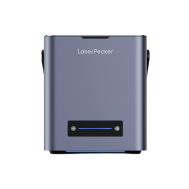
Graveur laser recommandé pour graver des boucles de ceinture : LaserPecker LP5
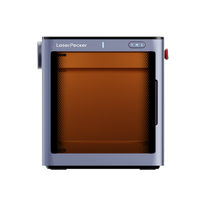
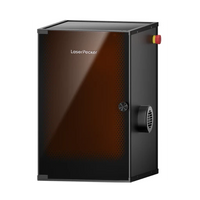
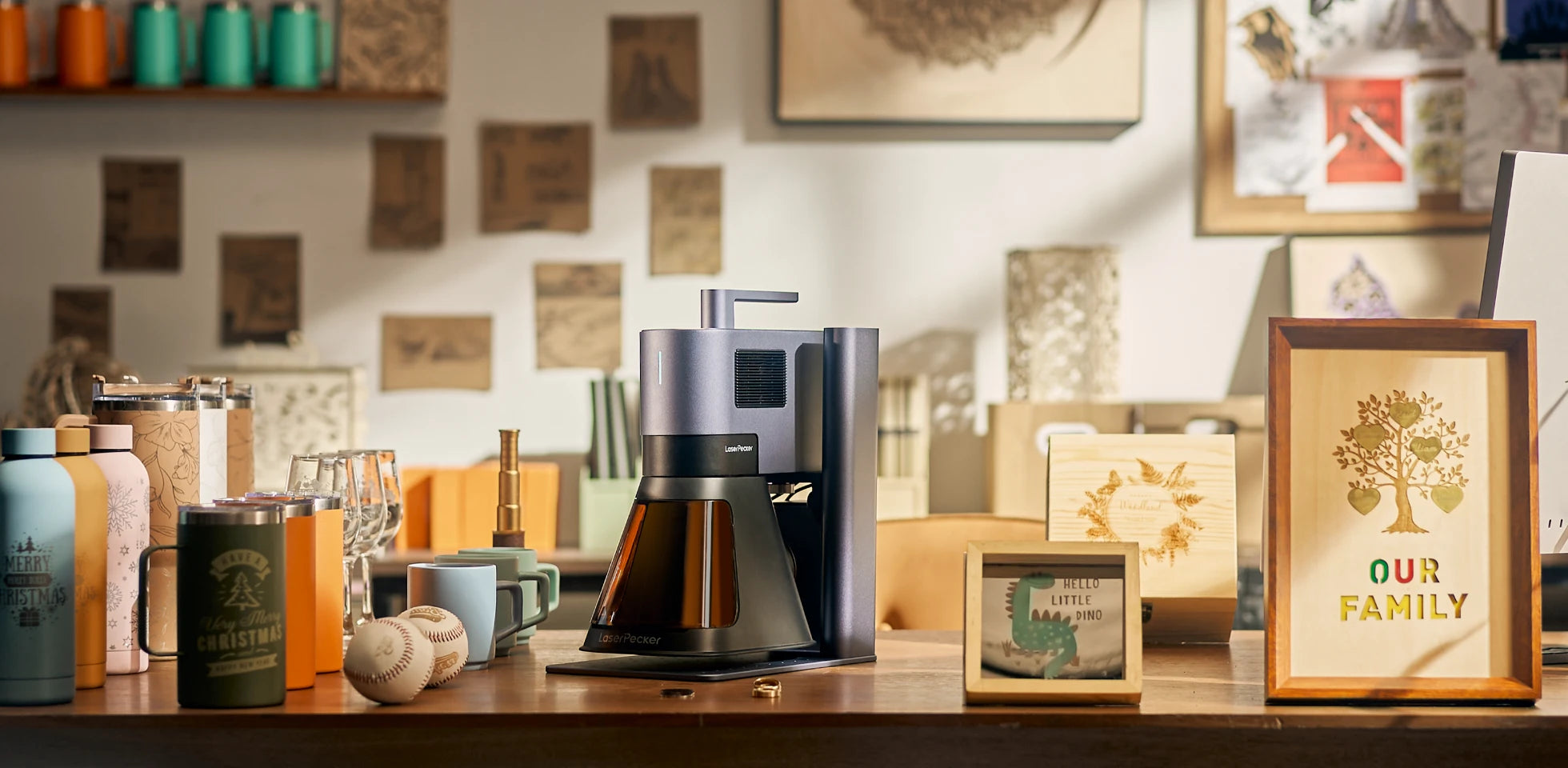
Le LaserPecker LP5, doté d’une technologie laser à fibre de 20 W et à diode de 20 W, convient parfaitement à la gravure de boucles de ceinture en métal. Son laser à fibre permet de réaliser des gravures profondes, des effets de type gaufrage et des détails fins sur différents métaux. Avec des vitesses de gravure allant jusqu’à 10 000 mm/s, il est capable de soutenir efficacement une production à petite échelle.
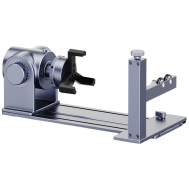
Le LP5 prend également en charge les accessoires rotatifs pour les surfaces courbes et offre une zone de travail plus grande, ce qui le rend adapté au traitement d’objets plus volumineux ou de plusieurs pièces simultanément. Sur les marchés de l’UE, cette combinaison de vitesse, de précision et de flexibilité en fait un choix particulièrement intéressant pour les professionnels de la création comme pour les petites unités de production.
-
Laser à fibre de 20 W pour la gravure de boucles métalliques
Le laser à fibre de 20 W convient parfaitement à la gravure de l’acier inoxydable, du laiton, du titane, de l’aluminium anodisé et d’autres métaux couramment utilisés pour les boucles de ceinture personnalisées. -
Capacité de gravure profonde et de gaufrage
La LP5 peut réaliser des gravures profondes, des effets de type gaufrage et des détails fins sur une large gamme de métaux. -
Gravure de haute précision pour les motifs complexes
La LP5 offre une gravure de haute précision pour les logos détaillés, les lettrages, les motifs décoratifs et les graphismes personnalisés de boucles. -
Vitesse de gravure ultra-rapide de 10 000 mm/s
Avec des vitesses de gravure pouvant atteindre 10 000 mm/s, la LP5 permet une production efficace en petites séries et une personnalisation par lots.
Partie 4 : Comment fabriquer une boucle de ceinture personnalisée avec une graveuse laser
La gravure laser constitue une méthode efficace et précise pour produire des boucles de ceinture personnalisées, notamment pour les motifs détaillés ou la production en petites séries. Voici un guide étape par étape :
Étape 1 : Créer ou importer votre motif
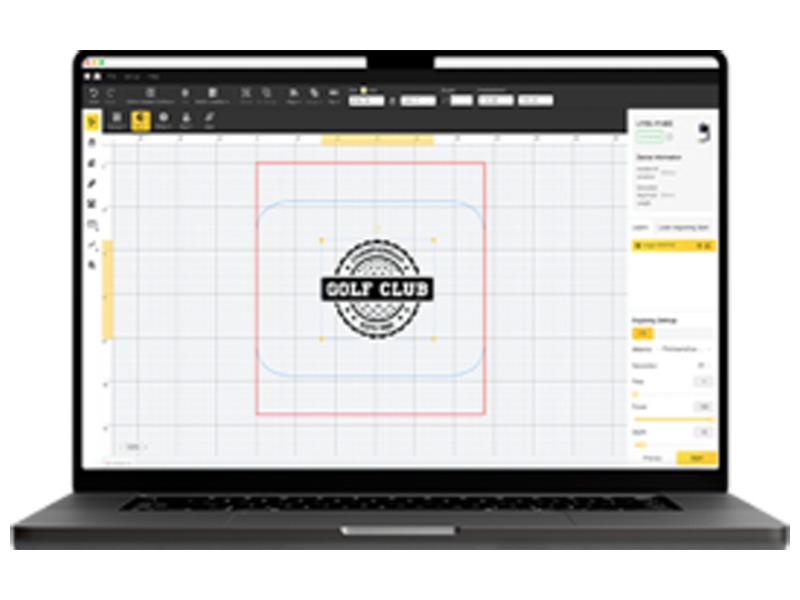
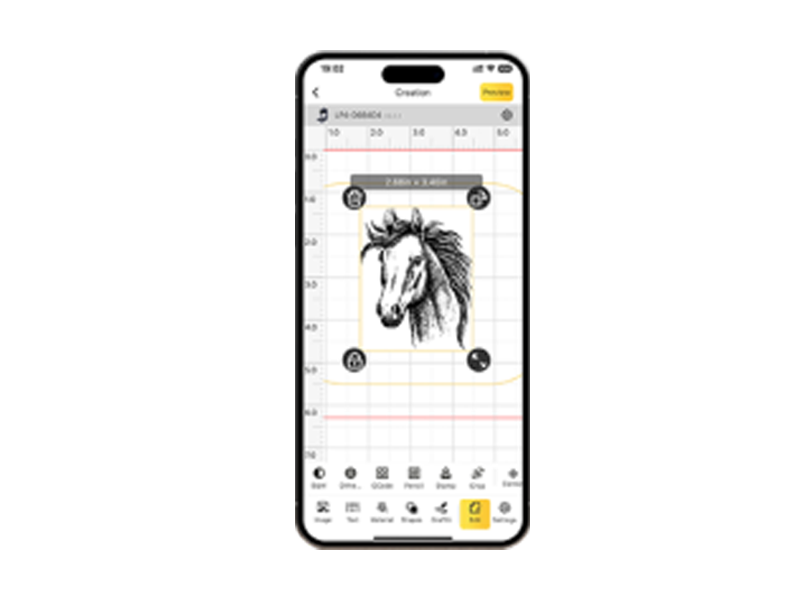
Préparez votre motif, notamment le texte, les logos ou les motifs décoratifs. Importez-le dans votre logiciel laser et redimensionnez-le en fonction de la taille de la boucle.
Étape 2 : Préparer la surface métallique
Nettoyez soigneusement la boucle pour éliminer la graisse, la poussière ou l’oxydation. Une surface propre garantit une meilleure précision et une plus grande homogénéité de la gravure.
Étape 3 : Positionner et fixer la boucle
Fixez la boucle à l’aide d’un support afin d’éviter tout mouvement pendant la gravure. Pour les objets courbés, utilisez un accessoire rotatif afin de maintenir la précision.
Étape 4 : Configurer les paramètres du laser
Réglez les paramètres de la machine en fonction du matériau :
- Les graveuses laser à fibre sont recommandées pour les métaux
- Optimisez la puissance, la vitesse et la profondeur selon la finition souhaitée
- Utilisez plusieurs passages pour obtenir une gravure plus profonde ou des effets de type gaufrage
Étape 5 : Effectuer la gravure
Commencez la gravure. La graveuse laser suivra précisément le motif afin de garantir un résultat net et uniforme.
Étape 6 : Finition et traitement de surface
Après la gravure, nettoyez et polissez la boucle pour éliminer tout résidu. Les options de finition supplémentaires comprennent :
- Finitions vieillies ou brossées
- Galvanoplastie pour une durabilité accrue
- Revêtements protecteurs pour améliorer la résistance à l’usure
Dans les applications à travers l’UE, l’association d’une gravure laser précise et de méthodes de finition appropriées permet d’obtenir à la fois une qualité esthétique et des performances durables.
Partie 5 : FAQ sur la fabrication de boucles de ceinture personnalisées
Q1. Quel est le meilleur métal pour les boucles de ceinture personnalisées ?
Le laiton et l’acier inoxydable sont largement utilisés en raison de leur résistance et de leurs performances en matière de gravure. Le laiton offre une finition décorative et haut de gamme, tandis que l’acier inoxydable garantit une excellente durabilité et une bonne résistance à la corrosion. L’aluminium convient aux applications légères, et l’alliage de zinc constitue une option économique pour les designs moulés.
Q2. La gravure laser est-elle durable sur les boucles métalliques ?
Oui, la gravure laser est une méthode de marquage permanente. Les graveuses laser à fibre créent des gravures profondes qui résistent à l’usure au fil du temps. Contrairement aux revêtements de surface, le design ne s’estompe pas et ne s’écaille pas, ce qui le rend adapté à une utilisation durable.
Q3. Quelle épaisseur est recommandée pour les boucles de ceinture ?
L’épaisseur courante varie de 3 mm à 6 mm, selon le matériau et l’application. Les boucles plus épaisses offrent une meilleure résistance structurelle et permettent une gravure plus profonde, tandis que les modèles plus fins sont utilisés pour des applications légères ou décoratives.
Q4. La gravure laser permet-elle de réaliser des designs complexes ?
Oui, une graveuse laser est capable de produire des designs très détaillés et précis, notamment des motifs fins, des logos et du texte. Elle convient donc aux applications créatives et commerciales.
Q5. La gravure laser convient-elle à une production à petite échelle dans l’UE ?
Oui, la gravure laser est largement utilisée pour la fabrication à petite échelle et les gammes de produits personnalisés. Elle offre des résultats constants, une grande efficacité et une grande flexibilité sur différents matériaux.
Q6. Quelles précautions de sécurité faut-il prendre en compte ?
Lors de l’utilisation d’un équipement de gravure laser, il est essentiel de respecter les mesures de sécurité appropriées. Cela comprend l’utilisation de carters de protection ou de lunettes de protection, ainsi que la mise en place d’une ventilation adéquate ou de systèmes de filtration de l’air, en particulier dans les environnements intérieurs.
Conclusion
La fabrication de boucles de ceinture personnalisées est devenue plus efficace et accessible, que ce soit pour un usage personnel, la création de cadeaux ou une production à petite échelle. En sélectionnant des matériaux et des outils adaptés, il est possible d’obtenir des résultats durables et visuellement soignés, correspondant à différents besoins en matière de design.
La gravure laser reste la méthode la plus efficace, offrant un excellent équilibre entre précision, rapidité et flexibilité. Elle permet de réaliser des designs simples comme complexes, tout en garantissant une qualité constante sur plusieurs pièces.
Quelle que soit la méthode choisie, la création de boucles de ceinture personnalisées ajoute de la valeur grâce au design, au savoir-faire et à la personnalisation. Si vous êtes prêt à commencer, votre prochain projet peut partir d’une simple idée de design.