




























Les chapeaux remplissent des fonctions à la fois pratiques et créatives. Au-delà de la protection contre le soleil, ils sont couramment utilisés pour exprimer une identité personnelle, soutenir une marque ou ajouter un élément de design unique à une tenue quotidienne.
La personnalisation de chapeaux est devenue de plus en plus populaire auprès des particuliers, des créateurs et des petites entreprises. Qu'il s'agisse de partir d'un chapeau vierge ou d'en modifier un existant, l'apprentissage de méthodes de personnalisation fiables rend le processus plus efficace et accessible. Cet article présente des approches pratiques et des outils utiles pour simplifier la création de chapeaux personnalisés.

Dans cet article :
- Partie 1 : Introduction à la personnalisation de chapeaux
- Partie 2 : Personnaliser des chapeaux avant l'achat (conception et impression en ligne)
- Partie 3 : Personnaliser des chapeaux après l'achat (confection de chapeaux DIY)
- Méthode 1 : HTV ou DTF
- Méthode 2 : Cricut
- Méthode 3 : Couture à la main
- Méthode 4 : Gravure Laser
- Partie 4 : Comment personnaliser des chapeaux par gravure laser
- Partie 5 : Conseils pour personnaliser des chapeaux
- Partie 6 : FAQ sur la personnalisation de chapeaux
Partie 1 : Introduction à la personnalisation de chapeaux
La personnalisation de chapeaux consiste à modifier un chapeau standard en y ajoutant des éléments visuels tels que des couleurs, du texte, des logos ou des motifs pour créer un résultat personnalisé. Cela peut être réalisé à l'aide de diverses techniques, notamment la couture, l'application thermique, les écussons ou des méthodes basées sur le laser.
Pourquoi personnaliser des chapeaux
Les chapeaux personnalisés sont largement utilisés par les particuliers et les organisations qui recherchent une alternative plus distinctive aux couvre-chefs génériques. En personnalisant un chapeau, un simple article peut être transformé en une déclaration personnelle ou en un outil de branding reconnaissable.

Les raisons courantes de personnaliser des chapeaux incluent :
- Mettre en avant sa créativité ou son style individuel
- Représenter des équipes, des groupes ou des identités de marque
- Marquer des événements ou des occasions spéciales
- Produire des produits dérivés en petite série ou sur mesure
Les chapeaux personnalisés peuvent avoir une importance personnelle ainsi qu'une valeur pratique. Un design personnalisé peut servir de souvenir, tandis que les chapeaux de marque favorisent la reconnaissance de la marque et la visibilité à long terme.
Avantages de la personnalisation de chapeaux
Les chapeaux personnalisés offrent plusieurs avantages :
- Flexibilité de conception : Les couleurs, les graphiques et le texte peuvent être adaptés à des préférences ou des objectifs spécifiques.
- Différenciation visuelle : Les chapeaux personnalisés aident à distinguer le porteur ou la marque des produits du marché de masse.
- Cadeau significatif : Les chapeaux personnalisés sont bien adaptés aux cadeaux et à une utilisation commémorative.
Partie 2 : Personnaliser des chapeaux avant l'achat (conception et impression en ligne)
La personnalisation de chapeaux en ligne permet aux utilisateurs de concevoir des chapeaux personnalisés avant de les acheter, sans avoir besoin d'outils spécialisés ou de compétences manuelles. Ces plateformes fournissent généralement une gamme de types de chapeaux, de couleurs et de techniques de décoration, ainsi que des aperçus numériques du produit final. Cette méthode est couramment utilisée pour les commandes personnelles, les articles promotionnels et les produits dérivés en petite série.
Méthode 1 : Printify
Printify est une plateforme d'impression à la demande qui simplifie le processus de création de chapeaux personnalisés en ligne. Les utilisateurs peuvent choisir parmi différents styles et couleurs de chapeaux, appliquer des designs ou des logos, et sélectionner des options de broderie si elles sont disponibles. La production et l'expédition sont gérées par Printify, réduisant ainsi le besoin de gestion des stocks ou de la logistique.
L'interface de conception en ligne permet aux utilisateurs d'examiner leur personnalisation avant de passer commande, ce qui aide à garantir la précision et la cohérence.

Méthode 2 : Printful
Printful propose des services de personnalisation en ligne pour une large gamme de chapeaux, y compris les casquettes snapback, les bonnets et les styles décontractés. La plateforme prend en charge la broderie et les designs imprimés et convient aussi bien aux petites commandes qu'aux cycles de production plus importants. Cela fait de Printful une option pratique pour les entreprises, les organisations ou les groupes nécessitant des couvre-chefs de marque cohérents.
Partie 3 : Personnaliser des chapeaux après l'achat (confection de chapeaux DIY)
La personnalisation de chapeaux DIY permet aux créateurs de modifier des chapeaux unis après l'achat en utilisant une gamme de techniques manuelles et basées sur l'équipement. Cette approche offre une plus grande flexibilité dans le choix du design et des matériaux, ce qui la rend adaptée aux projets personnels, au travail créatif et à la production à petite échelle.
Méthode 1 : HTV ou DTF
Le HTV et le DTF sont des méthodes thermiques couramment utilisées pour appliquer des graphismes sur des chapeaux.
Le HTV utilise du vinyle découpé qui est pressé à chaud sur le chapeau et est idéal pour les textes ou les logos simples.
Le DTF permet de transférer des designs en couleur et détaillés à l'aide d'un film imprimé, ce qui le rend adapté à des œuvres d'art plus complexes.
Les deux techniques sont compatibles avec le coton, le polyester et les tissus mélangés.
Méthode 2 : Cricut
Les machines Cricut sont fréquemment utilisées dans la personnalisation de chapeaux DIY pour découper du vinyle et des matériaux thermocollants. Les designs découpés sont ensuite appliqués sur les chapeaux à l'aide de la chaleur.
Cette méthode est accessible aux débutants et est souvent utilisée pour des articles personnalisés, des cadeaux ou des séries de production limitées.
Méthode 3 : Couture à la main
La couture à la main permet une personnalisation directe par le biais de points de suture, de broderie ou en fixant des éléments décoratifs tels que des écussons ou des perles.
Bien que chronophage, cette méthode permet un haut niveau de détail et d'individualité, ce qui la rend adaptée aux designs artistiques ou aux produits artisanaux.
Méthode 4 : Gravure Laser
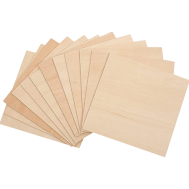
La gravure laser est utilisée pour personnaliser des chapeaux en gravant des motifs sur des matériaux compatibles tels que des écussons en cuir, des éléments en bois ou des types de tissus spécifiques. Le processus crée des marquages permanents avec une profondeur et une clarté constantes.
Les principaux avantages incluent :
- Des résultats durables sans décollement ni décoloration.
- Une haute précision pour les designs détaillés
- Une finition raffinée adaptée aux produits haut de gamme ou de marque
La gravure laser est couramment choisie pour les projets nécessitant de la durabilité et une qualité reproductible.
Partie 4 : Comment personnaliser des chapeaux par gravure laser
La gravure laser offre une méthode précise et durable pour personnaliser les chapeaux, particulièrement lorsqu'elle est utilisée avec des écussons en cuir, des éléments en bois ou des matériaux synthétiques compatibles. Les étapes ci-dessous décrivent un processus typique de gravure laser pour la personnalisation de chapeaux.
1. Choisir un matériau de chapeau adapté
La gravure laser est plus efficace sur des matériaux tels que le cuir, le similicuir, le bois, certains tissus sélectionnés et certaines surfaces synthétiques. Pour les chapeaux standard en coton ou en polyester, des écussons gravés sont souvent recommandés.
2. Choisir votre design
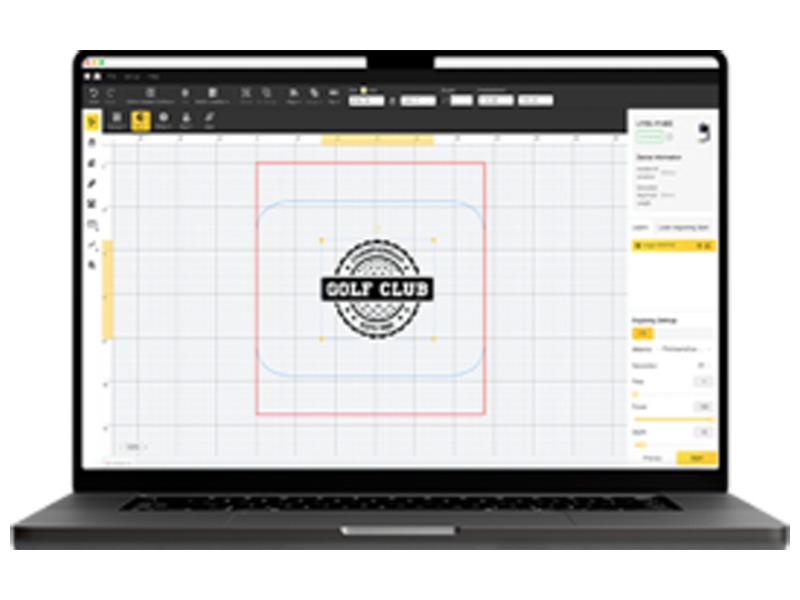
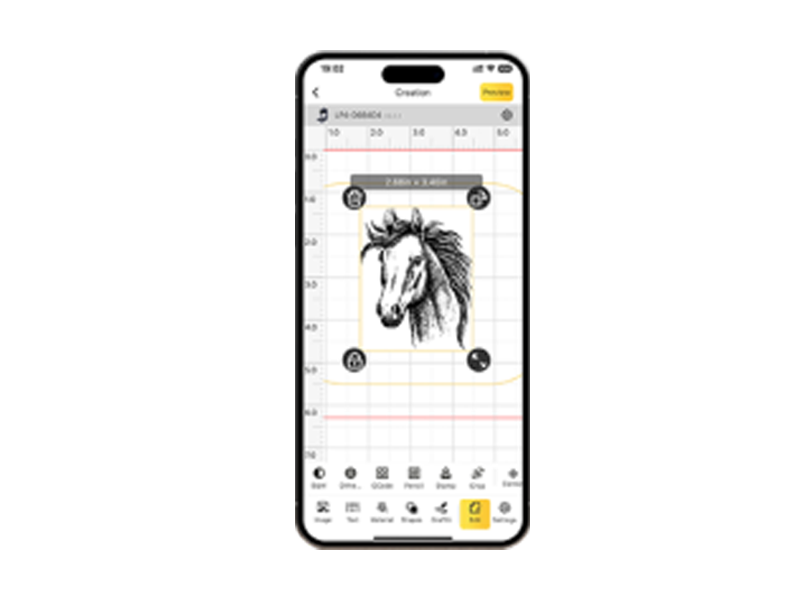
Créez ou importez votre design à l'aide d'un logiciel graphique compatible, tel que LaserPecker Design Space ou LightBurn. Assurez-vous que la taille du motif correspond à la zone de gravure du chapeau ou de l'écusson.
3. Configuration et test du laser
Réglez la puissance, la vitesse et la résolution du laser en fonction du matériau sélectionné. Testez toujours les réglages sur un échantillon de matériau avant de graver la pièce finale.
4. Mettre le chapeau en place
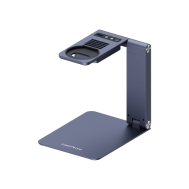
Positionnez le chapeau ou la surface de gravure de manière sécurisée pour éviter tout mouvement pendant l'opération. Un placement stable garantit une gravure nette et constante.
5. Graver
Lancez le travail de gravure en utilisant les réglages sélectionnés. Surveillez le processus et arrêtez-le si des ajustements sont nécessaires.
6. Étapes finales
Une fois la gravure terminée, nettoyez tout résidu et inspectez le motif. Le chapeau gravé est maintenant prêt à être utilisé ou à subir d'autres étapes d'assemblage.

Graveur laser recommandé pour les chapeaux personnalisés
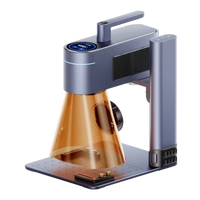
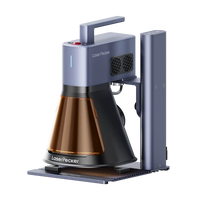
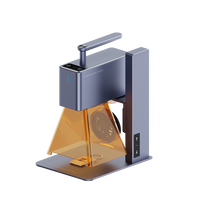
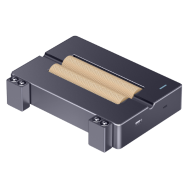
Le LaserPecker LP4 est un graveur laser compact conçu pour les créateurs qui ont besoin de flexibilité sur de multiples matériaux. Il dispose d'un laser à diode de 10W (450 nm) pour des matériaux tels que le bois, le cuir et le plastique, ainsi que d'un laser infrarouge de 2W (1064 nm) pour graver les métaux, y compris l'acier inoxydable et l'aluminium.

La zone de gravure standard mesure environ 160 × 120 mm, avec une extension optionnelle disponible pour les designs plus grands. Des vitesses de gravure élevées et la prise en charge d'une résolution détaillée permettent une production efficace et constante.
Sa conception compacte et son système à double laser rendent le LP4 adapté aux projets personnels, aux studios de création et aux applications commerciales à petite échelle impliquant des composants de chapeaux personnalisés.
Partie 5 : Conseils pour personnaliser des chapeaux
Une planification minutieuse et une attention particulière aux détails peuvent grandement améliorer la qualité et la durabilité des chapeaux personnalisés. Les conseils suivants aident à garantir des résultats constants et professionnels.
1. Sélectionner un type de chapeau adapté
Tous les chapeaux ne conviennent pas à chaque méthode de personnalisation. Les casquettes telles que les chapeaux de baseball et les snapbacks sont idéales pour la broderie, le transfert thermique ou les motifs imprimés. Les surfaces en cuir et en similicuir fonctionnent particulièrement bien pour la gravure laser. Les bonnets sont souvent mieux personnalisés avec des écussons cousus ou des embellissements brodés. Adaptez toujours la méthode au matériau.
2. Commencer par des designs simples
Pour les débutants, il est recommandé de commencer par des designs simples tels que des initiales, des phrases courtes ou des symboles basiques. Ces motifs sont plus faciles à appliquer, réduisent les erreurs et offrent tout de même un aspect soigné. Des designs plus complexes pourront être introduits à mesure que vos compétences se développent.
3. Utiliser des matériaux de haute qualité
Des chapeaux et des fournitures de haute qualité mènent à de meilleurs résultats à long terme. Les tissus durables conservent leur forme, les fils solides résistent à l'effilochage, et les vinyles ou matériaux de transfert de qualité résistent à l'usure régulière. Les matériaux de basse qualité peuvent se dégrader rapidement et affecter la finition globale.
4. Prêter attention au placement du motif
Le placement du motif affecte à la fois l'esthétique et la longévité. Les designs centrés à l'avant sont couramment utilisés pour un look propre et professionnel, tandis que les placements latéraux peuvent offrir un style plus contemporain. Évitez de placer des motifs sur des zones soumises à des pliages ou des frottements fréquents.
5. Considérer le contraste des couleurs
Le choix des couleurs joue un rôle clé dans l'impact visuel. Les designs à fort contraste sont audacieux et accrocheurs, tandis que les combinaisons de couleurs subtiles offrent une apparence raffinée. Tenez compte de l'environnement d'utilisation et du public cible lors de la sélection des combinaisons de couleurs.
6. Suivre les consignes de sécurité
Lors de l'utilisation de chaleur, d'adhésifs ou d'équipements de gravure laser, suivez toujours les consignes de sécurité. Utilisez un équipement de protection approprié et assurez une ventilation adéquate pour maintenir un environnement de travail sûr.
Partie 6 : FAQ sur la personnalisation de chapeaux
Q1. Est-ce que tous les chapeaux peuvent être personnalisés en Europe ?
La plupart des chapeaux peuvent être personnalisés, mais les résultats dépendent du matériau et de la méthode utilisés. Les chapeaux en tissu conviennent à la broderie et à l'impression, tandis que les chapeaux en cuir fonctionnent mieux avec la gravure laser. Choisir la bonne technique garantit la durabilité et une finition nette.
Q2. Combien de temps prend généralement la personnalisation d'un chapeau ?
Les personnalisations simples telles que les transferts de vinyle ou la broderie de base peuvent être réalisées en 30 minutes. Les méthodes plus complexes comme la gravure laser ou la couture manuelle nécessitent plus de temps. La préparation du design joue un rôle clé dans l'efficacité.
Q3. Quelle méthode de personnalisation de chapeau est la meilleure pour les débutants ?
Pour les débutants dans l'UE, le vinyle de transfert thermique (HTV) est un point de départ pratique. C'est abordable, facile à apprendre et adapté aux petits projets. Les services de chapeaux personnalisés en ligne sont également idéaux pour une première expérience.
Q4. La gravure laser endommage-t-elle les chapeaux ?
Lorsqu'elle est utilisée correctement, la gravure laser n'endommage pas les chapeaux fabriqués dans des matériaux appropriés comme le cuir ou le similicuir. Tester d'abord les réglages de puissance et de vitesse aide à prévenir la surchauffe. Suivez toujours les consignes de sécurité de la machine.
Q5. Peut-on utiliser plusieurs techniques de personnalisation sur un seul chapeau ?
Oui, combiner les techniques est une approche populaire. De nombreux créateurs associent la broderie avec des écussons gravés au laser ou des éléments imprimés. Cela permet une plus grande liberté créative et des résultats haut de gamme.
Q6. Les chapeaux personnalisés sont-ils efficaces pour le branding sur le marché de l'UE ?
Oui, les chapeaux personnalisés sont des outils de branding très efficaces sur le marché de l'UE. Ils sont portables, réutilisables et offrent une forte visibilité au quotidien. De nombreuses entreprises utilisent des chapeaux personnalisés pour des campagnes promotionnelles, des uniformes d'équipe, des événements et des produits dérivés, car ils aident à accroître la reconnaissance de la marque tout en offrant une valeur pratique au porteur. Lorsqu'ils sont bien conçus, les chapeaux personnalisés peuvent également s'aligner sur les préférences de style locales, ce qui les rend adaptés à un large éventail de publics européens.
Notes de sécurité :
Pour les utilisateurs à travers l'Europe, la sécurité est primordiale lors de la gravure laser sur un chapeau en tissu ou d'autres matériaux délicats.
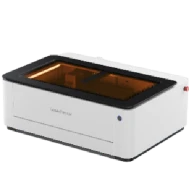
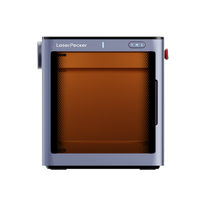
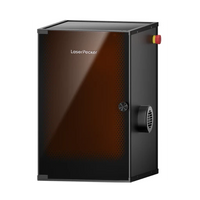
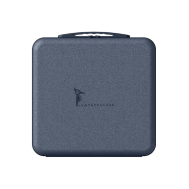
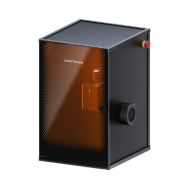
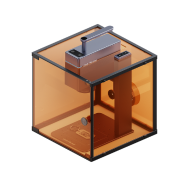
- Utilisateurs LP2 Plus, LP2, et LP4 : Nous recommandons de coupler votre machine avec le Boîtier Standard LaserPecker lors d'une utilisation à domicile ou en atelier en Europe. Cet accessoire renforce la protection, complétant la conformité de sécurité laser de Classe 4 des machines selon les directives.
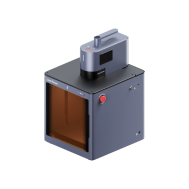
- Utilisateurs LP5 : Le boîtier de sécurité LP5 est requis pour une protection adéquate pendant le fonctionnement. Il garantit le respect des réglementations de sécurité de l'UE, protégeant contre toute exposition accidentelle dans des environnements résidentiels ou de petites entreprises.
- Utilisateurs LX2 : Aucun boîtier supplémentaire n'est nécessaire. Le LX2 est un système laser de Classe 1, ce qui signifie qu'il est sûr à utiliser sans équipement de protection supplémentaire dans des conditions de fonctionnement normales.
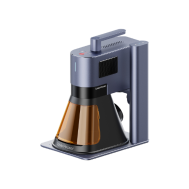
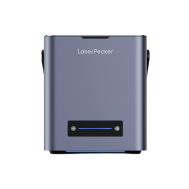
Au-delà de la sécurité laser, la qualité de l'air est une considération clé pour les ateliers en intérieur. Le traitement au laser génère des fumées et des particules fines qui peuvent affecter la santé respiratoire. Pour respecter les directives sur la qualité de l'air intérieur et maintenir un espace de travail propre et sûr, nous recommandons vivement d'utiliser le Purificateur d'air de bureau LaserPecker, particulièrement pour les maisons et studios fermés ou bien isolés.
Conclusion
Personnaliser des chapeaux offre un moyen pratique et créatif de mettre en valeur son style personnel, de soutenir des efforts de branding ou de fabriquer des cadeaux attentionnés. Que vous utilisiez un service de conception en ligne avant l'achat ou que vous personnalisiez un chapeau uni par des méthodes DIY, les options sont vastes et accessibles. Les techniques vont des transferts de vinyle et de la couture facile à des méthodes de précision telles que la gravure laser, s'adaptant à différents styles et budgets.
Grâce aux conseils et aux idées présentés dans cet article, vous êtes désormais bien préparé pour donner vie à vos créations de chapeaux. Que ce soit pour un usage personnel, des événements ou une production à petite échelle, choisir la bonne approche de personnalisation peut sublimer vos designs et garantir que vos chapeaux marquent les esprits de manière durable.