




























Les coques de téléphone jouent un rôle important dans la protection des smartphones, mais elles offrent également une opportunité de personnaliser votre appareil. Des plateformes de conception en ligne aux approches DIY pratiques, personnaliser une coque de téléphone vous permet de combiner protection et style individuel.
Dans ce guide, nous présenterons cinq façons pratiques de personnaliser des coques de téléphone, allant de solutions simples à des méthodes plus avancées. Nous examinerons également de plus près pourquoi la gravure laser gagne en popularité à travers l'UE pour créer des designs de coques de téléphone durables et de haute qualité.

Dans cet article :
- Partie 1 : Pourquoi les gens aiment les coques de téléphone personnalisées
- Partie 2 : Personnaliser des coques de téléphone avant l'achat
- Partie 3 : Personnaliser des coques de téléphone après l'achat
- Méthode 1 : Cricut
- Méthode 2 : Imprimante 3D
- Méthode 3 : Imprimante UV
- Méthode 4 : Graveur Laser
- Partie 4 : Comment personnaliser des coques de téléphone par gravure laser
- Partie 5 : Conseils pour les coques de téléphone personnalisées par gravure laser
- Partie 6 : FAQ sur la personnalisation des coques de téléphone
Partie 1 : Pourquoi les gens aiment les coques de téléphone personnalisées
Les coques de téléphone personnalisées sont de plus en plus populaires car elles équilibrent protection et style personnel. Dans toute l'UE, les utilisateurs choisissent des coques personnalisées pour plusieurs raisons clés :
- L'expression personnelle, en utilisant des designs, des graphismes ou du texte qui reflètent leur identité.
- Des options de cadeaux significatives, idéales pour des présents personnalisés et des occasions spéciales.
- Une protection fiable du téléphone sans sacrifier le design ou l'apparence.
En combinant fonctionnalité et design, les coques de téléphone personnalisées transforment une nécessité pratique en un objet du quotidien personnalisé.

Partie 2 : Personnaliser des coques de téléphone avant l'achat
Les plateformes de personnalisation en ligne permettent de concevoir facilement une coque de téléphone avant de l'acheter. En téléchargeant votre design et en le prévisualisant instantanément, vous pouvez vous assurer que le produit final correspond à vos attentes avant de passer commande.
Printful :
Printful permet aux utilisateurs de créer des coques de téléphone personnalisées à l'aide d'un outil de conception en ligne. Vous pouvez ajouter des images, du texte ou des graphismes et prévisualiser le résultat final avant l'achat. Cette méthode convient parfaitement aux utilisateurs recherchant une option d'impression à la demande fiable avec une configuration minimale.
Shutterfly :
L'outil de personnalisation en ligne de Shutterfly permet aux utilisateurs de concevoir des coques à partir de photos personnelles, de citations ou d'éléments décoratifs. Grâce aux aperçus en temps réel, il est facile d'ajuster les mises en page et de s'assurer que la coque finie ressemble exactement à ce qui était prévu avant de commander.

Partie 3 : Personnaliser des coques de téléphone après l'achat
Après l'achat d'une coque de téléphone, vous disposez encore de nombreuses options pour la personnaliser. Ces méthodes de personnalisation post-achat vont des simples solutions DIY aux techniques de production professionnelles.
Méthode 1 : Personnaliser des coques de téléphone avec Cricut
Les machines Cricut sont largement utilisées dans l'UE pour la personnalisation DIY à base de vinyle.
Comment ça marche :
Les designs sont créés numériquement, découpés dans du vinyle, puis appliqués sur la surface de la coque du téléphone.
Pourquoi choisir cette méthode :
Faible coût d'entrée
Facile à apprendre et à modifier
Adapté aux motifs décoratifs
Limites :
Le vinyle peut s'user avec le temps sans revêtement protecteur.
Méthode 2 : Personnaliser des coques de téléphone avec une imprimante 3D
L'impression 3D permet un contrôle total sur la structure et l'apparence de la coque.
Comment ça marche :
Vous concevez une coque sur mesure et l'imprimez en utilisant des filaments rigides ou flexibles selon vos besoins.
Pourquoi choisir cette méthode :
Liberté créative maximale
Personnalisation fonctionnelle (poignées, textures)
Limites :
Nécessite des connaissances techniques et un équipement approprié.
Méthode 3 : Personnaliser des coques de téléphone avec une imprimante UV
L'impression UV est couramment utilisée pour la production de coques de qualité commerciale.
Comment ça marche :
L'encre UV est imprimée et durcie instantanément, formant une surface durable et riche en couleurs.
Pourquoi choisir cette méthode :
Excellente précision des couleurs
Designs imprimés durables
Limites :
Le coût élevé de l'équipement limite cette méthode aux cadres professionnels.
Méthode 4 : Personnaliser des coques de téléphone avec un graveur laser
La gravure laser offre une personnalisation précise et durable avec une apparence raffinée.
Comment ça marche :
Le laser grave des motifs dans la surface de la coque, créant un contraste par la profondeur et la texture.
Ce que vous pouvez graver :
Motifs, illustrations et logos
Texte et éléments de branding
Designs minimalistes ou haut de gamme
Pourquoi choisir cette méthode :
Résultats permanents et extrêmement durables
Qualité constante pour les cadeaux ou la production en petite série
Fonctionne bien sur des matériaux comme le métal, le bois et le cuir
Limites :
La couleur dépend du matériau, bien que des remplissages de peinture puissent être ajoutés pour un meilleur rendu visuel.
Tableau comparatif : Méthodes de personnalisation de coques de téléphone
| Méthode | Coût | Complexité | Flexibilité du design | Durabilité | Idéal pour | Équipement requis |
|---|---|---|---|---|---|---|
| Cricut (Vinyle) | Bas–Moyen | Faible | Élevée (texte, formes, motifs) | Moyenne | Débutants, changements de design fréquents | Machine Cricut, vinyle |
| Impression 3D | Moyen–Élevé | Élevée | Très élevée (formes sur mesure, textures) | Élevée (dépend du matériau) | Makers, utilisateurs DIY avancés | Imprimante 3D, filament |
| Impression UV | Élevé | Moyen–Élevé | Élevée (impressions couleur) | Élevée | Designs professionnels, branding | Imprimante UV, encre UV |
| Gravure Laser | Moyen–Élevé | Moyenne | Élevée (designs détaillés et élégants) | Très élevée | Cadeaux premium, petites entreprises | Graveur laser |
Partie 4 : Comment personnaliser des coques de téléphone par gravure laser
La gravure laser offre un moyen précis et durable de personnaliser les coques de téléphone, alliant exactitude technique et liberté créative. Elle est largement utilisée dans toute l'UE pour une personnalisation haut de gamme et des résultats de qualité professionnelle.
Étape 1 : Choisir la bonne coque de téléphone
Les matériaux tels que le plastique, le silicone, le cuir, le bois et le métal réagissent bien à la gravure laser. Les surfaces lisses aident à obtenir une profondeur de gravure et un contraste constants.
Étape 2 : Préparer votre design
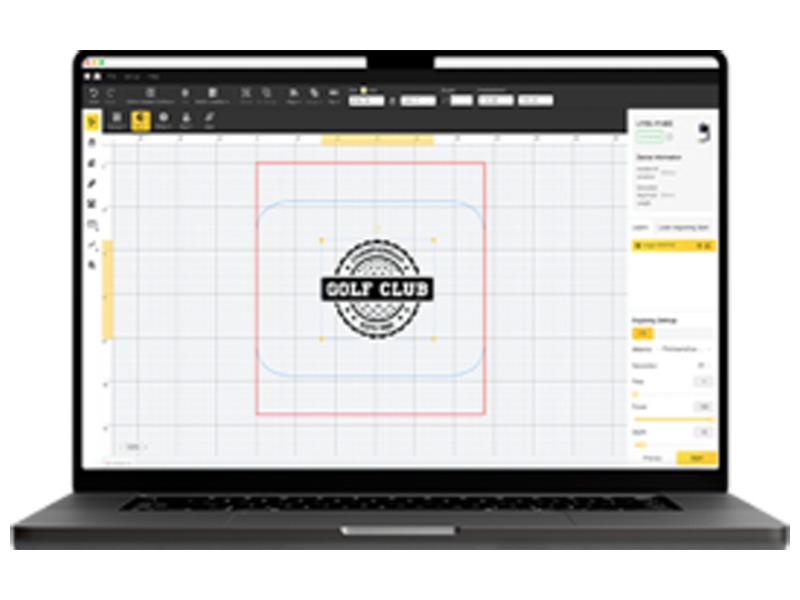
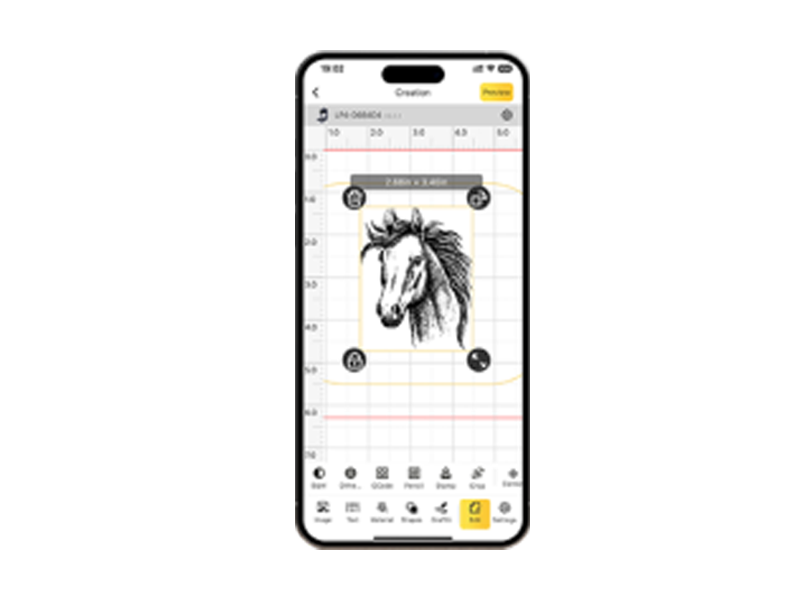
Créez ou importez votre œuvre à l'aide d'un logiciel de conception graphique tel que LaserPecker Design Space ou LightBurn.
- Les fichiers vectoriels (SVG, AI) sont idéaux pour des textes et des tracés nets.
- Les images bitmap peuvent être utilisées pour des effets d'ombrage ou photographiques.
Les designs à fort contraste produisent généralement les meilleurs résultats de gravure.
Étape 3 : Préparer la machine
Ajustez la puissance, la vitesse et la mise au point du laser en fonction du matériau. Fixez fermement la coque du téléphone en place et utilisez la fonction d'aperçu ou de cadrage pour garantir un positionnement précis avant la gravure.
Étape 4 : Lancer le processus de gravure
Commencez la gravure et laissez le laser marquer la surface avec précision. Surveillez le processus pour garantir une profondeur et une clarté constantes.
Étape 5 : Nettoyage et finition
Retirez tout résidu et inspectez la gravure. Un revêtement protecteur peut être appliqué si vous le souhaitez. Pour les coques en cuir, l'application d'un assouplissant après la gravure aide à maintenir la souplesse et l'apparence.

Choisir une machine de gravure laser adaptée aux coques de téléphone
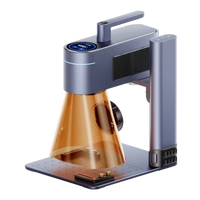
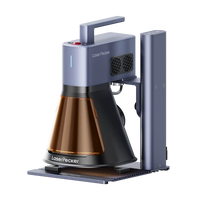
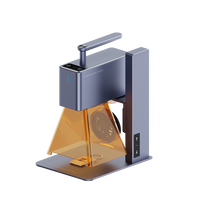
Le choix du bon graveur laser est essentiel pour obtenir des résultats constants et professionnels. Un système à double laser, tel que le LaserPecker LP4 Portable IR & Diode Laser, est une option pratique pour les utilisateurs qui travaillent avec une variété de matériaux de coques de téléphone.

Caractéristiques clés à rechercher
- Capacité double laser : Un laser à diode bleue convient aux matériaux comme le bois et les plastiques, tandis qu'un laser infrarouge est idéal pour les coques en métal et en cuir.
- Large compatibilité de matériaux : Un graveur polyvalent doit prendre en charge des centaines de matériaux, y compris le verre enduit, les tissus, l'acrylique et le cuir.
- Haute vitesse et précision : Des vitesses de gravure rapides combinées à une résolution fine permettent de réaliser des designs nets et détaillés efficacement — utile tant pour les amateurs que pour les petites entreprises.
- Logiciels intuitifs : Vous pouvez l'utiliser depuis une application mobile ou votre ordinateur. Il fonctionne également avec LightBurn pour les designs plus complexes.
- Design compact et adapté aux séries : Un faible encombrement s'intègre facilement dans les ateliers à domicile, tandis que des extensions optionnelles permettent la gravure par lots pour une plus grande efficacité.
Partie 5 : Conseils pour personnaliser des coques de téléphone par gravure laser
Obtenir des coques de téléphone gravées au laser de haute qualité nécessite une attention particulière aux détails et le respect de bonnes pratiques de sécurité. Les conseils suivants vous aideront à garantir des résultats fiables et constants.
1. Commencez par des designs simples
Commencez par du texte simple, des icônes ou des logos. Les designs simples se gravent de manière plus régulière et vous permettent de comprendre comment différents matériaux réagissent avant de passer à des créations plus complexes.
2. Ajustez soigneusement la puissance et la profondeur
Des réglages laser corrects sont essentiels. Une puissance trop élevée peut endommager les matériaux, tandis qu'une puissance trop faible réduit la visibilité. Les tests et les ajustements progressifs permettent d'atteindre le bon équilibre.
3. Utilisez toujours la fonction d'aperçu
L'aperçu de votre design permet de vérifier l'alignement et la taille sur la coque de téléphone. Cette étape aide à éviter les erreurs de positionnement et à réduire le gaspillage de matériaux.
4. Testez avant de graver la coque finale
Utilisez des matériaux de test ou des échantillons pour affiner vos réglages. Les essais vous permettent d'ajuster le contraste, la profondeur et le positionnement avant de graver la coque de téléphone finale.
5. Respectez les bonnes pratiques de sécurité
Portez des lunettes de protection laser adaptées, assurez une ventilation suffisante et utilisez toutes les fonctions de sécurité fournies avec votre équipement de gravure.
Partie 6 : FAQ sur la personnalisation des coques de téléphone
Q1. Toutes les coques de téléphone peuvent-elles être gravées au laser ?
Non. Les meilleurs résultats sont généralement obtenus avec des matériaux comme le plastique rigide, le cuir, le bois et les métaux revêtus. Les matériaux souples comme le silicone ou le TPU peuvent être gravés, mais les résultats dépendent de la qualité et de l'épaisseur de la surface. Il est toujours recommandé de tester sur une zone ou un échantillon.
Q2. Un logiciel de conception professionnel est-il nécessaire ?
Un logiciel professionnel n'est pas indispensable pour les designs simples. De nombreuses machines de gravure incluent des applications basiques adaptées au texte et aux images simples. Pour un contrôle plus avancé du design et des mises en page complexes, des logiciels comme Illustrator ou LightBurn sont couramment utilisés.
Q3. Quel est le coût typique de la personnalisation d'une coque de téléphone ?
Les coques de téléphone personnalisées commandées en ligne coûtent généralement entre 20 € et 45 €, selon le matériau et la méthode d'impression. La personnalisation DIY nécessite un investissement initial plus élevé pour l'équipement, mais le coût de production par coque diminue avec le temps — en particulier pour les petites entreprises ou les séries répétées.
Q4. Peut-on vendre des coques de téléphone personnalisées comme activité commerciale ?
Oui. Les coques de téléphone personnalisées sont populaires dans toute l'UE comme cadeaux et accessoires lifestyle. Les services d'impression à la demande réduisent les risques liés aux stocks, tandis que la gravure laser ou l'impression UV permettent de proposer des produits personnalisés plus haut de gamme. Les canaux de vente tels que les marketplaces en ligne, les boutiques indépendantes et les événements locaux peuvent tous être efficaces.
Q5. Les coques de téléphone gravées au laser sont-elles durables pour un usage quotidien ?
Oui. La gravure laser crée des marquages permanents qui résistent aux rayures, au pelage et à la décoloration. Sur des matériaux appropriés, les coques gravées au laser sont très durables et bien adaptées à un usage quotidien, y compris avec une manipulation fréquente.
Q6. La gravure laser sur coques de téléphone est-elle autorisée pour un usage commercial dans l'UE ?
Oui, la gravure laser sur coques de téléphone est autorisée à des fins commerciales dans toute l'UE. Les entreprises doivent cependant s'assurer de respecter les réglementations locales en matière de sécurité et éviter de graver des designs protégés par des droits d'auteur ou des marques sans autorisation appropriée. Il est également important de vérifier que les matériaux de la coque — comme le cuir, les plastiques revêtus ou les matériaux synthétiques — sont adaptés au traitement laser.
Remarques de sécurité :
Pour les utilisateurs en Europe, la sécurité est primordiale lors de la gravure laser sur une coque de téléphone en silicone ou sur d'autres matériaux délicats.
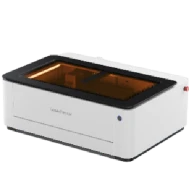
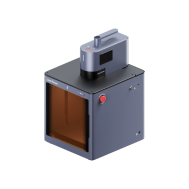
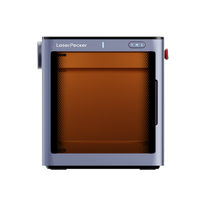
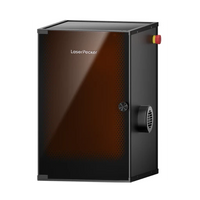
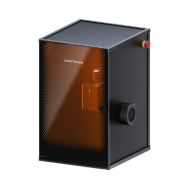
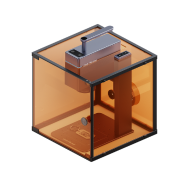
- LP2 Plus, LP2 et les utilisateurs du LP4 : nous recommandons d'associer votre machine au LaserPecker Standard Enclosure lors d'une utilisation à domicile ou dans un atelier en Europe. Cet accessoire améliore la protection et complète la conformité des machines aux normes de sécurité laser de classe 4.
- Utilisateurs du LP5 : Le LP5 Safety Enclosure est requis pour assurer une protection adéquate pendant l'utilisation. Il garantit la conformité aux réglementations de sécurité de l'UE et protège contre toute exposition accidentelle dans les environnements résidentiels ou les petites entreprises.
- Utilisateurs du LX2 : aucun boîtier supplémentaire n'est nécessaire. Le LX2 est un système laser de classe 1, ce qui signifie qu'il peut être utilisé en toute sécurité sans équipement de protection supplémentaire dans des conditions d'utilisation normales.
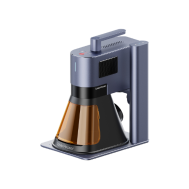
Au-delà de la sécurité liée au laser, la qualité de l'air est un élément essentiel pour les ateliers en intérieur. Le traitement laser génère des fumées et des particules fines susceptibles d'affecter la santé respiratoire. Afin de respecter les recommandations en matière de qualité de l'air intérieur et de maintenir un espace de travail propre et sûr, nous recommandons vivement l'utilisation du LaserPecker Desktop Air Purifier, en particulier dans les maisons et studios fermés ou bien isolés.
Conclusion
Les coques de téléphone personnalisées permettent de combiner design, fonctionnalité et durabilité dans un seul accessoire. De la personnalisation rapide en ligne aux techniques DIY plus avancées, il existe de nombreuses façons de créer une coque de téléphone qui correspond à la fois à votre style personnel et à votre niveau d'expérience technique.
La gravure laser est particulièrement appréciée pour sa finition permanente et de haute qualité, transformant de simples coques de téléphone en objets durables et professionnels. En choisissant des matériaux adaptés et en appliquant un design réfléchi, vous pouvez créer une coque personnalisée qui restera distinctive et fiable au fil du temps.