




























Les tasses Yeti sont largement utilisées à travers l'Europe grâce à leur durabilité, leur aspect moderne et leurs performances de longue durée. Personnaliser une tasse Yeti — que ce soit avec un nom, un logo d'entreprise ou un motif personnalisé — est un moyen populaire de créer des cadeaux uniques ou des articles promotionnels de haute qualité.
Dans ce guide, nous explorons quatre méthodes efficaces pour graver des tasses Yeti, allant des solutions de gravure laser de précision aux techniques de bricolage (DIY) pratiques. Chaque méthode est adaptée à différents niveaux d'expérience, outils et préférences créatives, permettant aux utilisateurs de l'UE de trouver l'approche de gravure la plus appropriée.

Dans cet article :
Méthode 1 : Graver des tasses Yeti avec une machine de gravure laser
Dans toute l'UE, la gravure laser est considérée comme l'un des moyens les plus fiables et les plus précis pour personnaliser les tasses Yeti. Le processus élimine le revêtement en poudre ou grave directement l'acier inoxydable, produisant des résultats durables de qualité professionnelle adaptés à un usage personnel et commercial.
Cette méthode est couramment choisie par les amateurs, les petites entreprises et les studios de gravure professionnels de l'UE qui recherchent une qualité constante et une durabilité à long terme.
Équipement requis pour la gravure laser de tasses Yeti
- Machine de gravure laser à fibre
- Tasse Yeti (les versions avec revêtement en poudre offrent des résultats à plus haut contraste)
- Extension rotative (pour faire pivoter la tasse en douceur pendant la gravure)
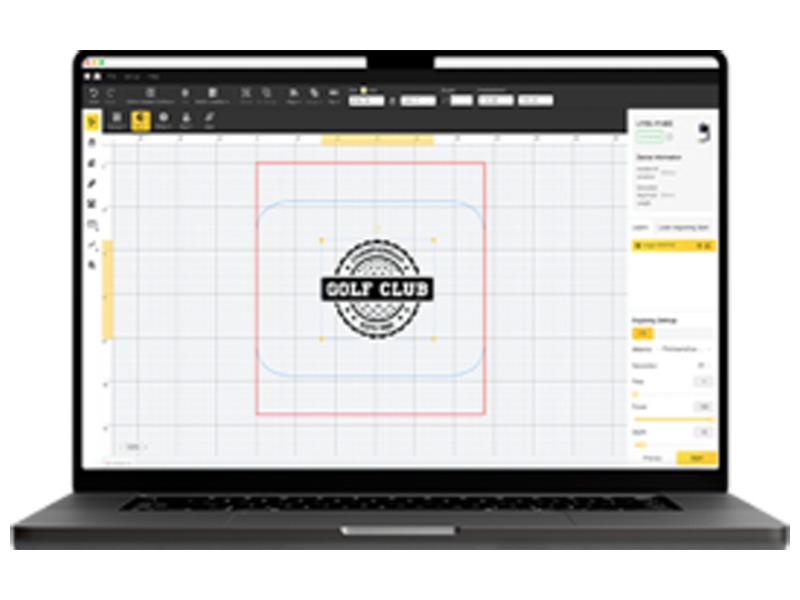
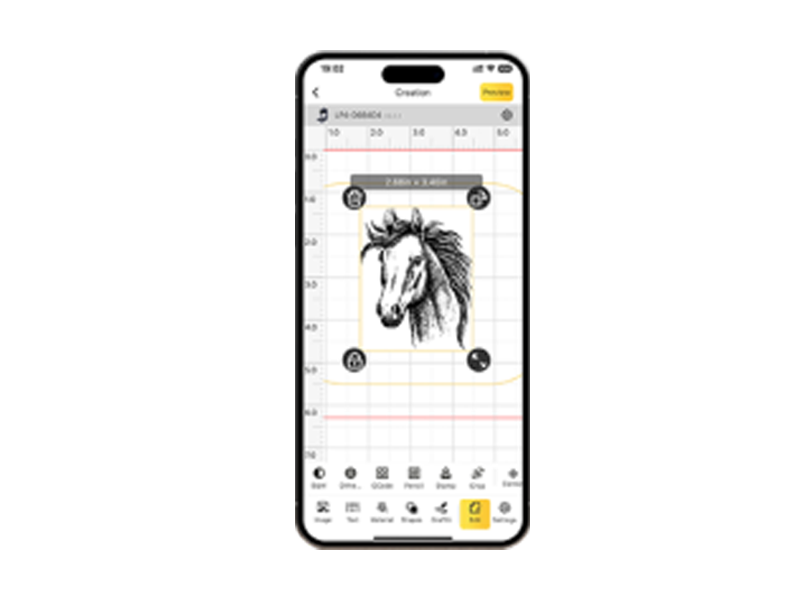
- Logiciel de conception (ex : LightBurn, Logiciel LaserPecker & Application)
Étapes pour graver une tasse Yeti avec un laser à fibre
Étape 1 : Créer votre design
Préparez votre texte ou vos graphismes à l'aide d'un logiciel de conception et mettez le design à l'échelle avec précision pour la surface courbe de la tasse.
Étape 2 : Préparer la tasse
Nettoyez soigneusement la tasse Yeti avec de l'alcool isopropylique pour éliminer les huiles et les débris. Fixez solidement la tasse sur un accessoire rotatif pour éviter tout mouvement pendant la gravure.
Étape 3 : Sélectionner un graveur laser à fibre approprié
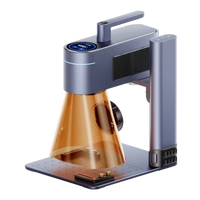
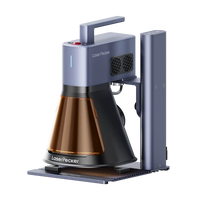
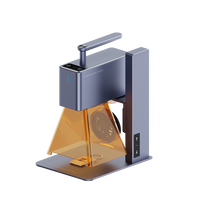
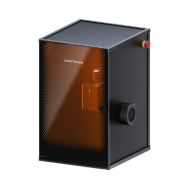
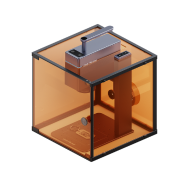
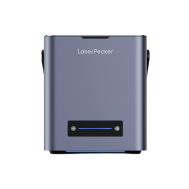
La gravure de tasses en acier inoxydable nécessite un laser à fibre capable d'un marquage métallique à haute vitesse et haute précision. Les machines compactes telles que le LaserPecker LP5 sont parfaitement adaptées à cette application.
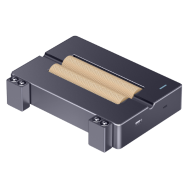
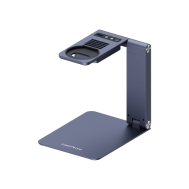
Le LP5 offre des vitesses de gravure très élevées, ce qui améliore l'efficacité lors du travail sur les contenants de boisson. Il prend également en charge la gravure en couleur sur les surfaces en acier inoxydable, permettant des résultats plus avancés et décoratifs sur les tasses Yeti. Son écosystème d'accessoires — comprenant des fixations rotatives et des outils de positionnement supplémentaires — prend en charge une large gamme de formes de tasses et de configurations de gravure.
Étape 4 : Configurer les paramètres du laser
Réglez la puissance, la vitesse et la mise au point appropriées en fonction du matériau et du revêtement de la tasse. Activez le mode de gravure rotative dans le logiciel.
Étape 5 : Lancer la gravure
Lancez le travail et surveillez la précision et la sécurité. Faites une pause si des ajustements sont nécessaires.
Étape 6 : Nettoyage après gravure
Essuyez la tasse pour enlever les résidus. Polissez ou appliquez éventuellement des touches de finition.
Avantages et limites de la gravure laser de tasses Yeti
Avantages :
Gravure de haute précision et durable
Convient aux surfaces revêtues de poudre et en acier inoxydable
Excellent choix pour les logos, les graphismes détaillés et la production à petite échelle
Limites :
Le coût d'investissement initial est relativement élevé par rapport aux méthodes manuelles
Méthode 2 : Graver des tasses Yeti avec un outil rotatif ou un stylo de gravure
Dans toute l'UE, l'utilisation d'un outil rotatif ou d'un stylo de gravure électrique est une approche simple et manuelle pour graver les tasses Yeti. Cette méthode séduit les amateurs qui préfèrent une personnalisation pratique et souhaitent graver des textes de base, des symboles ou des motifs sans logiciel de conception numérique.
Bien qu'elle manque de précision de niveau industriel, elle reste adaptée aux petits projets de bricolage et à un usage personnel.
Outils requis :
- Outil rotatif ou stylo de gravure électrique
- Tasse Yeti (idéalement en acier inoxydable ou revêtue de poudre)
- Pince, étau ou tapis antidérapant
- Chiffon de polissage ou papier de verre fin
Étapes pour graver une tasse Yeti avec un outil rotatif
Étape 1 : Planifier votre design
Dessinez votre motif directement sur la tasse avec un marqueur, ou utilisez un pochoir comme guide.
Étape 2 : Fixer la tasse
Placez le Yeti dans une pince ou sur un tapis antidérapant pour le maintenir stable pendant la gravure.
Étape 3 : Choisir la bonne fraise
Fixez une fraise de gravure fine adaptée aux surfaces métalliques.
Étape 4 : Commencer la gravure
Tenez l'outil comme un stylo et tracez lentement votre motif avec une pression légère et constante. Ne forcez pas la fraise — laissez-la glisser naturellement.
Étape 5 : Nettoyer et finir
Essuyez la surface pour enlever la poussière et les particules métalliques. Polissez éventuellement la zone pour un aspect plus propre.
Avantages et limites de l'utilisation d'un outil rotatif sur les tasses Yeti
Avantages :
Abordable et largement accessible pour les utilisateurs à domicile
Aucun logiciel, programmation ou configuration de machine requis
Idéal pour les designs simples et les projets DIY occasionnels
Limites
Nécessite une main sûre et de la pratique pour obtenir des résultats propres
Moins précis que les méthodes de gravure laser ou CNC
Prend du temps pour les designs détaillés ou complexes
Une profondeur ou une clarté de ligne irrégulière peut survenir
Méthode 3 : Graver des tasses Yeti avec une CNC rotative
Sur le marché de l'UE, la gravure CNC rotative est reconnue comme une méthode fiable et de qualité industrielle pour graver des objets cylindriques comme les tasses Yeti. Grâce à un quatrième axe rotatif, le système CNC fait pivoter la tasse pendant l'usinage, offrant des résultats de gravure constants et reproductibles.
Cette approche est souvent choisie par les petites entreprises, les fablabs (makerspaces) et les environnements de production professionnelle de l'UE où la précision et la répétabilité sont essentielles.
Outils requis :
- Fraiseuse ou tour CNC de bureau avec un axe rotatif (4ème axe)
- Logiciel de CAO/FAO (CAD/CAM)
- Fraise de gravure (ex : fraise en V ou fraise au carbure pour le métal)
- Tasse Yeti (acier inoxydable, revêtement par poudre)
Étapes pour graver une tasse Yeti avec une CNC rotative
Étape 1 : Créer le design
Utilisez un logiciel de CAO pour concevoir votre texte ou vos graphismes. Convertissez le fichier en trajectoire d'outil à l'aide d'un logiciel de FAO prenant en charge le mode rotatif.
Étape 2 : Monter la tasse Yeti
Fixez la tasse horizontalement à l'aide de l'axe rotatif. Assurez-vous qu'elle est fermement maintenue et bien centrée.
Étape 3 : Installer la fraise de gravure
Insérez la bonne fraise et effectuez le "zéro" sur la surface de la tasse. Alignez les axes X, Y et l'axe rotatif (axe A).
Étape 4 : Définir les paramètres du matériau
Choisissez la bonne vitesse, le taux d'avance et la profondeur de coupe en fonction du matériau (ex : des vitesses plus lentes pour l'acier inoxydable).
Étape 5 : Lancer le travail de gravure
Lancez le programme et laissez la machine CNC faire pivoter et graver le motif automatiquement.
Étape 6 : Nettoyer et finir
Après la gravure, brossez les débris et essuyez la tasse. Optionnel : polissez ou appliquez un revêtement protecteur.
Avantages et limites de la gravure CNC rotative
Avantages :
Résultats très précis et hautement reproductibles
Produit des gravures durables et résistantes
Idéal pour les séries de production et une image de marque cohérente
Limites :
Coût initial élevé pour la machine CNC et l'ajout de l'axe rotatif
Nécessite de solides connaissances en logiciels de CAO/FAO
La configuration, l'alignement et l'étalonnage peuvent prendre beaucoup de temps
Méthode 4 : Graver des tasses Yeti via Citristrip et Cricut
Dans l'UE, l'utilisation de Citristrip combinée à une machine de découpe Cricut est une alternative de bricolage (DIY) populaire pour personnaliser les tasses Yeti à revêtement par poudre sans équipement industriel. Au lieu de graver le métal, cette méthode élimine sélectivement le revêtement en poudre pour exposer l'acier inoxydable en dessous.
Elle est particulièrement adaptée aux projets domestiques, aux cadeaux et à la personnalisation à petite échelle, plutôt qu'à la production commerciale.
Outils requis :
- Cricut Maker
- Vinyle adhésif
- Bande de transfert (transfer tape)
- Gel décapant Citristrip
- Tasse Yeti (doit impérativement être dotée d'un revêtement par poudre)
Étapes pour « graver » une tasse Yeti avec Citristrip + Cricut
Étape 1 : Concevoir votre pochoir
Créez ou importez votre design dans le Cricut Design Space et découpez-le dans du vinyle adhésif.
Étape 2 : Appliquer le pochoir sur la tasse
Échenillez le vinyle et utilisez la bande de transfert pour placer le pochoir sur la tasse. Appuyez fermement et scellez bien les bords pour éviter les fuites.
Étape 3 : Masquer le reste de la tasse
Utilisez du ruban de masquage pour protéger toutes les zones exposées que vous ne souhaitez pas modifier.
Étape 4 : Appliquer le Citristrip
En portant des gants, utilisez un pinceau ou un coton-tige pour étaler une fine couche de Citristrip sur la zone du motif exposé.
Étape 5 : Attendre et retirer le revêtement
Laissez agir pendant 30 à 60 minutes. Ensuite, grattez ou essuyez délicatement le revêtement ramolli pour révéler le métal en dessous.
Étape 6 : Nettoyage
Retirez le pochoir, nettoyez la tasse avec de l'eau ou de l'alcool, et polissez si vous le souhaitez.
Avantages et limites de l'utilisation de Citristrip avec une Cricut
Avantages :
Solution DIY économique et accessible aux débutants
Permet des designs personnalisés en utilisant uniquement une machine Cricut
Aucun équipement de gravure spécialisé n'est requis
Limites :
Convient uniquement aux tasses avec revêtement par poudre (pas au métal nu)
Ce n'est pas une véritable gravure — le motif est en surface
Nécessite un masquage méticuleux pour éviter des bords irréguliers
FAQ sur la gravure de tasses Yeti
Q1 : Quel est le moyen le plus précis de graver des tasses Yeti dans l'UE ?
La gravure laser est généralement l'option la plus précise, suivie de près par la gravure CNC rotative, en particulier pour les applications professionnelles ou commerciales à petite échelle.
Q2 : La gravure laser de tasses Yeti est-elle adaptée aux petites entreprises ?
Oui. Dans l'UE, la gravure laser est largement utilisée par les petites entreprises et les créateurs car elle offre des résultats constants et permet une production répétée avec un minimum de variations.
Q3 : Peut-on graver des tasses Yeti sans machines industrielles ?
Oui. Les outils rotatifs ou les stylos de gravure permettent une gravure manuelle, tandis que la méthode Cricut et Citristrip offre une alternative non mécanique pour les tasses à revêtement par poudre.
Q4 : Les tasses Yeti gravées vont-elles au lave-vaisselle ?
Les tasses Yeti gravées au laser ou à la CNC passent généralement au lave-vaisselle. Pour les méthodes DIY, le lavage à la main est recommandé afin de préserver l'apparence du motif.
Q5 : Quels matériaux peut-on graver sur les tasses Yeti ?
Les tasses Yeti sont généralement fabriquées en acier inoxydable avec ou sans revêtement par poudre. La gravure laser et CNC fonctionne sur les deux, tandis que le Citristrip ne retire que le revêtement par poudre.
Q6 : Quelle méthode de gravure est la meilleure pour un cadeau personnalisé unique ?
Pour des cadeaux isolés ou des projets personnels, les outils de gravure manuelle ou la méthode basée sur la Cricut sont souvent suffisants et plus rentables que les systèmes de gravure industriels.
Conclusion
La personnalisation des tasses Yeti en Europe offre plusieurs options pratiques, selon vos objectifs de production et l'équipement disponible. La gravure laser et la gravure CNC rotative offrent des résultats constants et durables, et sont parfaitement adaptées à un usage professionnel ou commercial à petite échelle.
Pour les amateurs et les utilisateurs à domicile, les outils de gravure manuelle ou l'approche Citristrip et Cricut permettent une personnalisation créative sans machines industrielles. En comprenant les points forts et les limites de chaque méthode, les utilisateurs de l'UE peuvent choisir la technique de gravure qui correspond le mieux à leur budget, à leur flux de travail et à leurs attentes en matière de design.