








































Un coffret à bijoux en bois est à la fois un objet de rangement fonctionnel et un souvenir précieux. Le fabriquer soi-même vous donne un contrôle total sur le matériau, les dimensions et le design, vous permettant de créer un objet qui correspond à votre style personnel ou constitue un cadeau unique. Des modèles minimalistes aux coffrets décoratifs plus détaillés, les possibilités à explorer sont nombreuses.
Il existe deux méthodes courantes pour fabriquer un coffret à bijoux en bois : la fabrication artisanale traditionnelle et la découpe laser. Chaque approche offre des avantages différents selon la précision, le niveau de détail et le temps requis.
Dans ce guide, nous comparons les deux méthodes et expliquons comment créer un coffret à bijoux en bois par découpe laser, afin de vous aider à déterminer quelle option correspond le mieux à vos compétences et aux besoins de votre projet.

Dans cet article :
- Partie 1 : Deux méthodes courantes pour fabriquer un coffret à bijoux en bois
- Méthode 1 : Fabriquer un coffret à bijoux en bois de manière artisanale
- Méthode 2 : Fabriquer un coffret à bijoux en bois par découpe laser
- Partie 2 : Fabrication artisanale ou découpe laser : quelle méthode choisir
- Partie 3 : Comment fabriquer un coffret à bijoux en bois par découpe laser
- Partie 4 : Conseils pour fabriquer un coffret à bijoux en bois parfait
- Partie 5 : FAQ sur la fabrication d’un coffret à bijoux en bois
Partie 1 : Deux méthodes courantes pour fabriquer un coffret à bijoux en bois
Un coffret à bijoux en bois peut être fabriqué à l’aide de techniques artisanales traditionnelles ou de la découpe laser moderne. Le choix de la méthode dépend de votre expérience, des outils disponibles et du niveau de précision et de personnalisation que vous souhaitez obtenir.
Méthode 1 : Fabriquer un coffret à bijoux en bois de manière artisanale
La fabrication artisanale est une méthode classique de travail du bois qui consiste à découper, poncer et assembler manuellement des panneaux en bois. Les outils couramment utilisés comprennent des scies, des ciseaux à bois, des ponceuses et des serre-joints.
Le processus commence par la sélection d’un bois approprié. Les panneaux sont ensuite mesurés et découpés aux dimensions requises avant d’être assemblés à l’aide de joints collés. Des éléments décoratifs, tels que des motifs sculptés ou des incrustations, peuvent être ajoutés pour rehausser le design final.
Cette approche produit un résultat distinctif et artisanal. Cependant, elle exige du temps et un certain niveau d’expertise en menuiserie. Les erreurs lors de la découpe ou de l’assemblage peuvent entraîner des espaces, des surfaces irrégulières ou des couvercles mal alignés. Le degré de personnalisation dépend largement du niveau de compétence de l’artisan, et les modèles complexes sont généralement difficiles à réaliser manuellement.
Facteurs à prendre en compte concernant la durabilité :
Les coffrets à bijoux en bois bien fabriqués et réalisés dans un bois de qualité peuvent durer des années. Les matériaux couramment utilisés comprennent :
- Chêne : réputé pour sa solidité et sa durabilité
- Érable : offre stabilité et finition raffinée
Un alignement correct du fil du bois lors de l’assemblage améliore l’intégrité structurelle et la longévité.
Limites :
- Processus chronophage
- Nécessite de la pratique et de la précision
- Risque accru d’erreurs coûteuses
- Peu adaptée à la production rapide de plusieurs pièces
Méthode 2 : Fabriquer une boîte à bijoux en bois par découpe laser
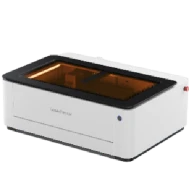
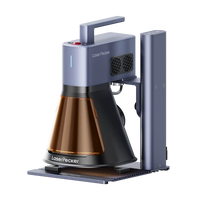
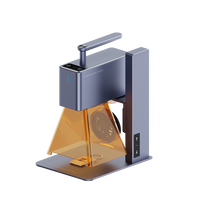
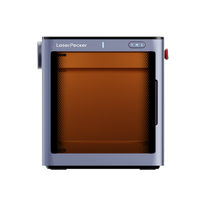
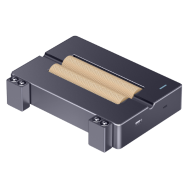
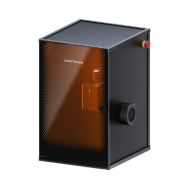
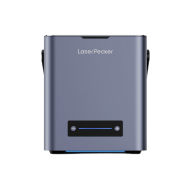
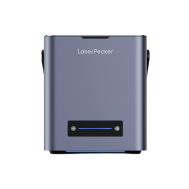
La découpe laser est une méthode moderne qui offre une grande précision et une grande efficacité. Une graveuse laser telle que la LaserPecker LX2 permet de découper précisément des panneaux en bois, pour obtenir des bords nets et des joints parfaitement alignés.
En plus de la découpe, la technologie laser permet de graver en détail des motifs, des logos ou un texte personnalisé.
Cette méthode est accessible aussi bien aux débutants qu’aux utilisateurs expérimentés. La découpe automatisée réduit le risque d’erreurs et garantit une qualité constante sur plusieurs pièces. Elle convient particulièrement aux amateurs et aux petites entreprises qui produisent des modèles reproductibles.
Les principaux avantages sont les suivants :
- Précision constante
- Processus plus rapide
- Personnalisation facile grâce à la gravure
- Adaptée à la production en petites séries
Comparaison : fabrication artisanale ou découpe laser
| Aspect | Travail du bois manuel | Découpe laser |
|---|---|---|
| Précision | Moyenne, dépendante des compétences | Très élevée et constante |
| Temps nécessaire | Processus long | Rapide et efficace |
| Compétences requises | Élevé | Faible à moyenne |
| Personnalisation | Flexible, mais limitée par le niveau de compétence | Précise et facilement reproductible |
| Reproductibilité | Difficile | Hautement reproductible |
| Options décoratives | Limitée par les compétences manuelles | Permet une gravure détaillée (texte, logos, motifs) |
| Outils nécessaires | Outils manuels (scies, ciseaux à bois, serre-joints, ponceuses) | Découpeuse laser (LaserPecker LX2), logiciel |
Partie 2 : Fabrication artisanale ou découpe laser : quelle méthode choisir pour fabriquer une boîte à bijoux ?
Par rapport aux méthodes traditionnelles de travail du bois, la découpe laser offre plusieurs avantages clés lors de la fabrication d’une boîte à bijoux en bois, notamment en matière de précision, de reproductibilité et de facilité de personnalisation.
Raison 1 : Précision et exactitude supérieures
La découpe laser produit des découpes nettes et très précises, avec une largeur de trait de coupe constante. Cela permet aux joints, tels que les assemblages à doigts et les assemblages à queues droites, de s’emboîter précisément sans nécessiter d’ajustements répétés.
Le travail du bois manuel, en revanche, repose sur des mesures et des découpes effectuées à la main, ce qui peut introduire de petites imprécisions affectant l’assemblage final.
Raison 2 : Haute reproductibilité pour plusieurs pièces
Avec la découpe laser, une fois le fichier de conception créé, des boîtes à bijoux identiques peuvent être produites de manière uniforme. Cela est particulièrement utile lors de la fabrication de plusieurs unités.
Un dimensionnement cohérent est essentiel pour des composants tels que :
- Charnières et couvercles
- Compartiments intérieurs
- Joints structurels
Raison 3 : Gravure intégrée pour une personnalisation facile
Les systèmes de découpe laser permettent de réaliser la gravure au cours du même processus. Des motifs décoratifs, des noms, des logos ou des images peuvent être ajoutés directement sur la surface, sans outils ni étapes supplémentaires.
Cela permet d’obtenir :
- Des détails précis
- Des finitions nettes
- Des résultats fiables et reproductibles
Raison 4 : Plus accessible aux débutants
Le travail du bois traditionnel nécessite des compétences pratiques et de l’expérience. À l’inverse, la découpe laser transfère l’essentiel de la complexité vers la phase de conception numérique, ce qui permet aux débutants de se lancer plus facilement.
Une fois la conception finalisée, le processus de production est simple et hautement contrôlable.
Raison 5 : Un flux de travail efficace avec moins de déchets
La découpe laser minimise le gaspillage de matériaux en suivant des trajectoires de découpe numériques précises. Les problèmes courants des processus manuels, tels que les découpes irrégulières ou les dommages aux matériaux, sont considérablement réduits.
C’est particulièrement important lorsque vous travaillez avec du bois de haute qualité ou des matériaux fins.
Raison 6 : Une solution tout-en-un pour la découpe et la gravure
Un graveur laser tel que le LaserPecker LX2 permet de réaliser la découpe et la gravure avec une seule machine. Cela simplifie l’ensemble du processus de production et réduit le besoin de plusieurs outils.
Sécurité et considérations relatives à l’espace de travail dans l’UE :
- Sécurité laser de classe 1 : le LaserPecker LX2 offre une protection intégrée, ce qui le rend adapté à une utilisation en intérieur et en atelier.
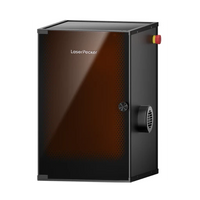
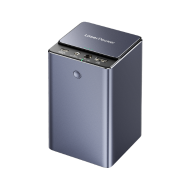
- Amélioration de la qualité de l’air : utilisé avec le purificateur de fumée de bureau LaserPecker, le LX2 filtre efficacement les fumées et les odeurs générées pendant le fonctionnement, contribuant ainsi à un espace de travail plus propre et plus sûr.
Partie 3 : Comment fabriquer une boîte à bijoux en bois par découpe laser
Outils nécessaires – Une découpeuse laser
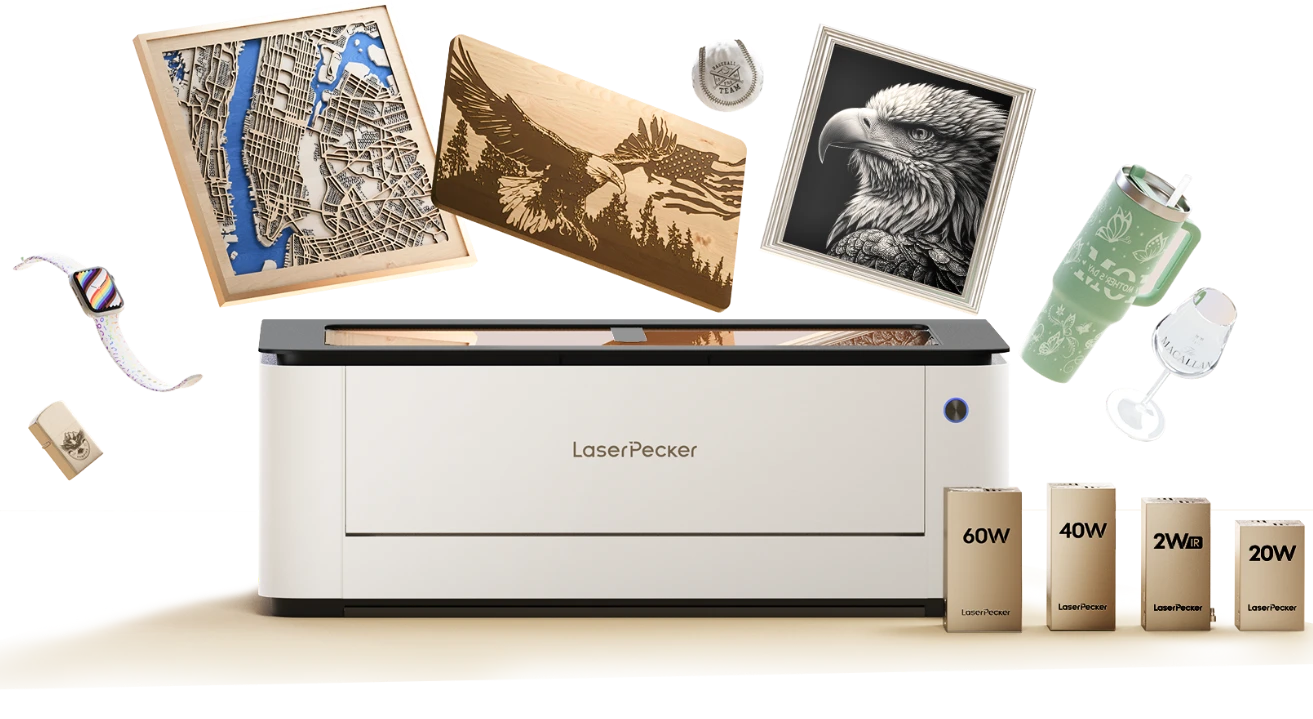
Pour fabriquer une boîte à bijoux en bois, le LaserPecker LX2 offre une solution pratique et efficace, adaptée aussi bien aux débutants qu’aux utilisateurs expérimentés.
Principaux avantages de l’utilisation du LX2 :
- Haute précision : garantit des bords nets et un ajustement précis des panneaux
- Gravure intégrée : ajoutez facilement des éléments décoratifs, des logos ou du texte personnalisé
- Production efficace : permet de gagner du temps lors de la fabrication de plusieurs boîtes
- Espace de travail optimisé : adapté aux projets de petite et moyenne taille
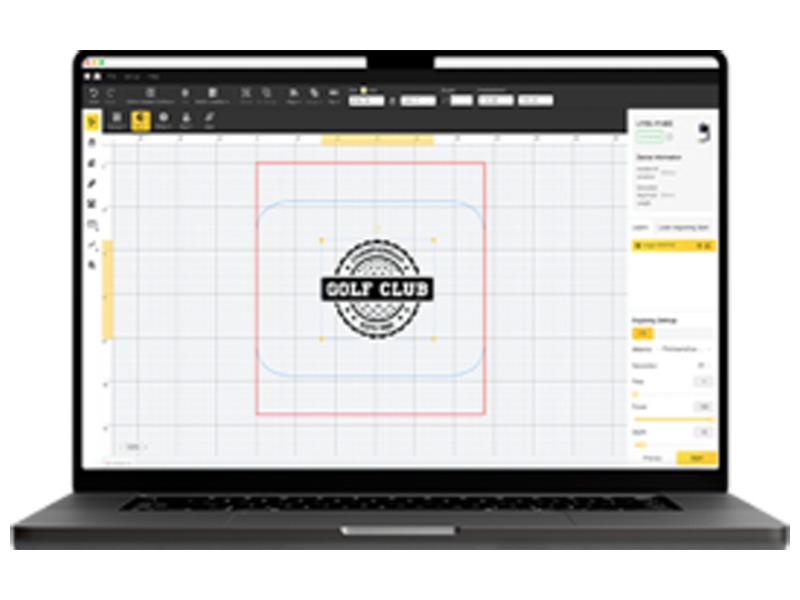
- Utilisation facile : compatible avec LightBurn et LX2 Design Space pour une gestion simple des fichiers
- Utilisation sûre : la sécurité laser de classe 1 permet une utilisation sûre en intérieur
Guide étape par étape pour fabriquer une boîte à bijoux en bois par découpe laser
Étape 1 : Préparez votre conception
Concevez les panneaux et le couvercle de votre boîte dans le logiciel LX2 ou importez un fichier existant. Veillez à inclure tous les éléments structurels, tels que les fentes et les assemblages, ainsi que les détails de gravure.
Des modèles sont disponibles sur LaserPecker CraftZone, et d’autres designs peuvent être trouvés sur des plateformes comme Cults.
Étape 2 : Sélectionner et préparer le matériau
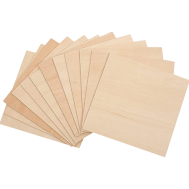
Choisissez des bois lisses tels que :
- Bouleau
- Tilleul
- Érable
Assurez-vous que le matériau est propre et bien plat avant le traitement. Une épaisseur de 6 à 12 mm est recommandée pour les boîtes à bijoux petites à moyennes.
Étape 3 : Découpe laser
Placez le matériau dans le LX2 et alignez le design à l’aide de la fonction d’aperçu. Ajustez les paramètres de découpe, tels que la vitesse et la puissance, en fonction du type de matériau.
La découpe laser garantit des résultats uniformes et précis, réduisant ainsi le besoin de post-traitement.
Étape 4 : Gravure (facultative)
Ajoutez des détails décoratifs tels que des motifs, des initiales ou des images à l’aide de la fonction de gravure.
Le LX2 offre une gravure précise sans affecter les zones environnantes.
Étape 5 : Assemblage
Appliquez de la colle à bois sur les bords et assemblez soigneusement les panneaux. Utilisez des serre-joints pour maintenir la structure pendant le séchage de l’adhésif.
Vérifiez l’alignement tout au long du processus pour garantir la précision.
Étape 6 : Finition
Lissez les bords rugueux et appliquez une finition protectrice telle que de l’huile, du vernis ou de la cire pour améliorer la durabilité et l’apparence.
Astuce bonus : Conseils de personnalisation
- Texte et logos : Utilisez des fichiers vectoriels (SVG/PNG) pour une netteté optimale
- Images et motifs détaillés : Utilisez des niveaux de gris et testez les réglages sur un matériau d’essai
- Effets de profondeur : Utilisez plusieurs passes de gravure peu profondes pour créer un aspect en couches
Partie 4 : Conseils pour fabriquer une boîte à bijoux en bois parfaite
Astuce 1 : Garantir des assemblages précis pour un ajustement parfait
Un alignement précis des fentes et des languettes est essentiel pour obtenir un assemblage ajusté et propre. Le LaserPecker LX2 permet une découpe précise, ce qui contribue à réduire les écarts et à améliorer l’ajustement général de la boîte.
Il est recommandé d’assembler d’abord toutes les pièces sans colle afin de vérifier leur bon alignement avant le collage définitif.
Astuce 2 : Appliquer des techniques de superposition pour créer des effets 3D
L’utilisation de plusieurs couches de matériau découpé peut créer un design tridimensionnel, notamment pour les couvercles décoratifs. Cette technique renforce l’attrait visuel de la boîte à bijoux.
Les bonnes pratiques comprennent :
- Alignement soigneux de chaque couche
- Application uniforme de l’adhésif
- Positionnement stable pendant l’assemblage
Astuce 3 : Optimiser la finition de surface et réduire les odeurs
Le ponçage de toutes les surfaces garantit une finition lisse et soignée.
Lors de la découpe de panneaux de bois plus fins, évitez d’utiliser des réglages de puissance trop élevés, car cela peut provoquer des marques de brûlure et des odeurs.
Pour de meilleurs résultats :
- Choisissez des finitions adaptées au matériau (huile, vernis ou cire)
- Prévoyez un temps de séchage suffisant
- Assurez une ventilation adéquate ou utilisez un purificateur d’air pour les travaux en intérieur
Partie 5 : FAQ sur la fabrication d’une boîte à bijoux en bois
Q1. Quel type de bois convient le mieux à une boîte à bijoux ?
Les choix courants incluent le bouleau, l’érable et le tilleul, en raison de leurs surfaces lisses et de la régularité de leurs résultats de gravure.
- Bouleau : adapté aux gravures détaillées
- Érable : durable et stable
- Tilleul : facile à travailler
Évitez le bois traité ou peint, car il peut affecter la qualité de la découpe et dégager des fumées pendant le traitement. Les matériaux à grain fin sont recommandés pour une gravure précise.
Q2. Quelle est la taille minimale d’une boîte à bijoux ?
Avec une graveuse laser telle que la LaserPecker LX2, il est possible de produire des boîtes compactes mesurant seulement 50 × 50 mm, tout en conservant des assemblages précis.
Pour garantir un assemblage correct :
- Tenez compte de la largeur du trait de coupe dans votre conception
- Adaptez les dimensions en fonction de l’épaisseur du matériau
- Testez les composants avant l’assemblage final
Q3. Comment empêcher les bijoux de ternir à l’intérieur de la boîte ?
Pour réduire le ternissement :
- Utilisez des matériaux de doublure anti-ternissement, comme le feutre ou le velours
- Appliquez un produit de protection sur toutes les surfaces en bois
- Conservez la boîte dans un environnement sec, à l’abri de la lumière du soleil
Q4. Est-il possible de graver des images détaillées sur du bois ?
Oui, il est possible de graver des images détaillées avec le LaserPecker LX2.
Bonnes pratiques recommandées :
- Utilisez des réglages de gravure peu profonds
- Optimisez le contraste de l’image (les niveaux de gris donnent les meilleurs résultats)
- Effectuez un test sur un matériau de rechange avant la gravure finale
Q5. La colle est-elle nécessaire pour tous les assemblages ?
La colle n’est pas toujours nécessaire pour les assemblages à ajustement serré, mais elle est recommandée pour assurer une bonne durabilité à long terme.
Elle est particulièrement utile pour :
- Boîtes utilisées fréquemment
- Structures multicouches
- Composants plus lourds
Q6. Quels facteurs affectent la qualité de la gravure sur bois ?
Plusieurs facteurs influencent la qualité de la gravure :
- Type de bois et régularité du grain
- Réglages de la puissance et de la vitesse du laser
- Préparation de la surface (matériau propre et plat)
L’optimisation de ces éléments permet d’obtenir des résultats uniformes et de haute qualité.
Conclusion
La fabrication à la main et la découpe laser sont toutes deux des méthodes fiables pour produire une boîte à bijoux en bois, et le meilleur choix dépend de votre expérience et des exigences de votre projet. La fabrication à la main offre un processus traditionnel et concret, qui donne une pièce unique avec une finition naturelle. Elle convient particulièrement aux personnes qui accordent de l’importance au savoir-faire et à la liberté créative.
La découpe laser offre des avantages indéniables en matière de précision, de rapidité et de reproductibilité. Elle permet de réaliser des assemblages précis, des motifs détaillés et des gravures uniformes, même pour les utilisateurs ayant une expérience limitée du travail du bois. Elle est donc idéale pour les designs personnalisés, la production répétée et la fabrication en petite série.
Si votre priorité est l’artisanat traditionnel et la créativité manuelle, la fabrication à la main est une approche adaptée. Toutefois, pour une production efficace, une qualité constante et une personnalisation précise, la découpe laser est généralement l’option la plus pratique pour fabriquer une boîte à bijoux en bois.