




























Les bijoux de téléphone sont des accessoires populaires qui allient style personnel et aspect pratique au quotidien. Que vous préfériez un look épuré et minimaliste ou un design plus décoratif, les bijoux de téléphone offrent un moyen simple de personnaliser votre appareil et de le faire sortir du lot.
Ils sont largement utilisés pour des projets personnels, des cadeaux faits main et des petites entreprises créatives. Fabriquer un bijou de téléphone est une activité DIY accessible et agréable qui ne nécessite que des outils et des matériaux de base, ce qui la rend adaptée à tous les niveaux de compétence.

Dans cet article :
- Partie 1 : Qu'est-ce qu'un bijou de téléphone et pourquoi en fabriquer un ?
- Partie 2 : Les 2 meilleures méthodes pour fabriquer un bijou de téléphone
- Méthode 1 : Fabriquer un bijou de téléphone avec du fil et des perles
- Méthode 2 : Fabriquer un bijou de téléphone avec un graveur et découpeur laser
- Partie 3 : Le meilleur graveur laser pour fabriquer des bijoux de téléphone
- Partie 4 : FAQ sur la fabrication d'un bijou de téléphone
Partie 1 : Qu'est-ce qu'un bijou de téléphone et pourquoi en fabriquer un ?
Qu'est-ce qu'un bijou de téléphone ?
Un bijou de téléphone est un petit accessoire décoratif attaché à une coque de téléphone, généralement par un trou de dragonne ou une boucle. Il peut être composé de perles, de pendentifs, d'initiales, de formes découpées au laser ou de petits colifichets, et est souvent utilisé pour refléter un style personnel ou une identité.
Pourquoi fabriquer un bijou de téléphone ?
Il existe plusieurs raisons courantes pour lesquelles les gens choisissent de créer leurs propres bijoux de téléphone :
- Personnalisation individuelle : Un bijou fait main permet aux utilisateurs de personnaliser leur téléphone et de le rendre facilement reconnaissable.
- Mode : Les bijoux de téléphone peuvent compléter une tenue ou suivre les tendances saisonnières et stylistiques.
- Cadeau : Un bijou de téléphone personnalisé constitue un cadeau attentionné et unique.
- Vente à petite échelle : Les bijoux de téléphone DIY sont des produits populaires pour les plateformes en ligne et les foires artisanales locales.
Partie 2 : Les 2 meilleures méthodes pour fabriquer un bijou de téléphone
Il existe deux méthodes largement utilisées pour fabriquer des bijoux de téléphone, toutes deux appréciées pour leur aspect pratique. La méthode traditionnelle du fil et des perles est abordable, facile à apprendre et adaptée aux débutants. La gravure et la découpe laser, quant à elles, offrent des résultats précis et professionnels, ce qui les rend idéales pour le travail créatif ou la production de petites entreprises.
Méthode 1 : Fabriquer un bijou de téléphone avec du fil et des perles (méthode traditionnelle)
Cette méthode consiste à enfiler des perles, des pendentifs ou de petits éléments décoratifs sur un cordon élastique, un fil de nylon ou une ficelle. Les perles en plastique conviennent bien aux designs colorés et ludiques, tandis que les perles en verre offrent une apparence plus élégante. Des perles alphabet peuvent être utilisées pour épeler des noms ou de courts messages. Une fois assemblé, le bijou est terminé en faisant un nœud solide et en formant une boucle pour l'attacher à une coque de téléphone.
Avantages :
Cette approche est peu coûteuse et ne nécessite pas d'outils spéciaux. Elle offre une flexibilité créative totale, permettant d'expérimenter avec les couleurs, les formes et les textures. Comme le processus est entièrement manuel, les bijoux peuvent être facilement personnalisés pour différents styles ou occasions. C'est également une activité artisanale accessible aux débutants.
Conseils :
- Choisissez un fil ou un cordon élastique robuste qui résistera à l'usage quotidien sans casser facilement.
- Mélangez des perles aux textures et aspects différents – certaines brillantes, d'autres mates !
- Ajoutez quelques petits charms ou des initiales pour vous approprier le design.
- Serrez bien la boucle avec un double nœud pour qu'elle reste bien fixée à votre téléphone.
Méthode 2 : Fabriquer un bijou de téléphone avec un graveur et découpeur laser (méthode moderne)
La gravure et la découpe laser permettent de créer des bijoux de téléphone à partir de designs numériques. Des matériaux tels que le bois, l'acrylique, le cuir et le métal peuvent être découpés ou gravés avec précision. La découpe laser produit des bords lisses et nets, tandis que la gravure permet de réaliser des motifs détaillés, du texte ou des logos. Cette méthode garantit des résultats constants et une large gamme de possibilités de conception.
Avantages :
Les bijoux de téléphone fabriqués au laser ont une finition propre et professionnelle. Les motifs peuvent être reproduits facilement, ce qui rend cette méthode adaptée à la production de petites séries. Les détails gravés sont durables et résistants à la décoloration ou au décollement, ce qui les rend parfaits pour les cadeaux, les articles de marque ou les souvenirs durables.
Conseils :
- Commencez par choisir des matériaux plats à découper, comme le bois, l'acrylique ou le cuir. Pour accrocher vos pièces finies aux cordons, utilisez des anneaux de jonction ou des anneaux brisés. C'est votre meilleure option.
- Poncez bien les bords pour éliminer les éventuelles aspérités.
- Pensez à superposer des couches de formes découpées au laser pour obtenir des effets 3D intéressants.
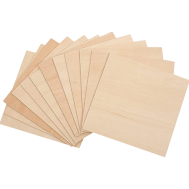
Pour la découpe et la gravure : Le laser tranche des matériaux comme le bois de tilleul et l'acrylique de manière nette, vous permettant de créer des formes originales et des designs multicouches sans problème.
Pour la gravure sur métal : Lancez-vous avec l'acier inoxydable ou l'aluminium. Cela donne à vos bijoux un look moderne et durable vraiment superbe.
Une fois que tout est prêt, il suffit de fixer des anneaux de jonction ou des fermoirs pour suspendre vos pièces à des cordons ou des perles. Les gravures laser durent bien plus longtemps que la peinture ou les autocollants — elles ne s'effaceront pas et ne pèleront pas. Cela les rend idéales pour des cadeaux, du merchandising pour votre boutique, ou simplement pour garder un souvenir unique.
Partie 3 : Le meilleur graveur laser pour fabriquer des bijoux de téléphone
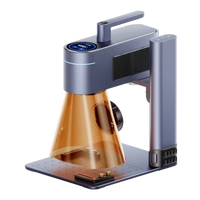
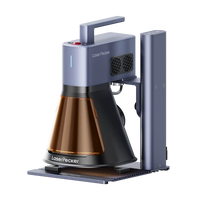
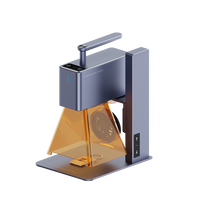
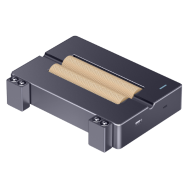
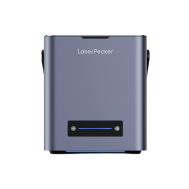
Pour les créateurs à la recherche de bijoux de téléphone de qualité professionnelle, le LaserPecker LP4 Portable IR + Diode Dual Laser est l'une des solutions de gravure les plus polyvalentes disponibles.
Le LaserPecker LP4 est doté d'un laser à diode de 10W (450 nm), adapté aux matériaux tels que le bois, l'acrylique, le cuir, le plastique et le verre enduit. Il comprend également un laser infrarouge de 2W (1064 nm) conçu spécifiquement pour la gravure de métaux comme l'acier inoxydable, l'aluminium anodisé et le titane.
Caractéristiques principales :
- Portable et compact : Léger et durable, adapté aux studios à domicile, aux ateliers ou à une utilisation mobile.
- Haute résolution de gravure : Prend en charge la gravure jusqu'à 8K pour des détails nets et fins.
- Vitesse de gravure rapide : Atteint jusqu'à 4 000 mm/s, améliorant l'efficacité pour les projets répétés.
- Capacité de découpe : Peut découper des matériaux tels que le bois de tilleul et l'acrylique, permettant de créer des formes de bijoux personnalisées.
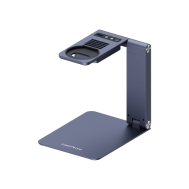
- Support de gravure rotative : Des accessoires optionnels permettent la gravure sur des objets cylindriques ou arrondis tels que des perles et des bagues.
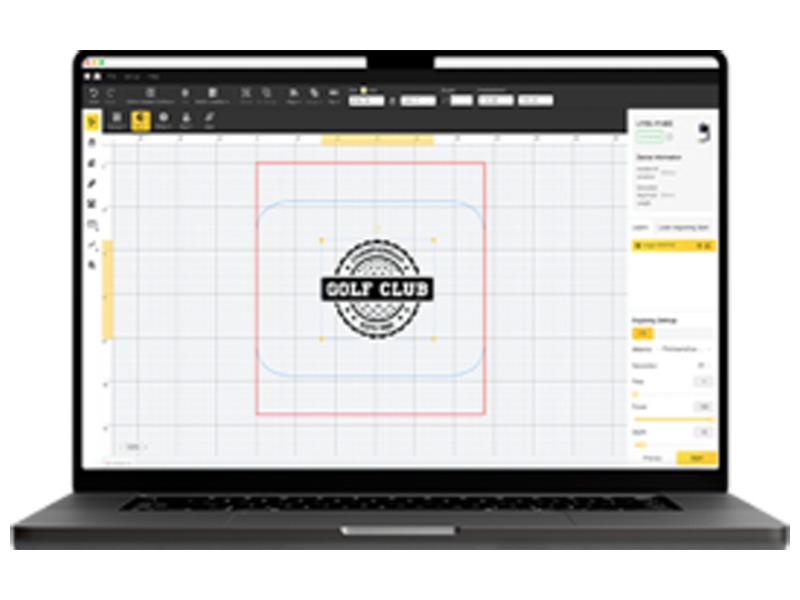
- Grande compatibilité : Fonctionne parfaitement avec des programmes comme LightBurn et LaserPecker Design Space.

Pourquoi est-il idéal pour les bijoux de téléphone :
La configuration à double laser du LP4 offre une grande flexibilité sur une large gamme de matériaux, permettant aux créateurs de produire des charms en métal gravé ainsi que des designs non métalliques découpés et gravés. Sa taille compacte combinée à ses performances robustes le rend idéal pour les loisirs créatifs, les projets artistiques et la production commerciale à petite échelle de bijoux de téléphone personnalisés.
Partie 4 : FAQ sur la fabrication d'un bijou de téléphone
Q1. Quels matériaux conviennent à la fabrication de bijoux de téléphone ?
Les bijoux de téléphone sont généralement fabriqués à partir de matériaux légers tels que le plastique, le bois ou des perles de verre. Pour les designs gravés, des matériaux comme le bois, l'acrylique, le cuir et l'aluminium sont largement utilisés en raison de leur durabilité et de la netteté des résultats de gravure.
Q2. Combien de temps faut-il pour personnaliser un bijou de téléphone ?
Un bijou de téléphone simple réalisé avec du fil et des perles peut souvent être terminé en moins de 20 minutes. Les bijoux gravés au laser nécessitent un temps supplémentaire pour la conception et la configuration, mais ils permettent une production plus rapide lors de la fabrication de plusieurs articles avec le même motif.
Q3. Un graveur laser est-il indispensable pour fabriquer des bijoux de téléphone ?
Non. De nombreux bijoux de téléphone peuvent être entièrement fabriqués à la main à l'aide d'outils et de matériaux simples. Un graveur laser n'est nécessaire que pour une gravure de précision, des designs détaillés ou une production à petite échelle.
Q4. La gravure laser est-elle sûre pour fabriquer des bijoux de téléphone à la maison ?
Pour les utilisateurs en Europe, la sécurité doit toujours être une priorité absolue lors de la gravure laser de bijoux de téléphone, de pendentifs de collier ou d'autres petits accessoires en métal, bois, acrylique ou cuir.
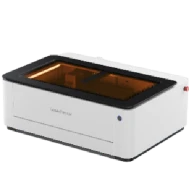
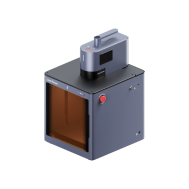
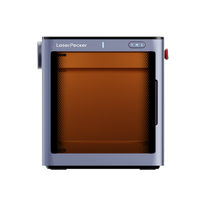
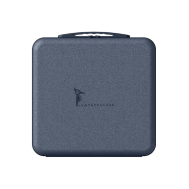
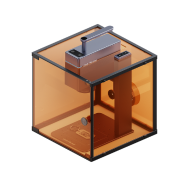
- Utilisateurs LP2 Plus, LP2, et LP4 : Nous recommandons de coupler votre machine avec le Boîtier Standard LaserPecker lors d'une utilisation à domicile ou en atelier en Europe. Cet accessoire renforce la protection, complétant la conformité de sécurité laser de Classe 4 des machines selon les directives.
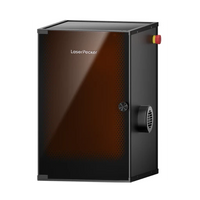
- Utilisateurs LP5 : Le boîtier de sécurité LP5 est requis pour une protection adéquate pendant le fonctionnement. Il garantit le respect des réglementations de sécurité de l'UE, protégeant contre toute exposition accidentelle dans des environnements résidentiels ou de petites entreprises.
- Utilisateurs LX2 : Aucun boîtier supplémentaire n'est nécessaire. Le LX2 est un système laser de Classe 1, ce qui signifie qu'il est sûr à utiliser sans équipement de protection supplémentaire dans des conditions de fonctionnement normales.
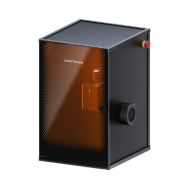
Au-delà de la sécurité laser, la qualité de l'air est une considération clé pour les ateliers en intérieur. Le traitement au laser génère des fumées et des particules fines qui peuvent affecter la santé respiratoire. Pour respecter les directives sur la qualité de l'air intérieur et maintenir un espace de travail propre et sûr, nous recommandons vivement d'utiliser le Purificateur d'air de bureau LaserPecker, particulièrement pour les maisons et studios fermés ou bien isolés.
Avec une installation de sécurité appropriée, la gravure laser de bijoux de téléphone à la maison peut être à la fois créative et sûre.
Conclusion
Les bijoux de téléphone allient créativité et fonctionnalité quotidienne. Ils peuvent être réalisés comme accessoires personnels, cadeaux personnalisés ou petits produits artisanaux. Des designs simples à base de perles aux bijoux gravés au laser avec des lignes nettes et des résultats constants, chaque méthode offre ses propres avantages. En sélectionnant la technique et les matériaux appropriés, les créateurs peuvent produire des bijoux de téléphone esthétiques, durables et unique personnalisés.