








































Utilisez-vous encore des serviettes classiques ? En Europe, les serviettes personnalisées deviennent un choix populaire aussi bien pour la maison que pour les environnements professionnels.
Les serviettes peuvent être personnalisées avec des noms, des logos, des photos ou des motifs créatifs. Parmi les modèles les plus populaires figurent les serviettes de bain, les serviettes à main et les serviettes de plage, généralement fabriquées en coton, en bambou ou en microfibre. Elles sont couramment utilisées à titre personnel, offertes en cadeau ou employées dans des entreprises telles que les hôtels, les centres de bien-être et les studios de fitness.
Dans ce guide, nous présenterons les méthodes les plus courantes pour personnaliser des serviettes, en mettant particulièrement l'accent sur la gravure laser pour sa précision et sa polyvalence. Après votre lecture, vous découvrirez à quel point il est simple de créer une serviette personnalisée qui associe style et fonctionnalité au quotidien.

Dans cet article :
- Partie 1 : Pourquoi avez-vous besoin de serviettes personnalisées ?
- Partie 2 : Cinq méthodes pour personnaliser les serviettes
- Méthode 1 : Gravure laser
- Méthode 2 : DTG (Direct to Garment)
- Méthode 3 : DTF (Direct to Film)
- Méthode 4 : Sérigraphie
- Méthode 5 : Broderie
- Partie 3 : Comment personnaliser des serviettes avec la LaserPecker LP4
- Partie 4 : FAQ sur la création de serviettes personnalisées
Partie 1 : Pourquoi avez-vous besoin de serviettes personnalisées ?
Voici quelques raisons importantes d'envisager la personnalisation de vos serviettes :
Raison n° 1 : Ajouter une touche personnelle
Une serviette personnalisée apporte davantage de caractère à votre quotidien. Elle transforme un simple article ménager en un objet qui reflète vos goûts et votre style de vie.
Cela peut également éviter les confusions lorsque plusieurs personnes partagent le même espace.
Raison n° 2 : Une idée de cadeau pleine de sens
Plutôt que des cadeaux classiques, les serviettes personnalisées offrent une alternative attentionnée et pratique. Elles associent créativité et fonctionnalité, ce qui les rend adaptées aux anniversaires, aux mariages, aux naissances et à d'autres occasions spéciales.
Raison n° 3 : Une promotion efficace de la marque
Les serviettes personnalisées sont largement utilisées en Europe dans les hôtels, les centres de bien-être et les salles de fitness. Elles contribuent à véhiculer une image de marque professionnelle tout en assurant une visibilité durable, ce qui en fait un outil promotionnel pratique et économique.
Partie 2 : Cinq méthodes pour personnaliser les serviettes
Vous souhaitez personnaliser vos serviettes ? Que ce soit pour offrir, pour la maison ou pour votre entreprise, il existe plusieurs façons efficaces de personnaliser des serviettes selon vos besoins et votre budget.
Voici cinq méthodes populaires, chacune adaptée à différents styles de design et exigences de production.
Méthode 1 : Gravure laser
La gravure laser utilise un faisceau concentré pour retirer les fibres en surface et créer un motif permanent.
Elle prend en charge les noms, logos, motifs et graphiques simples. Bien que les options de couleurs soient limitées, le résultat est net, discret et moderne, souvent privilégié pour les designs minimalistes.
Comme elle ne nécessite ni encres ni produits chimiques, il s’agit d’une option durable et économique, largement utilisée dans l’UE pour les projets personnels comme pour les petites entreprises.
Méthode 2 : DTG (Direct to Garment)
L’impression DTG applique les motifs directement sur les textiles à l’aide d’une technologie avancée de jet d’encre.
Elle est idéale pour produire des images très détaillées avec une grande fidélité des couleurs. La zone imprimée reste douce, garantissant confort et facilité d’utilisation, notamment pour un usage domestique quotidien.
Méthode 3 : DTF (Direct to Film)
La méthode DTF consiste à imprimer les motifs sur un film de transfert, qui est ensuite thermopressé sur la serviette.
Cette méthode reproduit bien les motifs complexes. Cependant, comme la couche du motif repose à la surface, elle peut réduire la respirabilité. Avec le temps, des lavages répétés peuvent provoquer une légère décoloration ou un léger écaillage.
Méthode 4 : Sérigraphie
La sérigraphie transfère l’encre à travers un écran en maille sur le tissu.
Elle offre des couleurs intenses et éclatantes et convient particulièrement aux grandes séries. C’est pourquoi elle est couramment utilisée pour les produits promotionnels et les entreprises du secteur de l’hôtellerie-restauration en Europe.
L’un de ses inconvénients est que la zone imprimée peut sembler moins douce et réduire légèrement l’absorption.
Méthode 5 : Broderie
La broderie reproduit directement les motifs sur le tissu à l’aide de fils colorés, créant une finition texturée et haut de gamme.
Elle offre une excellente durabilité et conserve son apparence après des lavages fréquents. Cette méthode est souvent utilisée pour les marques haut de gamme ou les cadeaux personnalisés, bien qu’elle implique des coûts plus élevés et des délais de production plus longs.
| Méthode | Durabilité | Précision | Texture | Matériaux idéaux | Caractéristique principale |
|---|---|---|---|---|---|
| Gravure laser | ★★★★★ | ★★★★★ | Doux | Coton, fibre de bambou | Ne se décolore ni ne s’écaille |
| DTG (Direct to Garment) | ★★★ | ★★★★ | Doux | Coton, microfibre | Images détaillées |
| DTF (Direct to Film) | ★★ | ★★★ | Légèrement rigide | Coton, microfibre | Motifs complexes et de petite taille |
| Sérigraphie | ★★★ | ★★★★ | Rigide | Coton, fibre de bambou | Impressions éclatantes et durables |
| Broderie | ★★★★ | ★★★★ | Doux / en relief | Coton, microfibre, fibre de bambou | Texture luxueuse |
Pour ceux qui recherchent un équilibre entre durabilité, respect de l’environnement et qualité constante, la gravure laser constitue un excellent choix.
Il offre des résultats durables sans matériaux supplémentaires, ce qui le rend à la fois pratique et respectueux de l’environnement. Le résultat n’est pas seulement une serviette personnalisée, mais un produit qui allie fonctionnalité et valeur durable.
Partie 3 : Comment personnaliser des serviettes avec le LaserPecker LP4
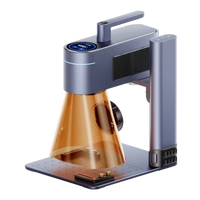
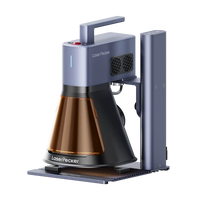
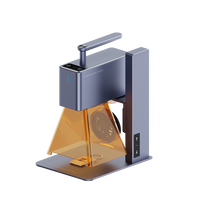
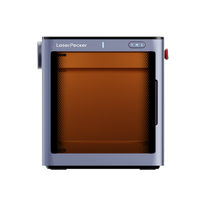
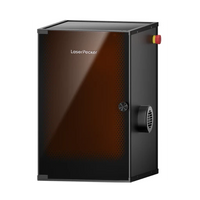
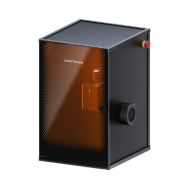
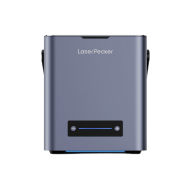
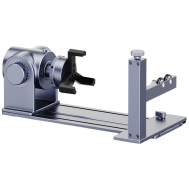
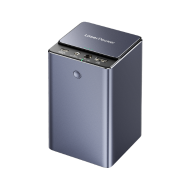
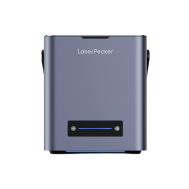
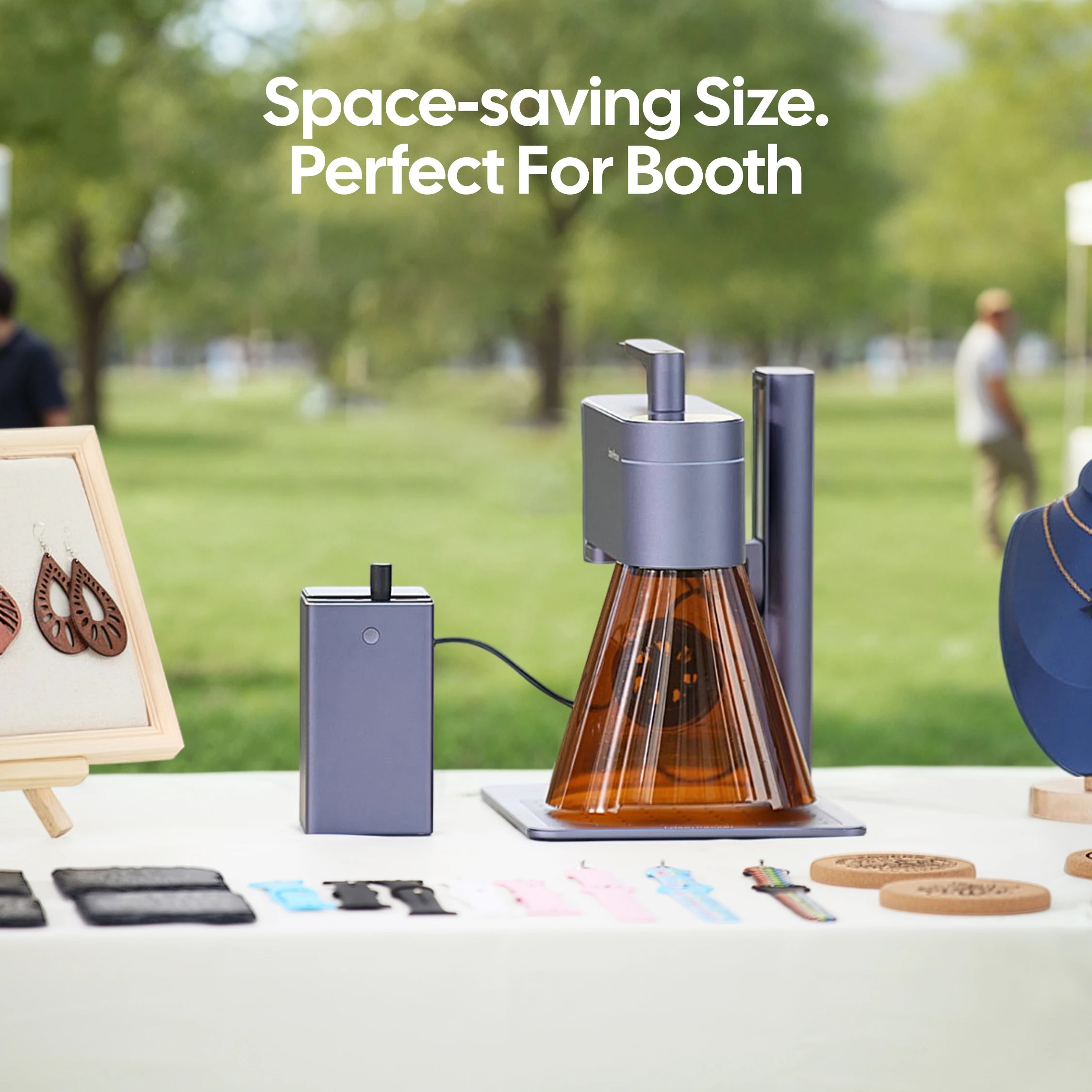
Personnaliser des serviettes avec un graveur laser est un processus efficace et accessible. Le LaserPecker LP4 permet aux utilisateurs de toute l’UE de réaliser des gravures détaillées et homogènes, aussi bien pour un usage personnel que pour une petite entreprise.
Liste de contrôle pour préparer la gravure laser de serviettes :
- Graveur laser : (recommandé – LaserPecker LP4)
- Matériaux : Serviette en coton / serviette en tissu
- Design : Nom, logo, image ou motif
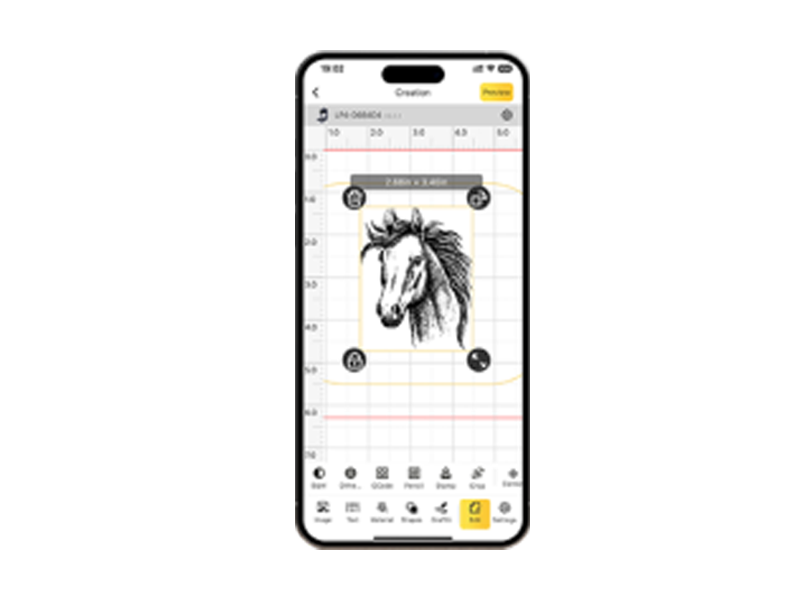
Étape 1 : Préparer le design
Déterminez le design que vous souhaitez graver, comme un nom, des initiales, un message, une image ou un élément de marque. Les designs aux lignes nettes et au contraste marqué offrent une meilleure qualité de gravure.
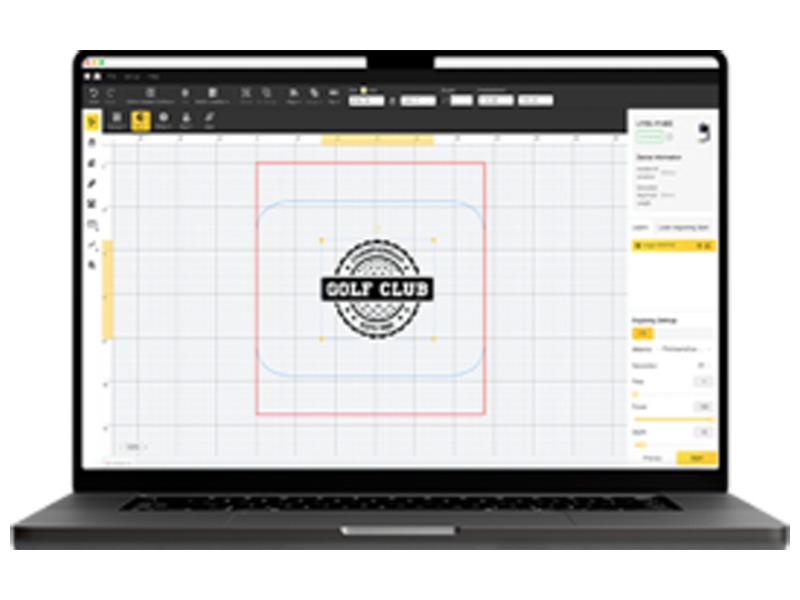
Vous pouvez également parcourir LaserPecker CraftZone pour trouver des modèles prêts à l’emploi et des fichiers de design gratuits. Choisissez le matériau de serviette adapté selon qu’elle est destinée à un usage personnel, à un cadeau ou à des fins commerciales.
Étape 2 : Configurer le laser
Placez la serviette sur une surface plane et fixez-la correctement. Réglez la mise au point du laser pour une précision optimale.
Configurez ensuite la zone, la vitesse et la profondeur de gravure en fonction du matériau.
Dans l’UE, de nombreux amateurs et petites entreprises préfèrent le LaserPecker LP4 pour sa polyvalence et ses performances constantes.
Étape 3 : Gravure test
Effectuez une gravure test sur un morceau de tissu de rechange. Cela garantit la précision de vos réglages et aide à éviter le gaspillage de matériau.
Étape 4 : Graver
Commencez la gravure une fois les réglages confirmés. Surveillez la machine pendant son fonctionnement et suivez les consignes de sécurité recommandées.
Étape 5 : Nettoyage
Après la gravure, nettoyez délicatement la surface pour éliminer les éventuelles particules restantes.
Le résultat final est une serviette personnalisée qui allie fonctionnalité et design raffiné sur mesure.
Partie 4 : FAQ sur la personnalisation des serviettes
Q1. Quels tissus conviennent le mieux aux serviettes personnalisées ?
Le coton et la microfibre sont les matières les plus couramment utilisées.
La microfibre est idéale pour le sport et les voyages grâce à sa grande capacité d’absorption et à son séchage rapide. Le coton est privilégié pour un usage quotidien, notamment pour les serviettes de bain et les serviettes pour les mains, grâce à sa douceur et à son confort.
Q2. Dois-je laver la serviette avant de la personnaliser ?
Oui, il est recommandé de laver la serviette au préalable. Cela aide à éliminer les résidus de fabrication et garantit une surface plus propre pour la gravure ou l’impression.
Q3. La gravure laser affecte-t-elle le confort ?
La gravure laser peut créer une texture légèrement plus ferme dans la zone gravée par rapport au reste de la serviette. Toutefois, cette différence est minime et n’affecte généralement pas le confort. Le tissu s’assouplit souvent après plusieurs lavages.
Q4. Peut-on utiliser une graveuse laser à domicile en toute sécurité ?
Lorsqu’elle est utilisée conformément aux recommandations, elle peut être utilisée en toute sécurité à domicile. Le laser cible précisément les fibres en surface sans produire de flamme nue.
Dans toute l’UE, il est recommandé de travailler dans un environnement bien ventilé et de respecter les précautions de sécurité habituelles, notamment en surveillant l’appareil pendant son fonctionnement.
Q5. Quelle est la durabilité des motifs gravés ?
Les motifs gravés sont durables et résistent à l’usure. Comme le motif est intégré aux fibres du tissu plutôt qu’appliqué en surface, il ne s’écaille pas et risque moins de s’estomper avec le temps.
Q6. Combien de temps faut-il pour graver ?
La durée de la gravure varie en fonction de la taille et du niveau de détail du motif. Les motifs simples peuvent être réalisés en quelques secondes, tandis que les motifs plus complexes peuvent prendre plusieurs minutes.
La LaserPecker LP4 offre une gravure à grande vitesse et une grande précision, ce qui la rend adaptée à un usage personnel comme à une production à petite échelle.
Conclusion
Les serviettes personnalisées offrent un moyen pratique d’allier fonctionnalité et style individuel. En tant qu’articles essentiels du quotidien, les motifs personnalisés ajoutent de la valeur sans générer de déchets inutiles, ce qui les rend adaptées à un usage personnel comme professionnel.
Avec des matériaux de qualité et une touche créative, vous pouvez créer des serviettes à la fois utiles et visuellement distinctives. Que ce soit pour offrir ou promouvoir une marque, l’utilisation d’une graveuse laser vous permet d’obtenir facilement des résultats uniformes.
En matière de durabilité, de respect de l’environnement et de rapport qualité-prix global, la gravure laser reste un excellent choix. Choisissez des serviettes de haute qualité et commencez à créer des motifs conçus pour durer.