





























Les protège-livres en cuir allient durabilité, savoir-faire artisanal et expression personnelle. Ils protègent les livres des dommages tout en ajoutant une esthétique raffinée et durable. Fabriquer votre propre couverture de livre en cuir vous donne la liberté d'explorer différents matériaux, outils et méthodes de construction.
Cet article présente quatre approches pratiques pour créer un protège-livre en cuir, allant des techniques de maroquinerie manuelle aux méthodes assistées par machine telles que la découpe Cricut, l'usinage CNC et la découpe ou gravure laser. Nous détaillerons les avantages et les inconvénients de chaque méthode, les outils nécessaires et des étapes claires pour vous aider à confectionner une couverture en cuir personnalisée adaptée à votre expérience et à vos objectifs de conception.

Dans cet article :
- Partie 1 : Pourquoi fabriquer votre propre protège-livre en cuir ?
- Partie 2 : Les 4 meilleures méthodes pour fabriquer un protège-livre en cuir
- Méthode 1 : Fabriquer un protège-livre en cuir à la main
- Méthode 2 : Fabriquer un protège-livre en cuir avec Cricut
- Méthode 3 : Fabriquer un protège-livre en cuir avec une machine CNC
- Méthode 4 : Fabriquer un protège-livre en cuir avec un découpeur laser
- Partie 3 : Idées créatives pour des protège-livres en cuir DIY
- Partie 4 : Conseils pour réussir le meilleur protège-livre en cuir
- FAQ Questions sur la fabrication d'un protège-livre en cuir
Partie 1 : Pourquoi fabriquer votre propre protège-livre en cuir ?
Créer votre propre protège-livre en cuir offre une flexibilité totale, tant au niveau du design que de la construction. Vous pouvez sélectionner le type de cuir, adapter les dimensions à votre livre et personnaliser la couverture avec des détails tels que des initiales, des motifs de couture ou des motifs gravés.
La confection de protège-livres en cuir allie protection pratique et expression créative. Le résultat est une couverture durable et personnalisée qui transforme un livre ordinaire en un souvenir durable et distinctif.
Partie 2 : Les 4 meilleures méthodes pour fabriquer un protège-livre en cuir
Il existe plusieurs façons de fabriquer un protège-livre en cuir, chacune offrant différents niveaux de précision, de personnalisation et d'efficacité. Ces quatre méthodes s'adaptent à un large éventail de niveaux de compétence, de l'artisanat traditionnel à la production assistée par machine à l'aide d'outils modernes.
Méthode 1 : Fabriquer un protège-livre en cuir à la main
Fabriquer un protège-livre en cuir à la main est un métier traditionnel qui met l'accent sur le contrôle, la patience et le savoir-faire manuel.
Avantages et limites
Avantages
- Contrôle créatif total sur le type de cuir, la couture et la finition
- Pas besoin de machines spécialisées
- Idéal pour apprendre les bases du travail du cuir
Limites
- Chronophage et demande beaucoup de compétences
- Les erreurs sont plus difficiles à corriger par rapport aux méthodes assistées par machine
Outils et matériaux
- Cuir véritable ou synthétique
- Tapis de découpe et cutter de précision
- Règle et ruban à mesurer
- Emporte-pièce et alêne
- Fil poissé et aiguilles
- Lissette et brunissoir
- Un livre ou un carnet pour les mesures
Guide étape par étape
Étape 1 : Mesurez votre livre, en laissant un peu d'espace supplémentaire pour le pliage et la couture lors de la découpe.
Étape 2 : Coupez le cuir à la bonne taille à l'aide d'un cutter ou d'un couteau.
Étape 3 : Réalisez des trous réguliers et espacés de manière homogène pour la couture le long des bords. Un emporte-pièce ou une alêne convient parfaitement.
Étape 4 : Cousez les bords fermement avec du fil poissé en utilisant un point solide pour qu'ils tiennent bien.
Étape 5 : Lissez et polissez les bords avec une lissette, un brunissoir et un peu de cire.
Étape 6 : Personnalisez-le ! Ajoutez des tampons, des motifs ou de la couleur.
Étape 7 : Placez la couverture sur votre livre et assurez-vous qu'elle s'ajuste bien.
Méthode 2 : Fabriquer un protège-livre en cuir avec Cricut
Une machine Cricut offre une précision numérique et une répétabilité lors du travail sur du cuir fin, ce qui en fait une option populaire pour les débutants et les amateurs.
Avantages et limites
Avantages
- Des découpes nettes et précises
- Compatible avec les patrons numériques
- Facile à utiliser pour les débutants avec des résultats constants
Limites
- Idéal pour le cuir fin (généralement moins de 2,4 mm)
- Taille de coupe limitée par la zone de travail de la machine
Guide étape par étape
Étape 1 : Préparez le design de votre protège-livre dans Cricut Design Space, ou récupérez-en un qui est déjà prêt à l'emploi.
Étape 2 : Placez votre pièce de cuir sur un tapis à forte adhérence (StrongGrip) – assurez-vous qu'elle adhère parfaitement.
Étape 3 : Installez la lame de découpe profonde et ajustez les paramètres de votre machine ; réglez-les précisément pour le cuir que vous utilisez.
Étape 4 : Laissez la Cricut faire son travail et découper le cuir. Gardez un œil dessus pour vous assurer que les bords sortent bien nets.
Étape 5 : Retirez délicatement les pièces découpées, petit à petit. Soyez prudent, vous voulez éviter tout étirement ou déchirure.
Étape 6 : Assemblez le tout. Vous pouvez coudre ou coller ; selon ce qui convient le mieux.
Étape 7 : Personnalisez-le ! Ajoutez du vinyle, du foil ou des surpiqûres pour le faire ressortir.
Méthode 3 : Fabriquer un protège-livre en cuir avec une machine CNC
Une machine CNC permet une découpe et une sculpture de précision, ce qui la rend adaptée au cuir plus épais et à la production répétée.
Avantages et limites
Advantages
- Excellente précision et cohérence
- Convient au cuir épais ou rigide
- Idéal pour la production en série et les motifs sculptés
Limites
- Coût d'équipement plus élevé
- Nécessite des connaissances en CAO et un temps de configuration
Outils et matériaux
- Une machine CNC avec des fraises ou un laser pour le cuir
- Feuilles de cuir (véritable, épais ou à motifs)
- Brides de serrage pour maintenir le cuir en place
- Logiciel de CAO pour concevoir votre couverture
- Fil, colle ou rivets pour assembler les bords
Guide étape par étape
Étape 1 : Concevez votre modèle à l'aide d'un logiciel de CAO. Modifiez les tailles et les gravures selon vos besoins.
Étape 2 : Placez la feuille de cuir sur la machine CNC. Assurez-vous qu'elle est bien fixée.
Étape 3 : Choisissez la bonne fraise et réglez la profondeur de coupe.
Étape 4 : Faites un test sur une chute de matériau pour vous assurer que la coupe est correcte.
Étape 5 : Découpez et sculptez le cuir en fonction de votre design.
Étape 6 : Assemblez la couverture en cousant, en utilisant des rivets ou en collant.
Étape 7 : Lissez les bords et ajoutez du vernis ou un assouplissant pour protéger le cuir.
Méthode 4 : Fabriquer un protège-livre en cuir avec un découpeur laser
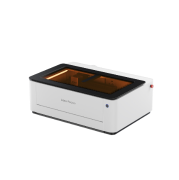
La découpe et la gravure avec un découpeur laser offrent une vitesse, une précision et une flexibilité de conception exceptionnelles pour le travail du cuir. Cette méthode permet des coupes nettes, des gravures détaillées et des résultats constants, ce qui la rend idéale pour les protège-livres en cuir personnalisés et la production à petite échelle.
Avantages et limites
Avantages
- Des coupes nettes et des gravures détaillées
- Prend en charge le texte, les logos et les motifs complexes
- Plus rapide et plus précis que la découpe manuelle
Limites
- Nécessite un équipement laser et des fichiers de conception
- Des réglages incorrects peuvent provoquer des marques de brûlure
Outils et matériaux
- Un découpeur laser
- Feuilles de cuir (le tannage végétal est idéal pour la gravure)
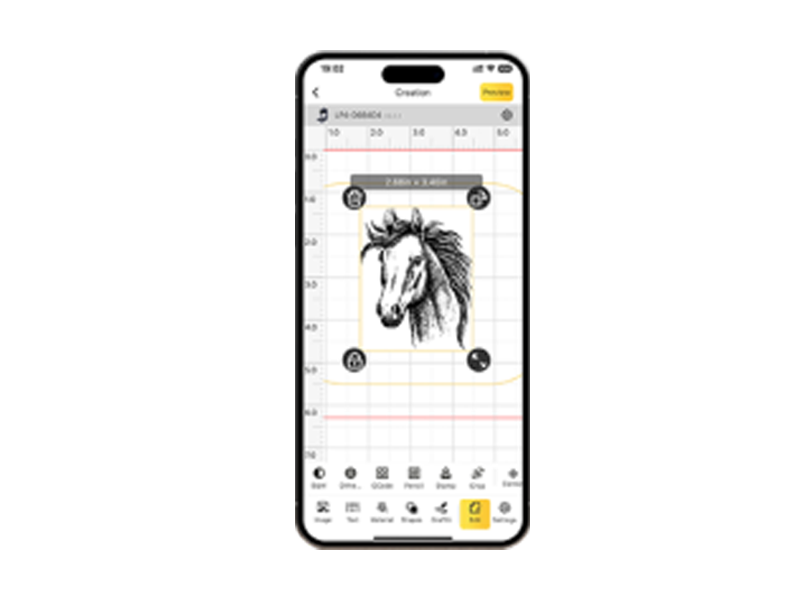
- LaserPecker Design Space pour vos modèles
- Fil, colle ou boutons-pression pour l'assemblage
Guide étape par étape
Étape 1 : Préparez le design de votre protège-livre sur votre ordinateur. Réfléchissez à la taille et à tous les détails personnalisés que vous souhaitez.
Étape 2 : Prenez votre cuir et placez-le sur le découpeur laser. Assurez-vous qu'il est bien fixé pour qu'il ne bouge pas.
Étape 3 : Ajustez les paramètres du laser précisément pour votre cuir. Vous ne voulez pas le brûler !
Étape 4 : Il est temps de découper toutes les pièces de cuir pour votre couverture.
Étape 5 : Si vous le souhaitez, gravez des motifs, des initiales ou un logo sur le cuir pour le rendre unique.
Étape 6 : Appliquez un peu d'huile pour cuir pour qu'il garde un bel aspect pendant longtemps.
Étape 7 : Appliquez de l'huile ou un assouplissant pour cuir pour protéger et maintenir l'apparence du cuir.
Fabriquer des protège-livres en cuir avec le LP5
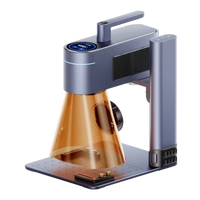
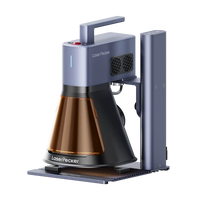
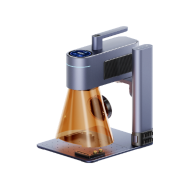
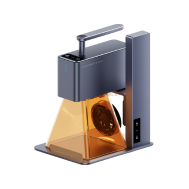
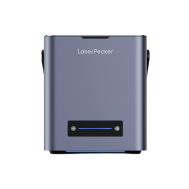
Un système à double laser peut considérablement étendre les capacités de personnalisation des protège-livres en cuir. Par exemple, une machine comme le LaserPecker LP5 combine un laser à diode bleue et un laser à fibre, permettant à la fois la découpe et la gravure de haute précision.

Source : Groupe FaceBook LaserPecker LP5
Capacités clés du LaserPecker LP5
Gravure :
Texte net, logos et illustrations détaillées sur le cuir.
Découpe :
Coupes nettes pour les cuirs d'épaisseur fine à moyenne.
Vitesse et précision :
Avec des vitesses de gravure allant jusqu'à 10 000 mm/s, le LP5 réalise efficacement des designs de cuir complexes ou texturés tout en conservant des détails nets et constants. Cela le rend bien adapté aussi bien aux pièces personnalisées uniques qu'à la production en petite série.
Fonctionnalités étendues :
Des accessoires optionnels étendent encore ses capacités. L'extension à glissière augmente la zone de travail à 160 × 300 mm, permettant la gravure par lots ou de composants en cuir plus grands. L'extension rotative prend en charge les objets cylindriques ou incurvés, tels que les lanières, les boucles ou les accessoires en cuir assortis.
Utilisation intuitive :
Le LP5 est compatible avec LightBurn et LaserPecker Design Space, offrant un flux de travail intuitif de type "glisser-déposer" adapté aux débutants comme aux utilisateurs expérimentés. Sa conception de sécurité fermée permet une utilisation sécurisée en intérieur, ce qui le rend approprié pour les studios, les ateliers et les environnements éducatifs.
Dans l'ensemble, le LaserPecker LP5 va au-delà de la simple découpe et gravure. Pour les protège-livres en cuir, il offre une solution de niveau professionnel qui prend en charge une personnalisation détaillée, une production efficace et une grande flexibilité créative.
Partie 3 : Idées créatives pour des protège-livres en cuir DIY
Une fois la structure de base d'un protège-livre en cuir terminée, une personnalisation créative permet d'en faire une pièce véritablement unique. Au-delà de l'aspect visuel, ces choix de conception renforcent le caractère et le savoir-faire de la couverture, la rendant idéale tant pour un usage personnel que pour des cadeaux significatifs.
Initiales ou noms :
Le lettrage personnalisé ajoute une identité et de la valeur à un protège-livre en cuir. Cette technique est couramment utilisée pour les journaux, les agendas et les carnets professionnels.
Cuir bicolore :
L'utilisation de couleurs de cuir contrastées apporte un look raffiné et contemporain. Les combinaisons neutres, comme le marron foncé et le cuir naturel, sont particulièrement populaires.
Motifs gaufrés :
Le gaufrage crée de la profondeur et un intérêt tactile. Des lignes épurées, des symboles subtils ou des motifs répétitifs sont efficaces pour maintenir un design équilibré.
Coutures fantaisie :
La couture avec un fil coloré ou contrasté renforce l'esthétique artisanale et la durabilité, tout en servant d'élément de design.
Cuir et tissu :
L'intégration de tissus comme le coton ou le denim adoucit l'apparence générale et ajoute un contraste de matériaux, ce qui donne un design distinctif et fonctionnel.
Partie 4 : Conseils pour réussir le meilleur protège-livre en cuir
Les protège-livres en cuir de haute qualité se définissent par leur précision et leur finition. Même avec des outils professionnels, l'attention portée aux détails lors de la mesure, de la sélection des matériaux et du post-traitement est essentielle pour obtenir une durabilité et un savoir-faire raffiné. Les directives suivantes aident à garantir des résultats constants et durables.
Mesurer deux fois, couper une fois :
Mesurez soigneusement la hauteur, la largeur et l'épaisseur du dos du livre. Prévoyez toujours un espace supplémentaire pour les plis et les coutures. Des mesures précises réduisent le gaspillage et garantissent une couverture ajustée et bien adaptée.
Choisir le cuir :
Le cuir à tannage végétal est idéal pour la sculpture ou le gaufrage, tandis que les cuirs plus souples sont plus faciles à plier et à manipuler. Un cuir de qualité supérieure est non seulement plus esthétique, mais il vieillit aussi plus magnifiquement.
Faire des tests :
Avant de vous lancer sur votre pièce finale, testez les coupes, les points ou la gravure sur des chutes de cuir. Cela vous aide à affiner vos outils et à éviter des erreurs coûteuses.
Soigner les tranches :
Utilisez un abat-carre, un brunissoir et de la cire pour lisser et sceller les tranches. Des tranches bien finies améliorent la durabilité et donnent à la couverture un aspect poli et haut de gamme.
Entretien :
Appliquez un assouplissant ou une huile pour cuir une fois la couverture terminée. Cela rehausse la couleur, ajoute un éclat subtil et maintient le cuir souple au fil du temps.
FAQ : Questions sur la fabrication d'un protège-livre en cuir
Q1. Quel type de cuir est le plus adapté pour les protège-livres ?
Le cuir à tannage végétal est largement recommandé en raison de sa stabilité structurelle et de sa compatibilité avec la gravure, le estampage et la teinture. Les cuirs plus souples au tannage au chrome ou à l'huile conviennent aux designs flexibles. L'épaisseur du matériau doit être choisie en fonction de l'équilibre souhaité entre la facilité de manipulation et la durabilité.
Q2. Des outils spécialisés sont-ils nécessaires pour fabriquer un protège-livre en cuir ?
Des outils de base peuvent suffire pour des projets simples, mais des outils de maroquinerie spécialisés améliorent considérablement la précision et la qualité de finition. Les griffes à frapper, les abat-carres et les emporte-pièces aident à obtenir des résultats constants et professionnels.
Q3. Comment entretenir un protège-livre en cuir ?
Nettoyez-le occasionnellement avec un chiffon doux ou légèrement humide, puis appliquez un assouplissant ou une huile légère pour le cuir. Évitez de le tremper dans l'eau ou de le laisser à la lumière directe du soleil pendant de longues périodes. Un entretien approprié empêche le cuir de se dessécher ou de se fissurer.
Q4. Les protège-livres en cuir peuvent-ils être personnalisés pour offrir ou vendre ?
Oui, et c'est l'un de leurs plus grands atouts. Vous pouvez ajouter des initiales, des citations, des logos ou des coutures décoratives. Les couvertures en cuir faites à la main sont perçues comme attentionnées et uniques, ce qui les rend idéales pour des cadeaux ou des petites gammes de produits artisanaux.
Q5. La gravure laser est-elle sûre pour fabriquer un protège-livre en cuir à la maison ?
Oui, la gravure laser peut être sûre pour fabriquer un protège-livre en cuir à la maison lorsque les mesures de sécurité appropriées sont respectées. L'utilisation de réglages de puissance et de vitesse corrects aide à prévenir les brûlures, la carbonisation excessive ou l'endommagement de la surface du cuir. Comme les types de cuir et les finitions varient, il est toujours recommandé de tester la gravure sur une petite chute avant de travailler sur la couverture finale.
Notes de sécurité :
Pour les utilisateurs à travers l'Europe, la sécurité est primordiale lors de la gravure laser sur le cuir ou d'autres matériaux délicats.
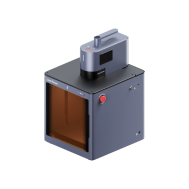
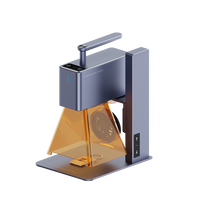
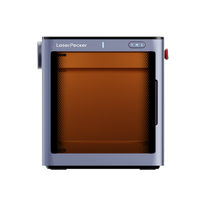
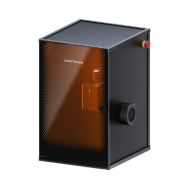
- Utilisateurs LP2 Plus, LP2, et LP4 : Nous recommandons de coupler votre machine avec le Boîtier Standard LaserPecker lors d'une utilisation à domicile ou en atelier en Europe. Cet accessoire renforce la protection, complétant la conformité de sécurité laser de Classe 4 des machines selon les directives.
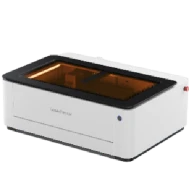
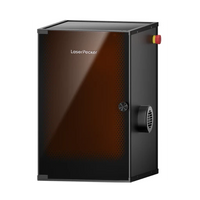
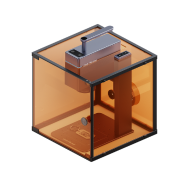
- Utilisateurs LP5 : Le boîtier de sécurité LP5 est requis pour une protection adéquate pendant le fonctionnement. Il garantit le respect des réglementations de sécurité de l'UE, protégeant contre toute exposition accidentelle dans des environnements résidentiels ou de petites entreprises.
- Utilisateurs LX2 : Aucun boîtier supplémentaire n'est nécessaire. Le LX2 est un système laser de Classe 1, ce qui signifie qu'il est sûr à utiliser sans équipement de protection supplémentaire dans des conditions de fonctionnement normales.
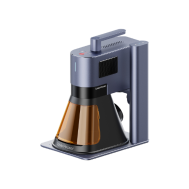
Au-delà de la sécurité laser, la qualité de l'air est une considération clé pour les ateliers en intérieur. Le traitement au laser génère des fumées et des particules fines qui peuvent affecter la santé respiratoire. Pour respecter les directives sur la qualité de l'air intérieur et maintenir un espace de travail propre et sûr, nous recommandons vivement d'utiliser le Purificateur d'air de bureau LaserPecker, particulièrement pour les maisons et studios fermés ou bien isolés.
Conclusion
Créer un protège-livre en cuir est un moyen simple mais significatif de personnaliser et de protéger vos livres. Des techniques traditionnelles de découpe manuelle aux outils modernes tels que les machines Cricut ou les découpeurs laser, il existe de multiples approches pour s'adapter aux différents niveaux de compétence et flux de travail. En choisissant un cuir de qualité et en appliquant une finition soignée, vous pouvez produire une couverture durable qui allie fonction, savoir-faire et caractère personnel.