








































"Has anyone ever tried laser cutting paper?"
It's a question many creative enthusiasts across Europe are
beginning to explore.
In this guide, we'll walk through everything you need to know about paper laser cutting—from basic principles to practical applications. We'll also include a step-by-step example of how to create a customised laser-cut paper greeting card.
Across the EU, this technique is increasingly popular among DIY creators, designers, and small craft businesses looking to achieve precise, detailed results with minimal manual effort.

In this article:
Part 1: The Overview of Paper Laser Cutting
1.1 What Is Paper Laser Cutting?
Paper laser cutting is a modern technique used to cut and shape paper into precise designs, patterns, and decorative elements. By using a controlled laser beam, creators can achieve clean and highly detailed results with minimal manual effort.
Across the EU, this method is widely used by DIY enthusiasts, designers, and small craft businesses for producing customised stationery, packaging, and artistic paper products.

1.2 How Does Laser Cut Paper?
Can paper be laser cut? Yes—it's not only possible but highly effective.
Laser cutting paper involves directing a concentrated laser beam onto the material. The heat generated causes the paper to burn and vaporise along the cutting path, producing sharp and accurate edges.
Key advantages of this method include:
- Precision cutting: Suitable for complex and intricate patterns
- Consistent results: Controlled by software for repeatability
- Minimal material waste: Efficient cutting with fine kerf width
Compared to traditional cutting methods, laser cutting offers greater control and efficiency, making it ideal for both hobby and small-scale commercial applications.

1.3 Paper Laser Cutting Machine
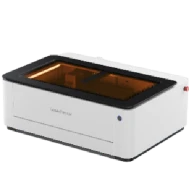
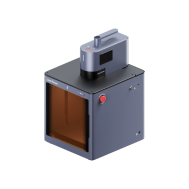
Choosing the right machine is essential for achieving high-quality results. Common types of laser cutters include diode, CO₂, and fibre systems.
Many users in the EU often ask:
- Which laser cutter is most suitable for paper?
- What machine should I choose for home or studio use?
For most DIY creators and small workshops, diode laser cutters are a practical choice due to:
- Cost efficiency: Lower investment compared to industrial systems
- Ease of operation: Suitable for beginners and hobbyists
- Versatility: Capable of handling a range of light materials
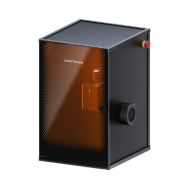
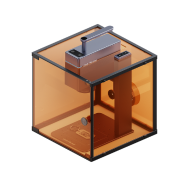
In the EU market, safety compliance and indoor usability are also important considerations. Machines designed with enclosed protection or compatibility with air purification systems help ensure safer use in indoor environments.

1.4 What Paper Is Best for Laser Cutting?
Selecting the right type of paper plays a key role in the final outcome of your project. Different materials respond differently to laser cutting.
Common options include:
- Cardstock: Ideal for detailed and decorative designs
- Kraft paper: Durable and suitable for natural aesthetics
- Cardboard: Strong and supportive for structural designs
- Recycled paper: Sustainable and versatile
- Marker paper: Smooth surface for precision cutting
To achieve optimal results, consider:
- Material thickness and density
- Desired level of detail
- End-use of the product
Testing multiple paper types is recommended to find the best match for your machine and design requirements.
Part 2: Recommended Laser Paper Cutting Projects
1. Laser cut paper wall decorations
Laser-cut paper wall decorations are widely used across the EU for creating modern and customised interior designs. With a laser cutter, detailed patterns and artistic compositions can be produced with high precision and consistency.
Common applications include:
- Interior decoration: Homes, studios, and creative workspaces
- Event design: Exhibitions, weddings, and themed installations
- Small business products: Custom wall art for local or online markets
This project is particularly suitable for designers and craft businesses looking to produce visually striking pieces with efficient workflows.
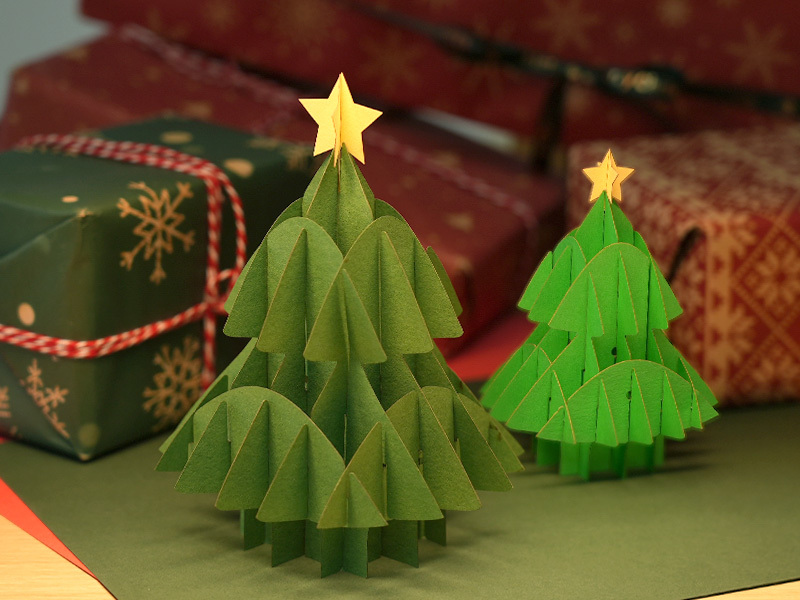
2. Laser cut paper Christmas trees
Laser-cut paper Christmas trees are a popular seasonal project throughout Europe, offering a minimalist and creative alternative to traditional decorations.
Using laser cutting technology, detailed components can be precisely produced and assembled into decorative structures.
Typical use cases include:
- Seasonal displays: Homes, offices, and retail environments
- Craft markets: Handmade festive products
- DIY projects: Creative activities for individuals or families
Their lightweight structure and efficient production make them ideal for both personal use and small-scale commercial production.
3. Laser cut paper bookmarks
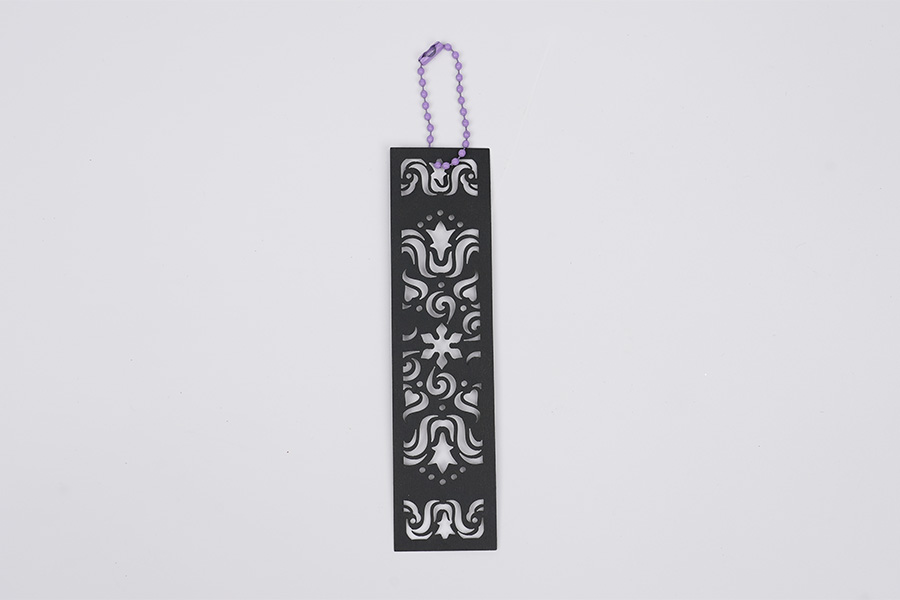
Laser-cut paper bookmarks are a practical yet creative application of laser cutting technology. They allow for precise detailing and customisation, making them appealing for a wide range of users.
Popular features include:
- Fine-cut patterns: Clean and detailed designs
- Personalisation options: Names, messages, or branding elements
- Versatile styles: Suitable for both minimal and decorative aesthetics
Across the EU, these bookmarks are commonly produced by independent creators and small stationery brands, offering a scalable product with strong market appeal.
💡Case Study: Craft a Laser Cut Paper Greeting Card Within 5 Steps
Preparation Checklist for Laser Cutting Paper
Make sure you have the following ready:
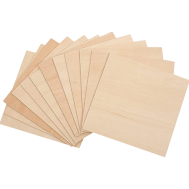
- Cutting Material: 0.5 mm paper
- Cutting Machine: Diode laser cutter
- Cutting Design: Shapes, text, or decorative patterns
Can paper be laser cut? Yes—and it's a fast and efficient process.
With the right setup, you can complete a customised paper greeting card in just a few minutes.
Step 1: Choose Your Material – 0.5 mm Paper
Material selection plays a key role in achieving precise cutting results.
Using laser-safe natural paper helps reduce safety risks while ensuring clean edges and consistent output.
For EU users, especially those working in studios or indoor environments, thinner paper offers:
- Faster cutting speeds
- Lower energy requirements
- Reduced risk of burn marks
Step 2: Choose the Right Laser Cutting Machine for Paper
Selecting the right machine is essential for both quality and efficiency.
A well-calibrated laser cutter allows you to cut paper cleanly without excessive burning, thanks to precise control over power and depth.
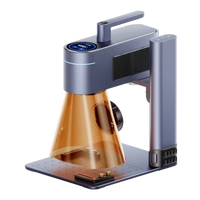
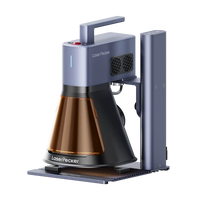
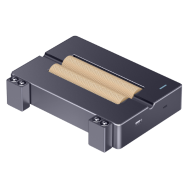
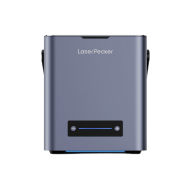
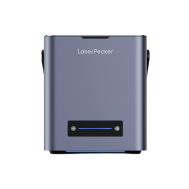
For dependable performance, LaserPecker 4 (LP4) is a strong choice for paper laser cutting.
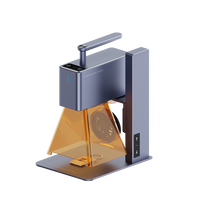
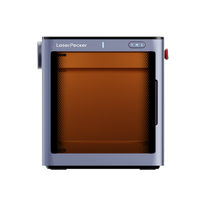
Alternatively, LP5 and LP2 Plus are also suitable options for DIY creators and small workshop applications.
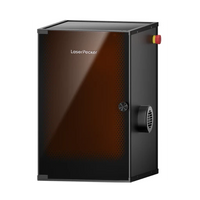
For more advanced or large-format projects, LaserPecker LX2 provides higher power configurations, making it ideal for scalable production and more complex designs.
Step 3: Prepare Your Cutting Design
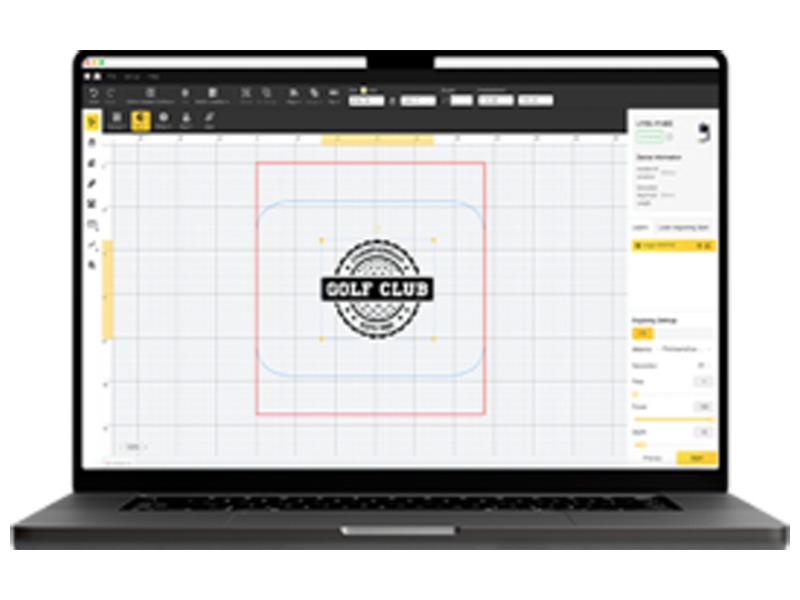
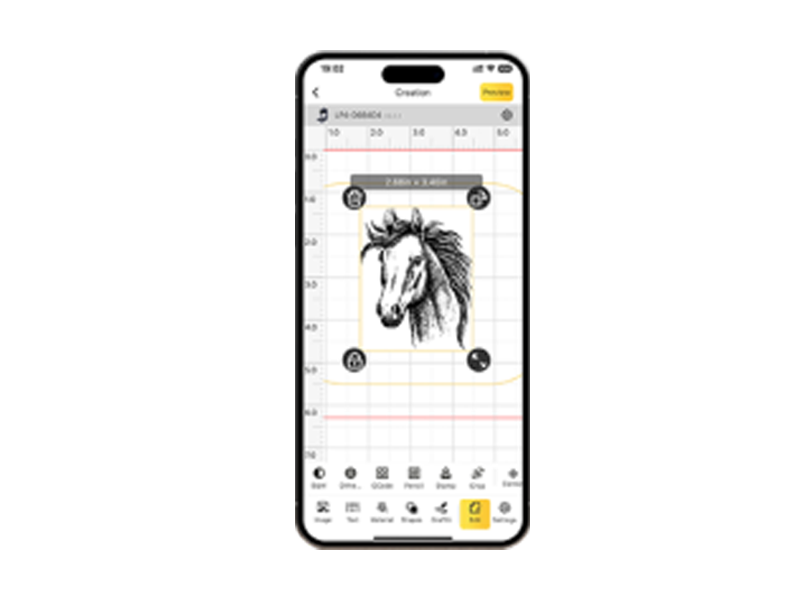
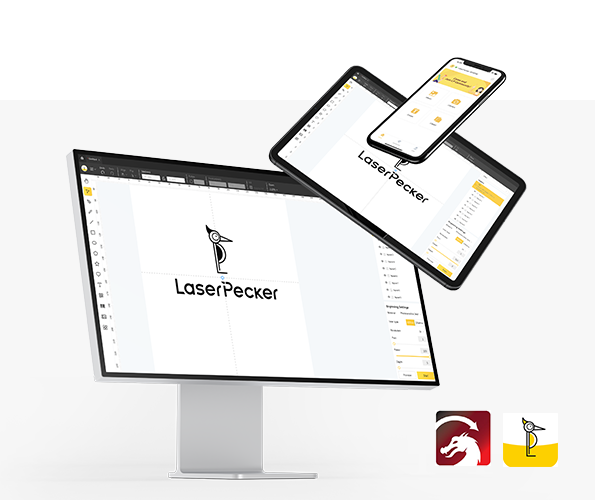
Create or import your design using LaserPecker graphic design app/software, or other tools such as Photoshop.
When designing your project, focus on:
- Accuracy of dimensions
- Level of detail required
- Material compatibility
Across the EU, many users also explore LaserPecker CraftZone for ready-made templates and creative inspiration.
Step 4: Set Up the Paper Laser Cutting Machine
Follow these steps:
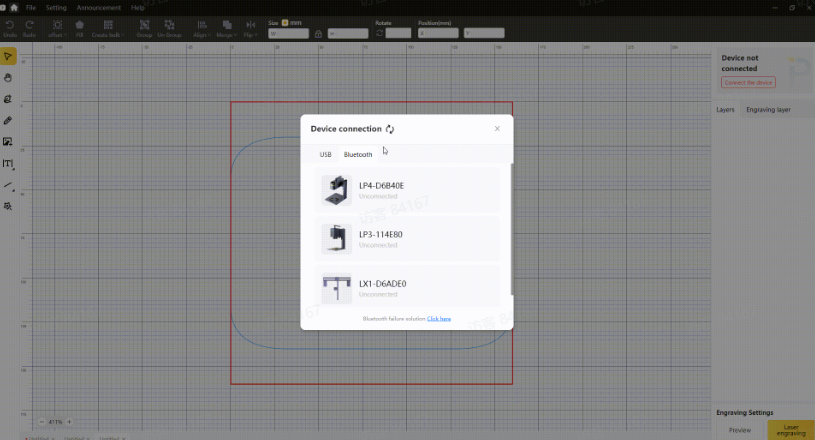
1. Connect the machine
Power on and connect via USB or Bluetooth.
2. Import your design
Supported formats include JPG, PNG, SVG, and G-code.
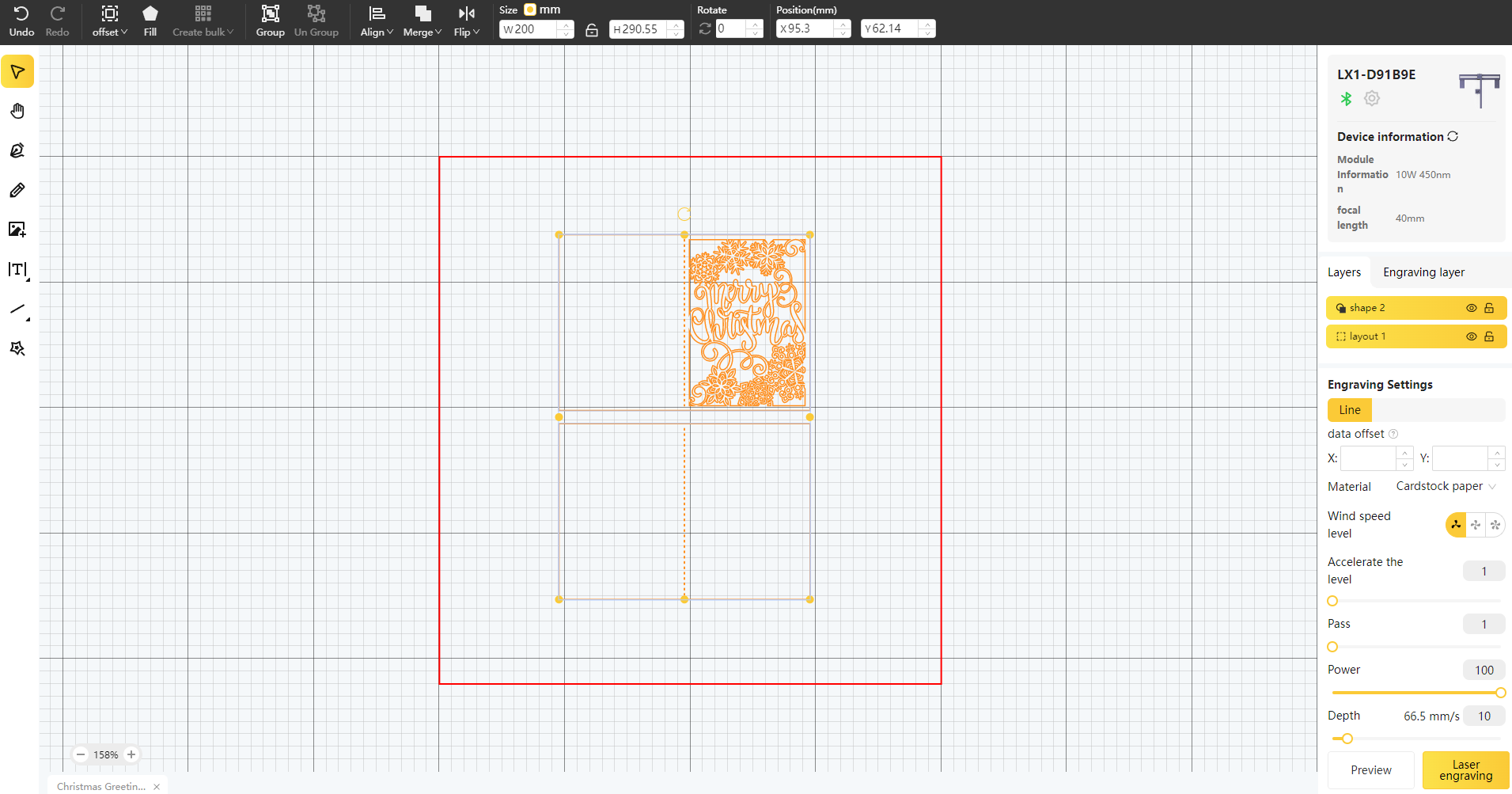
3. Position the material
Place the paper correctly and enable preview mode.
4. Adjust placement
Ensure the design aligns with the material dimensions.
5. Configure settings
Adjust power, resolution, and depth accordingly.
Recommended laserpecker engraving and cutting parameters for paper (LP4):
- 10W 450 nm diode laser
- Resolution: 1K
- Power: 20%
- Depth: 86%
- Pass: 1
Settings may vary depending on material type and desired finish.
Safety Considerations
For safe operation:
- Always wear goggles or use protective shielding
- Ensure adequate ventilation
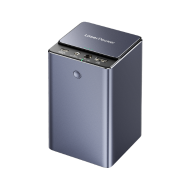
- Use an air purifier to reduce smoke and airborne particles
In many EU regions, indoor air quality and safety compliance are important considerations, especially for home studios and small businesses.
Step 5: Start Cutting Your Paper With Laser Now
Before starting, review all settings and positioning.
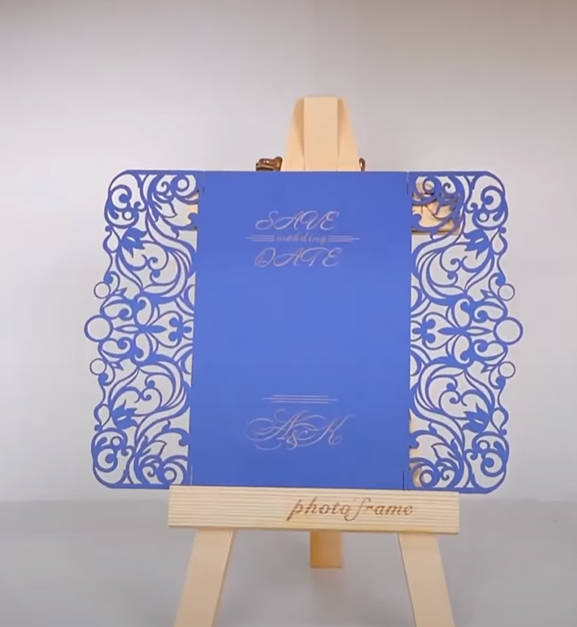
Once ready, begin the cutting process and monitor the machine as it works. The laser will produce clean, precise cuts based on your design.
After cutting, you can enhance your project further with engraving for added detail and customisation.
FAQs: Hot Questions about Paper Laser Cutting in the EU
Q1. Can paper be laser cut safely at home or in a studio?
Yes, paper can be safely laser cut in home or studio environments when using appropriate equipment and following safety guidelines, such as ventilation and protective measures.
Q2. Why does laser cutting sometimes leave burn marks on paper?
Burn marks usually occur when the laser power is too high or the speed is too slow. Proper calibration of settings helps achieve clean and precise cuts.
Q3. Which laser cutter is suitable for paper cutting in the EU?
Diode laser cutters are widely used across the EU for paper projects due to their efficiency and accessibility. Machines like LaserPecker 4 (LP4) are commonly chosen for detailed and small-scale work.
Q4. How do I choose the right paper for laser cutting?
The ideal paper depends on your project. Thinner papers are better for detailed designs, while thicker materials like cardboard are more suitable for structural or 3D applications.
Q5. Do I need special ventilation for laser cutting paper?
Yes, proper ventilation is recommended. Using an air purifier or working in a well-ventilated area helps reduce exposure to smoke and airborne particles.
Q6. What are common uses for laser cut paper products?
Laser cut paper is widely used for customised stationery, decorative art, packaging prototypes, and craft products. It is especially popular among designers and small creative businesses in the EU.
Conclusion
In conclusion, paper laser cutting is a versatile and precise technique that enables the creation of detailed designs and functional paper products with high consistency and quality.
Across the EU, it is widely adopted by DIY creators, designers, and small businesses looking to produce customised items efficiently. With the right tools and settings, users can achieve clean cuts, intricate patterns, and repeatable results suitable for both personal and commercial use.
From artistic expression to small-scale production, paper laser cutting provides a flexible solution for a wide range of creative and practical applications.