








































Stone engraving has been widely used across Europe for centuries to create memorial inscriptions, architectural decorations, artistic designs, and customised stone products. Today, engraved stone continues to be popular for personalised gifts, signage, home décor, and craft business applications because of its long-lasting and premium appearance.
Whether you are a hobbyist, designer, or small workshop owner in the EU, there are several engraving tools available today that work well with materials such as slate, granite, and marble. Selecting the right engraving tool is especially important when working with different stone hardness levels and surface finishes.
This article introduces four of the best stone engraving tools, compares their advantages and limitations, and helps you choose the most suitable option for your engraving projects.

In this article:
-
Part 1: Four Stone Engraving Tools You Need to Know
- Type 1: Laser Engraving Machines
- Type 2: Impact Engraving Machines
- Type 3: Sandblasting Machines
- Type 4: CNC Engraving Machines
- Part 2: Which Stone Engraving Tool Is Best?
- Part 3: Tips for Choosing the Right Stone Engraving Tools
- Part 4: FAQs about Stone Engraving Tools
Part 1: Four Stone Engraving Tools You Need to Know
Stone engraving in Europe typically involves four main engraving technologies: laser engraving machines, impact engraving machines, sandblasting machines, and CNC engraving machines. Each solution supports different engraving depths, stone types, and production scales ― from personalised slate gifts and memorial inscriptions to architectural stone elements widely used across EU regions.
Selecting the right engraving method depends not only on the stone material but also on workspace safety requirements, indoor usability, and production efficiency.
Type 1: Laser Engraving Machines
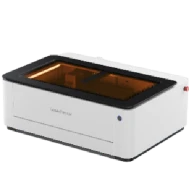
Laser engraving machines are among the most flexible and widely adopted tools for stone engraving across the EU today. They use a concentrated laser beam to remove material from the stone surface with excellent precision and repeatability.
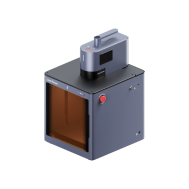
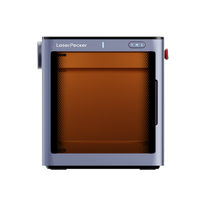
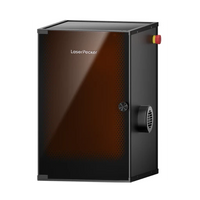
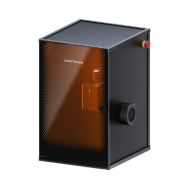
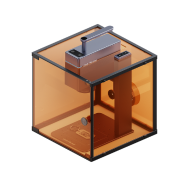
For EU hobbyists and small workshops, compact enclosed laser engravers with Class 1 laser safety options are especially attractive because they support safer indoor operation while maintaining professional engraving quality.
How It Works
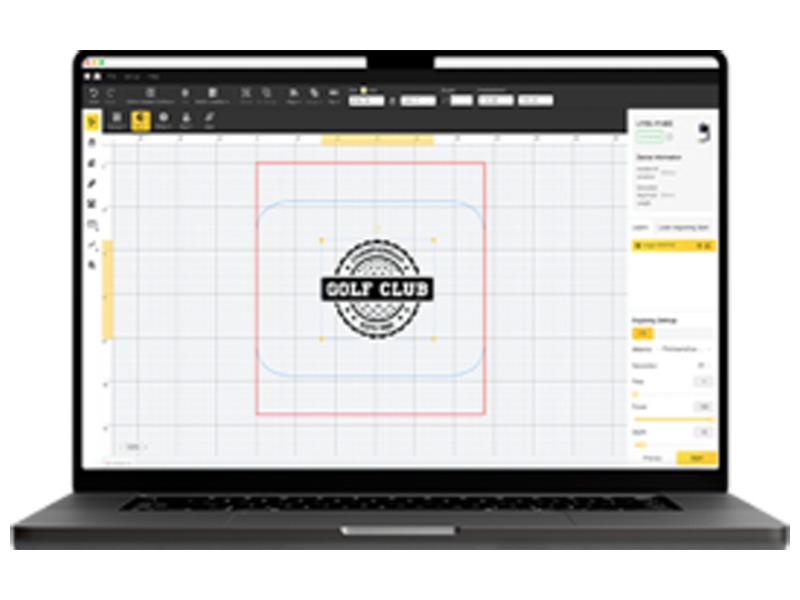
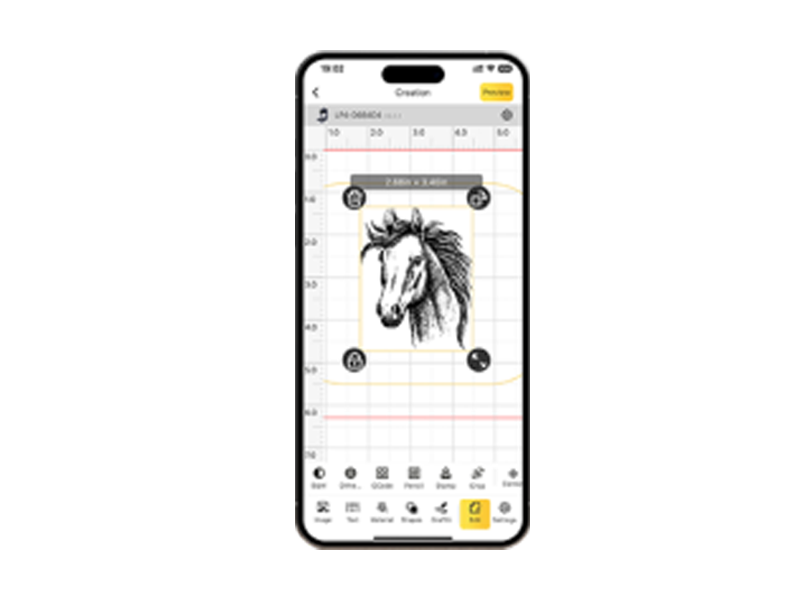
Laser engraving machines direct a focused beam onto the stone surface to either vaporise or thermally modify the material. The engraving process is controlled through dedicated software or mobile applications, allowing users to import artwork and engrave accurately with minimal setup time.
Some advanced laser engravers can make 3D effects on stone, which gives your designs depth and creates a sculpted appearance suitable for signage, decorative panels, and customised stone gifts.
Pros of Laser Engraving Machines
- Compatible with multiple stone types: Laser engraving machines perform well on granite, slate, marble, and sandstone commonly used across EU craft and signage applications.
- High precision engraving: They can produce clean lettering, detailed graphics, and photographic-style engraving results that are difficult to achieve with mechanical engraving tools.
- Reliable batch production: Saved designs can be reproduced consistently, making laser engraving suitable for small business production, personalised product lines, and workshop-scale manufacturing.
- 3D Effects: Some laser engraving machines can make 3D effects on stone, which gives your designs depth and improves the visual impact of engraved signage and decorative stone panels.
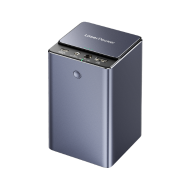
Many EU users also combine enclosed laser engravers with desktop air purification systems to support safer indoor engraving environments.
Type 2: Impact Engraving Machines
Impact engraving machines create permanent markings by repeatedly striking the stone surface with a hardened engraving tip. This method is particularly effective on granite, marble, and slate used for memorial inscriptions and outdoor identification plates across Europe.
Because impact engraving produces deep grooves in the material, it remains readable even after long-term weather exposure.
However, compared with laser engraving machines, impact engraving provides less flexibility for detailed artwork and may generate noticeable operational noise in indoor workshop environments.
Best for: deep inscriptions, stone plaques, memorial engraving
Limitations: limited detail, noisy operation, not ideal for complex artwork
Type 3: Sandblasting Machines
Sandblasting machines engrave stone by directing high-pressure abrasive media onto the surface through stencil masks. This technique produces deep, textured engravings suitable for architectural signage, cemetery headstones, and large stone panels widely used across EU construction and memorial industries.
Sandblasting is particularly effective on granite and marble surfaces exposed to outdoor environments.
However, sandblasting requires extraction systems, protective equipment, and workshop-level installation space. Because of these safety requirements, it is typically more suitable for professional engraving facilities than home-based engraving setups.
Best for: large-scale projects, deep engraving, outdoor stone applications
Limitations: bulky setup, safety requirements, limited fine detail
Type 4: CNC Engraving Machines
CNC engraving machines use computer-controlled cutting tools to carve stone with high accuracy and repeatability. Unlike surface engraving technologies, CNC machines remove material layer by layer, making them ideal for relief carving, deep lettering, and complex geometric stone patterns.
Across EU professional workshops, CNC engraving machines are widely used for architectural stone fabrication, sculpture production, signage manufacturing, and customised stone components.
However, CNC engraving machines typically require larger workspace installations, dust extraction planning, and operator experience, making them better suited to commercial production environments.
Best for: deep carving, complex designs, professional stone work
Limitations: high cost, large space requirement, steep learning curve
Comparison Table: Stone Engraving Tools Overview
| Tool | Precision | Speed | Best For | 3D Effects | Batch Production | Notes |
|---|---|---|---|---|---|---|
| Laser Engraving | High | Fast | Complex patterns, photos | Yes | Excellent | Works on marble, granite, slate, sandstone |
| Impact Engraving | Medium | Medium | Text, simple logos | No | Limited | Durable markings on hard stone |
| Sandblasting | Medium | Medium | Large plaques, textured designs | Limited | Moderate | Requires stencil masking systems |
| CNC Engraving | High | Slow | Geometric designs, text | Limited | Good | Mechanical cutting; tooling required |
Part 2: Which Stone Engraving Tool Is Best?
In 2026, laser engraving machines are widely considered one of the most efficient and flexible engraving solutions for both hobby users and professional workshops working with stone materials. They support engraving on marble, slate, granite, and sandstone while offering excellent precision and repeatability for customised production.
Compared with traditional stone engraving methods such as sandblasting or impact engraving, modern laser engraving machines are easier to integrate into indoor workshop environments across the EU ― especially when paired with enclosed engraving setups and appropriate air purification solutions.
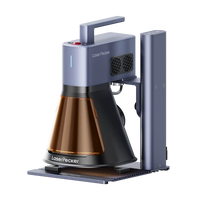
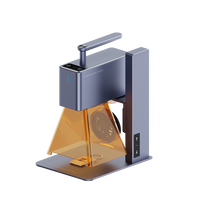
Recommended Product: LP5 Laser Engraver
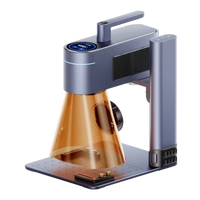
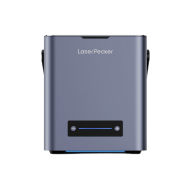
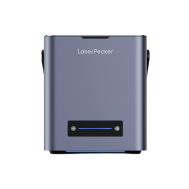
One recommended option for users who need both performance and flexibility is the LP5 Laser Engraver, which combines portability with professional-grade engraving capability.
The LP5 features a dual-laser system (20W fibre + 20W diode), allowing it to handle multiple engraving applications across stone, metal, and coated materials commonly used in EU signage, decorative products, and personalised craft production.
1. Strong Fibre Laser Capability
The fibre laser module provides sufficient power to engrave dense stone materials such as marble and slate, supporting deeper engraving textures and relief-style carving effects.
This enables the LP5 to create true 3D-style engravings with depth, texture, and a high-end sculpted appearance, which are particularly useful for signage panels, decorative stone elements, and customised architectural engraving components.
2. Fast Engraving Speed
With engraving speeds of up to 10,000 mm/s, the LP5 supports efficient production workflows for both small workshops and customised product businesses across the EU.
3. Portable and Flexible Installation
Because the LP5 can operate using a mobile power source, it supports flexible installation in studios, maker spaces, and mobile engraving setups ― an advantage for users who require adaptable workspace layouts.
4. Smart Software and App Control
Integrated software and mobile app control allow users to import designs quickly and engrave with consistent positioning accuracy, helping reduce setup errors and improve engraving reliability.
For EU users working in shared indoor workspaces, this type of digital workflow also helps improve operational efficiency.
Part 3: Tips for Choosing the Right Stone Engraving Tools
Choosing the right stone engraving tool depends on the material you plan to engrave, the level of detail required, and the safety conditions of your workspace. Across the EU, many users also consider indoor usability and laser safety classifications when selecting engraving equipment.
Below are the most important factors EU users should evaluate before investing in a stone engraving solution:
1. Stone Hardness
Stone density directly affects engraving depth and surface quality.
- Soft stone (e.g. sandstone) → suitable for sandblasting or light laser engraving
- Medium-density stone (e.g. slate) → ideal for laser engraving machines
- Hard stone (e.g. marble and granite) → best engraved using fibre laser or impact engraving systems
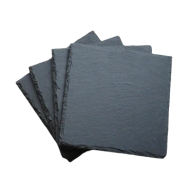
Slate remains one of the most commonly engraved materials across EU craft and signage applications, which makes laser engraving machines a highly practical option for both hobbyists and small workshops.
2. Required Engraving Detail
Projects that include logos, graphics, or photo engraving require higher engraving precision.
Laser engraving machines are especially suitable for:
- customised signage panels
- decorative stone plates
- photo engraving on slate
- personalised architectural elements
Compared with sandblasting or impact engraving, laser engraving produces cleaner edges and better visual contrast on dense stone materials.
3. Project Scale and Workflow Needs
Consider how frequently you plan to engrave stone.
- Occasional home use → compact enclosed laser engravers are ideal
- Workshop-scale production → laser engraving machines support efficient repeat workflows
- Industrial or architectural fabrication → CNC engraving systems may be more appropriate
Across the EU maker community, compact laser engravers are increasingly preferred because they combine flexibility with reliable indoor usability.
4. Budget Planning
Your investment level should match your production goals.
For beginners:
Choose a compact engraving solution that supports multiple materials and simple setup procedures.
For professional users:
Investing in advanced laser engraving machines improves production consistency, engraving precision, and workflow efficiency when producing customised stone signage or decorative products.
Because laser engraving machines can support both creative applications and commercial production, they provide strong long-term value for many EU users.
5. Workspace Safety and Installation Conditions
Workspace requirements vary depending on engraving technology.
- Sandblasting systems require ventilation infrastructure and protective equipment
- CNC machines require dust management planning
- Enclosed laser engraving machines with Class 1 laser safety options support safer indoor operation
Many EU users combine compact laser engravers with desktop air purification systems to maintain cleaner indoor workshop environments when engraving stone materials.
Part 4: FAQs about Stone Engraving Tools
Q1. What Is the Best Stone to Engrave?
Granite, marble, and slate are widely considered the best stone materials for engraving across the EU because they produce strong visual contrast and durable marking results.
Slate is especially popular for decorative panels and personalised signage applications due to its smooth engraving surface.
Softer materials such as sandstone and limestone can also be engraved, but reduced engraving power is recommended to avoid surface damage.
Avoid coated or chemically treated stone surfaces, as they may react unpredictably during laser engraving.
Q2. What Is the Best Laser Engraver for Stone?
Many professionals prefer laser engraving machines with fibre laser capability for stone engraving because they provide higher contrast and deeper engraving effects.
The LP5 dual-laser system combines fibre and diode laser modules, allowing users to engrave both stone and mixed materials within the same workflow.
This flexibility makes it suitable for EU workshop environments producing signage panels, decorative plates, and customised stone products.
Q3. Do I Need a Computer to Operate a Laser Engraver?
Not necessarily.
Most modern laser engraving machines support mobile app workflows for simple engraving tasks such as text and logos.
However, computer-based software provides better precision when working with:
- photo engraving
- architectural signage layouts
- repeated production designs
- workshop-scale engraving projects
This is particularly helpful for EU maker spaces and shared workshop environments.
Q4. Can All Types of Stone Be Laser Engraved?
Many natural stones can be engraved successfully using laser engraving machines, but engraving results depend on mineral structure and surface density.
Granite, marble, and slate typically provide the most consistent engraving contrast and durability.
Always test engraving settings before starting a full project, especially when working with natural stone panels used for signage or decoration.
Avoid resin-filled or coated stone surfaces, as they may respond unpredictably to laser exposure.
Q5. Are Laser Engraving Machines Suitable for Indoor Use in the EU?
Yes.
Compact enclosed laser engraving machines with Class 1 laser safety options are widely used across the EU for indoor engraving applications.
Many users also combine engraving systems with desktop air purification units to help maintain cleaner workshop environments when engraving stone materials.
This makes laser engraving suitable for studios, maker spaces, and small production workshops.
Q6. What Stone Engraving Projects Are Common for EU Beginners?
Popular beginner-friendly stone engraving projects across the EU include:
- decorative slate panels
- personalised signage plates
- engraved name tiles
- architectural detail markers
- customised gift items
These projects work especially well with compact laser engraving machines because they require consistent contrast and moderate engraving depth.
Conclusion
Stone engraving involves several different technologies, each suited to specific materials and engraving applications. Laser engraving machines are widely valued for their precision and flexibility when producing decorative stone panels, customised signage, and personalised engraved products. Impact engraving remains ideal for deep permanent inscriptions, while sandblasting is commonly used for large memorial plaques and architectural stone surfaces. CNC engraving machines provide excellent accuracy for relief carving and geometric stone fabrication.
Across the EU, many hobbyists, maker-space users, and small workshop operators choose compact laser engraving machines because they support reliable indoor workflows and consistent engraving results across materials such as marble, slate, and granite.
By selecting the right engraving method based on material type, workspace conditions, and production goals, users can achieve professional-quality stone engraving results suitable for both creative projects and commercial applications.