







































Leather engraving is widely used to personalise products such as wallets, belts, bags, and accessories. Different tools—from manual techniques to advanced laser engraving machines—offer varying levels of precision, efficiency, and design flexibility.
Choosing the right method depends on your production needs, skill level, and desired finish.
Across the EU, laser engraving machines are increasingly adopted for their consistency and efficiency, while traditional tools are still valued for their craftsmanship and texture.

In this article:
-
Part 1: 6 Essential Tools for Leather Engraving
- Tool 1: Laser Engraving Machines
- Tool 2: Cricut
- Tool 3: Swivel Knife
- Tool 4: Leather Stamping Tools
- Tool 5: Maul or Mallet
- Tool 6: Leather Carving Knife
- Part 2: Which Leather Engraving Tool Is Right for You?
- FAQs: Questions about Leather Engraving Tools
Part 1: 6 Essential Tools for Leather Engraving
Leather engraving can be achieved using a variety of tools, ranging from digital machines to traditional hand tools. Each option provides different levels of precision, efficiency, and creative flexibility.
In this section, we introduce six essential leather engraving tools and machines. We'll explain their strengths, limitations, and ideal use cases, so you can choose the most suitable option for your engraving workflow.
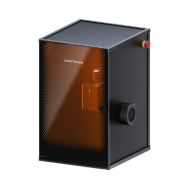
Tool 1: Laser Engraving Machines
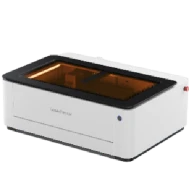
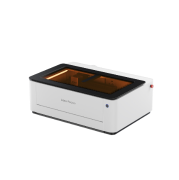
Laser engraving machines use a concentrated beam of light to engrave leather with high precision. This enables detailed designs, smooth shading, and consistent engraving depth.
They are widely used for logos, text, graphics, and repeat patterns. With digital control, laser engraving ensures consistent results, making it suitable for custom production, small businesses, and scalable workflows.
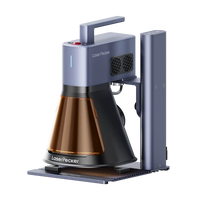
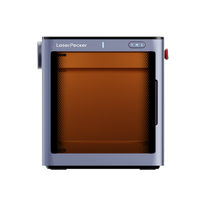
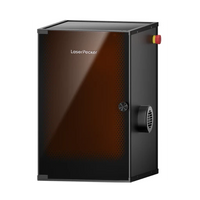
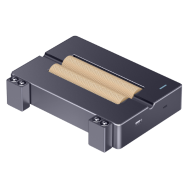
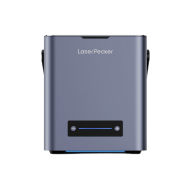
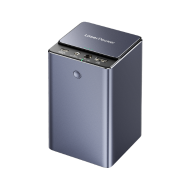
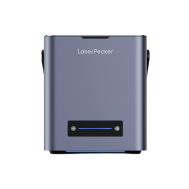
Recommended Option: LaserPecker LP2 Plus
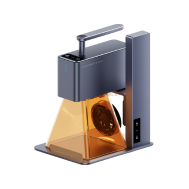
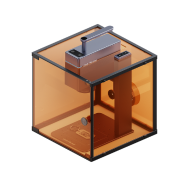
The LaserPecker LP2 Plus is a versatile solution for leather engraving across the EU, offering a balance of performance and usability.
- 10W diode laser for accurate and clean engraving
- Fast engraving speeds up to 4,000 mm/s
- Supports a wide range of materials including leather and wood
- Compact and space-efficient design
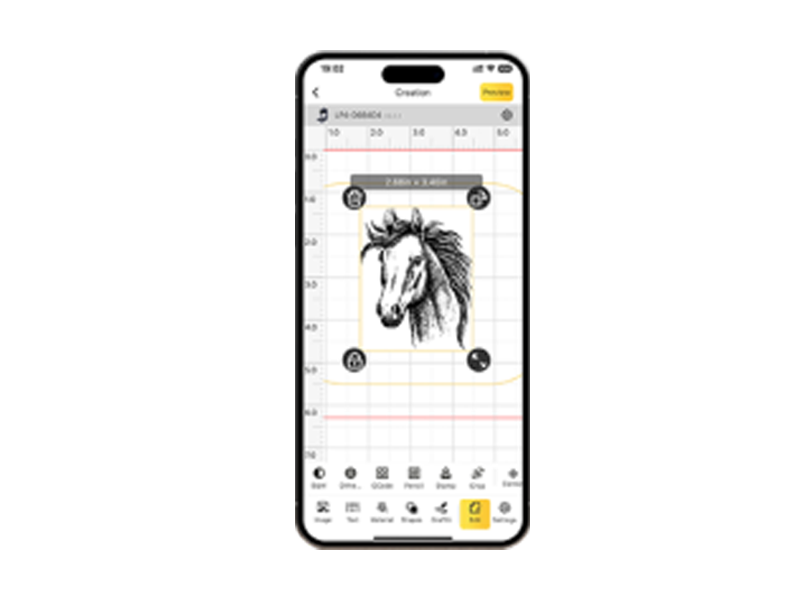
- Beginner-friendly operation with intuitive software
It is well suited for small businesses, workshops, and personalised product creators.
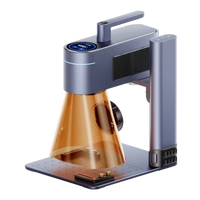
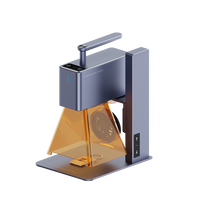
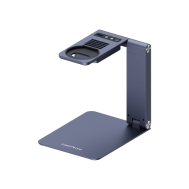
Alternative for Creative Use: LaserPecker LP1 Plus
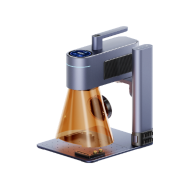
The LaserPecker LP1 Plus is a compact and portable option designed for beginners and creative users.
- Lightweight and highly portable
- Quick setup, suitable for on-the-go use
- Engraves leather and other common materials
- Simple app-based workflow for easy design creation
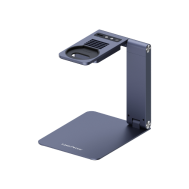
- Flexible setup with adjustable stand
It is ideal for hobbyists, DIY projects, and entry-level engraving rather than high-volume production.
For EU users, laser engraving machines are commonly used in indoor workshops and small-scale production environments due to their precision and efficiency.
Tool 2: Cricut
Cricut machines can work with thin, soft leather, mainly through cutting, debossing, or light surface marking rather than true engraving. Using accessories like the Debossing Tip or Engraving Tip, Cricut presses designs into leather to create a subtle embossed finish.
This method suits simple patterns, text, and outlines, but it does not remove material or create depth like laser engraving machines. Results vary depending on leather type, with vegetable-tanned leather usually producing the best results.
Overall, Cricut leather engraving is suitable for hobbyists and light decorative projects, but it is not ideal for detailed, permanent, or large-scale engraving.
Tool 3: Swivel Knife
The swivel knife is a traditional leather carving tool used to cut designs into damp leather. It allows for artistic, freehand patterns.
However, it requires skill and practice. The final result depends heavily on hand control, making it less suitable for projects requiring consistent results.
Tool 4: Leather Stamping Tools
Leather stamping tools press patterns into leather using force. They are commonly used for borders, textures, and decorative elements.
Stamping produces a traditional handcrafted appearance, but designs are limited to the stamp pattern. Complex artwork may require custom stamps.
Tool 5: Maul or Mallet
A maul or mallet is used to strike stamping tools and punches. It is essential for hand tooling but does not create marks independently.
Results depend on striking consistency, which may vary between projects.
Tool 6: Leather Carving Knife
Leather carving knives are used to cut and shape leather manually. They are suitable for larger designs and deep cuts.
However, they are not ideal for fine details or small text due to limited precision.
Comparison of Leather Engraving Tools
| Tool | Precision | Consistency | Speed | Skill Required | Best For |
|---|---|---|---|---|---|
| Laser Engraving Machines | Very High | Excellent | Fast | Low–Medium | Detailed designs, logos, batch production, custom orders |
| Cricut | Medium | Good | Medium | Low | Light leather cutting, debossing, simple decorative projects |
| Swivel Knife | High | Low | Slow | High | Traditional leather carving, freehand artistic designs |
| Leather Stamping Tools | Medium | Medium | Medium | Medium | Repeating patterns, borders, textured effects |
| Maul or Mallet | — | — | — | Low | Striking stamping tools and carving tools |
| Leather Carving Knife | High | Low | Slow | High | Deep cuts, hand-crafted leather artwork |
Part 2: Which Leather Engraving Tool Is Right for You?
For modern creators and small businesses, laser engraving is one of the most efficient and reliable methods for working with leather. Compared to manual tools and mechanical engravers, laser engraving machines offer better precision, consistency, and productivity.
Across the EU, compact laser engravers are widely used in small workshops and personalised product businesses, thanks to their ease of use and scalable performance.
Recommended Option: LaserPecker LP2 Plus
The LaserPecker LP2 Plus is a versatile solution that combines precision, speed, and user-friendly operation, making it suitable for both beginners and experienced users.
High Precision Engraving
Laser engraving enables detailed and accurate designs, including:
- Logos and branding elements
- Fine text
- Decorative patterns
This ensures professional-quality results across different leather products.
Reliable and Repeatable Output
Digital engraving ensures that every item matches the original design.
This is particularly important for:
- Batch production
- Brand consistency
- Custom product businesses
Fast and Efficient Workflow
With speeds of up to 4,000 mm/s, the LP2 Plus supports efficient production:
- Faster turnaround times
- Improved productivity
- Suitable for small-scale commercial use
Easy to Learn and Use
Laser engraving machines are designed to be accessible.
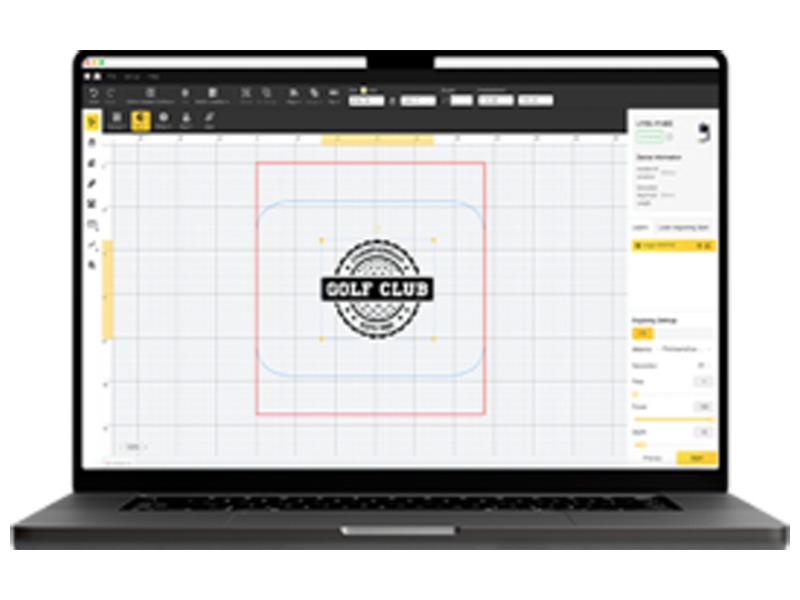
With software like LaserPecker Design Space, users can quickly create and adjust designs, reducing the learning curve and improving workflow efficiency.
For EU users involved in leather crafting or personalised products, the LaserPecker LP2 Plus offers a practical, scalable, and cost-effective engraving solution.
FAQs about Leather Engraving Tools
1. How Deep Should I Engrave Leather?
You don't need to engrave deeply to achieve a durable and visually appealing result. Shallow engraving usually provides the best balance of contrast and detail without weakening the leather structure.
Engraving too deeply may cause stiffness and increase the risk of cracking. Laser engraving machines allow precise depth control for consistent results.
2. Can I Fix Mistakes Made While Engraving Leather?
Minor mistakes can be corrected using dye, shading, or additional decorative elements. Larger mistakes are difficult to repair because leather does not regenerate once material is removed.
Testing on scrap leather before engraving is highly recommended. Digital engraving machines allow you to fine-tune settings before engraving the final piece.
3. How Long Does It Take to Engrave Leather?
Engraving time depends on the method used and the complexity of the design. Manual carving can take hours for detailed work.
Laser engraving machines can complete complex designs in minutes, making them suitable for custom orders and small-batch production.
4. Do I Need a Special Type of Leather for Laser Engraving?
Vegetable-tanned leather is generally the best option for clean, consistent engraving results. It produces strong contrast and handles heat well.
Other leather types can be used, but testing is important. Chrome-tanned and synthetic leather may burn or discolour when engraved.
5. Leather Engraving vs. Leather Embossing: Which One Should I Choose?
Engraving removes material to create precise and detailed designs, making it suitable for modern styles and branding.
Embossing presses designs into the surface, creating a raised or recessed effect. This method is preferred for traditional decorative finishes.
6. What Is the Best Leather Thickness for Laser Engraving in the EU?
Most laser engravers work well with leather thicknesses between 1 mm and 3 mm. Thinner leather is easier to engrave, while thicker leather allows deeper contrast. Testing different thicknesses helps achieve the desired finish for your project.
Conclusion
Selecting the right leather engraving tool is essential for achieving consistent and professional-quality results. From laser engraving machines to traditional carving and stamping tools, each option offers unique advantages depending on your workflow and goals.
Across the EU, compact laser engraving machines are widely used for producing customised leather products in workshops and small businesses. For precision, efficiency, and repeatable output, machines such as the LaserPecker LP2 Plus provide a balanced and reliable solution, particularly for detailed designs and personalised items.
While traditional tools remain valuable for handcrafted work, laser engraving offers a more efficient and scalable approach.
With the right setup, you can create high-quality leather products that combine durability with strong visual appeal.