

















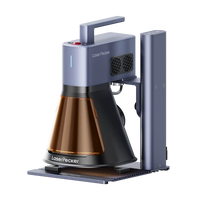
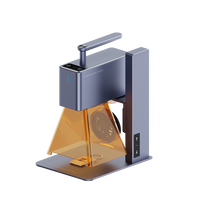












La gravure laser sur pierre n'est pas seulement un choix artistique — c'est un moyen de créer des designs audacieux et permanents qui résistent à l'épreuve du temps. Que vous fabriquiez des cadeaux personnalisés, de la signalétique ou de la décoration architecturale pour les maisons, les jardins ou les petites entreprises à travers l'Europe, la gravure profonde sur pierre ajoute une qualité sculpturale haut de gamme à vos projets.
Dans ce tutoriel, vous découvrirez ce qu'est la gravure laser profonde sur pierre, jusqu'à quelle profondeur elle peut aller, quelles pierres fonctionnent le mieux pour les créateurs et comment obtenir des résultats impressionnants avec un graveur laser compatible.

Dans cet article :
- Partie 1 : Qu'est-ce que la gravure laser profonde sur pierre/roche ?
- Partie 2 : Quelle est la profondeur de la gravure laser sur la pierre ?
- Partie 3 : Quelle pierre/roche est la meilleure pour la gravure laser profonde ?
- Partie 4 : 6 étapes pour graver la pierre en profondeur avec le LaserPecker LP5
- FAQ : Questions fréquentes sur la gravure laser profonde sur pierre
Partie 1 : Qu'est-ce que la gravure laser profonde sur pierre/roche ?
La gravure laser profonde est le processus consistant à graver un motif à plusieurs millimètres dans la surface de la pierre. Contrairement au marquage de surface ou à la gravure légère, la gravure profonde retire davantage de matière pour créer des reliefs dimensionnels et des effets de gaufrage. Cette méthode est parfaite pour créer des textures, des visuels en 3D et des empreintes durables qui sortent littéralement du lot.
La gravure laser profonde sur pierre implique généralement un gaufrage en niveaux de gris, où le laser ajuste sa puissance de sortie en fonction des informations de profondeur de l'image pour sculpter les contours et les ombrages.
Partie 2 : Quelle est la profondeur de la gravure laser sur la pierre ?
La profondeur de la gravure laser profonde sur pierre dépend de trois facteurs clés : le type de laser, la dureté du matériau et le nombre de passages de gravure — autant de considérations importantes pour les utilisateurs travaillant dans des ateliers à domicile.
Un laser à fibre de 20W est suffisamment puissant pour la gravure profonde, même sur des matériaux durs comme la pierre ou même des métaux comme le laiton.
Par exemple, avec le LaserPecker LP5, les créateurs peuvent atteindre des profondeurs de gravure allant d'environ 0,5 mm à plus de 3 mm sur la pierre, selon le type de pierre et les réglages de gravure tels que la vitesse, la puissance et le nombre de passages.

Plusieurs passages avec une ventilation adéquate et des fichiers en niveaux de gris optimisés produiront des gravures plus profondes. Gardez à l'esprit que les coupes plus profondes nécessitent plus de puissance et de temps, la préparation est donc essentielle.
Partie 3 : Quelle pierre/roche est la meilleure pour la gravure laser profonde ?
La gravure laser profonde sur pierre nécessite le bon matériau pour obtenir des résultats nets et durables. Toutes les pierres ne réagissent pas de la même manière à l'énergie laser — certaines offrent un meilleur contraste, une meilleure durabilité ou une meilleure profondeur de sculpture que d'autres.
Privilégiez toujours des pierres qui :
- Ont une texture constante
- Ne se fracturent pas facilement
- Réagissent bien à la chaleur du laser
Les meilleures pierres pour la gravure laser sont les pierres naturelles, sombres et polies. Voici une liste des types de pierres que nous choisissons généralement :
- Granit – Durable et capable de supporter une puissance élevée.
- Ardoise – Assez tendre pour une gravure plus profonde tout en offrant un aspect raffiné.
- Marbre – Idéal pour des résultats contrastés et le gaufrage.
- Basalte ou galets de rivière – Excellents pour des designs artistiques ou de style naturel.
Évitez les pierres trop poreuses ou celles dont le grain est imprévisible, car elles peuvent entraîner une gravure irrégulière.

Plusieurs passages avec une ventilation adéquate et des fichiers en niveaux de gris optimisés produiront des gravures plus profondes. Gardez à l'esprit que les coupes plus profondes nécessitent plus de puissance et de temps, la préparation est donc essentielle.
Partie 4 : 6 étapes pour graver la pierre en profondeur avec le LaserPecker LP5
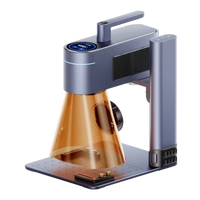
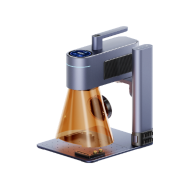
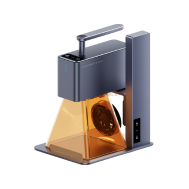
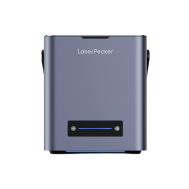
Nous utiliserons le LaserPecker LP5 comme machine laser pour montrer comment réaliser une gravure profonde parfaite sur pierre. Suivez ce flux de travail pour des résultats optimaux :
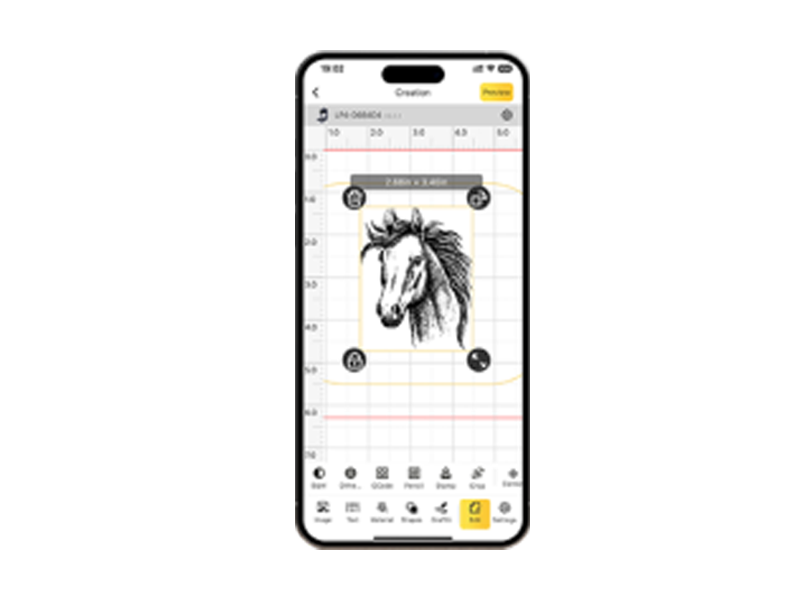
Étape 1 : Utilisez le logiciel LaserPecker Design Space (LDS) pour importer une image. Dans la barre de menu, sélectionnez « Black & White » (Noir et Blanc).

Conseils de pro : Il est recommandé d'utiliser l'effet noir et blanc pour améliorer l'efficacité de la gravure. Si l'image contient des dégradés du clair au foncé, conservez l'effet de tramage (dithering) par défaut pour reproduire fidèlement les détails des transitions fluides.
Étape 2 : Ajustez la taille et la position de l'image si nécessaire pour vous assurer que la taille de la gravure correspond à la taille de la pierre.
Étape 3 : Définissez les paramètres de gravure en sélectionnant une source lumineuse de 1064 nm, une résolution 2K, avec une fréquence de 26, une puissance à 100 % et une profondeur à 25 %. Le nombre de passages de gravure peut être ajusté en fonction du résultat souhaité. Plus il y a de passages, plus la gravure sera profonde.
Étape 4 : Placez le matériau dans la position appropriée, prévisualisez la gravure et ajustez la mise au point. Pendant l'aperçu, affinez la position réelle du matériau pour vous assurer que la zone de gravure est aussi centrée que possible.
Étape 5 : Une fois tous les réglages terminés, lancez la gravure.
Étape 6 : Pendant le processus de gravure, de la poussière ou de la fumée peuvent être générées. Il est recommandé de placer un ventilateur à haute vitesse près du matériau pour maintenir un environnement de gravure propre, empêchant la poussière de se déposer sur la surface et garantissant un meilleur résultat de gravure.

Notes de sécurité :
Pour les utilisateurs à travers l'Europe, la sécurité est primordiale lors de la gravure laser ou de la découpe de matériaux comme la pierre.
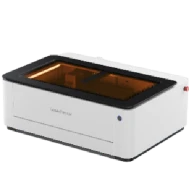
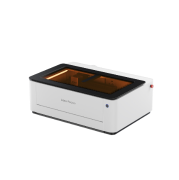
- Utilisateurs LP2 Plus, LP2 et LP4 : Nous recommandons d'associer votre machine au caisson standard LaserPecker lors d'une utilisation à domicile ou en atelier en Europe. Cet accessoire renforce la protection, complétant la conformité des machines à la sécurité laser de classe 4 selon les directives.
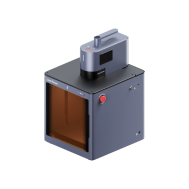
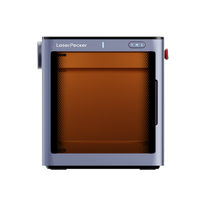
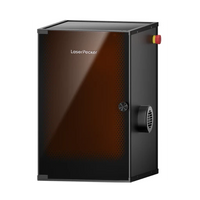
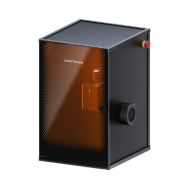
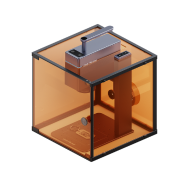
- Utilisateurs LP5 : Le caisson de sécurité LP5 est requis pour une protection adéquate pendant le fonctionnement. Il garantit le respect des réglementations de sécurité EK, protégeant contre toute exposition accidentelle dans des environnements résidentiels ou de petites entreprises.
- Utilisateurs LX2 : Aucun caisson supplémentaire n'est nécessaire. Le LX2 est un système laser de classe 1, ce qui signifie qu'il est sûr à utiliser sans équipement de protection supplémentaire dans des conditions de fonctionnement normales.
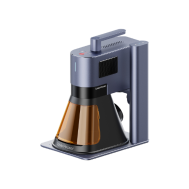
Au-delà de la sécurité laser, la qualité de l'air est une considération clé pour les ateliers en intérieur. Le traitement laser génère des fumées et des particules fines qui peuvent affecter la santé respiratoire. Pour respecter les directives sur la qualité de l'air intérieur et maintenir un espace de travail propre et sûr, nous recommandons fortement l'utilisation du purificateur d'air de bureau LaserPecker, particulièrement pour les maisons et studios fermés ou bien isolés.
FAQ : Questions fréquentes sur la gravure laser profonde sur pierre
Q1. Le LaserPecker LP5 peut-il faire de la gravure profonde ?
Oui. Grâce à sa configuration double laser et son mode niveaux de gris, le LP5 est capable de réaliser des gravures profondes sur des pierres appropriées comme le granit, le marbre et l'ardoise. Plusieurs passages et les bons réglages sont essentiels.
Q2. Quel laser est le meilleur pour graver la pierre ?
Un laser avec une puissance de sortie élevée et une capacité de gestion des niveaux de gris, comme le LaserPecker LP5, est idéal. Les lasers à fibre avec une mise au point et un contrôle appropriés peuvent atteindre une excellente profondeur avec le bon flux de travail.
Q3. Peut-on graver au laser sur du granit ?
Absolument. Le granit est l'une des pierres les plus populaires pour la gravure laser profonde. Il est robuste mais réagit bien aux lasers de haute puissance, produisant des résultats durables et très contrastés.
Q4. Comment obtenir des résultats de gravure laser plus profonds ?
Envisagez la gravure à la main pour la précision, la gravure électrique pour l'efficacité ou la gravure chimique pour des designs uniques.
- Utilisez le mode niveaux de gris ou gaufrage (embossing).
- Augmentez la puissance et réduisez la vitesse.
- Effectuez plusieurs passages de gravure.
- Assurez un refroidissement adéquat entre les passages.
- Utilisez une surface de pierre plane et préalablement nettoyée.
Conclusion
La gravure laser profonde sur pierre est une technique polyvalente et percutante pour les créateurs et les petites entreprises — offrant des résultats permanents et résistants aux intempéries qui valorisent les cadeaux, la décoration et la signalétique. Avec la bonne pierre, une machine compatible comme le LaserPecker LP5, et le processus étape par étape décrit ci-dessus, réaliser des gravures profondes de niveau professionnel est désormais accessible depuis le confort de votre atelier à domicile.
Prêt à commencer à créer des chefs-d'œuvre sur pierre ? Procurez-vous votre LaserPecker LP5 via la boutique LaserPecker UE, trouvez votre pierre, et laissez briller votre créativité !