




























Les vêtements sont une forme importante d’expression personnelle, alliant créativité et style individuel. Bien que des techniques telles que la broderie et l’impression soient encore largement utilisées, la gravure laser gagne en popularité dans toute l’Europe comme solution précise et polyvalente.
Des marques de mode aux amateurs qui personnalisent des vêtements en denim et en cuir, la gravure laser permet de créer des designs détaillés et homogènes.
Ce guide explique le fonctionnement de la gravure laser sur les vêtements, les machines adaptées et les principales mesures de sécurité à prendre pour un usage à domicile ou en atelier.

Dans cet article :
- Partie 1 : Présentation de la gravure laser sur les vêtements
- 1.1 Qu’est-ce que la gravure laser sur les vêtements ?
- 1.2 Comment fonctionne la gravure laser sur les vêtements ?
- 1.3 Quelle machine de gravure laser est la plus adaptée aux vêtements ?
- 1.4 Précautions de sécurité avant de graver des vêtements
- Partie 2 : Pourquoi utiliser la gravure laser pour les vêtements
- Étude de cas : Comment graver des vêtements au laser en 5 étapes 💡
- FAQ : Questions fréquentes sur la gravure laser sur les vêtements
Partie 1 : Présentation de la gravure laser sur les vêtements
1.1 Qu’est-ce que la gravure laser sur les vêtements ?
La gravure laser sur les vêtements est une technique moderne de fabrication et de personnalisation qui utilise un faisceau laser concentré pour marquer ou graver des motifs directement sur les surfaces textiles. Contrairement aux méthodes conventionnelles telles que l’impression ou la broderie, elle ne nécessite ni encres ni fils et n’implique aucun contact mécanique.
Au lieu de cela, le laser modifie ou élimine la couche superficielle du matériau afin de créer des motifs, des logos ou des textures durables. Dans toute l’UE, cette méthode est largement utilisée pour les articles de mode, les vêtements de sport, les produits en denim et en cuir, notamment par les petites marques et les ateliers créatifs qui recherchent des résultats précis et homogènes.

1.2 Comment fonctionne la gravure laser sur les vêtements ?
Le processus consiste à diriger un faisceau laser focalisé sur la surface du tissu. Selon le type de matériau, le laser peut :
- Modifier la couleur des fibres
- Vaporiser une fine couche du matériau
- Produire un effet de gravure texturé
Par exemple, sur le denim, le laser peut créer un aspect délavé ou « lavé » sans utiliser de produits chimiques. Sur le cuir, il permet d’obtenir des gravures profondes et très précises, avec un excellent niveau de détail.
En ajustant des paramètres tels que la puissance, la vitesse et la distance focale, les utilisateurs peuvent contrôler le résultat final, des motifs délicats aux designs audacieux à contraste élevé. Cette flexibilité rend les machines de gravure laser sur tissu particulièrement adaptées à un usage amateur comme à la production à petite échelle dans toute l’UE.

1.3 Quelle machine de gravure est la plus adaptée à la gravure de vêtements ?
Les machines de gravure laser à diode comptent parmi les outils les plus utilisés pour la gravure de vêtements, car elles sont particulièrement performantes sur les matières organiques telles que le coton, le denim, la toile et le cuir.
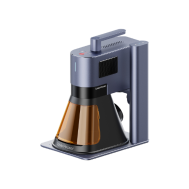
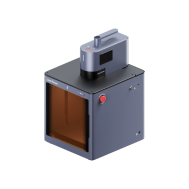
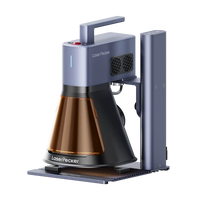
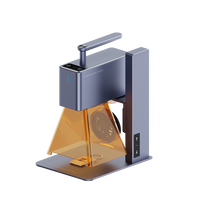
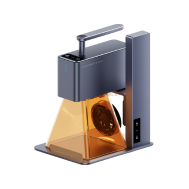
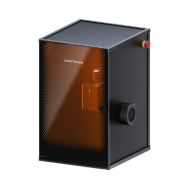
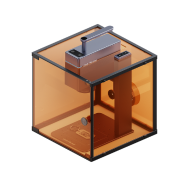
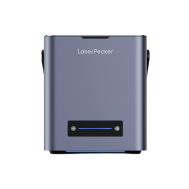
Pour les particuliers, les studios créatifs et les petits ateliers de personnalisation de vêtements dans toute l’UE, des machines telles que LP5, LP4, LP2 Plus et LX2 sont couramment recommandées comme machines de gravure laser sur tissu.
Ces machines sont appréciées pour :
- Utilisation adaptée aux débutants
- Encombrement réduit pour une installation sur bureau
- Accès économique aux flux de travail de gravure sur tissu
- Performances fiables sur les tissus naturels
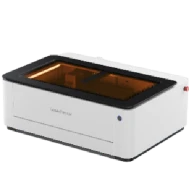
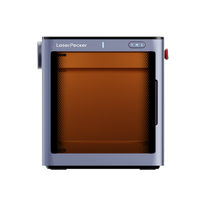
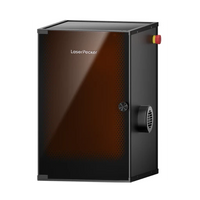
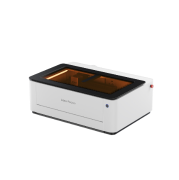
Pour les utilisateurs travaillant sur de grands pans de vêtements ou sur des tâches répétées de placement de logos, le LX2 offre une flexibilité supplémentaire grâce à sa zone de travail de 500 × 305 mm, ce qui améliore la précision de la mise en page lors des projets de gravure laser sur des vêtements composés de plusieurs pièces.
De plus, la certification de sécurité laser de classe 1 du LX2 le rend particulièrement adapté aux environnements de studio intérieurs, aux ateliers textiles éducatifs et aux installations partagées dans les espaces de création de toute l’UE, où des normes de fonctionnement sûres sont souvent exigées.

1.4 Précautions de sécurité avant de graver des vêtements
Le travail avec des lasers et des textiles exige une attention particulière à la sécurité. Avant de procéder à la gravure, tenez compte des éléments suivants :
- Ventilation : Assurez une bonne circulation de l’air, car les tissus gravés, en particulier les matières synthétiques, peuvent émettre des fumées
- Compatibilité des matériaux : Testez toujours d’abord une petite pièce afin d’éviter toute brûlure ou décoloration inattendue
- Prévention des incendies : Gardez du matériel de sécurité incendie à proximité, car les tissus sont très inflammables sous l’effet d’une chaleur intense
Dans l’UE, les utilisateurs doivent également respecter les règles générales de sécurité lors de l’utilisation d’équipements laser dans des espaces clos ou partagés.
Partie 2 : Pourquoi utiliser la gravure laser pour les vêtements ?
La gravure laser est de plus en plus adoptée dans le secteur européen de la mode et de l’habillement en raison de sa combinaison de précision, d’efficacité et de performances durables. Comparée aux méthodes de décoration traditionnelles, elle offre plusieurs avantages clés qui séduisent les designers comme les fabricants.
① Précision et détails
La gravure laser offre un haut niveau de précision, permettant de réaliser des motifs complexes difficiles à reproduire avec des techniques de broderie ou d’impression. Les lignes fines, les logos détaillés et les textures complexes peuvent être reproduits avec une précision constante.
Cela le rend particulièrement adapté aux designers européens et aux ateliers créatifs axés sur une production de haute qualité et soignée dans les moindres détails
② Durabilité
Comme le motif est gravé directement à la surface du tissu, il devient permanent et résiste à l’usure. Contrairement aux motifs imprimés ou thermotransférés, il ne se décolle pas, ne se fissure pas et ne s’estompe pas facilement avec le temps.
Cette durabilité est particulièrement avantageuse pour les vêtements tels que :
- Vêtements de sport
- Vêtements en denim
- Uniformes professionnels
Dans toute l’UE, la durabilité et la durée de vie des produits sont des critères importants pour les consommateurs comme pour les entreprises.

③ Polyvalence sur différents matériaux
La gravure laser peut être appliquée à une grande variété de matériaux, notamment le denim, le coton, le polyester, le cuir et les mélanges de tissus.
Chaque matériau réagit différemment au laser, ce qui permet d’obtenir toute une gamme d’effets visuels, tels que :
- Effets délavés ou usés sur le denim
- Gravures nettes et détaillées sur le cuir
- Contrastes de tonalité subtils sur le coton
Cette adaptabilité fait des machines de gravure laser sur tissu des outils très polyvalents pour différentes applications sur le marché de l’UE.
④ Rapidité et efficacité
Une fois le design configuré numériquement, le processus de gravure est rapide, précis et facile à reproduire. Cela permet une production efficace à différentes échelles, notamment :
- Pièces uniques personnalisées
- Production en petites séries
- Séries de production plus importantes
Séries de production plus importantes Pour les utilisateurs de l’UE, cette efficacité favorise à la fois la flexibilité créative et une production évolutive sans compromis sur la qualité.
Étude de cas : Comment graver des vêtements au laser en 5 étapes 💡
La gravure laser des vêtements est un processus pratique et efficace lorsqu’elle est réalisée avec les bons outils et la bonne configuration. Dans toute l’UE, les particuliers et les petits ateliers adoptent de plus en plus cette méthode pour produire des vêtements personnalisés.
Liste de contrôle pour la préparation de la gravure laser de vêtements
Avant de commencer, préparez les éléments suivants :
- Matériau à graver : vêtements (coton, denim, cuir, mélanges, etc.)
- Machine de gravure : graveur laser à diode
- Design de gravure : logos, texte, images, motifs et plus encore
Oui, il est facile de graver des vêtements et, avec une préparation adéquate, le processus est rapide et fiable.
Étape 1 : Préparer votre design
Commencez par créer ou sélectionner votre design. Les formats vectoriels (SVG, AI) offrent la meilleure précision, bien que la plupart des applications/logiciels de conception graphique prennent en charge différents types de fichiers.
Pour améliorer les résultats :
- Utilisez des designs clairs et à contraste élevé
- Optimisez la mise en page en fonction de la taille du vêtement
- Évitez les détails excessifs sur les tissus souples ou fins
Étape 2 : Choisir la bonne machine de gravure laser pour graver des vêtements
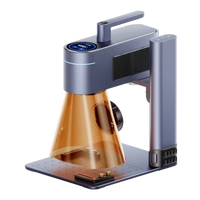
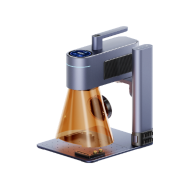
Le choix du bon équipement est essentiel pour garantir une qualité constante. Pour les utilisateurs de l’UE, le LaserPecker 4 (LP4) est une option vivement recommandée.
Les principales fonctionnalités comprennent :
- Laser à diode de 10 W à 450 nm
- Laser infrarouge de 2 W à 1 064 nm
- Vitesses de gravure allant jusqu’à 4 000 mm/s
Cette configuration à double laser assure des performances de gravure constantes sur les matériaux vestimentaires courants tels que le denim, le coton, la toile et le cuir, ce qui la rend adaptée aux studios créatifs en intérieur et aux petits ateliers de production textile.
Pour les utilisateurs qui doivent graver de grands panneaux de vêtements ou des agencements complets en une seule installation, le LX2 offre un avantage évident grâce à sa zone de travail de 500 × 305 mm. Cela permet de graver des surfaces de vêtements en taille réelle sans repositionnements répétés, améliorant ainsi l’efficacité du flux de travail pour le placement de logos, la personnalisation des vêtements et les projets de personnalisation textile par lots.
De plus, la certification de sécurité laser de classe 1 du LX2 le rend particulièrement adapté aux environnements de studio intérieurs, aux ateliers textiles éducatifs et aux installations partagées dans les espaces de création de toute l’UE, où des normes de fonctionnement sûres sont souvent exigées.
Étape 3 : fixez le tissu
Assurez-vous que le vêtement est posé à plat et fixé solidement sur la surface de gravure. Tout mouvement peut affecter la précision de la gravure.
Les bonnes pratiques comprennent :
- Fixer le tissu avec des pinces ou du ruban adhésif
- Éliminer les plis avant la gravure
- Aligner soigneusement le matériau
Une installation stable est essentielle pour obtenir des résultats réguliers et précis.
Étape 4 : configurez la machine de gravure laser des vêtements
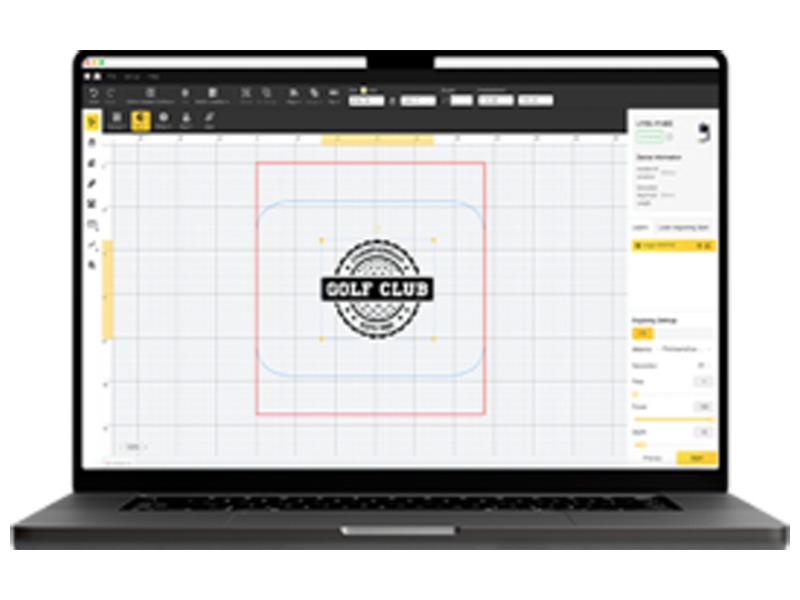
Utilisez l’application/logiciel de conception graphique LaserPecker ou des outils tiers (comme Photoshop) pour créer ou importer votre motif. Vous pouvez également explorer LaserPecker CraftZone pour trouver des fichiers prêts à l’emploi et de l’inspiration créative.
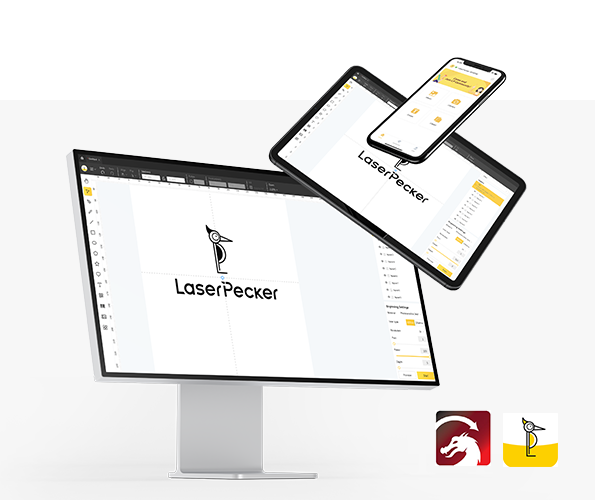
Procédure de configuration :
- Allumez votre graveur et connectez-le (Wi-Fi, USB ou Bluetooth)
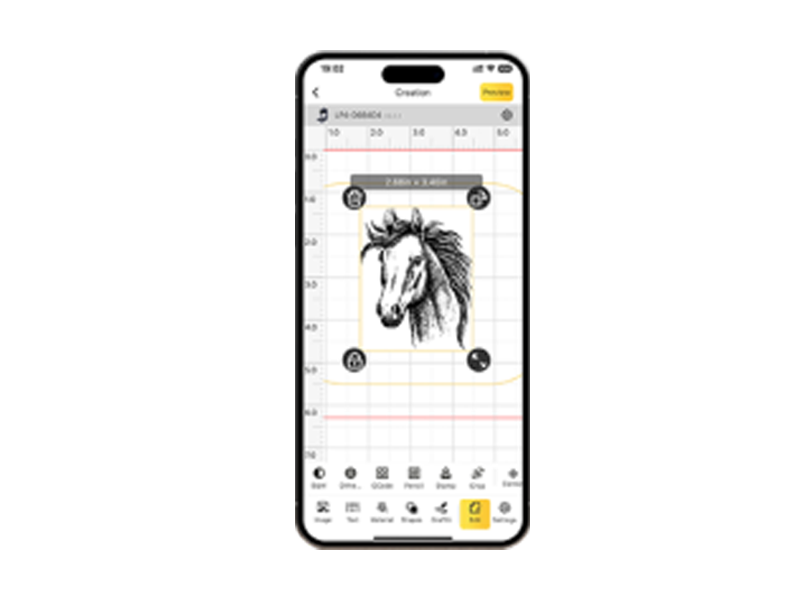
- Importez votre motif dans LaserPecker Design Space
- Positionnez le vêtement et activez le mode Aperçu
- Ajustez l’alignement et la mise à l’échelle si nécessaire

Configurez ensuite les paramètres de gravure :
- Ajustez la puissance, la vitesse et la résolution en fonction du matériau
- Assurez une mise au point correcte du laser
Pour obtenir les meilleurs résultats, consultez les paramètres recommandés de gravure et de découpe LaserPecker. Par exemple, un réglage courant pour la gravure de vêtements comprend :
- Laser à diode 10 W, 450 nm
- Résolution : 4K
- Puissance : 40 %
- Profondeur : 40 %
- Passe : 1
⚠️ Conseils de sécurité
La sécurité est essentielle lors de l’utilisation d’un équipement laser :
- Portez toujours des lunettes de protection ou utilisez une enceinte de sécurité
- Assurez une ventilation adéquate ou utilisez un purificateur d’air
- Soyez attentif aux fumées dégagées pendant la gravure
Dans l’UE, le maintien d’un environnement de travail intérieur sûr est particulièrement important pour garantir la conformité et la protection des utilisateurs.
Étape 5 : commencez dès maintenant à graver vos vêtements au laser
Une fois tous les réglages effectués, lancez la gravure et surveillez-la attentivement pour garantir sa précision.
Après l’opération :
- Retirer soigneusement le vêtement
- Éliminer tout résidu
- Vérifier la qualité de la gravure
Pour les matières comme le denim ou le cuir, un léger essuyage peut améliorer l’effet visuel final et la netteté.
FAQ : questions fréquentes sur la gravure laser des vêtements
Q1. Les vêtements peuvent-ils être gravés au laser dans de petits ateliers de toute l’UE ?
Oui, la gravure laser est largement utilisée dans les petits ateliers et les studios créatifs de toute l’UE. Les graveurs laser à diode compacts permettent de personnaliser facilement les vêtements sans nécessiter de gros équipements industriels.
Q2. Quels matériaux conviennent à la gravure laser sur vêtements ?
La gravure laser fonctionne particulièrement bien sur des matériaux tels que :
- Denim
- Coton
- Cuir
- Mélanges de tissus
Les différents matériaux produisent des effets différents, allant de finitions délavées à des gravures très contrastées.
Q3. La gravure laser sur vêtements est-elle durable ?
Oui, la gravure est permanente, car elle modifie la surface du matériau. Elle ne s’estompe pas, ne se décolle pas et ne se fissure pas facilement, ce qui la rend adaptée aux vêtements fréquemment portés.
Q4. Quelles précautions de sécurité faut-il prendre lors de la gravure de vêtements ?
Lors de l’utilisation d’un graveur laser, il est important de :
- Portez des lunettes de protection
- Assurez une ventilation adéquate ou utilisez un purificateur d’air
- Faites attention aux fumées provenant des tissus synthétiques
Maintenir un environnement de travail sûr est essentiel, en particulier dans les espaces intérieurs ou partagés.
Q5. Quel type de graveur laser est recommandé pour les vêtements dans l’UE ?
Pour les débutants dans toute l’UE, les machines de gravure laser à diode telles que LP2 Plus, LP4 et LP5 sont largement recommandées pour les projets de gravure sur vêtements. Ces machines sont faciles à utiliser pour les débutants, économiques et adaptées à la gravure de matériaux naturels comme le coton, le denim, la toile et le cuir.
Pour les utilisateurs qui souhaitent graver de grands panneaux de vêtements ou des compositions complètes, le LX2 offre une flexibilité supplémentaire grâce à sa zone de travail de 500 × 305 mm, permettant de graver les vêtements en une seule installation sans devoir les repositionner plusieurs fois.
De plus, la certification de sécurité laser de classe 1 du LX2 le rend particulièrement adapté aux studios créatifs intérieurs, aux ateliers pédagogiques de textile et aux espaces de création partagés dans toute l’UE, où le respect des normes de sécurité est souvent essentiel.
Q6. Quelle est l’efficacité de la gravure laser pour la production de vêtements ?
La gravure laser est très efficace une fois le design configuré. Elle permet une production rapide et répétable, ce qui la rend adaptée aussi bien aux pièces personnalisées qu’à la fabrication en petites séries sur le marché de l’UE.
Conclusion
La gravure laser apporte un nouveau niveau de personnalisation aux vêtements, en combinant précision, durabilité et flexibilité créative au sein d’un même processus. Que vous soyez débutant et souhaitiez découvrir la personnalisation de vêtements à domicile, ou propriétaire d’une petite entreprise dans l’UE à la recherche d’une solution de marquage fiable, cette méthode offre des résultats constants et de haute qualité, avec une complexité minimale.
En comprenant clairement le processus, en choisissant un équipement adapté et en appliquant les bonnes pratiques, vous pouvez transformer des vêtements classiques en pièces originales et personnalisées. Du denim et du coton aux produits en cuir, la gravure laser sur vêtements offre un large éventail de possibilités créatives.
À mesure que son adoption continue de progresser dans toute l’UE, la gravure laser devient une technique essentielle, tant pour l’expression créative que pour la production de vêtements à grande échelle.