



















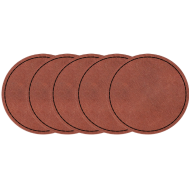





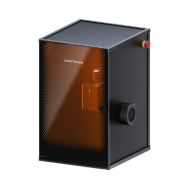


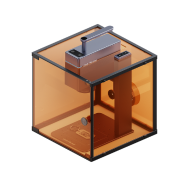


Travailler avec du feutre peut sembler simple au premier abord, mais obtenir des coupes nettes est souvent plus difficile que prévu. Le feutre se comporte très différemment du papier : il est souple, se comprime facilement et peut bouger pendant la découpe, ce qui entraîne des bords irréguliers ou de l’effilochage.
Lorsque vous passez des travaux manuels de base à des projets plus complexes, comme des objets décoratifs ou des jouets faits main, il devient essentiel de choisir la bonne machine de découpe du feutre pour garantir précision et efficacité.
Dans ce guide, nous présenterons les types de machines de découpe du feutre les plus utilisés, comparerons leurs avantages et leurs inconvénients, et vous aiderons à choisir la solution adaptée à vos besoins dans toute l’UE.

Dans cet article :
- Partie 1 : Quatre types populaires de machines de découpe du feutre
- Type 1 : Découpeuses rotatives portatives
- Type 2 : Découpeuses manuelles et électriques à lame circulaire
- Type 3 : Machines de découpe du feutre au couteau CNC
- Type 4 : Machines de découpe laser du feutre
- Partie 2 : Pourquoi les machines de découpe laser sont un excellent choix pour le feutre
- Partie 3 : Conseils pour débutants afin de découper proprement le feutre à la maison
- Partie 4 : FAQ sur les machines de découpe du feutre
Partie 1 : Quatre types populaires de machines de découpe du feutre
Type 1 : Découpeuses rotatives portatives
Les découpeuses rotatives portatives constituent un outil pratique pour débuter dans la découpe du feutre. Dotées d’une lame roulante, elles permettent d’appuyer sur le feutre et de le découper relativement facilement. Elles conviennent parfaitement aux lignes droites, aux courbes simples et aux travaux manuels de base.
Abordables, portables et ne nécessitant aucune alimentation électrique, elles sont largement utilisées par les amateurs dans toute l’UE.

Cependant, la qualité de la coupe dépend largement du contrôle manuel. Le feutre plus épais peut se comprimer pendant la découpe, ce qui peut entraîner des bords irréguliers. De plus, les lames peuvent s’émousser avec le temps, produisant des coupes grossières ou déchirées. Ces découpeuses conviennent surtout aux projets légers utilisant des feutres plus souples.
Type 2 : Découpeuses manuelles et électriques à lame circulaire
Les découpeuses à lame circulaire utilisent une lame circulaire plus grande et sont disponibles en versions manuelle et électrique. Elles offrent une force de coupe supérieure et un fonctionnement plus fluide que les outils portatifs.
Ces machines sont particulièrement efficaces pour les feutres plus épais, car elles maintiennent une pression constante pendant l’utilisation. Les modèles électriques améliorent l’efficacité et réduisent la fatigue, ce qui les rend adaptés aux tâches de découpe répétitives.
Malgré ces avantages, le contact physique avec le matériau peut encore entraîner un léger déplacement ou une légère déformation du feutre. Un entretien régulier, notamment l’affûtage ou le remplacement de la lame, est nécessaire. Les utilisateurs peuvent également avoir besoin d’une certaine expérience pour obtenir des résultats optimaux.

Type 3 : Machines de découpe CNC à lame
Les machines de découpe CNC à lame fonctionnent באמצעות des systèmes commandés par ordinateur et sont couramment utilisées dans les environnements industriels ou les ateliers professionnels. Elles permettent de découper de grandes quantités de feutre avec une grande précision et une excellente répétabilité.
Ces machines sont idéales pour les designs complexes et la production par lots dans les environnements de fabrication de l’UE.
Cependant, elles sont généralement coûteuses, nécessitent un espace de travail important et impliquent une phase d’apprentissage pour l’utilisation du logiciel. Pour les petites entreprises ou les créateurs individuels, les machines CNC ne sont pas toujours le choix le plus pratique, sauf si le volume de production est élevé.
Type 4 : Machines de découpe laser du feutre
Les machines de découpe laser utilisent un faisceau concentré pour découper le feutre sans contact direct. La chaleur vaporise le matériau, empêchant sa déformation et produisant des bords propres et scellés qui réduisent au minimum l’effilochage.
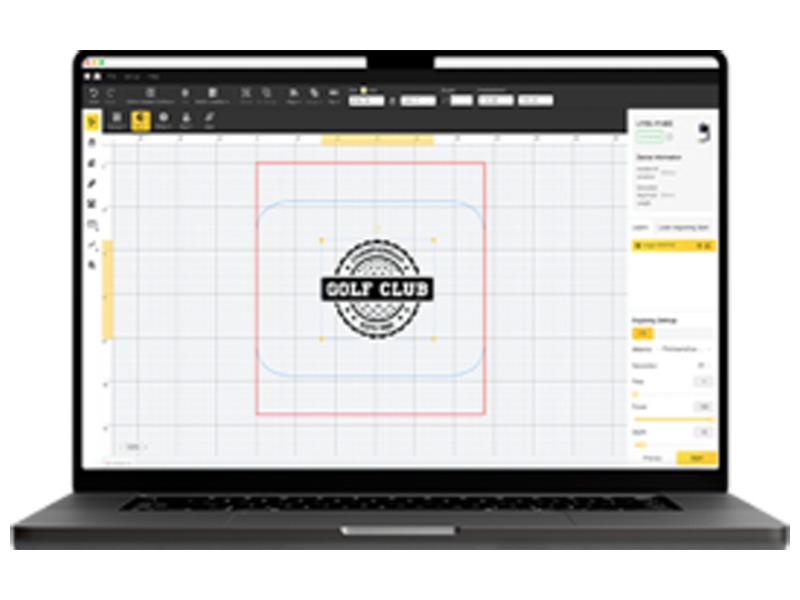
Grâce à une précision contrôlée par logiciel, les machines de découpe laser sont très efficaces pour réaliser des motifs détaillés et obtenir des résultats uniformes.
En plus de la découpe, elles peuvent également graver des motifs sur le feutre, offrant ainsi une plus grande liberté créative. Elles sont donc particulièrement adaptées aux produits personnalisés, aux créations superposées et à la production à petite échelle.
Sur le marché de l’UE, les machines de découpe laser sont de plus en plus prisées pour leur polyvalence, leur efficacité et leur compatibilité avec les espaces de travail compacts.
Comparaison des machines de découpe du feutre
| Type de machine | Précision | Qualité des bords | Vitesse | Entretien | Idéal pour |
|---|---|---|---|---|---|
| Cutter rotatif portatif | Faible à moyenne | Variable | Lente | Changements fréquents de lame | Travaux manuels simples |
| Machine de découpe à lame ronde | Moyenne | Modérée | Moyenne | Entretien de la lame | Découpe de feutre épais |
| Machine de découpe CNC à lame | Élevée | Propre | Élevée | Entretien professionnel | Production à l’échelle industrielle |
| Machine de découpe laser | Très élevée | Propre et scellé | Très élevée | Faible entretien | Designs personnalisés, petites entreprises |
Partie 2 : Pourquoi les machines de découpe laser sont-elles un excellent choix pour le feutre ?
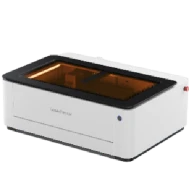
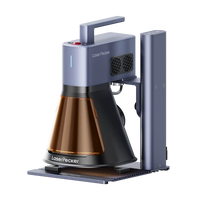
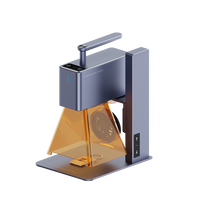
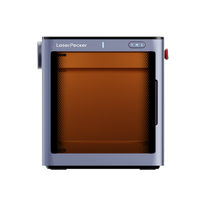
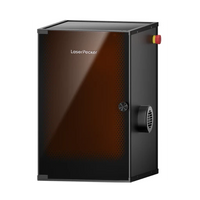
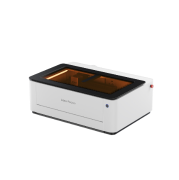
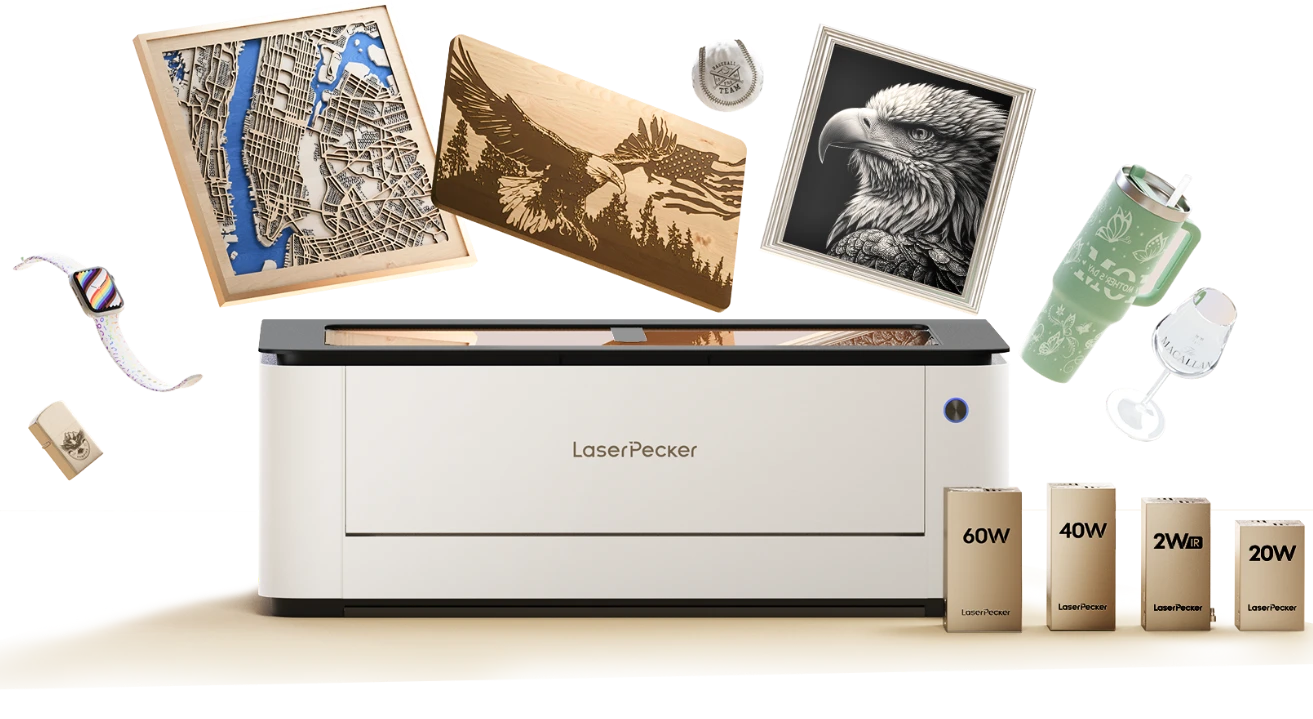
Les découpeuses laser de bureau modernes permettent de résoudre efficacement bon nombre des limites des outils traditionnels de découpe du feutre. Le LaserPecker LX2 illustre parfaitement comment la technologie actuelle permet une découpe précise, efficace et extrêmement détaillée.
Un avantage clé est la précision. Le système avancé du LX2 peut suivre facilement des trajectoires de découpe complexes, permettant de réaliser des détails fins, des formes délicates et de petites ouvertures difficiles à obtenir avec des outils manuels ou à lame.
Un autre avantage important est la découpe sans contact. En l’absence de lames physiques, il n’y a aucune usure mécanique, ce qui réduit les besoins d’entretien et garantit une qualité de découpe constante au fil du temps.
La découpe laser est également idéale pour les designs complexes et décoratifs, notamment les motifs multicouches, les structures semblables à de la dentelle et les découpes géométriques, réalisables en un seul flux de travail.
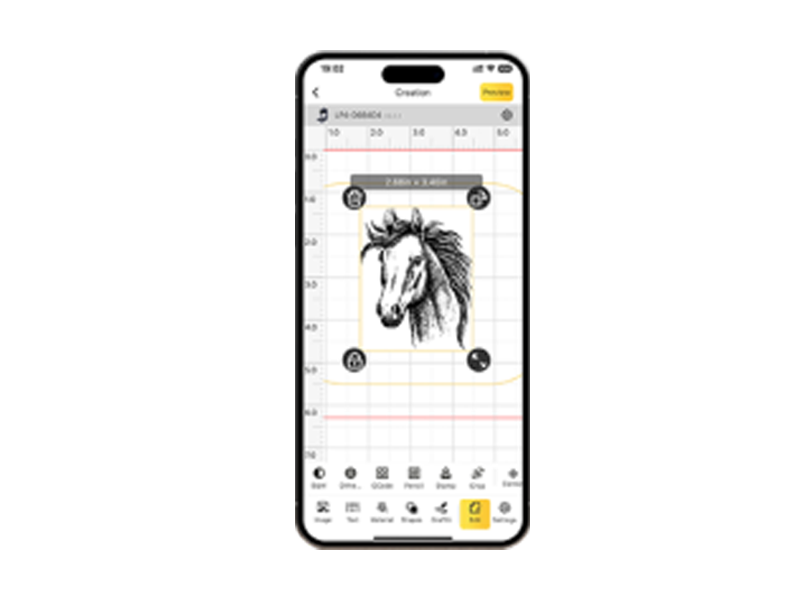
De plus, le LaserPecker LX2 prend en charge les fonctions de découpe et de gravure. Les utilisateurs peuvent ainsi produire des articles en feutre finis avec des textures, des marquages ou des logos en une seule étape, ce qui améliore l’efficacité et l’alignement.
Pour les utilisateurs de l’UE, le LX2 intègre une sécurité laser de classe 1, ce qui le rend adapté à une utilisation en intérieur dans des studios ou de petits environnements de production, tout en répondant aux exigences strictes en matière de sécurité.
Comment choisir la machine de découpe du feutre qui vous convient
Avec un large éventail d’options disponibles, le choix de la machine adaptée dépend de l’équilibre entre les performances, les matériaux et les exigences liées à l’espace de travail :
1. Exigences du projet
- Travaux créatifs simples : les outils manuels peuvent suffire
- Travaux détaillés ou commerciaux : les machines laser offrent une meilleure précision et une meilleure répétabilité
2. Compatibilité avec l’épaisseur du feutre
- Feutre fin : facile à découper avec la plupart des outils
- Feutre épais : nécessite une pression constante
- La découpe laser évite la compression du matériau et garantit des résultats plus nets
3. Fréquence d’utilisation
- Une utilisation fréquente nécessite un équipement durable et nécessitant peu d’entretien
- Les découpeuses laser offrent des performances stables à long terme sans usure des composants
4. Considérations relatives à l’espace de travail
- Les machines CNC nécessitent un espace de niveau industriel
- Les modèles de bureau compacts comme le LaserPecker LX2 sont idéaux pour les petits studios de l’UE
5. Coût et efficacité à long terme
- Investissement initial plus élevé
- Coûts à long terme réduits grâce à une diminution des déchets, à un nombre d’erreurs moindre et à un entretien minimal
6. Précision et complexité des designs
Convient pour :
- Lettrage fin
- Designs multicouches
- Découpes décoratives
- Les outils à lame sont limités lorsqu’il s’agit d’obtenir des détails fins et réguliers
7. Personnalisation et utilisation pour les petites entreprises
Les machines laser permettent :
- Production évolutive
- Répétabilité constante
- Modifications flexibles des designs
- Particulièrement utiles aux créateurs basés dans l’UE qui vendent des produits personnalisés ou fabriqués en petites séries
Partie 3 : Conseils pour les débutants souhaitant découper proprement du feutre à domicile
Une découpe nette du feutre à domicile ne dépend pas d’outils haut de gamme, mais de l’utilisation des bonnes techniques et de l’adoption de bonnes habitudes dès le début. Avec la bonne méthode, les débutants peuvent obtenir des résultats précis et réguliers.
Conseil 1 : Choisissez la méthode de découpe adaptée à votre type de feutre
Les différents types de feutre nécessitent des approches différentes. Le feutre souple pour loisirs créatifs est plus facile à manipuler, tandis que le feutre plus épais ou industriel exige une plus grande précision et un meilleur contrôle lors de la découpe. Choisir la méthode appropriée garantit de meilleurs résultats.
Conseil 2 : Commencez par des formes simples avant de passer aux motifs complexes
Vous entraîner avec des formes simples vous aide à comprendre le comportement du feutre pendant la découpe. Cela réduit les erreurs et vous prépare à réaliser plus tard des motifs plus complexes.
Conseil 3 : Fixez le feutre avant la découpe
Fixer correctement le feutre l’empêche de bouger et améliore la précision de la découpe. Utilisez des poids ou des tapis adhésifs pour maintenir le matériau à plat. Cela est particulièrement important avec des machines comme le LaserPecker LX2, car la stabilité influe directement sur la précision.
Conseil 4 : Effectuez d’abord une découpe test
Tester vos réglages sur une petite chute de matériau permet d’éviter les erreurs et le gaspillage. Cela garantit que vos paramètres de découpe sont corrects avant de passer à la pièce finale.
Partie 4 : FAQ sur les machines de découpe du feutre
Q1. Quelle est la meilleure machine de découpe du feutre pour les débutants ?
Pour les débutants qui recherchent des résultats nets et fiables, les machines laser constituent souvent l’option la plus pratique. Les outils manuels exigent davantage de contrôle et d’expérience, tandis qu’une découpeuse laser de bureau offre une précision numérique, ce qui facilite l’obtention de résultats professionnels dès le départ.
Q2. La découpe au laser est-elle sûre pour une utilisation à domicile ou en atelier ?
Oui, les machines laser modernes sont équipées de dispositifs de sécurité tels que des structures fermées et des systèmes de ventilation. Les appareils comme le LaserPecker LX2, doté d’un laser de classe 1, conviennent à une utilisation en intérieur dans les ateliers domestiques de l’UE, à condition de respecter les consignes.
Q3. La découpe du feutre au laser provoque-t-elle des brûlures ou des odeurs ?
La découpe laser du feutre peut produire certaines odeurs, notamment avec les fibres synthétiques. Toutefois, une circulation d’air adéquate et des paramètres de découpe optimisés permettent de minimiser efficacement les effets de brûlure et la décoloration.
Q4. Quelle épaisseur de feutre une découpeuse laser peut-elle traiter ?
Une découpeuse laser de bureau peut traiter une grande variété d’épaisseurs de feutre couramment utilisées dans les loisirs créatifs. Les matériaux plus épais peuvent nécessiter un ajustement des paramètres ou plusieurs passes pour obtenir des résultats nets et précis.
Q5. Les machines laser peuvent-elles à la fois découper et graver le feutre ?
Oui, les machines laser peuvent effectuer la découpe et la gravure dans un même flux de travail. Cela permet aux utilisateurs de créer des motifs détaillés, des textures ou des marquages sur le feutre sans outils ni étapes supplémentaires.
Q6. Quelle est la meilleure configuration pour utiliser une découpeuse laser en intérieur ?
Pour une utilisation en intérieur, il est recommandé d’associer une découpeuse laser de bureau à une ventilation adéquate ou à un système de filtration de l’air. Cela contribue à maintenir un environnement de travail propre et sûr, en particulier lors de la découpe de feutre synthétique.
Q7. Les machines de découpe laser conviennent-elles à la production à petite échelle ?
Oui, les machines laser sont largement utilisées par les créateurs de l’UE pour la production en petites séries et les commandes personnalisées. Elles offrent une qualité constante, un traitement rapide et une grande flexibilité de conception, ce qui les rend idéales pour les petites entreprises et les studios créatifs.
Conclusion
Travailler avec du feutre ne doit pas être difficile. Comprendre les performances des différentes machines avec le feutre vous permet de sélectionner la solution la mieux adaptée à vos projets et d’obtenir des résultats plus précis.
Bien que les outils manuels restent utiles pour les applications simples, les machines laser offrent des avantages évidents en matière de précision, d’efficacité et de flexibilité. Elles deviennent donc de plus en plus le choix privilégié des créateurs et des petites entreprises dans toute l’UE.
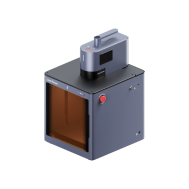
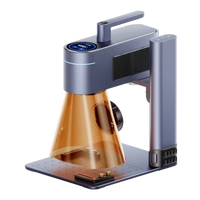
Que vous créiez chez vous ou produisiez des articles destinés à la vente, une découpeuse laser de bureau telle que la LaserPecker LP2 Plus ou la LaserPecker LX2 constitue une excellente option à envisager. Leur combinaison d’une précision contrôlée par logiciel, d’une découpe sans contact qui évite les déformations, de bords scellés et nets qui minimisent l’effilochage, ainsi que de fonctions intégrées de découpe et de gravure vous permet de fabriquer facilement des produits en feutre de haute qualité, au rendu professionnel.