




























La personnalisation des gobelets isothermes gagne en popularité partout en Europe, qu’il s’agisse de cadeaux personnalisés, d’articles promotionnels ou de petites gammes de produits. Cela dit, la gravure sur des surfaces courbes peut être difficile à réussir. De nombreux utilisateurs rencontrent des problèmes tels qu’une profondeur irrégulière, des motifs déformés ou des problèmes de compatibilité avec différents matériaux de gobelets isothermes.
Choisir la bonne machine de gravure laser fait une grande différence. Dans ce guide, nous présenterons les meilleures machines de gravure laser pour gobelets isothermes en 2026, nous décrirons les principales technologies laser disponibles et nous donnerons des conseils pratiques pour vous aider à obtenir des résultats précis et uniformes.

Dans cet article :
- Partie 1 : Les quatre types de machines de gravure laser pour gobelets isothermes
- Type 1 : Machine de gravure laser à diode
- Type 2 : Machine de gravure laser infrarouge
- Type 3 : Machine de gravure laser à fibre
- Type 4 : Machine de gravure laser CO2
- Partie 2 : Comment choisir la bonne machine de gravure laser pour gobelets isothermes
- Partie 3 : Conseils essentiels pour réussir la gravure sur gobelets isothermes
- Partie 4 : FAQ sur les machines de gravure laser pour gobelets isothermes
Partie 1 : Les quatre types de machines de gravure laser pour gobelets isothermes
Type 1 : Machine de gravure laser à diode
Les lasers à diode sont idéaux pour les gobelets isothermes dotés d’un revêtement ou de surfaces peintes. Ils sont particulièrement efficaces pour graver des graphiques, du texte et des motifs sur des métaux peints ou de l’aluminium anodisé. La plupart des lasers à diode utilisent une longueur d’onde bleue de 450 nm, qui interagit efficacement avec les couches revêtues et anodisées afin de produire des marquages de surface à contraste élevé.
Cependant, les lasers à diode ne conviennent pas à la gravure en profondeur sur le métal nu. Ils sont principalement utilisés pour le marquage de surface plutôt que pour l’enlèvement profond de matière.
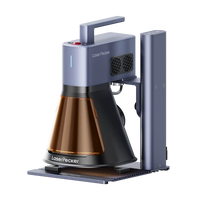
Produit recommandé : LaserPecker LP2 Plus
- Vitesses de gravure rapides allant jusqu’à 4 000 mm/s, idéales pour la production en série
- Laser à diode de 10 W et 450 nm, optimisé pour les gobelets isothermes revêtus et les métaux peints
- Prise en charge de SpinTrack™ pour une gravure continue sur toute la surface
- Mise au point à double point rouge pour une configuration rapide et facile
- Compatible avec plus de 100 matériaux, notamment le bois, le cuir, l’acrylique et les plastiques
- Conception portable et flexible adaptée à différents espaces de travail
- Évolutive avec des accessoires rotatifs, un caisson et un système de purification de l’air
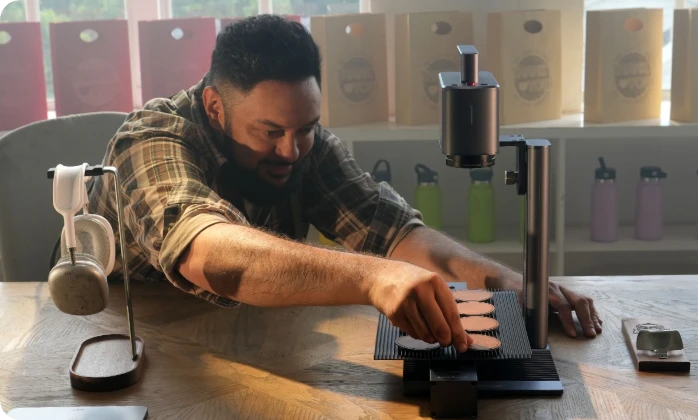
Idéale pour les gobelets isothermes revêtus et les applications de gravure de surface. Pour la gravure en profondeur sur l’acier inoxydable, un laser à fibre est plus approprié.
Type 2 : Machine de gravure laser infrarouge
Les lasers IR peuvent graver les gobelets isothermes revêtus et non revêtus. Fonctionnant à une longueur d’onde de 1 064 nm, ils sont couramment utilisés sur les métaux, les plastiques et les matériaux revêtus.
Bien qu’ils puissent marquer le métal nu, la gravure est généralement peu profonde et présente un contraste plus faible, ce qui les rend moins adaptés aux motifs audacieux. Cependant, ils sont très polyvalents et offrent de bonnes performances pour les applications détaillées sur plusieurs matériaux.
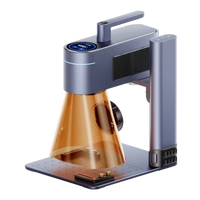
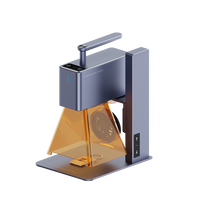
Produit recommandé : LaserPecker LP4
- Système laser double (diode de 10 W + laser IR de 2 W) prenant en charge plus de 300 matériaux
- Optimisé pour les gobelets isothermes revêtus et l’aluminium anodisé
- Angle réglable pour une meilleure gravure sur les surfaces courbes
- Grande vitesse (jusqu’à 4 000 mm/s) avec une résolution 8K
- Compatible avec LightBurn et LaserPecker Design Space
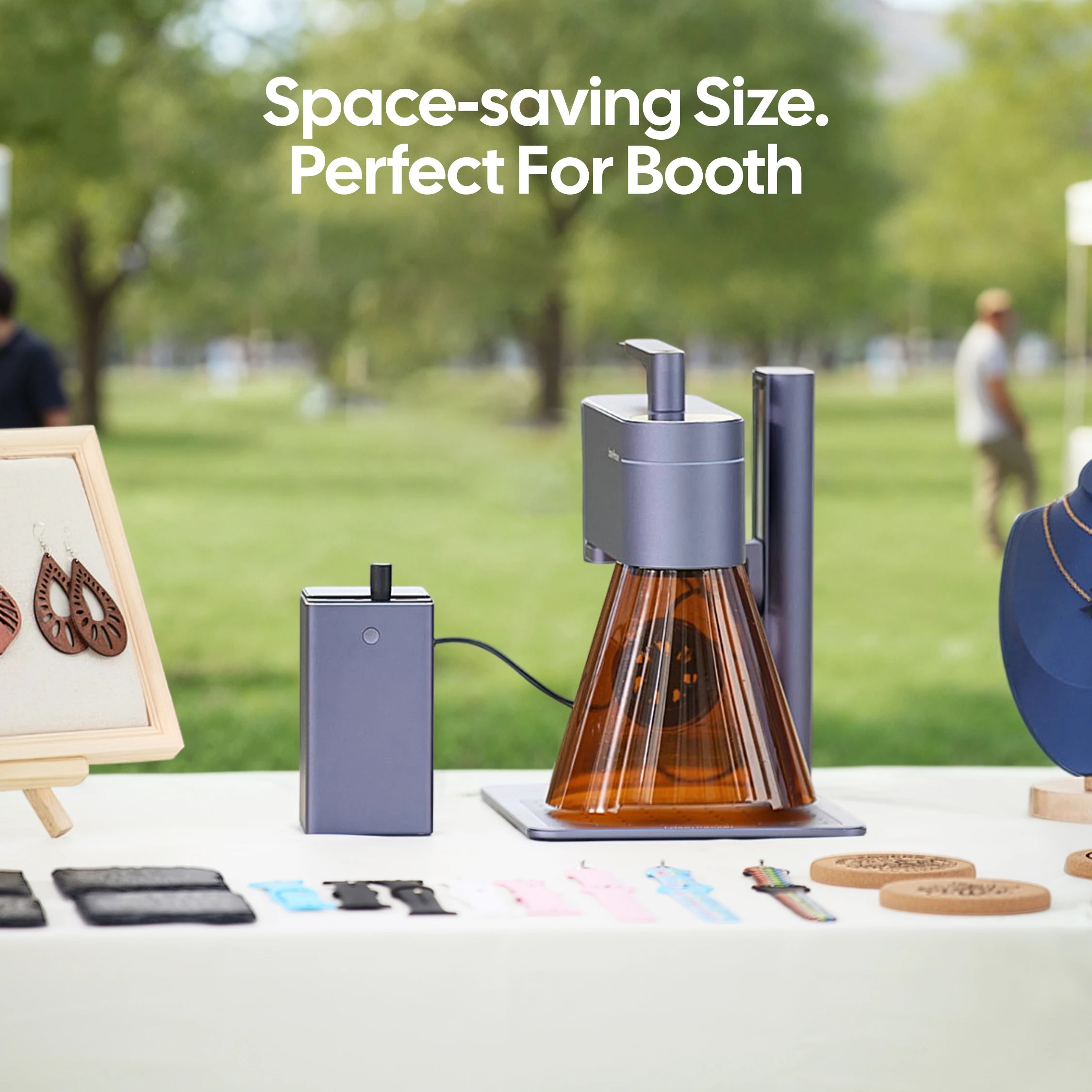
Le LaserPecker LP4 est une solution flexible pour les utilisateurs qui travaillent sur différents matériaux et types de gobelets isothermes.
Type 3 : Machine de gravure laser à fibre
Les lasers à fibre comptent parmi les solutions les plus puissantes pour la gravure de gobelets isothermes. Ils permettent une gravure profonde sur les métaux revêtus et non revêtus, et peuvent également produire des effets de gravure en couleur sur certains matériaux.
Ils sont particulièrement efficaces sur les gobelets isothermes en acier inoxydable, en aluminium et en titane.
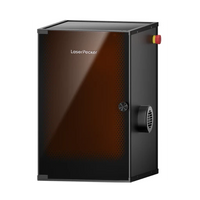
Produit recommandé : LaserPecker LP5
- Système laser double avec un laser à fibre de 20 W et un laser à diode de 20 W
- Gravure profonde et à contraste élevé sur les gobelets isothermes en acier inoxydable
- Gravure à grande vitesse jusqu’à 10 000 mm/s
- Support rotatif pour des motifs panoramiques à 360°
- Compact et fermé pour une utilisation intérieure en toute sécurité
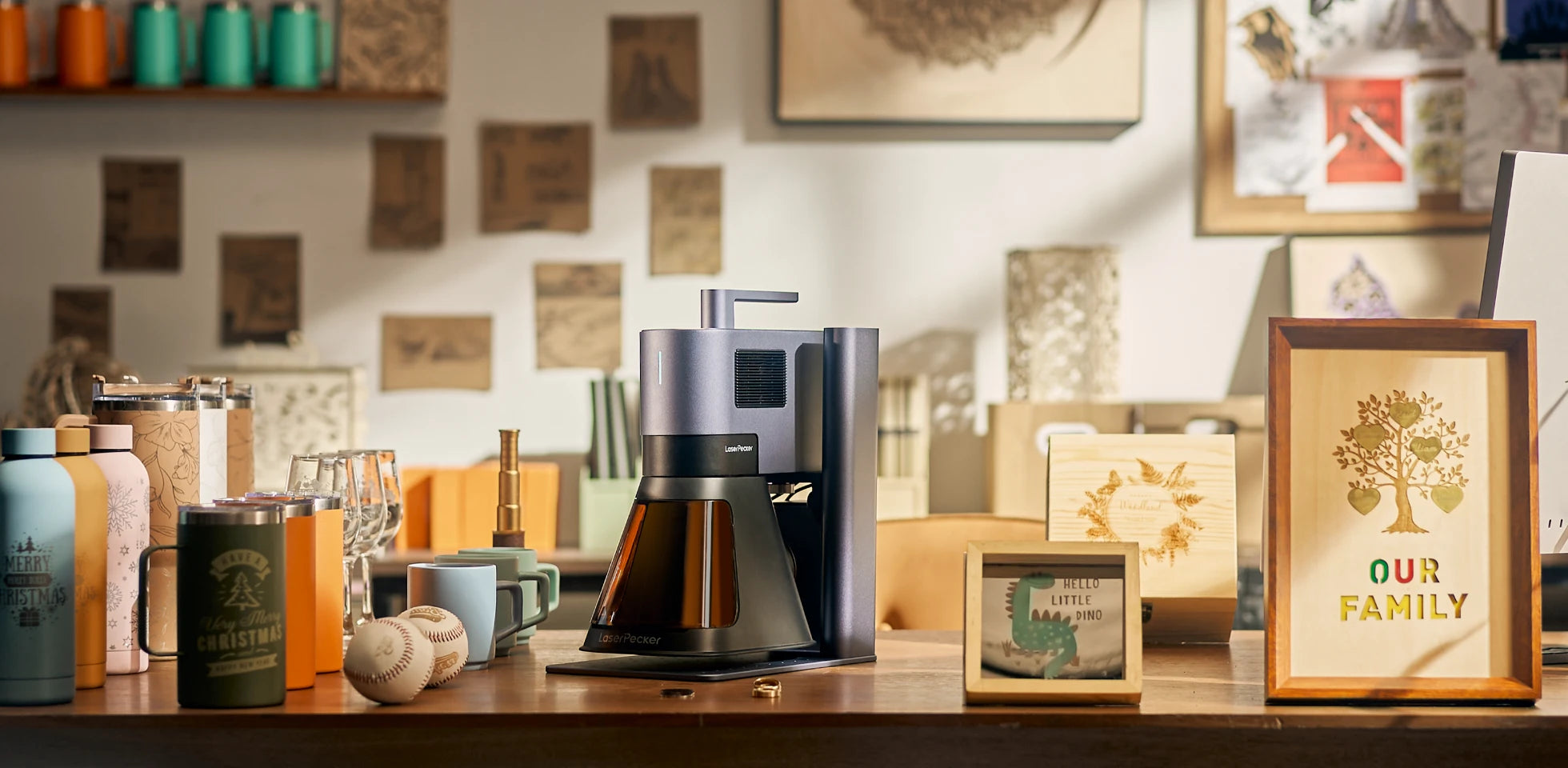
Le LaserPecker LP5 est idéal pour les professionnels et les entreprises qui ont besoin d’une grande efficacité, d’une grande précision et d’une grande flexibilité. Cependant, son coût est plus élevé et son utilisation efficace nécessite davantage d’expérience.
Type 4 : Machine de gravure laser CO2
Les lasers CO2 conviennent aux gobelets isothermes revêtus et aux matériaux non métalliques tels que les plastiques et l’acrylique. Ils ne peuvent pas graver directement le métal nu.
Pour les gobelets isothermes dotés de surfaces revêtues ou en plastique, les lasers CO2 peuvent tout de même produire des résultats nets. Cependant, pour les gobelets isothermes en métal nécessitant durabilité et grande précision, les lasers à diode, IR et à fibre sont généralement de meilleurs choix.
Tableau comparatif
| Type de laser | Idéal pour | Compatibilité avec les surfaces | Avantages | Inconvénients | Produit recommandé |
|---|---|---|---|---|---|
| Laser à diode | Gobelets isothermes revêtus | Métaux laqués, aluminium anodisé | Marquage de surface net et économique | Impossible de graver le métal nu | LP2 Plus |
| Laser IR | Métaux revêtus et non revêtus | Métaux peints ou nus | Angles de gravure polyvalents et flexibles | Résultats peu profonds sur les métaux nus | LP4 |
| Laser à fibre | Métaux revêtus et non revêtus | Acier inoxydable, titane, aluminium | Gravure profonde, marquage couleur | Coût plus élevé, nécessite de l’expérience | LP5 |
| Laser CO2 | Plastique / métal revêtu | Acrylique, surfaces revêtues | Performant sur les matériaux non métalliques | Ne peut pas graver les métaux nus | Non recommandé |
Lors du choix d’un laser pour graver des gobelets isothermes, il est important de tenir compte à la fois du matériau et de l’effet de gravure souhaité.
- Pour les débutants ou les utilisateurs travaillant principalement avec des gobelets isothermes revêtus, les lasers à diode tels que le LaserPecker LP2 Plus offrent une solution fiable et facile à utiliser
- Pour une plus grande flexibilité avec différents matériaux, le LaserPecker LP4 constitue une option équilibrée grâce à ses capacités à diode et infrarouge
- Pour un usage professionnel, une production en grande série ou une gravure profonde sur acier inoxydable, le LaserPecker LP5 offre des performances et une précision supérieures
Les lasers CO2 restent utiles pour les plastiques et les surfaces revêtues, mais ne sont pas le choix idéal pour les gobelets isothermes en métal. Choisir la bonne machine améliorera la qualité de gravure, l’efficacité et la régularité à long terme.
Partie 2 : Comment choisir la bonne machine de gravure laser pour gobelets isothermes ?
Lors du choix d’une machine de gravure laser pour gobelets isothermes, il est important d’évaluer votre flux de production, les matériaux des gobelets, vos exigences en matière de gravure et le volume de production prévu. Dans toute l’UE, de nombreux studios créatifs, ateliers partagés et entreprises de produits personnalisés utilisent des systèmes de gravure laser pour produire des articles de boisson personnalisés et des produits dérivés de marque.
Avant de choisir une machine, tenez compte des facteurs clés suivants :
- Compatibilité avec les matériaux des gobelets isothermes : les gobelets isothermes thermolaqués, l’acier inoxydable, le titane et les métaux nus réagissent tous différemment aux technologies laser.
- Précision de gravure : les textes fins, les logos et les illustrations détaillées exigent une précision de gravure élevée ainsi qu’une performance laser stable.
- Volume de production : les produits personnalisés fabriqués en petites séries et les environnements de production commerciale nécessitent souvent des capacités machine différentes.
- Compatibilité avec la gravure rotative : les accessoires rotatifs sont indispensables pour graver les surfaces courbes des gobelets isothermes et créer des motifs enveloppants.
- Budget et exigences de performance : les lasers à diode sont plus accessibles aux débutants, tandis que les lasers à fibre offrent une gravure plus rapide et de meilleures performances pour le marquage profond des métaux.
Différentes technologies laser sont adaptées à différentes applications de gravure :
- Les systèmes laser à fibre sont idéaux pour la gravure profonde et le marquage à contraste élevé sur les gobelets en acier inoxydable et en titane.
- Les systèmes laser à diode sont couramment utilisés pour les gobelets revêtus et les projets créatifs pour débutants.
Recommandations rapides selon les différents besoins de production
Pour les débutants et les petites entreprises créatives : LaserPecker LP2 Plus
Le LaserPecker LP2 Plus est un graveur laser compact et abordable, adapté aux amateurs de l’UE, aux créateurs de produits personnalisés et aux petites entreprises créatives. Il offre de bonnes performances sur les gobelets revêtus et permet de réaliser des gravures détaillées de logos, de noms et de créations personnalisées.
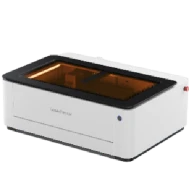
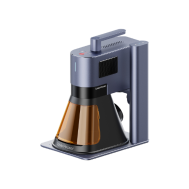
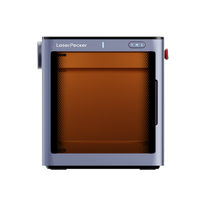
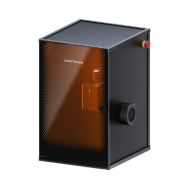
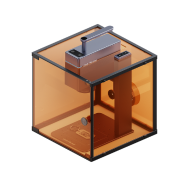
Associé au LaserPecker Standard Enclosure, le LP2 assure une protection conforme à la sécurité laser de classe 1, contribuant à créer un environnement de gravure intérieur plus sûr. Il peut également être associé au LaserPecker Desktop Smoke Purifier, qui aide à filtrer les fumées, la fumée et les odeurs générées pendant les processus de gravure afin d’améliorer la qualité de l’air intérieur.
Pour une gravure flexible sur plusieurs matériaux : LaserPecker LP4
Le LaserPecker LP4 combine des technologies laser à diode et infrarouge, ce qui le rend adapté à la gravure de gobelets métalliques revêtus ou non revêtus. Cette polyvalence en fait un choix idéal pour les ateliers de l’UE et les entreprises de produits personnalisés travaillant avec différents types de matériaux.
Une fois le LaserPecker Standard Enclosure installé, le LP4 assure une protection conforme à la sécurité laser de classe 1 pour une utilisation intérieure plus sûre. La machine est également compatible avec le LaserPecker Desktop Smoke Purifier, qui contribue à réduire les particules de fumée et les odeurs de gravure pendant les processus de production.
Pour la gravure professionnelle et en grande série de gobelets : LaserPecker LP5
Le LaserPecker LP5 est conçu pour les environnements de production professionnels et les entreprises de gravure commerciales qui nécessitent une gravure métallique rapide et à contraste élevé. Il convient particulièrement aux applications de gravure sur gobelets en acier inoxydable et en titane.
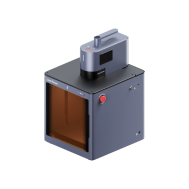
Pour les ateliers de production de l’UE axés sur la gravure évolutive de gobelets, le LP5 offre un flux de travail efficace, une capacité de gravure profonde et une excellente régularité. Utilisé avec le LaserPecker LP5 Safety Enclosure, le système assure une protection conforme à la sécurité laser de classe 1. Il peut également être associé au LaserPecker Desktop Smoke Purifier afin d’améliorer la qualité de l’air intérieur en filtrant les fumées et les odeurs générées pendant le fonctionnement.
En définitive, le choix de la bonne machine laser de gravure de gobelets dépend de l’équilibre entre la compatibilité avec le matériau, la précision de gravure, l’efficacité du flux de production et les exigences liées à l’espace de travail.
Partie 3 : Conseils essentiels pour une gravure parfaite de gobelets
Obtenir des résultats de haute qualité sur un gobelet ne consiste pas simplement à lancer le processus de gravure. Une préparation adéquate, une installation précise et l’ajustement des paramètres en fonction du matériau et de la forme sont essentiels.
Utilisez un accessoire rotatif pour une meilleure précision
Un accessoire rotatif est nécessaire pour graver des objets ronds tels que les gobelets. Il fait pivoter l’objet pendant la gravure, ce qui aide à maintenir des lignes droites et un espacement régulier sur toute la surface.
Réglez correctement la puissance et la vitesse du laser
Chaque matériau réagit différemment aux réglages du laser :
- Une puissance excessive peut endommager les revêtements ou provoquer des marques indésirables
- Une puissance insuffisante peut produire une gravure pâle ou peu nette
Tester différents réglages au préalable garantit un meilleur contrôle et des résultats réguliers.
Maintenez une mise au point correcte pour une gravure nette
Une mise au point précise est essentielle pour obtenir des motifs nets et précis, en particulier sur les surfaces incurvées.
- Ajustez l’angle du laser si nécessaire
- Utilisez des outils d’alignement ou des systèmes de mise au point automatique
- Des appareils comme la LaserPecker LP4 et la LaserPecker LP5 contribuent à améliorer la précision du positionnement
Adaptez les réglages aux différents matériaux
Les gobelets revêtus et non revêtus nécessitent des approches différentes :
- Gobelets revêtus : Des réglages de puissance plus faibles aident à éviter d’endommager la surface
- Gobelets en métal non revêtu : Ils nécessitent souvent plusieurs passages avec des lasers à fibre ou infrarouges pour obtenir un contraste plus marqué
Effectuez d’abord une gravure d’essai
Testez toujours votre motif sur une petite zone avant la production complète. Cela permet de vérifier :
- Réglages corrects des paramètres
- Alignement correct
- Résultat de gravure attendu
Cette étape réduit les erreurs et améliore la régularité globale.
Partie 4 : FAQ sur les machines laser de gravure de gobelets
Q1. Quel laser est le meilleur pour les gobelets ?
Le laser idéal dépend du matériau du gobelet et du résultat de gravure souhaité.
- Gobelets revêtus : Un laser à diode tel que la LaserPecker LP2 Plus convient pour un marquage propre de la surface
- Métal non revêtu : Un laser infrarouge comme la LaserPecker LP4 peut être utilisé, bien que les résultats soient généralement plus clairs
- Acier inoxydable ou titane : Un laser à fibre tel que la LaserPecker LP5 produit des gravures profondes, très contrastées et durables
Choisir le laser approprié améliore à la fois la qualité et la durabilité.
Q2. Pouvez-vous graver vous-même un gobelet Yeti ?
Oui, il est possible de graver un gobelet Yeti ou un gobelet similaire en acier inoxydable à l’aide d’une graveuse laser de bureau comme la LaserPecker LP4 ou la LaserPecker LP5.
Pour obtenir de meilleurs résultats :
- Utilisez un accessoire rotatif pour une rotation régulière
- Réglez soigneusement la mise au point
- Nettoyez la surface avant la gravure
- Effectuez des essais pour optimiser les réglages
Même les débutants peuvent obtenir des résultats réguliers et professionnels avec une configuration appropriée.
Q3. Les lasers à diode peuvent-ils graver des gobelets isothermes en métal ?
Les lasers à diode fonctionnent bien sur les gobelets isothermes en métal revêtu ou peint et produisent des gravures de surface nettes et détaillées.
Cependant, ils ne conviennent pas à la gravure directe sur du métal nu, car les résultats sont généralement peu profonds et moins durables. Pour une gravure plus profonde sur des métaux non revêtus, les lasers IR ou à fibre constituent une meilleure option.
Les lasers à diode restent un choix économique et pratique pour les débutants et la production à petite échelle.
Q4. Combien de temps faut-il pour graver un gobelet isotherme ?
Le temps de gravure varie en fonction de la taille, du matériau et de la complexité du motif.
- Un gobelet isotherme standard prend généralement de 5 à 15 minutes avec des machines telles que le LaserPecker LP4 ou le LaserPecker LP5
- Les motifs plus détaillés ou les gravures plus profondes nécessitent davantage de temps
- Les opérations de configuration, notamment l’alignement et les tests, peuvent prendre quelques minutes supplémentaires
Une configuration efficace contribue à maintenir à la fois la rapidité et la régularité.
Q5. Peut-on graver des gobelets isothermes en acier inoxydable à domicile ?
Oui, les gobelets isothermes en acier inoxydable peuvent être gravés à domicile avec un équipement adapté.
- Les lasers à fibre offrent les meilleurs résultats pour une gravure profonde et permanente
- Les lasers IR peuvent également être utilisés pour des marquages plus clairs
- Un accessoire rotatif est essentiel pour obtenir une gravure uniforme sur les surfaces courbes
Avec une configuration adaptée, la gravure à domicile peut atteindre une qualité digne d’un résultat professionnel.
Q6. Pourquoi la gravure de mon gobelet isotherme n’est-elle pas assez foncée ?
Une gravure claire ou pâle est généralement due à des paramètres incorrects ou à un équipement inadapté. Les causes courantes sont les suivantes :
- Paramètres de puissance trop faibles
- Vitesse de gravure trop élevée
- Utilisation d’un laser à diode sur du métal nu
- Mauvaise mise au point ou mauvais alignement
Régler les paramètres, réduire la vitesse ou utiliser un type de laser plus adapté, comme un laser à fibre, peut améliorer considérablement le contraste.
Conclusion
Choisir le bon graveur laser pour les gobelets isothermes peut considérablement améliorer à la fois la productivité et les résultats de gravure. Les lasers à diode, comme le LaserPecker LP2 Plus, conviennent particulièrement bien aux matériaux revêtus, tandis que les lasers IR, comme le LaserPecker LP4, offrent un bon équilibre entre précision et polyvalence. Pour les métaux nus et la production en grande quantité, les lasers à fibre, comme le LaserPecker LP5, offrent des performances supérieures.
Ces machines intègrent également des fonctionnalités avancées, telles que des accessoires rotatifs, des angles de gravure réglables et une sortie haute résolution. Il est ainsi plus facile de créer des logos, du texte et des motifs détaillés uniformes sur différents types de gobelets isothermes.
Que ce soit pour des projets personnels, une petite entreprise ou une production à grande échelle, choisir le LaserPecker LP2 Plus, le LP4 ou le LP5 contribue à garantir des flux de travail efficaces, des gravures durables et des résultats fiables et de haute qualité.