
















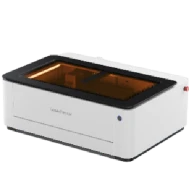
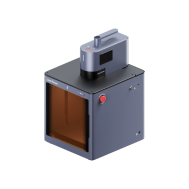
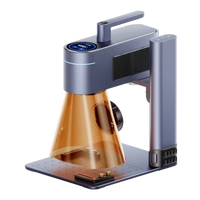

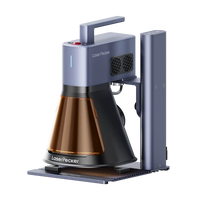
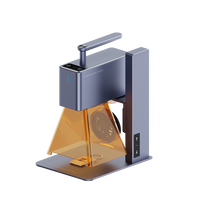


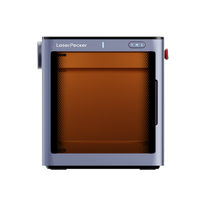
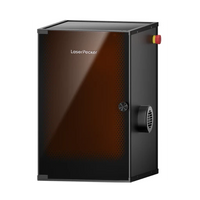





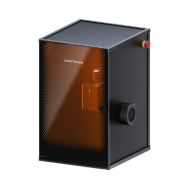


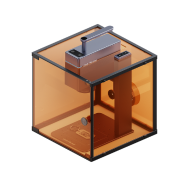
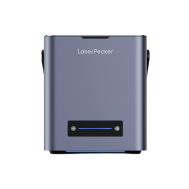


Les découpeuses CNC et les découpeuses laser sont deux des outils les plus populaires utilisés pour la découpe et la gravure en Europe. Elles sont largement utilisées dans le travail du bois, le travail des métaux, la production d’enseignes, l’artisanat et le développement de prototypes. Les deux technologies sont très polyvalentes et jouent un rôle essentiel dans de nombreux secteurs.
Cela dit, elles fonctionnent de manière fondamentalement différente — chacune offrant des avantages, des limites et des scénarios d’utilisation privilégiés distincts. Dans ce guide, nous vous présenterons une comparaison complète des machines CNC et des découpeuses laser afin de vous aider à choisir la solution adaptée à vos projets.

Dans cet article :
Partie 1 : Qu’est-ce qu’une découpeuse CNC ?
Une découpeuse CNC, également appelée défonceuse CNC, est une machine commandée par ordinateur conçue pour découper et façonner des matériaux avec une grande précision. Elle utilise des fichiers numériques créés dans un logiciel de CAO/FAO et les convertit en mouvements mécaniques précis.
Contrairement aux découpeuses laser, les machines CNC utilisent des outils de coupe rotatifs pour retirer physiquement la matière. Elles sont donc idéales pour les applications nécessitant des coupes profondes et une mise en forme 3D complexe, plutôt que pour la gravure de surface.
Les découpeuses CNC peuvent traiter une grande variété de matériaux, notamment :
- Bois
- Métaux tels que l’aluminium
- Plastiques
- Mousse
- Matériaux composites
Grâce à leur polyvalence, les machines CNC sont largement utilisées dans l’UE dans les secteurs de la fabrication, de la production de meubles et de l’ingénierie, où la robustesse et la précision sont essentielles.
Dans l’UE, les utilisateurs accordent souvent la priorité à des facteurs tels que la sécurité au travail et les systèmes d’aspiration des poussières lors de l’intégration d’équipements CNC dans leur flux de travail.

Avantages et inconvénients des machines de découpe CNC
Avantages :
- Efficaces pour découper des matériaux résistants tels que le bois dur, les plastiques et les métaux
- Prennent en charge la sculpture et la mise en forme 3D détaillées
- Robustes et fiables pour une utilisation continue ou industrielle
- Bien adaptées aux grandes séries de production
Inconvénients :
- Moins rapides que les découpeuses laser pour les travaux complexes ou comportant des détails fins
- Le contact physique avec les matériaux entraîne l’usure des outils et des besoins de maintenance
- Génèrent du bruit et de la poussière, ce qui nécessite des mesures de sécurité appropriées
- Courbe d’apprentissage plus abrupte pour les débutants et processus de configuration plus complexe
Partie 2 : Qu’est-ce qu’une découpeuse laser ?
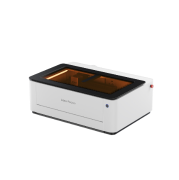
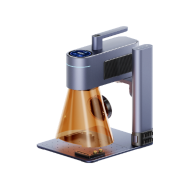
Les découpeuses laser utilisent un faisceau lumineux concentré pour découper, graver ou marquer des matériaux avec une grande précision. Le laser chauffe et vaporise le matériau le long d’un parcours programmé, ce qui permet d’obtenir des résultats nets et précis.
En tant que procédé sans contact, les découpeuses laser ne dépendent pas d’outils physiques pour retirer la matière. Cela réduit l’usure et les besoins de maintenance, ce qui les rend particulièrement efficaces pour les détails fins et les travaux de précision.
Dans toute l’UE, les découpeuses laser sont couramment utilisées pour :
- Production d’enseignes
- Studios de création et ateliers de design
- Environnements de bricolage et de loisirs
Ils peuvent traiter une large gamme de matériaux, tels que :
- Bois
- Plastiques
- Cuir et textiles
- Matériaux à base de papier
- Métaux fins (selon les capacités de la machine)
Sur le marché de l’UE, les utilisateurs privilégient souvent les machines qui respectent les exigences de certification CE et offrent des fonctionnalités de sécurité renforcées, telles qu’une conception fermée ou une sécurité laser de classe 1 pour une utilisation plus sûre en intérieur.
Avantages et inconvénients du découpeur laser
Avantages :
- Précision élevée, idéale pour les conceptions complexes et détaillées
- Aucun contact physique avec l’outil, ce qui réduit l’entretien et l’usure
- Compatible avec une grande variété de matériaux
- Combine la découpe et la gravure en un seul processus
- Produit des bords nets nécessitant peu ou pas de finition
Inconvénients :
- Profondeur limitée par rapport aux machines CNC
- Nécessite une ventilation adéquate en raison des fumées générées pendant le fonctionnement
- Pas idéal pour la gravure profonde ou l’élimination de grandes quantités de matière
Partie 3 : découpeuse CNC ou découpeur laser : 8 différences clés
Dans l’UE, les utilisateurs évaluent souvent des facteurs supplémentaires tels que la conformité CE, la sécurité au travail et l’efficacité énergétique lorsqu’ils comparent les technologies CNC et laser.
1. Méthode de découpe
- Les découpeuses CNC utilisent des outils rotatifs pour retirer physiquement la matière.
- Les découpeurs laser utilisent un faisceau lumineux focalisé pour la découpe et la gravure sans contact.
2. Précision et exactitude
- Les découpeurs laser offrent une précision supérieure pour les travaux détaillés et délicats.
- Les découpeuses CNC sont plus efficaces pour les découpes profondes et le façonnage structurel.
3. Matériaux compatibles
- Découpeuses CNC : bois, aluminium, laiton, plastiques, mousse, matériaux composites
- Découpeurs laser : bois, acrylique, cuir, textiles, plastiques, métaux revêtus, fines tôles métalliques
4. Vitesse de découpe et de gravure
- Les découpeurs laser sont plus rapides pour la gravure fine et les matériaux minces.
- Les découpeuses CNC sont plus lentes, mais mieux adaptées aux matériaux épais et à l’usinage 3D.

5. Coût et entretien
- Les machines CNC peuvent avoir un coût d’entrée inférieur, mais nécessitent le remplacement régulier des outils.
- Les découpeurs laser coûtent généralement plus cher à l’achat, mais nécessitent moins d’entretien mécanique courant.
6. Taille et encombrement
- Les machines CNC nécessitent davantage d’espace et sont généralement utilisées dans des ateliers dédiés.
- Les découpeurs laser sont disponibles dans des formats compacts adaptés aux studios et aux petits espaces de travail.

7. Niveau sonore
- Les machines CNC produisent davantage de bruit en raison de la découpe mécanique.
- Les découpeurs laser fonctionnent plus silencieusement et produisent principalement le bruit du ventilateur ou du flux d’air.
8. Résidus et propreté
- Les machines CNC produisent de la poussière et des déchets de matériau.
- Les découpeurs laser produisent très peu de débris, avec des fumées pouvant être maîtrisées à l’aide de systèmes de filtration.

Tableau comparatif – découpeuse CNC VS découpeur laser
| Caractéristique | Découpeuse CNC | Découpeur laser |
|---|---|---|
| Méthode de découpe | Mécanique (fraises rotatives) | Sans contact (faisceau laser) |
| Précision | Élevée pour le façonnage ; plus faible pour les micro-détails | Précision extrêmement élevée |
| Matériaux | Bois, métaux, matériaux composites | Bois, plastiques, cuir, métaux revêtus |
| Vitesse | Plus lente ; idéale pour la découpe profonde et la découpe 3D | Plus rapide ; idéale pour la gravure et les matériaux fins |
| Entretien | Usure et remplacement des outils nécessaires | Entretien réduit ; soin nécessaire des composants optiques |
| Facilité d’utilisation | Configuration et utilisation plus complexes | Facile à utiliser grâce à un logiciel intégré |
| Taille / encombrement | Grande ; nécessite un atelier | Compacte ; adaptée aux espaces réduits |
| Niveau sonore | Élevé (mécanique) | Faible à modéré |
| Propreté | Produit des débris et de la poussière | Processus plus propre ; résidus minimes |
Partie 4 : Machine de découpe CNC ou laser : comment choisir ?
Le choix entre une machine de découpe CNC et des machines de découpe laser dépend largement de votre application, de vos exigences en matière de matériaux et de votre budget. Le guide ci-dessous indique dans quels cas chaque option est la plus adaptée.
Dans l’UE, les utilisateurs prennent souvent aussi en compte des aspects tels que la conformité CE, les normes de sécurité au travail et l’efficacité énergétique lors de leur choix.
Quand choisir une machine de découpe CNC
Une machine de découpe CNC est plus adaptée si vous :
- Travaillez régulièrement avec des matériaux robustes tels que le bois dur, les plastiques ou les métaux
- Avez besoin d’un usinage 3D, d’une sculpture ou d’un façonnage structurel
- Vous concentrez sur des applications industrielles ou intensives
- Travaillez avec un budget plus limité et n’accordez pas la priorité à la vitesse de gravure
Quand choisir une machine de découpe laser
Les machines de découpe laser conviennent mieux si vous :
- Ont besoin d’une gravure précise pour des motifs détaillés, du texte ou du marquage
- Travaillent avec des matériaux plus fins ou plus délicats tels que l’acrylique, le cuir ou le papier
- Souhaitent obtenir des bords nets et finis sans traitement supplémentaire
- Préfèrent une solution compacte nécessitant peu d’entretien pour les studios ou les petits espaces de travail
- Ont besoin d’une production efficace avec des délais d’exécution plus courts
Pour les utilisateurs qui privilégient la précision et la facilité d’utilisation, les machines de découpe laser constituent une solution très efficace et conviviale. Leur encombrement réduit et leur processus de travail plus propre les rendent particulièrement adaptées aux environnements intérieurs.
Sur le marché de l’UE, les machines dotées d’une sécurité laser de classe 1 ou d’une conception fermée sont souvent privilégiées pour une utilisation plus sûre dans les espaces partagés ou professionnels.

Option recommandée pour la précision et la polyvalence
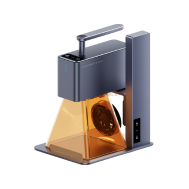
Pour ceux qui recherchent un équilibre entre performances et flexibilité, la machine de découpe laser LX2 constitue une option particulièrement intéressante.
Les principales capacités incluent :
- Découpe jusqu’à 20 mm d’acrylique foncé et 22 mm de bois
- Vitesses de gravure allant jusqu’à 1 000 mm/s
- Haute précision, adaptée aux travaux détaillés et à la production en série
Ainsi, la machine de découpe laser LX2 convient parfaitement aux professionnels comme aux amateurs expérimentés dans un large éventail d’applications.
Partie 5 : FAQ sur les machines de découpe CNC et laser
Q1. Machine de découpe CNC ou laser pour le métal : laquelle est la meilleure ?
Les machines de découpe CNC sont mieux adaptées à la découpe et au façonnage de métaux épais, notamment dans les applications industrielles qui exigent durabilité et robustesse.
Les machines de découpe laser, en particulier les systèmes laser à fibre, sont très efficaces pour graver et découper avec précision des feuilles de métal fines telles que l’aluminium ou l’acier inoxydable.
En général :
- Utilisez la CNC pour l’enlèvement important de matière
- Utilisez les découpeuses laser pour la précision et les détails fins
Q2. CNC ou découpeuse laser pour le bois : laquelle choisir ?
Les deux technologies conviennent au bois, mais leurs applications diffèrent :
- Les découpeuses CNC sont idéales pour le bois épais et la mise en forme 3D
- Les découpeuses laser sont idéales pour la gravure et la découpe de matériaux en bois fins
La CNC est couramment utilisée dans la fabrication de meubles et les travaux structurels, tandis que les découpeuses laser sont largement utilisées dans les projets de design et de décoration.
Q3. Quels matériaux ne peuvent pas être découpés avec une découpeuse laser ?
Certains matériaux ne doivent pas être utilisés avec des découpeuses laser en raison des risques pour la sécurité ou de résultats médiocres.
Cela comprend :
- Le PVC et le vinyle (fumées toxiques)
- Le PTFE (Téflon)
- Le polycarbonate
- Les métaux épais ou la pierre dense dépassant les capacités de la machine
Une ventilation adéquate et le respect des normes de sécurité sont essentiels lors de l’utilisation d’un équipement laser.
Q4. Quelle épaisseur une découpeuse laser peut-elle découper ?
L’épaisseur de découpe dépend du type de machine et du niveau de puissance.
- Les découpeuses laser à diode standard peuvent découper quelques millimètres de bois ou de plastique
- Les systèmes plus avancés peuvent découper :
- Jusqu’à 20 mm de bois
- Environ 15 mm d’acrylique
- Des feuilles de métal fines (environ 1 mm)
Les systèmes laser industriels peuvent traiter des matériaux plus épais, mais nécessitent une puissance et une consommation d’énergie nettement supérieures.
Q5. La découpe CNC est-elle moins chère qu’une découpeuse laser ?
Les machines CNC peuvent représenter un investissement initial moindre, mais nécessitent une maintenance continue, notamment le remplacement des outils et les opérations d’entretien.
Les découpeuses laser ont généralement un coût initial plus élevé, mais offrent :
- Des besoins de maintenance réduits
- Une utilisation plus rapide
- Une plus grande efficacité pour les travaux détaillés
Au fil du temps, les découpeuses laser peuvent offrir une meilleure valeur globale selon l’utilisation.
Q6. Les découpeuses laser peuvent-elles être utilisées en toute sécurité dans l’UE ?
Oui, les découpeuses laser peuvent être utilisées en toute sécurité dans l’UE, à condition de respecter les exigences de la certification CE et de suivre les consignes de sécurité appropriées.
De nombreux utilisateurs privilégient les machines dotées des éléments suivants :
- Conception fermée
- Classification de sécurité laser de classe 1
- Systèmes intégrés de ventilation ou de filtration
Ces caractéristiques les rendent adaptées à une utilisation dans les studios, les établissements scolaires et les espaces de travail partagés.
Conclusion
Les machines CNC et les découpeuses laser sont toutes deux très performantes, et le meilleur choix dépend de vos applications spécifiques et des exigences de votre projet.
Les découpeuses CNC sont idéales pour la sculpture en profondeur, la mise en forme 3D et le travail de matériaux épais ou denses comme le bois et le métal. En revanche, les découpeuses laser conviennent mieux aux tâches de haute précision, notamment la gravure, la découpe fine et les travaux de conception complexes.
En bref :
- Choisissez les découpeuses CNC pour la robustesse et la profondeur de travail des matériaux
- Choisissez les découpeuses laser pour la précision, la rapidité et l’efficacité
Dans toute l’UE, les découpeuses laser sont largement adoptées dans les studios de design, les petites entreprises et les environnements éducatifs, en particulier lorsque des machines compactes, la conformité aux normes de sécurité et un fonctionnement propre sont des critères importants.