




























La fabrication de bijoux associe conception artistique et savoir-faire technique. Que vous créiez des pièces contemporaines, des accessoires personnalisés ou de petites séries destinées à la vente, différentes méthodes de fabrication offrent des niveaux variés de précision et de compatibilité avec les matériaux.
Dans ce guide, nous explorons cinq méthodes populaires pour fabriquer des bijoux — allant d'outils de précision tels que les machines laser et les machines Cricut à des techniques manuelles comme le travail des perles et l'utilisation de pinces. Chaque approche propose différents matériaux, niveaux de détail et possibilités créatives, afin de vous aider à choisir la méthode la plus adaptée à votre expérience et à vos objectifs de conception.

Dans cet article :
- Méthode 1 : Fabriquer des bijoux avec une machine laser
- Méthode 2 : Fabriquer des bijoux avec un outil rotatif
- Méthode 3 : Fabriquer des bijoux avec une Cricut Maker
- Méthode 4 : Fabriquer des bijoux avec des perles
- Méthode 5 : Fabriquer des bijoux avec une pince
Méthode 1 : Fabriquer des bijoux avec une machine laser
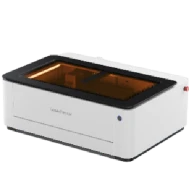
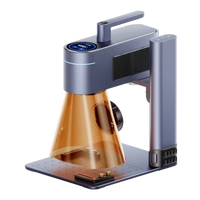
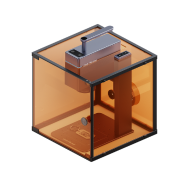
La fabrication assistée par laser offre une méthode contrôlée et reproductible pour produire des composants de bijoux à partir de matériaux tels que l'acrylique, le bois, le cuir et les métaux revêtus.
Cette approche permet de réaliser des géométries très détaillées, des gravures fines et une production en série régulière. Comparé aux méthodes manuelles, le traitement laser améliore la précision dimensionnelle et la régularité de surface, ce qui le rend adapté aux pendentifs, breloques, boucles d'oreilles et accessoires de marque.
Elle convient aussi bien à la création à l'échelle amateur qu'aux flux de production à petite échelle.
Idéal pour :
- Acrylique
- Bois
- Cuir
- Certains métaux revêtus
① Fabriquer des bijoux en acrylique avec une machine laser
L'acrylique est léger, durable et disponible dans une grande variété de couleurs et de finitions, y compris des versions miroir et translucides.
La découpe laser permet un contourage précis et un assemblage en couches, tandis que la gravure permet d'ajouter des marques, des textures ou des détails décoratifs.

Source: Projet de LaserPecker CraftZone
L'acrylique est souvent choisi pour les designs de bijoux contemporains nécessitant des contours nets et des contrastes de couleurs.
② Fabriquer des bijoux en bois avec une machine laser
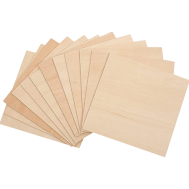
Les fines plaques de bois telles que le balsa ou le contreplaqué peuvent être découpées et gravées pour créer des bijoux à l'esthétique naturelle et organique.
La découpe laser permet des découpes délicates et des bords lisses, tandis que la gravure met en valeur des motifs, des illustrations ou du texte. Les bijoux en bois sont souvent choisis pour leur apparence chaleureuse et leur légèreté.
③ Fabriquer des bijoux en cuir avec une machine laser
Les machines laser peuvent découper et graver aussi bien le cuir naturel que le cuir synthétique. Cela permet de créer des bracelets, boucles d'oreilles, pendentifs légers et des designs superposés.
La précision du laser réduit l'effilochage par rapport à la découpe manuelle, et les motifs gravés ou les monogrammes ajoutent une profondeur décorative.
④ Fabriquer des bijoux en métal avec une machine laser
La gravure laser fonctionne bien sur le laiton, l'acier inoxydable ou l'aluminium anodisé, créant des pendentifs, étiquettes et breloques durables au style moderne.
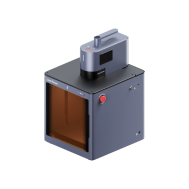
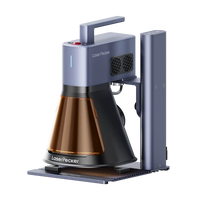
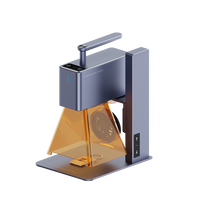
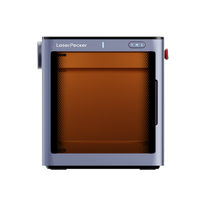
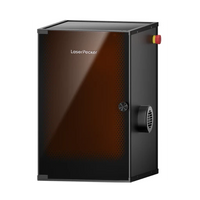
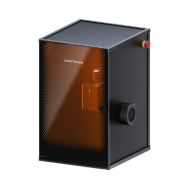
La découpeuse laser LP5 peut traiter efficacement de fines plaques métalliques pour la gravure et les découpes légères. La découpe de métaux plus épais nécessite généralement des systèmes laser plus puissants ou spécialisés.
La gravure laser permet un marquage précis de logos, de numéros de série, de motifs décoratifs et de typographies fines sur les surfaces de bijoux en métal.
Méthode 2 : Fabriquer des bijoux avec un outil rotatif
Un outil rotatif est un appareil compact à grande vitesse capable de couper, meuler, percer, sculpter, poncer et polir. Sa polyvalence en fait un choix populaire pour les créateurs de bijoux travaillant le métal, la pierre et le bois.
En changeant d'accessoire, vous pouvez adapter l'outil pour façonner des composants métalliques, affiner des pierres précieuses ou sculpter des détails décoratifs dans le bois. Il est particulièrement utile pour les travaux de finition détaillés et les pièces personnalisées de petite taille.
① Fabriquer des bijoux en métal avec un outil rotatif
Exemples : Bagues, pendentifs, bracelets, breloques estampées
Étape 1 : Découper et façonner - Utilisez un disque de coupe ou une fraise pour métal afin de tailler le métal à la forme souhaitée.
Étape 2 : Percer des trous - Utilisez un petit foret pour créer des trous destinés aux anneaux de jonction ou aux chaînes.
Étape 3 : Graver ou texturer – Remplacez par une fraise de gravure ou une fraise diamantée pour créer des motifs et des détails.
Étape 4 : Polir – Utilisez des roues de polissage avec une pâte abrasive pour obtenir une finition lisse et brillante.
Conseils :
- Maintenez une vitesse modérée pour éviter la surchauffe du métal.
- Portez des lunettes de protection et des gants.
② Fabriquer des bijoux en pierre avec un outil rotatif
Exemples : Pendentifs en pierre, cabochons, perles décoratives
Étape 1 : Façonner la pierre – Utilisez une meule diamantée ou une fraise pour dégrossir la forme.
Étape 2 : Lisser la surface – Passez à des embouts diamantés à grain plus fin pour affiner les bords.
Étape 3 : Percer des trous – Utilisez un foret diamanté avec de l'eau comme liquide de refroidissement afin d'éviter les fissures.
Étape 4 : Polir – Utilisez une roue de polissage en feutre avec de la pâte diamantée pour obtenir une surface brillante.
③ Fabriquer des bijoux en bois avec un outil rotatif
Exemples : Boucles d'oreilles en bois, pendentifs sculptés, travaux d'incrustation
Étape 1 : Découper la forme – Utilisez une petite scie ou une fraise de coupe pour créer la forme de base.
Étape 2 : Sculpter les détails – Utilisez des fraises de sculpture ou de gravure pour réaliser des motifs et des dessins.
Étape 3 : Poncer – Passez à des tambours de ponçage pour lisser les surfaces.
Étape 4 : Percer des trous – Utilisez de petits forets pour les crochets de boucles d'oreilles ou l'assemblage avec un fil.
Étape 5 : Finition – Appliquez de l'huile pour bois, du vernis ou de la résine pour améliorer la durabilité et la brillance.
Méthode 3 : Fabriquer des bijoux avec une Cricut Maker
La Cricut Maker est un système de découpe à commande numérique optimisé pour les matériaux fins et flexibles. Elle permet la découpe précise du simili cuir, du cuir naturel, du papier cartonné, du vinyle et de fines plaques de bois telles que le balsa ou le tilleul.
Les designs sont préparés dans un logiciel de conception compatible puis exécutés automatiquement, ce qui permet de reproduire de manière constante des formes complexes. Cela rend le système adapté aux boucles d'oreilles légères, aux pendentifs décoratifs, aux composants superposés et à la production en petites séries d'articles identiques.
Bien que l'épaisseur des matériaux soit plus limitée que pour les outils rotatifs ou les machines laser, la Cricut Maker offre un traitement efficace et une excellente répétabilité pour les bijoux orientés mode.
① Fabriquer des bijoux en simili cuir avec une Cricut Maker
Le simili cuir est léger, flexible et facile à découper, ce qui le rend populaire pour les boucles d'oreilles statement, les pendentifs superposés et les bracelets manchettes.
La machine produit des bords lisses sans effilochage. Des embellissements de surface tels que des superpositions texturées ou des détails en feuille métallique peuvent renforcer l'impact visuel.
② Fabriquer des bijoux en papier cartonné avec une Cricut Maker
Le papier cartonné est économique et disponible dans une large gamme de couleurs et de motifs.
Bien qu'il soit moins durable que d'autres matériaux, il convient bien aux bijoux de mode légers tels que des boucles d'oreilles géométriques, des pendentifs en papier ou des bijoux fantaisie. L'application d'un scellant ou d'une lamination peut améliorer la durabilité.
③ Fabriquer des bijoux en bois avec une Cricut Maker
De fines plaques de bois comme le balsa ou le tilleul peuvent être découpées pour créer des bijoux au style naturel, notamment des pendentifs minimalistes et des breloques décoratives.
Comme le matériau est délicat, les designs doivent éviter les connecteurs trop fins afin de réduire le risque de casse.
④ Fabriquer des bijoux en vinyle avec une Cricut Maker
Le vinyle offre des couleurs vives et des finitions lisses, ce qui le rend adapté aux designs audacieux et contemporains.
Il peut être utilisé seul ou superposé sur des matériaux plus solides comme l'acrylique ou le cuir afin d'améliorer la durabilité. Le vinyle est souvent utilisé pour des breloques décoratives, des pièces personnalisées avec des noms et des bijoux statement.
Méthode 4 : Fabriquer des bijoux par enfilage de perles
L'enfilage de perles est une technique traditionnelle de fabrication de bijoux qui consiste à assembler des perles sur des supports flexibles tels que du fil métallique, du fil nylon ou un cordon élastique.
Elle permet de réaliser aussi bien des constructions simples — comme des bracelets et colliers à un seul rang — que des compositions multicouches plus complexes. Le choix des matériaux joue un rôle important dans le résultat final, car les différents types de perles offrent des poids, textures et rendus visuels variés.
En combinant des matériaux tels que le verre, les pierres précieuses, le bois, le métal ou l'acrylique, les créateurs peuvent concevoir des modèles personnalisés avec un équipement minimal. Cette technique convient aux débutants ainsi qu'à la production de bijoux à petite échelle.
Idéal pour :
- Pierres précieuses et semi-précieuses
- Perles en verre
- Perles en bois
- Perles en plastique/acrylique
Méthode 5 : Fabriquer des bijoux à l'aide de pinces
Le travail à la pince est une technique fondamentale de fabrication de bijoux qui consiste à façonner, plier et assembler des fils, des chaînes et de petits composants appelés apprêts. Elle constitue la base de nombreuses créations artisanales et est souvent utilisée pour assembler et finaliser des designs.
À l'aide d'outils tels que des pinces à bec rond, des pinces à bec plat et des pinces à bec long, vous pouvez créer des pendentifs en fil enroulé, former des boucles, fixer des fermoirs, ouvrir et fermer des anneaux de jonction, et assembler des boucles d'oreilles, bracelets et colliers.
Cette technique est très adaptable et est souvent combinée avec des perles, des pierres ou d'autres méthodes de fabrication pour compléter un design.
Idéal pour :
- Métaux (fil, chaîne)
- Perles (verre, cristal, plastique, pierres précieuses)
- Anneaux de jonction, fermoirs et autres apprêts
FAQ : Questions courantes sur la fabrication de bijoux
Q1. Quelle méthode de fabrication de bijoux est la plus adaptée aux débutants ?
L'enfilage de perles et l'assemblage à l'aide de pinces sont généralement les techniques les plus accessibles. Elles nécessitent peu d'équipement et permettent de développer rapidement les compétences de base en assemblage avant de passer à des méthodes de fabrication plus avancées.
Q2. Quel équipement est nécessaire pour la fabrication de bijoux ?
L'assemblage de base nécessite des pinces, des coupe-fils, du fil métallique et des apprêts. Une production plus avancée peut impliquer un outil rotatif pour le façonnage et le polissage, une Cricut Maker pour la découpe de matériaux fins, ou une machine laser pour la fabrication et la gravure de précision.
Q3. Peut-on fabriquer des bijoux sans outils numériques ?
Oui. Les outils manuels traditionnels suffisent pour de nombreux designs de bijoux. Les outils numériques tels que les machines de découpe ou les systèmes laser améliorent la précision et la répétabilité, mais ne sont pas indispensables pour un travail artisanal.
Q4. Quels matériaux sont couramment utilisés pour fabriquer des bijoux ?
Les matériaux courants incluent les métaux (fil et chaîne), les perles en verre, les pierres précieuses, les composants en bois, le cuir, les plaques d'acrylique et le vinyle. Le choix du matériau influence la durabilité, le poids et la technique de fabrication.
Q5. Comment améliorer la durabilité des bijoux faits main ?
La durabilité dépend d'une fermeture correcte des boucles, d'une fixation sécurisée des apprêts, d'une épaisseur de matériau appropriée et d'une finition correcte. L'application de revêtements protecteurs ou le polissage peut également améliorer la longévité.
Q6. Quelle technique est la plus efficace pour la production en petites séries ?
La fabrication assistée par laser et les machines de découpe numériques offrent une meilleure cohérence et répétabilité pour la production en petites séries. Les méthodes manuelles restent adaptées aux pièces sur mesure ou aux créations artisanales.
Conclusion :
Le choix de la méthode de fabrication de bijoux dépend du matériau utilisé, du niveau de précision requis et du flux de production. Des techniques telles que la découpe et la gravure de précision avec une découpeuse laser permettent d'obtenir des résultats cohérents et reproductibles, tandis que les approches manuelles comme l'enfilage de perles et l'assemblage à la pince offrent flexibilité et contrôle artisanal.
Chaque méthode permet d'obtenir des résultats de conception différents, et la combinaison de plusieurs techniques peut améliorer à la fois l'intégrité structurelle et les détails esthétiques. Comprendre les points forts de chaque approche permet aux créateurs d'optimiser leur processus selon les exigences de chaque projet.
En testant plusieurs méthodes et en affinant leurs compétences techniques, les créateurs de bijoux peuvent élargir leurs capacités et produire des pièces personnalisées de haute qualité adaptées à diverses applications.