




























Les paillassons personnalisés sont un moyen simple d'ajouter de la personnalité à n'importe quel espace. Qu'ils servent à accueillir des invités, à présenter votre marque ou à améliorer la décoration de la maison, un paillasson personnalisé ajoute du caractère dès l'entrée.
Grâce aux méthodes modernes de gravure, d'impression et de résine, la création de paillassons sur mesure est désormais plus accessible, tant pour les amateurs que pour les petites entreprises.
Dans ce guide, vous allez explorer différentes méthodes de production de paillassons personnalisés, apprendre à graver des motifs au laser et découvrir des conseils pratiques pour améliorer la durabilité et les résultats.

Dans cet article :
- Partie 1 : 5 façons de personnaliser des paillassons
- Méthode 1 : Paillassons personnalisés faits main
- Méthode 2 : Paillasson gravé au laser
- Méthode 3 : Sérigraphie ou impression numérique
- Méthode 4 : Base moulée avec finition personnalisée
- Méthode 5 : Coulage de résine / Encapsulation époxy
- Partie 2 : Comment graver du texte et des motifs au laser sur des paillassons
- Partie 3 : Conseils pratiques pour fabriquer des paillassons durables
- Partie 4 : FAQ sur la fabrication d'un paillasson personnalisé
Partie 1 : 5 façons de personnaliser des paillassons
Les paillassons à travers l'Europe sont fabriqués à partir de matériaux tels que la fibre de coco, le caoutchouc, les plastiques recyclés et les textiles tissés, chacun offrant des qualités fonctionnelles et esthétiques différentes. Dans de nombreux pays de l'UE — où la pluie saisonnière, la neige et le passage urbain sont fréquents — les tapis d'entrée durables sont considérés comme des éléments à la fois pratiques et décoratifs pour les maisons, les immeubles d'appartements et les petites entreprises.
Des résidences méditerranéennes aux maisons de ville d'Europe du Nord, les paillassons constituent souvent la première impression visuelle à l'entrée. Si vous souhaitez créer un paillasson personnalisé pour une maison privée, une location de vacances, une devanture de magasin ou un stand de salon professionnel sur le marché de l'UE, les cinq méthodes suivantes offrent des options pratiques et adaptables.
Méthode 1 : Paillassons personnalisés faits main
Les paillassons faits main sont un moyen simple de personnaliser votre entrée. En utilisant des pochoirs et des peintures résistantes aux intempéries, vous pouvez appliquer du texte, des motifs ou des éléments décoratifs sur mesure.
Cette approche est largement utilisée par les amateurs et les vendeurs à petite échelle. Bien que la durabilité soit limitée par rapport aux méthodes industrielles, elle offre un aspect unique et artisanal idéal pour les cadeaux ou la décoration intérieure.

Méthode 2 : Paillasson gravé au laser
La gravure laser permet une personnalisation extrêmement précise et permanente. Le processus retire la couche superficielle de matériaux tels que la fibre de coco, le liège ou le caoutchouc pour produire des motifs détaillés.
Le résultat est une finition propre et durable qui résiste bien aux conditions extérieures. Cette méthode convient aussi bien à la production commerciale qu'aux articles personnalisés de haute qualité.

Méthode 3 : Sérigraphie ou impression numérique
Les techniques d'impression transfèrent l'encre directement sur la surface du tapis. La sérigraphie est efficace pour les visuels simples et audacieux, tandis que l'impression numérique prend en charge des graphismes plus complexes et détaillés.
Cependant, les impressions peuvent se dégrader avec le temps en raison de l'exposition aux UV et de l'usure ; des revêtements protecteurs sont donc recommandés pour prolonger leur durée de vie.

Méthode 4 : Base moulée avec finition personnalisée
Ce processus industriel utilise des moules pour former des tapis en caoutchouc ou en PVC avec des motifs intégrés tels que des logos ou du texte.
Il est couramment appliqué dans les environnements commerciaux où la durabilité et la cohérence de l'image de marque sont importantes. Bien que les coûts d'outillage initiaux soient plus élevés, le produit final offre une excellente longévité et une grande précision.
Méthode 5 : Coulage de résine / Encapsulation époxy
L'encapsulation dans la résine consiste à emprisonner des éléments décoratifs sous une couche d'époxy transparente. Cela crée une surface brillante et imperméable avec un fort impact visuel.
Cette méthode est plus adaptée aux applications décoratives d'intérieur ou à faible passage qu'à un usage extérieur intensif.
Tableau comparatif
| Méthode | Matériaux adaptés | Précision du design | Durabilité | Idéal pour | Niveau de compétence |
|---|---|---|---|---|---|
| Gravure Laser (Recommandé) | Fibre de coco, Caoutchouc, Liège | ★★★★★ | ★★★★★ | Entreprises, cadeaux premium | ★★☆☆☆ |
| Peinture à la main | Fibre de coco, Tissu | ★★☆☆☆ | ★★☆☆☆ | Utilisateurs DIY, créateurs occasionnels | ★★★☆☆ |
| Sérigraphie/Impression numérique | Tissu, Caoutchouc | ★★★★☆ | ★★★☆☆ | Marketing, designs colorés | ★★★☆☆ |
| Base personnalisée moulée | Caoutchouc, PVC | ★★★★★ | ★★★★★ | Hôtels, image de marque d'entreprise | ★★★★★ |
| Coulage de résine/époxy | MDF, Bois, Acrylique | ★★★☆☆ | ★★★★☆ | Décoration d'intérieur, projets créatifs | ★★★☆☆ |
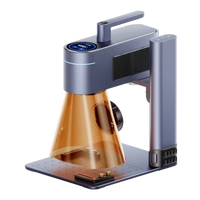
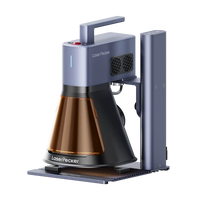
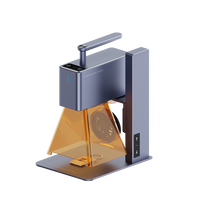
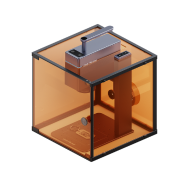
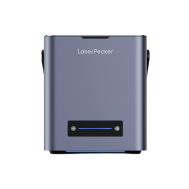
La gravure laser s'impose comme l'une des options les plus équilibrées : elle offre précision, durabilité et efficacité à un coût relativement accessible. Des machines telles que le LaserPecker LP4 utilisent une technologie de double laser, ce qui les rend adaptées à une large gamme de matériaux et d'applications.
Dans la section suivante, nous passerons en revue les étapes de création d'un paillasson personnalisé à l'aide d'un graveur ou d'un découpeur laser.
Partie 2 : Comment graver des motifs et du texte au laser sur des paillassons
La gravure laser offre un moyen rapide et extrêmement précis de créer des motifs durables de qualité professionnelle sur divers types de paillassons. Suivez les étapes ci-dessous pour obtenir des résultats nets et constants.
Préparation des outils et des matériaux
Avant de commencer, rassemblez les éléments suivants :
- Un graveur laser à diode
- Un logiciel de conception comme LightBurn ou LaserPecker Design Space
- Du ruban de masquage ou une feuille de protection
- Des paillassons plats en fibre de coco, caoutchouc, liège ou PVC
- Un purificateur d'air ou un extracteur de fumée
- Une brosse de nettoyage ou de l'air comprimé
Le choix d'un graveur laser polyvalent est important. Le graveur laser LP4 est un choix solide. En tant que machine à double laser, elle possède un laser à diode bleue de 10W (450 nm) et un laser infrarouge de 2W (1064 nm). Elle fonctionne parfaitement sur les matériaux souples, le caoutchouc ou le PVC enduit, créant des motifs uniformes sans traces de brûlure. Elle est simple à utiliser avec son écran tactile et peut graver sous différents angles, ce qui la rend idéale pour les débutants comme pour les professionnels.
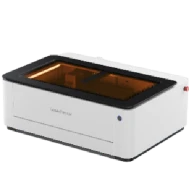
Sinon, vous pouvez opter pour le LaserPecker LX2. Avec des options de laser à diode puissantes de 20W/40W/60W, il est conçu pour découper des matériaux plus larges sans effort — ce qui en fait le choix ultime pour les projets de gravure de paillassons de grande taille.
Étapes pour créer des paillassons personnalisés avec un graveur laser
Étape 1 : Conception
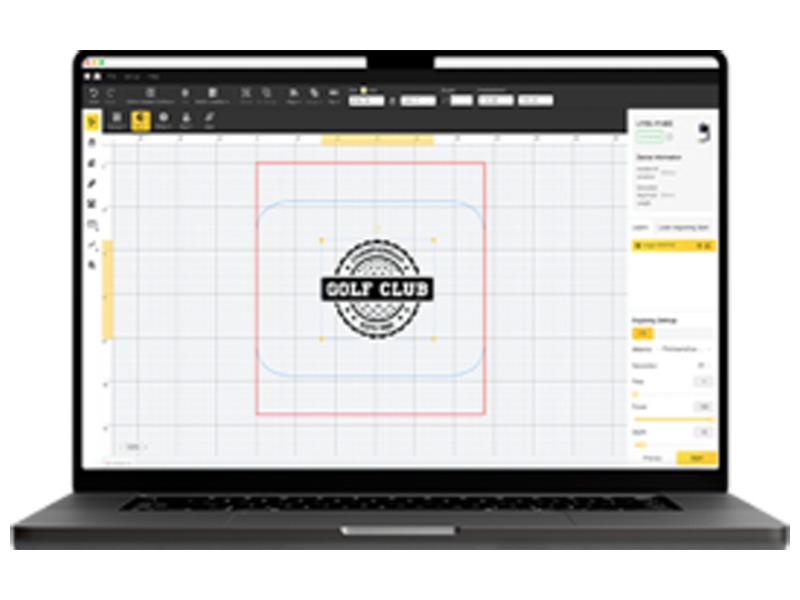
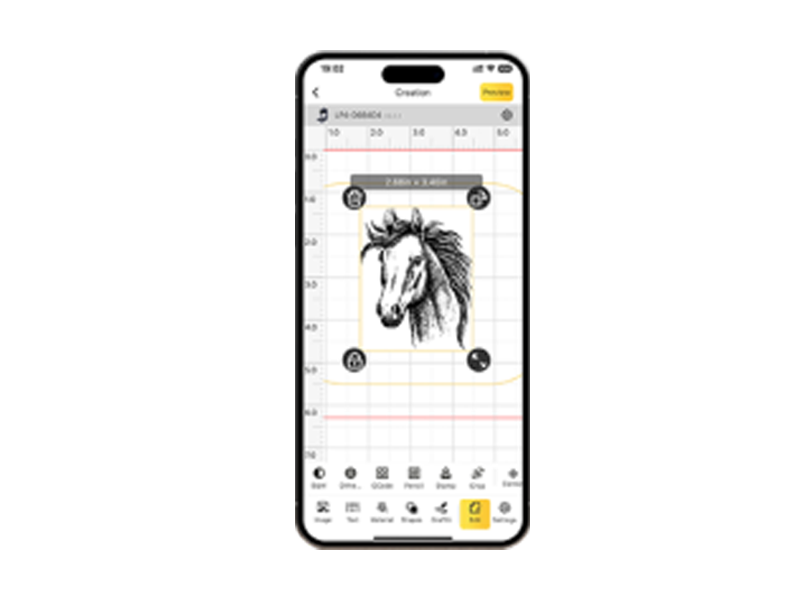
Commencez par créer votre motif à l'aide de LightBurn ou de LaserPecker Design Space. Privilégiez des graphismes gras et clairs — les lignes très fines risquent de ne pas bien s'imprimer en raison de la surface texturée de la plupart des tapis. Testez différentes polices et espacements pour garantir la lisibilité. Les motifs en noir et blanc offrent généralement les meilleurs résultats, et les mises en page centrées donnent une finition plus professionnelle.
Étape 2 : Préparation du paillasson
Nettoyez soigneusement la surface pour enlever la poussière et les débris, puis posez le paillasson bien à plat pour éviter toute distorsion. Fixez-le à l'aide de ruban adhésif ou de pinces pour empêcher tout mouvement pendant la gravure. Si le tapis a été roulé, aplatissez-le avec des poids au préalable. Vérifiez l'alignement dans votre logiciel pour vous assurer que le motif est correctement positionné.
Étape 3 : Réglages du laser
Différents matériaux réagissent différemment à la gravure laser. La fibre de coco et le liège nécessitent généralement une puissance faible à moyenne avec des vitesses plus lentes pour obtenir des résultats sombres sans brûler. Le caoutchouc et le PVC peuvent tolérer une puissance légèrement plus élevée. Effectuez toujours un petit test au préalable et notez vos réglages optimaux. Des machines comme la LP4 permettent des ajustements en temps réel, vous aidant à affiner les réglages sans redémarrer le travail.
Étape 4 : Gravure
Lancez la gravure et surveillez étroitement le processus. Les machines telles que la LP4 offrent une profondeur constante et des bords nets. Assurez une ventilation adéquate pour évacuer la fumée et éviter l'accumulation de résidus. Pour les tapis plus grands, envisagez de graver par sections pour maintenir la précision. Laissez le matériau refroidir avant de le manipuler.
Étape 5 : Touches finales
Une fois la gravure terminée, retirez les débris avec une brosse ou de l'air comprimé et essuyez la surface avec un chiffon sec. L'application d'une légère couche de scellant extérieur transparent peut renforcer le contraste et améliorer la durabilité face aux intempéries. Inspectez le résultat final sous un bon éclairage — si certaines zones paraissent trop claires, regravez-les en utilisant des fonctionnalités telles que la fonction « Engrave Again » de la LP4.
Partie 3 : Conseils pour la fabrication de paillassons
- Choisissez des matériaux résistants comme la fibre de coco, le caoutchouc ou le PVC. Ils résistent bien à l'extérieur et mettent bien en valeur les gravures.
- Privilégiez des designs épurés et audacieux. Les petits détails se perdent dans les matériaux rugueux.
- Assurez-vous que les surfaces sont propres et sèches avant de commencer la gravure pour obtenir des résultats uniformes.
- Si vous peignez ou imprimez sur le tapis, scellez-le avec du polyuréthane d'extérieur pour empêcher les couleurs de s'estomper.
- Utilisez des gabarits pour aligner parfaitement les logos ou les bordures.
- Si vous utilisez de la résine époxy, versez-la lentement et chauffez-la doucement pour éliminer les bulles.
- Ajoutez des noms ou des numéros de maison pour donner à votre tapis une touche personnelle et accueillante.
- Testez toujours vos réglages sur une chute de matériau au préalable pour obtenir la profondeur et l'aspect souhaités.
- Gardez votre tapis propre en le secouant ou en le brossant chaque semaine pour que les parties gravées restent bien nettes.
Avec la bonne combinaison de design, de réglages laser et de matériaux de qualité, vous pouvez créer des paillassons durables, esthétiques et uniques. Ils sont idéaux pour les maisons, les bureaux ou pour mettre en avant votre marque.
Partie 4 : FAQ sur la fabrication d'un paillasson personnalisé
Q1. Quels sont les meilleurs matériaux pour les paillassons gravés au laser ?
La fibre de coco, le liège et le caoutchouc figurent parmi les meilleurs choix. Ces matériaux réagissent bien à la chaleur et conservent des gravures claires et durables. La fibre de coco offre un aspect naturel et rustique, tandis que le caoutchouc permet une finition plus propre et moderne. Évitez les tissus fins, car ils peuvent brûler facilement. Pour la durabilité et le détail, un tapis en fibre de coco avec un envers en caoutchouc est souvent l'idéal.
Q2. Combien de temps dure un paillasson personnalisé gravé au laser ?
Avec des matériaux de qualité et un scellement approprié, un paillasson gravé au laser peut durer environ 3 à 5 ans, voire plus. Contrairement aux motifs imprimés, les gravures ne pèlent pas et ne s'effacent pas facilement. Bien que l'exposition extérieure puisse user la surface avec le temps, le motif gravé reste généralement visible. Un nettoyage régulier et un scellement occasionnel aident à prolonger sa durée de vie.
Q3. La gravure laser peut-elle être pratiquée en toute sécurité à la maison ?
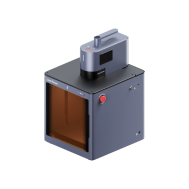
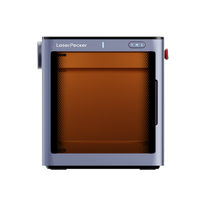
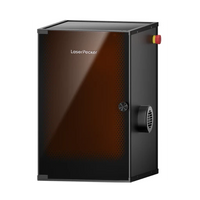
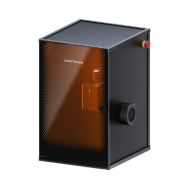
Oui, à condition de prendre les précautions appropriées. Les graveurs laser de bureau modernes, tels que le LP4, sont équipés de dispositifs de sécurité. Assurez une ventilation adéquate, ne laissez jamais la machine fonctionner sans surveillance et suivez toutes les consignes de sécurité. Les caissons de protection peuvent offrir une sécurité supplémentaire en limitant l'exposition à la lumière laser et aux fumées.
Q4. Quelles dimensions et épaisseurs de paillasson conviennent le mieux à la gravure ?
Les tailles de paillasson standard (telles que 40 × 60 cm ou 45 × 75 cm) sont idéales pour la plupart des graveurs laser. En termes d'épaisseur, les tapis entre 10 et 20 mm fonctionnent généralement mieux, car ils offrent une profondeur suffisante pour une gravure claire sans affecter la stabilité. Vérifiez toujours la zone de travail et la plage de mise au point de votre machine avant de commencer.
Conclusion
Les paillassons personnalisés allient fonctionnalité et expression personnelle, ce qui en fait un moyen efficace d'améliorer n'importe quelle entrée. Des motifs peints aux impressions, en passant par la gravure laser de précision, chaque méthode offre des avantages distincts selon vos besoins.
Parmi ces options, la gravure laser se distingue par sa précision, sa durabilité et son efficacité, en particulier avec l'utilisation de machines avancées à double laser comme le LP4. Avec le bon équipement, des idées créatives et une technique appropriée, vous pouvez produire des paillassons personnalisés qui restent esthétiques et robustes au fil du temps.