
















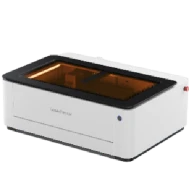
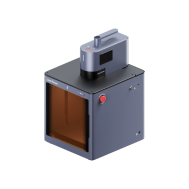



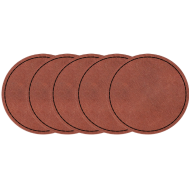
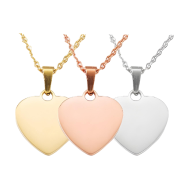









Les enseignes et la signalétique remplissent des fonctions essentielles dans les environnements commerciaux, industriels et publics. Elles fournissent des informations, facilitent l'orientation et renforcent l'identité de marque. Une signalétique de haute qualité doit allier lisibilité, durabilité structurelle et présentation visuelle professionnelle. La découpe laser est de plus en plus adoptée dans la production d'enseignes en raison de sa haute précision, de sa répétabilité et de sa compatibilité avec une large gamme de matériaux.
Ce guide présente les avantages techniques de la découpe laser pour la fabrication d'enseignes, la compare aux autres processus de découpe, passe en revue les matériaux adaptés et fournit un aperçu structuré, étape par étape, du flux de production.

Dans cet article :
- Partie 1 : Pourquoi la découpe laser est largement utilisée pour la signalétique
- Partie 2 : Pourquoi la découpe laser surpasse les autres méthodes
- Partie 3 : Choisir les bons matériaux pour les enseignes découpées au laser
- Partie 4 : Guide étape par étape pour découper des enseignes au laser
- Partie 5 : Applications des enseignes découpées au laser
- Partie 6 : FAQ sur les enseignes découpées au laser
Partie 1 : Pourquoi la découpe laser est largement utilisée pour la signalétique
La découpe laser est de plus en plus reconnue comme une technologie privilégiée dans la production d'enseignes en raison de sa haute précision, de son efficacité opérationnelle et de sa compatibilité avec des designs complexes. Les processus de découpe conventionnels, en particulier la fabrication manuelle, peuvent entraîner des bords irréguliers et nécessiter des finitions supplémentaires pour répondre aux normes professionnelles.
En comparaison, la découpe laser produit des bords précis et lisses avec un post-traitement minimal. Comme le processus est contrôlé numériquement, chaque enseigne peut être reproduite avec une précision dimensionnelle constante. Ceci est particulièrement important dans les environnements commerciaux et industriels où l'uniformité de la marque et la répétabilité sont essentielles.
Les systèmes laser sont adaptés aussi bien à la fabrication d'enseignes individuelles qu'à la production en série. De la petite signalétique de vente au détail aux installations événementielles ou d'entreprise à grande échelle, la découpe laser permet une production évolutive tout en maintenant une qualité et une intégrité structurelle constantes.

Partie 2 : Pourquoi la découpe laser surpasse les autres méthodes
La fabrication d'enseignes peut être réalisée par divers processus, notamment la découpe manuelle, le fraisage CNC, le découpage à l'emporte-pièce et la découpe au jet d'eau. Bien que ces technologies restent pertinentes, elles peuvent impliquer une usure plus importante des outils, des temps de préparation plus longs ou des restrictions de compatibilité des matériaux.
La découpe laser fonctionne sans contact mécanique, éliminant l'usure des lames et réduisant les besoins de maintenance. Ce processus sans contact améliore la répétabilité et permet une découpe et une gravure extrêmement détaillées. Par rapport aux méthodes mécaniques traditionnelles, les systèmes laser offrent une précision accrue, des bords plus propres et une plus grande flexibilité de production.
Aperçu produit - Découpe laser d'enseignes
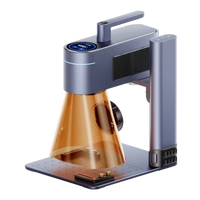
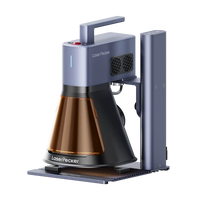
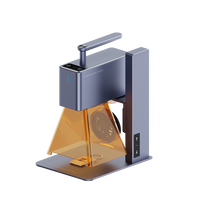
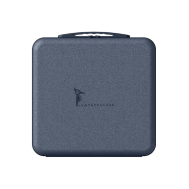
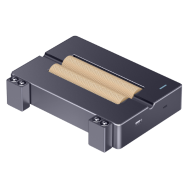
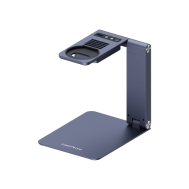
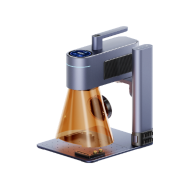
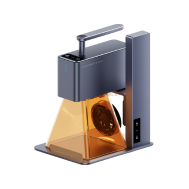
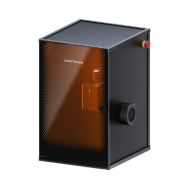
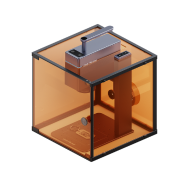
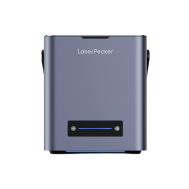
Un exemple contemporain de cette technologie est le LaserPecker LP5, un système à double source intégrant un laser à fibre de 20W et un laser à diode de 20W sur une seule plateforme. Cette configuration permet à la fois le traitement des métaux et la découpe de matériaux non métalliques sans changement d'équipement, améliorant ainsi l'efficacité du flux de travail dans les environnements professionnels.
Caractéristique 1 : Précision et vitesse
La précision est un facteur critique dans la production d'enseignes professionnelles. Des systèmes tels que le LP5 offrent une précision de gravure allant jusqu'à 0,0027 mm, garantissant que les petits textes, les logos et les éléments de design complexes restent nets et lisibles. C'est d'autant plus important pour l'image de marque où la clarté et la cohérence sont primordiales.
La vitesse joue également un rôle clé dans les flux de travail commerciaux. Avec des vitesses de gravure allant jusqu'à 10 000 mm/s, les projets peuvent être achevés efficacement. Ceci est particulièrement bénéfique pour les entreprises opérant avec des délais serrés, comme les détaillants préparant des présentoirs promotionnels ou les organisateurs d'événements nécessitant de nombreuses enseignes.
Caractéristique 2 : Polyvalence des matériaux
Une configuration à double laser élargit considérablement la compatibilité des matériaux :
- Laser à fibre : capable de découper de fines tôles métalliques telles que l'acier inoxydable, le laiton, l'aluminium et le titane jusqu'à environ 1 mm d'épaisseur. Cela le rend adapté à la signalétique extérieure durable et aux plaques d'identification.
- Laser à diode : efficace pour découper et graver des matériaux tels que le bois, l'acrylique et certains plastiques. Il peut traiter le bois jusqu'à 20 mm d'épaisseur et l'acrylique jusqu'à 15 mm d'épaisseur tout en produisant des bords lisses nécessitant un minimum de finition.
Le fait de disposer des deux sources laser au sein d'un même système permet aux fabricants d'enseignes de combiner les matériaux plus facilement. Par exemple, un lettrage en acrylique peut être associé à une plaque nominative en métal et monté sur un support en bois, le tout produit avec la même machine.
Caractéristique 3 : Flux de travail efficace
Les systèmes modernes à double laser sont conçus pour soutenir une production efficace. Des fonctions telles que les modes de prévisualisation permettent aux utilisateurs de confirmer le positionnement avant la découpe, réduisant ainsi le risque d'erreurs.
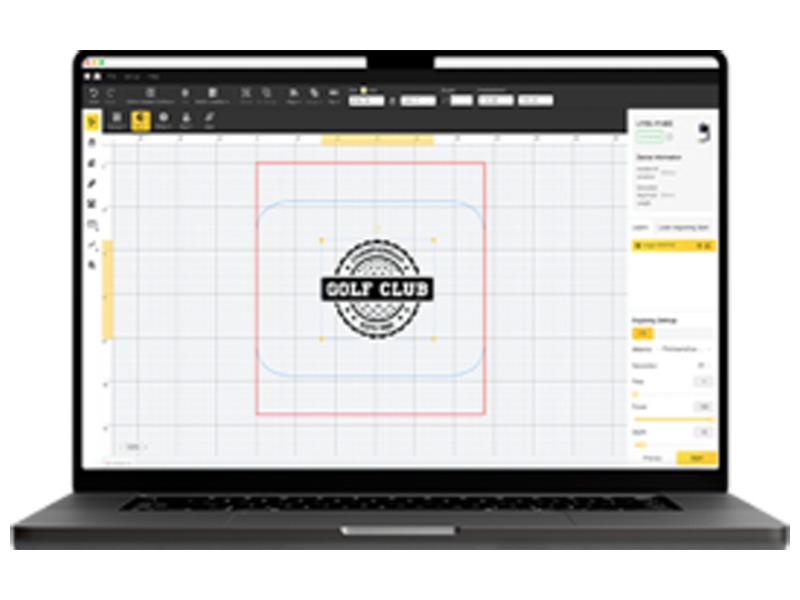
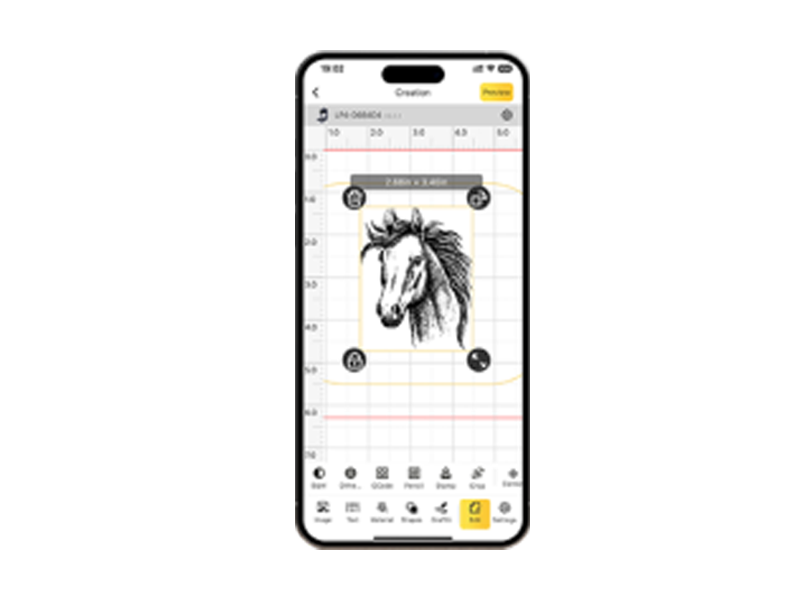
La compatibilité avec les logiciels de conception tels que LightBurn, ainsi que le contrôle via une application mobile, simplifie les ajustements de paramètres et la gestion de projet.
Les dimensions compactes (environ 6 kg) rendent ces machines adaptées aux petits ateliers, aux studios ou aux entreprises disposant d'un espace de travail limité. La portabilité peut également être avantageuse pour les concepteurs travaillant sur différents sites.
En combinant précision, vitesse et flexibilité des matériaux, les systèmes à double laser offrent une solution hautement adaptable pour la signalétique moderne, des pièces personnalisées uniques aux commandes commerciales plus importantes.
Partie 3 : Choisir les bons matériaux pour les enseignes découpées au laser
Le choix des matériaux joue un rôle essentiel dans la détermination des performances structurelles, de la qualité visuelle et de la durée de vie d'une enseigne découpée au laser. Des facteurs tels que l'environnement d'installation, les exigences de durabilité et les objectifs de conception doivent être pris en compte lors du processus de sélection.
Acrylique
L'acrylique est disponible dans une large gamme de couleurs, de finitions et de niveaux de transparence. Il est léger, résistant aux intempéries et particulièrement adapté aux enseignes lumineuses ou rétroéclairées. Lorsqu'il est découpé au laser, l'acrylique produit des bords lisses et polis qui ne nécessitent généralement que peu ou pas de finition supplémentaire. Cela en fait un choix populaire pour les présentoirs de vente au détail, la signalétique de bureau et les applications de branding contemporaines.
Bois
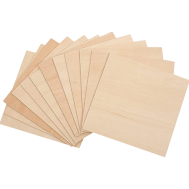
Les matériaux en bois tels que le contreplaqué, le MDF et le bois massif sont idéaux pour les enseignes qui exigent une esthétique naturelle ou rustique. Ils se découpent proprement au laser et peuvent également être gravés pour ajouter des détails décoratifs, des textures ou des éléments de marque. Le bois est couramment utilisé pour la signalétique intérieure, les établissements hôteliers et les enseignes murales décoratives.

Métal
Les métaux tels que l'acier inoxydable, l'aluminium et le laiton offrent une grande robustesse et un aspect moderne et professionnel. Les tôles fines peuvent être découpées au laser avec une grande précision, ce qui les rend adaptées au lettrage détaillé et à la signalétique extérieure durable. Les enseignes métalliques sont souvent choisies pour les environnements d'entreprise, les milieux industriels et les installations extérieures en raison de leur longévité et de leur résistance aux intempéries.
Plastique et composites
Divers plastiques et matériaux composites constituent une alternative rentable et légère au métal ou au verre. Beaucoup de ces matériaux peuvent reproduire l'apparence de finitions plus coûteuses tout en restant plus faciles et moins onéreux à produire. Ils conviennent aux applications de signalétique temporaires et semi-permanentes.
Papier cartonné et carton
Le papier cartonné et le carton sont les mieux adaptés à la signalétique de courte durée, comme les présentoirs d'événements, le matériel promotionnel ou les conceptions de prototypes. Ils sont peu coûteux, faciles à découper et idéaux pour tester les mises en page avant de s'engager sur des matériaux plus durables.
En fin de compte, le choix du matériau doit être basé sur le lieu d'installation, la durée de vie prévue, l'exposition environnementale et l'impact visuel recherché pour l'enseigne.
Partie 4 : Guide étape par étape pour découper des enseignes au laser
Bien que la découpe laser implique un équipement technique, le processus de production peut être géré efficacement en suivant une séquence d'étapes systématique. Une préparation adéquate et le contrôle des paramètres sont essentiels pour obtenir des résultats constants et de haute qualité.
Étape 1 : Définir l'objectif
Commencez par identifier la fonction de l'enseigne. Est-elle destinée au branding, à un usage décoratif, à l'orientation (wayfinding) ou à un événement temporaire ? L'utilisation prévue influencera le choix du matériau, la taille et le niveau de durabilité requis.
Étape 2 : Créer le design
Préparez votre visuel en utilisant des formats de fichiers vectoriels tels que SVG ou DXF pour les tracés de découpe. Les images matricielles (raster) peuvent être utilisées pour les éléments de gravure. Assurez-vous que le design est propre, correctement mis à l'échelle et adapté au redimensionnement sans perte de clarté.
Étape 3 : Préparer le matériau
Sélectionnez le matériau approprié en fonction de l'application. Avant de le placer dans la machine, nettoyez la surface pour éliminer la poussière, la graisse ou les résidus de protection qui pourraient affecter la qualité de la découpe.
Étape 4 : Configurer les réglages du laser
Ajustez la puissance, la vitesse, la fréquence (si applicable) et la mise au point selon le type et l'épaisseur du matériau. Il est recommandé d'effectuer de petites coupes ou gravures de test pour confirmer les réglages optimaux avant de lancer le travail final.
Étape 5 : Fixer et aligner le matériau
Positionnez fermement le matériau sur le lit du laser pour éviter tout mouvement pendant l'opération. Utilisez la fonction de prévisualisation ou de cadrage (framing) pour vérifier l'alignement et le placement corrects.
Étape 6 : Commencer la découpe ou la gravure
Lancez le processus de découpe et observez les premières passes pour vous assurer que les bords se forment proprement. Maintenez une ventilation adéquate ou une assistance pneumatique pendant l'opération pour améliorer la qualité de la coupe et garantir des conditions de travail sûres.
Étape 7 : Post-traitement et finitions
Une fois l'opération terminée, retirez les éventuels films protecteurs et nettoyez la surface. Selon le matériau, vous pouvez poncer légèrement les bords, appliquer de la peinture ou ajouter des traitements de surface pour améliorer l'apparence et la durabilité.
Étape 8 : Assemblage et installation
Si l'enseigne se compose de plusieurs couches, assemblez-les à l'aide d'adhésifs ou de fixations appropriés. Ajoutez le matériel de montage nécessaire et effectuez une inspection finale pour garantir la stabilité structurelle et la qualité visuelle.

Partie 5 : Applications des enseignes découpées au laser
Les enseignes découpées au laser sont utilisées dans de nombreux secteurs en raison de leur précision, de leur durabilité et de leur adaptabilité en termes de design. Au-delà de l'identification et de la navigation, elles contribuent à l'esthétique architecturale et à la présentation de la marque. Leur compatibilité avec divers matériaux les rend adaptées aux applications intérieures et extérieures.
Voici un aperçu de la manière dont différents secteurs appliquent couramment les enseignes découpées au laser :
Secteurs d'application pour les enseignes découpées au laser
| Secteur d'application | Exemples typiques |
|---|---|
| Commerce de détail | Logos de magasin, vitrines, signalétique promotionnelle |
| Entreprise | Signalétique de réception, plaques nominatives de société, panneaux directionnels |
| Événementiel | Signalétique de mariage, présentoirs d'exposition, branding d'événement personnalisé |
| Hôtellerie et Restauration | Menus, éléments muraux décoratifs, enseignes lumineuses |
| Espaces publics | Panneaux de sécurité, systèmes d'orientation, identification des accès |
| Éducation | Étiquettes de salle de classe, panneaux de laboratoire, plans de campus |
| Art et Design | Installations, panneaux décoratifs, pièces d'art sur mesure |
| Usage promotionnel | Porte-clés logotés, plaques, plaques de bureau nominatives |
La signalétique découpée au laser offre à la fois une fiabilité technique et une flexibilité créative, ce qui la rend adaptée aux applications commerciales, institutionnelles et artistiques dans divers environnements.
Partie 6 : FAQ sur les enseignes découpées au laser
Q1. Les découpeurs laser peuvent-ils traiter n'importe quel type de matériau ?
Les systèmes laser prennent en charge une large gamme de matériaux ; cependant, tous ne sont pas adaptés. Le bois, l'acrylique, les plastiques techniques et les fines tôles métalliques sont couramment traités. Certains matériaux, comme le PVC, ne doivent pas être utilisés en raison du dégagement de gaz nocifs pendant la coupe. Une sélection appropriée des matériaux et le respect des normes de sécurité sont essentiels.
Q2. Quel niveau de précision peut-on obtenir avec les enseignes découpées au laser ?
Les systèmes laser modernes offrent une grande précision de positionnement, permettant la reproduction fidèle de détails fins, de petits textes et de géométries complexes. La cohérence dimensionnelle sur des séries de production répétées garantit une image de marque uniforme et une présentation professionnelle.
Q3. Les enseignes découpées au laser sont-elles durables pour une installation en extérieur ?
La durabilité dépend principalement du choix du matériau. Les métaux tels que l'acier inoxydable et l'aluminium offrent une forte résistance à l'exposition environnementale. L'acrylique se comporte également bien à l'extérieur. Le bois peut nécessiter des revêtements protecteurs ou un scellement pour garantir une stabilité à long terme dans des conditions externes.
Q4. La découpe laser est-elle une méthode économique pour la production d'enseignes ?
Bien que l'investissement en équipement puisse être important au départ, la découpe laser réduit l'intensité de la main-d'œuvre, minimise le gaspillage de matériaux et améliore la vitesse de production. Pour une production de volume moyen à élevé, elle est généralement considérée comme une méthode de fabrication rentable.
Q5. Quelles sont les principales différences entre les lasers à fibre et à diode pour la signalétique ?
Les lasers à fibre sont principalement utilisés pour le traitement des métaux, offrant une précision et une durabilité élevées. Les lasers à diode sont généralement appliqués aux matériaux organiques tels que le bois et l'acrylique. Les systèmes à double source combinent ces deux capacités au sein d'une seule plateforme.
Q6. Les enseignes découpées au laser peuvent-elles être personnalisées pour de petites séries de production ?
Oui. Les systèmes laser sont bien adaptés aussi bien aux projets personnalisés à l'unité qu'aux petites séries de production. Le flux de travail numérique permet une modification rapide de la conception sans coûts d'outillage supplémentaires.
Q7. Quelles sont les consignes de sécurité pour la découpe laser en intérieur ?
Une ventilation adéquate et l'extraction des fumées sont essentielles, en particulier lors du traitement de plastiques ou de matériaux revêtus. Les opérateurs doivent suivre les réglementations de sécurité de l'UE concernant la classification des lasers, les enceintes de protection et la filtration de l'air pour maintenir un environnement de travail sûr.
Conclusion
La découpe laser offre une solution précise, efficace et polyvalente pour la fabrication moderne d'enseignes. Avec des bords nets, des résultats constants et une compatibilité avec divers matériaux, elle surpasse de nombreuses méthodes de découpe traditionnelles. En choisissant les bons matériaux et en suivant des flux de travail appropriés, les débutants comme les professionnels peuvent créer des enseignes de haute qualité pour le branding, la décoration et l'usage commercial.