
















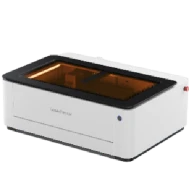
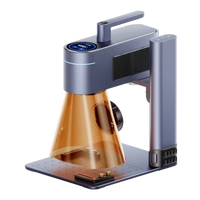












La gravure sur caoutchouc est un artisanat flexible et créatif qui allie fonctionnalité et design, ce qui la rend idéale pour la création de tampons personnalisés, d'éléments décoratifs, de signalisation sur mesure et d'articles de cadeau distinctifs. Que vous travailliez sur un petit projet DIY ou que vous produisiez des produits en caoutchouc gravés pour une entreprise au sein de l'UE, maîtriser la gravure sur caoutchouc ouvre un large éventail de possibilités de conception.
L'un des points forts de la gravure sur caoutchouc est qu'il n'existe pas de solution unique. Différentes techniques de gravure offrent différents avantages, en fonction des outils dont vous disposez, de votre budget et du type de finition ou de détail dont vous avez besoin.
Dans ce guide, nous présenterons quatre méthodes pratiques pour graver le caoutchouc, allant des solutions précises basées sur des machines aux techniques plus manuelles et axées sur l'artisanat. Cet aperçu aidera les amateurs et les professionnels de l'UE à choisir l'approche de gravure qui correspond le mieux à leurs besoins.

Dans cet article :
- Méthode 1 : Graver le caoutchouc avec une machine de gravure laser
- Méthode 2 : Graver le caoutchouc avec un outil de sculpture à la main
- Méthode 3 : Graver le caoutchouc avec une machine CNC
- Méthode 4 : Graver le caoutchouc avec une Cricut Maker
Méthode 1 : Graver le caoutchouc avec une machine de gravure laser
La gravure laser est l'une des méthodes les plus efficaces et les plus précises pour graver le caoutchouc, largement utilisée dans toute l'UE pour des applications créatives et commerciales. Le processus utilise un faisceau laser focalisé pour vaporiser la surface du caoutchouc le long du tracé du motif, produisant des résultats propres et constants. Cela rend la gravure laser particulièrement adaptée aux tampons en caoutchouc personnalisés, aux motifs détaillés et à la signalisation professionnelle.
Outils et matériaux nécessaires
- Une machine de gravure laser compatible avec les matériaux en caoutchouc
- Des feuilles de caoutchouc compatibles laser (à faible odeur, conçues spécifiquement pour la gravure)
- Un logiciel de conception (ex : LDS, LightBurn, RDWorks, CorelDRAW)
- Du ruban de masquage (optionnel, pour réduire les résidus)
Étapes pour graver le caoutchouc avec un graveur laser
Étape 1 : Préparez votre design
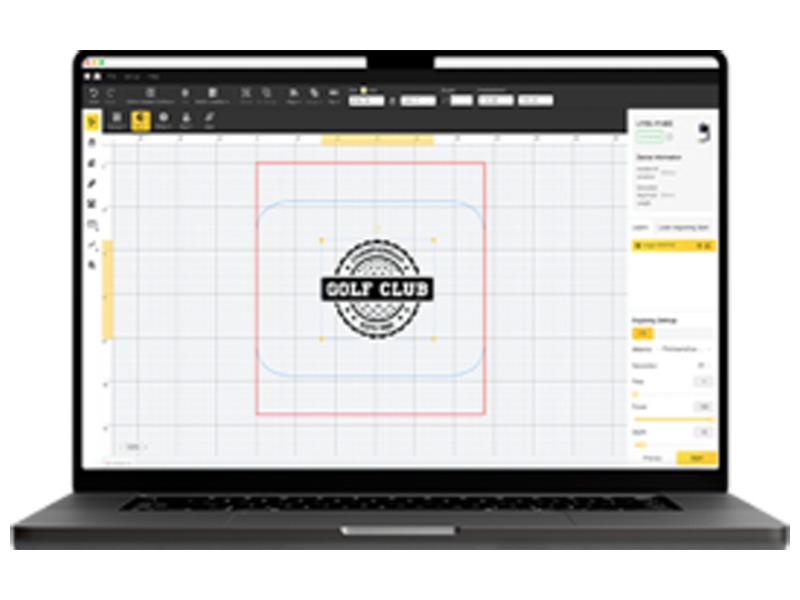
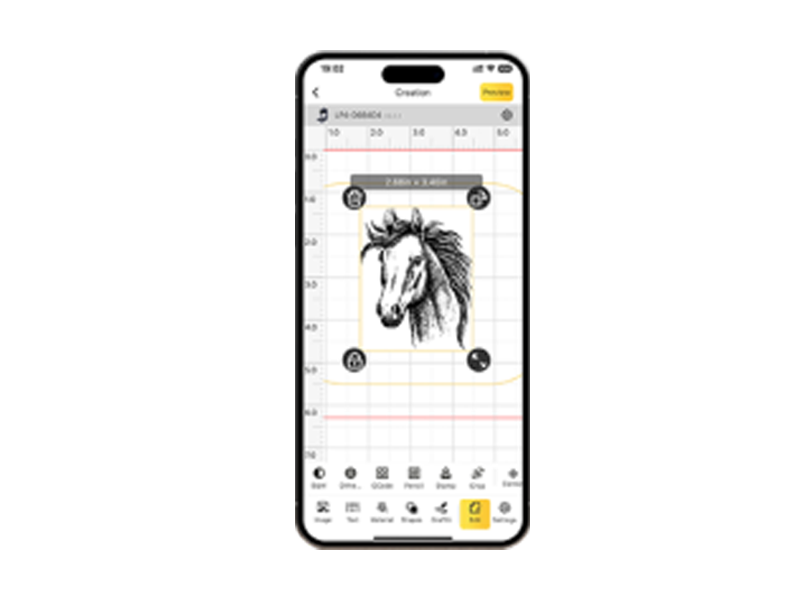
Créez ou importez votre design dans le logiciel laser. Ajustez l'œuvre pour obtenir un contraste élevé afin de garantir des résultats de gravure clairs et nets.
Étape 2 : Choisissez un graveur laser adapté
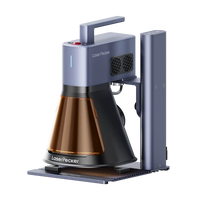
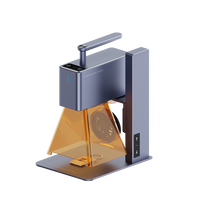
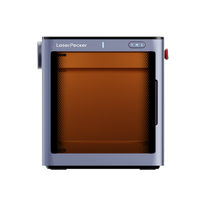
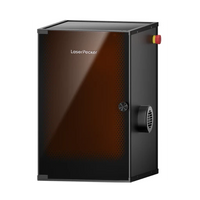
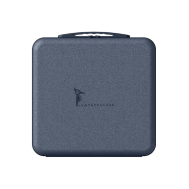
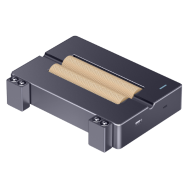
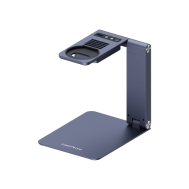
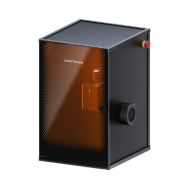
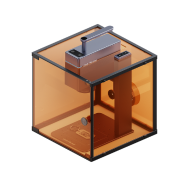
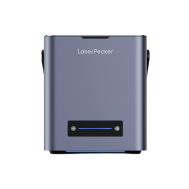
Pour graver du caoutchouc à la maison ou dans un petit atelier, un graveur laser de bureau compact est souvent le choix le plus pratique. Les modèles comme le LaserPecker LP5 sont parfaitement adaptés à la gravure sur caoutchouc, offrant une puissance stable, un contrôle fin de la puissance et de la profondeur, ainsi que des résultats constants pour le texte et les graphismes détaillés. Sa conception compacte le rend également idéal pour les studios à domicile et les petits ateliers à travers l'UE.
Étape 3 : Installez le matériau en caoutchouc
Posez la feuille de caoutchouc à plat sur le lit du laser et fixez-la si nécessaire pour éviter tout mouvement et réduire les marques.
Étape 4 : Ajustez les paramètres du laser
Pour la gravure sur caoutchouc avec le LP5, un réglage de référence typique est d'environ 50 % de puissance, 70 % de profondeur et une seule passe. Des ajustements peuvent être nécessaires en fonction de la dureté du caoutchouc, de son épaisseur et de son revêtement de surface.
Étape 5 : Lancez la gravure
Commencez le processus de gravure et surveillez-le de près pour garantir des coupes nettes et un fonctionnement sûr.
Étape 6 : Nettoyage et finition
Lavez délicatement le caoutchouc gravé avec de l'eau et un savon doux pour éliminer les résidus. Retirez tout ruban de masquage et inspectez la profondeur et la clarté de la gravure.
Avantages et limites de la gravure laser sur caoutchouc
Avantages :
- Résultats extrêmement précis et reproductibles.
- Peut gérer des designs complexes et détaillés.
- Vitesse de production rapide pour les commandes groupées.
Limites :
- Nécessite l'accès à une machine laser (coût initial plus élevé).
Méthode 2 : Graver le caoutchouc avec un outil de sculpture à la main
La sculpture à la main est une méthode classique et abordable pour graver le caoutchouc, largement utilisée par les amateurs de DIY et les artistes à travers l'UE. Cette technique consiste à couper manuellement la surface du caoutchouc avec des outils de sculpture plutôt que d'utiliser des machines électriques. Elle convient parfaitement aux tampons en caoutchouc faits à la main, aux motifs décoratifs et aux projets artistiques où la flexibilité et la liberté créative sont des priorités clés.
Bien que la sculpture à la main offre un contrôle total sur l'aspect final, elle exige également du temps, de la patience et un certain niveau de compétence pour produire des résultats propres et constants.
Outils et matériaux nécessaires
- Bloc de caoutchouc à sculpter
- Outils de sculpture (ex : gouges Speedball, couteau X-Acto)
- Crayon ou marqueur permanent (pour esquisser le motif)
- Papier calque
- Tapis de découpe
Étapes pour graver le caoutchouc avec un outil de sculpture manuelle
Étape 1 : Préparez votre design
Dessinez votre motif directement sur le caoutchouc à l'aide d'un crayon ou d'un marqueur. Vous pouvez également utiliser du papier calque pour transférer un dessin.
Étape 2 : Fixez le bloc de caoutchouc
Placez-le sur un tapis de découpe pour éviter qu'il ne glisse. Vous pouvez scotcher les bords pour plus de stabilité.
Étape 3 : Sculptez les contours
Utilisez une pointe fine pour tracer d'abord les contours. Allez-y lentement pour maintenir la précision.
Étape 4 : Retirez l'excédent de matériau
Passez à une lame de sculpture plus large pour retirer les sections plus importantes. Sculptez les zones d'arrière-plan, en laissant les parties en relief comme motif.
Étape 5 : Inspectez et nettoyez
Brossez les copeaux de caoutchouc. Testez votre gravure avec de l'encre (si vous fabriquez un tampon) pour vérifier les détails.
Avantages et limites de la sculpture manuelle sur caoutchouc
Avantages :
- Coût très bas — pas besoin de machines coûteuses.
- Contrôle créatif total sur la profondeur et le style.
Limites :
- Prend beaucoup de temps, surtout pour les motifs larges ou complexes.
- Nécessite une main sûre et de la pratique pour atteindre la précision.
- Résultats irréguliers si le niveau de compétence est faible.
Méthode 3 : Graver le caoutchouc avec une machine CNC
L'utilisation d'une machine CNC (commande numérique par ordinateur) pour graver le caoutchouc offre une solution précise et automatisée pour les utilisateurs de l'UE qui ont besoin de résultats constants et reproductibles. Le système CNC suit une conception numérique pour découper le caoutchouc avec précision, ce qui rend cette méthode adaptée à la production de masse, aux motifs répétés ou aux tampons en caoutchouc personnalisés produits en plus grandes quantités.
Bien que la gravure CNC soit moins courante pour le caoutchouc que pour des matériaux comme le bois ou le métal, elle reste une option fiable pour les applications industrielles et le marquage professionnel du caoutchouc où la précision et la cohérence sont critiques.
Outils et matériaux nécessaires
- Fraiseuse ou machine de gravure CNC
- Feuille ou bloc de caoutchouc
- Fraise de découpe appropriée
- Logiciel de conception (logiciel CAO/FAO comme Fusion 360, VCarve ou Easel)
- Tapis de découpe ou brides de serrage (pour fixer le caoutchouc)
Étapes pour graver le caoutchouc avec une machine CNC
Étape 1 : Créez ou importez votre design
Utilisez un logiciel de CAO pour créer un dessin vectoriel ou importez un fichier existant (DXF, SVG).
Étape 2 : Fixez le matériau en caoutchouc
Placez la feuille de caoutchouc sur le plateau de la CNC et fixez-la à l'aide de brides ou de ruban adhésif double face pour éviter tout déplacement.
Étape 3 : Configurez la machine CNC
Installez la fraise de découpe adaptée aux détails fins. Ajustez la vitesse de la broche — le caoutchouc nécessite des vitesses plus basses pour éviter de fondre ou de se déchirer.
Étape 4 : Effectuez une passe de test
Réalisez une coupe d'essai peu profonde sur une chute de caoutchouc pour vérifier la profondeur et la précision.
Étape 5 : Lancez le processus de gravure
Laissez la CNC fonctionner selon la trajectoire programmée. Surveillez le processus pour vous assurer qu'il n'y a pas de déformation ou de déplacement du matériau.
Étape 6 : Finition
Retirez le caoutchouc du plateau de la CNC. Nettoyez les copeaux ou les bavures.
Avantages et limites de la gravure CNC sur caoutchouc
Avantages :
- Résultats très cohérents et reproductibles pour la production en série
- Idéal pour créer des tampons identiques ou des marquages industriels
- Convient aux entreprises exigeant une précision et une qualité uniforme
Limites :
- Nécessite une expérience en CNC, des connaissances en logiciels et un temps de configuration
- Plus lent et plus complexe que la gravure laser pour des designs simples
Méthode 4 : Graver le caoutchouc avec une Cricut Maker
La Cricut Maker est une machine de découpe polyvalente couramment utilisée dans toute l'UE pour des projets DIY impliquant des matériaux tels que le vinyle, le papier, le tissu et les plastiques fins. Bien qu'elle ne soit pas conçue pour la gravure profonde du caoutchouc, elle peut découper ou graver légèrement des feuilles de caoutchouc minces lorsqu'elle est utilisée avec les outils et réglages appropriés. Cela la rend adaptée à la production de tampons personnalisés, de pochoirs ou de composants décoratifs en caoutchouc pour des projets à petite échelle.
Cette méthode convient mieux aux amateurs et aux utilisateurs créatifs qu'aux applications industrielles ou commerciales de gravure sur caoutchouc.
Outils et matériaux nécessaires
- Cricut Maker
- Pointe de gravure ou lame de découpe profonde
- Feuille de caoutchouc mince (0,8–2 mm recommandé pour de meilleurs résultats)
- Tapis de découpe StrongGrip (tapis violet)
- Logiciel de conception (Cricut Design Space)
- Ruban de masquage (optionnel, pour une tenue supplémentaire)
Étapes pour graver le caoutchouc avec une Cricut Maker
Étape 1 : Concevez votre œuvre
Ouvrez le Cricut Design Space et créez ou importez votre design.
Étape 2 : Préparez la feuille de caoutchouc
Placez la feuille de caoutchouc sur le tapis StrongGrip. Utilisez du ruban de masquage le long des bords pour la fixer fermement afin qu'elle ne bouge pas.
Étape 3 : Installez l'outil approprié
Pour le marquage de surface : utilisez la pointe de gravure Cricut. Pour découper des formes : utilisez la lame à pointe profonde.
Étape 4 : Ajustez les réglages de la machine
Choisissez une pression de coupe faible pour la gravure et une pression moyenne pour la découpe. Effectuez une petite passe de test pour vous assurer que l'outil ne déchire pas le matériau.
Étape 5 : Gravez ou découpez
Lancez le processus Cricut. Surveillez la progression pour vous assurer que le caoutchouc reste plat et bien fixé.
Étape 6 : Touches finales
Retirez délicatement le caoutchouc du tapis pour éviter de l'étirer. Nettoyez tout résidu avec un chiffon doux.
Avantages et limites de la gravure sur caoutchouc avec une Cricut Maker
Avantages :
- Solution accessible et facile à utiliser pour le DIY et les projets créatifs
- Pas besoin de machines de gravure spécialisées
- Idéal pour les feuilles de caoutchouc minces, les pochoirs et les designs de tampons légers
Limites :
- Profondeur de gravure limitée par rapport aux méthodes laser ou CNC
- Ne convient pas au caoutchouc épais ou à la production de gros volumes
Questions fréquentes sur la gravure du caoutchouc
Q1. Quel est le moyen le plus efficace de graver le caoutchouc dans l'UE ?
La gravure laser est considérée comme l'une des méthodes les plus efficaces et précises pour graver le caoutchouc, en particulier pour les motifs répétés, les tampons et les applications professionnelles.
Q2. Les débutants peuvent-ils graver le caoutchouc sans machines professionnelles ?
Oui, les débutants peuvent graver le caoutchouc en utilisant des outils de sculpture à la main ou des machines de loisirs créatifs comme la Cricut Maker. Ces méthodes sont abordables et adaptées à l'apprentissage des techniques de base.
Q3. La gravure CNC du caoutchouc est-elle utilisée dans des applications commerciales ?
La gravure CNC est couramment utilisée dans les contextes commerciaux et industriels pour le marquage du caoutchouc et la production de tampons, en particulier lorsqu'une qualité constante et la répétabilité sont requises.
Q4. Quel type de caoutchouc est le meilleur pour la gravure ?
Il est recommandé d'utiliser du caoutchouc compatible laser spécifiquement conçu pour la gravure. Ces matériaux produisent des résultats plus nets et dégagent moins d'odeurs que le caoutchouc standard.
Q5. Y a-t-il des considérations de sécurité lors de la gravure du caoutchouc en intérieur ?
Oui, une ventilation adéquate et l'extraction de la poussière ou des fumées sont importantes, surtout lors de l'utilisation de machines laser ou CNC. Suivez toujours les consignes de sécurité locales et les recommandations relatives aux matériaux.
Q6. Quelle méthode de gravure est la meilleure pour la production à petite échelle dans l'UE ?
Pour la production à petite échelle, la gravure laser offre le meilleur équilibre entre vitesse, précision et répétabilité. La gravure CNC est également adaptée lorsque des gravures plus profondes ou plus durables sont nécessaires.
Conclusion :
La gravure sur caoutchouc offre un large éventail de possibilités, des méthodes basées sur des machines de haute précision aux approches plus manuelles et créatives. Pour les utilisateurs de l'UE qui ont besoin de résultats rapides, précis et reproductibles, la gravure laser et les machines CNC fournissent des solutions fiables pour les applications professionnelles et commerciales.
Pour des projets à plus petite échelle ou plus personnalisés, les outils de sculpture à la main et la Cricut Maker constituent des alternatives pratiques et abordables. Ces options sont particulièrement adaptées aux utilisateurs DIY, aux artistes et aux petites entreprises créatives qui privilégient la flexibilité et la personnalisation par rapport à la vitesse.
Avec la bonne technique et une compréhension claire des besoins de votre projet, la gravure sur caoutchouc peut être à la fois pratique et gratifiante. Maintenant que vous connaissez les principales méthodes de gravure, vous êtes prêt à choisir celle qui vous convient le mieux et à commencer à produire vos propres créations personnalisées en caoutchouc.