




























Les stylos gravés sont bien plus que de simples outils d'écriture quotidiens — ce sont des objets personnels et significatifs, souvent choisis comme cadeaux, souvenirs ou produits promotionnels à travers l'Europe. Que vous prévoyiez de personnaliser un stylo en métal avec des initiales, de graver un logo sur un corps en bois ou de concevoir une pièce personnalisée unique, il est essentiel de choisir la bonne méthode de gravure.
Dans ce guide, nous présenterons quatre méthodes efficaces pour graver des stylos, allant des solutions modernes comme les machines laser et CNC aux approches pratiques et manuelles telles que la gravure rotative et la gravure à la main. Cet aperçu aidera les amateurs et les professionnels de l'UE à choisir la méthode la plus appropriée en fonction de leurs matériaux, de leur expérience et des exigences de leur projet.

Dans cet article :
- Méthode 1 : Graver un stylo avec une machine de gravure laser
- Méthode 2 : Graver un stylo avec un outil rotatif
- Méthode 3 : Graver un stylo via la gravure à la main
- Méthode 4 : Graver un stylo avec une petite machine CNC
- FAQ : Questions brûlantes sur la gravure de stylos
Méthode 1 : Graver un stylo avec une machine de gravure laser
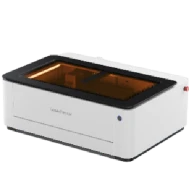
La gravure laser est l'une des méthodes les plus précises et les plus utilisées pour la personnalisation de stylos dans toute l'UE. En utilisant l'énergie concentrée du laser pour entamer la surface, elle permet une gravure propre et fidèle des noms, logos et motifs détaillés sur des stylos en métal, bois, acrylique ou plastique revêtu.
Ce dont vous aurez besoin pour la gravure laser d'un stylo :
- Une machine de gravure laser adaptée à un usage amateur ou professionnel
- Des stylos avec une surface gravable (métal, bois, acrylique ou plastique revêtu)
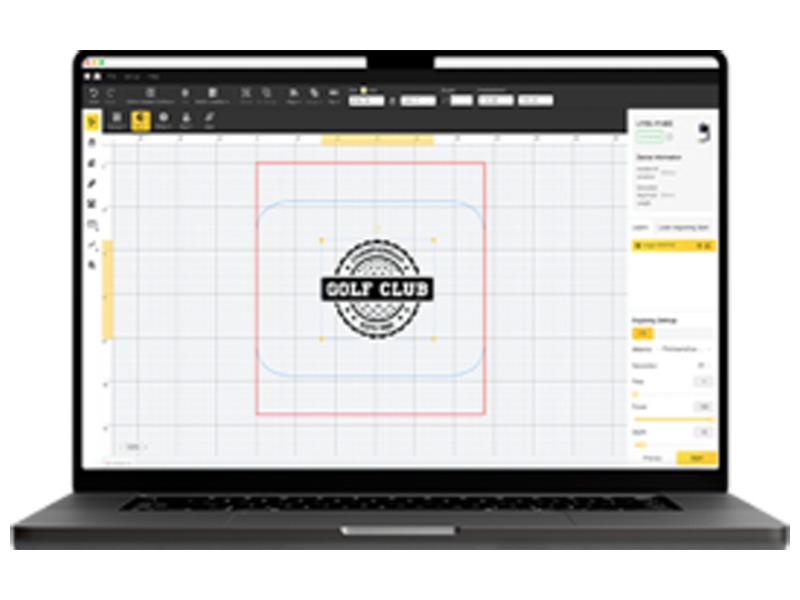
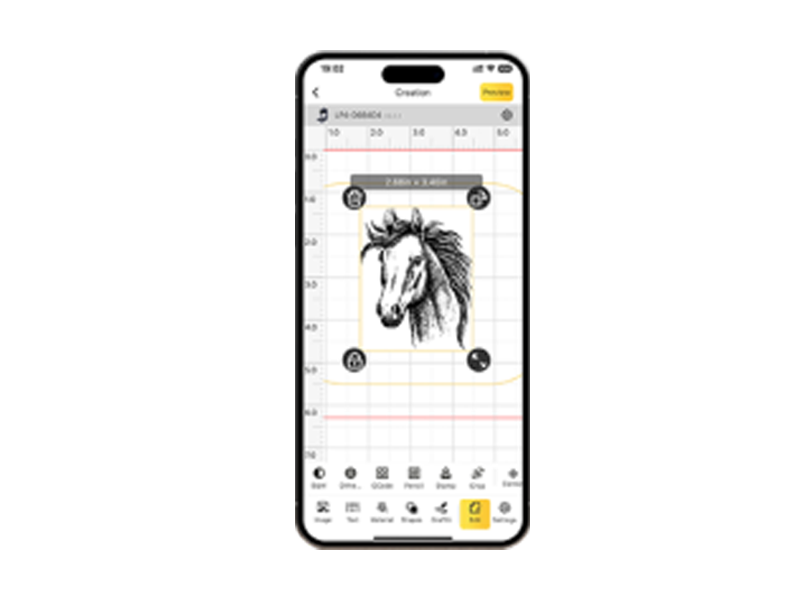
- Un logiciel de conception (ex : LightBurn, Logiciel LaserPecker & Application)
- Un accessoire rotatif pour graver uniformément les stylos cylindriques
Étapes pour graver un stylo avec une machine laser
Étape 1 : Préparer le design
Créez ou importez votre nom, logo ou motif dans le logiciel de conception. Ajustez soigneusement la taille pour qu'elle corresponde à la zone gravable du corps du stylo, en tenant compte des surfaces courbes.
Étape 2 : Choisir un graveur laser adapté aux stylos
Avant d'installer le stylo, assurez-vous d'utiliser un graveur laser capable de gérer les objets courbes et les détails fins.
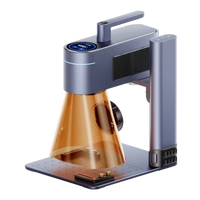
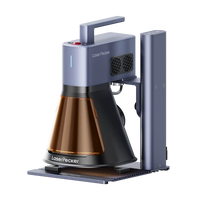
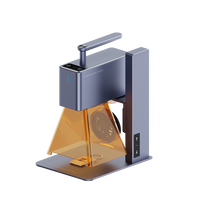
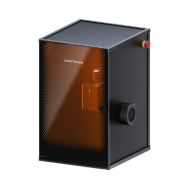
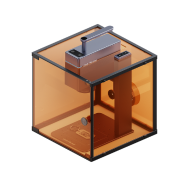
Une machine à double laser telle que la LaserPecker LP4 est parfaitement adaptée à la gravure de stylos, car elle prend en charge une large gamme de matériaux — y compris le métal, le bois et les surfaces revêtues — et fonctionne parfaitement avec les accessoires rotatifs pour les objets cylindriques.
Étape 3 : Fixer le stylo en place
Fixez le stylo à l'aide d'un accessoire rotatif pour permettre une gravure fluide et régulière tout autour de la surface courbe. Si le stylo possède un côté plat, il peut être fixé directement sur le lit du laser à l'aide de ruban adhésif ou d'un gabarit de positionnement pour éviter tout mouvement.
Étape 4 : Ajuster les paramètres du laser
Réglez la puissance du laser, la vitesse, la fréquence et la mise au point appropriées en fonction du matériau du stylo. Effectuez toujours un test de gravure sur un stylo de rechange ou un matériau similaire pour affiner les réglages.
Étape 5 : Prévisualiser la disposition
Utilisez la fonction de contour ou de cadrage (framing) pour prévisualiser la position de la gravure. Cette étape permet de confirmer l'alignement et de s'assurer que le design est centré et correctement positionné.
Étape 6 : Lancer le processus de gravure
Commencez la gravure tout en surveillant le processus pour garantir la précision et la sécurité. Pour une utilisation en intérieur, une ventilation adéquate ou un purificateur d'air de bureau est recommandé.
Étape 7 : Nettoyer et inspecter la gravure
Une fois la gravure terminée, essuyez délicatement tout résidu avec un chiffon doux et inspectez la gravure pour en vérifier la clarté, la profondeur et la cohérence.
Avantages et limites de la gravure laser d'un stylo
👍 Avantages :
Produit des résultats de gravure propres, précis et professionnels, adaptés tant aux amateurs qu'aux petites entreprises à travers l'UE.
Excellent pour les détails fins, les logos et les textes utilisés dans les produits personnalisés et promotionnels.
Fonctionne avec une large gamme de matériaux tels que le métal, le bois, l'acrylique et le cuir, couramment disponibles sur les marchés de l'UE.
👎 Limites :
Nécessite une machine de gravure laser suffisamment puissante et assez d'espace de travail, ce qui peut demander une planification minutieuse pour les environnements intérieurs ou partagés.
Méthode 2 : Graver un stylo avec un outil rotatif
L'utilisation d'un outil rotatif pour graver un stylo est une méthode simple et manuelle, privilégiée par les amateurs de DIY et les utilisateurs créatifs à travers l'UE. Avec les bonnes fraises de gravure, elle permet de personnaliser des stylos en métal, bois ou plastique avec des noms, des initiales ou des motifs simples. Cette méthode est particulièrement adaptée à la personnalisation artistique et aux petits projets uniques.
Outils requis :
- Outil rotatif ou stylo de gravure électrique
- Pince, étau ou tapis antidérapant
Étapes pour graver un stylo avec un outil rotatif
Étape 1 : Marquer le design
Dessinez votre motif ou vos initiales directement sur le stylo avec un marqueur à pointe fine, ou appliquez un pochoir pour vous guider.
Étape 2 : Fixer le stylo
Utilisez une pince, un étau à mors doux ou un bloc de mousse pour empêcher le stylo de bouger pendant que vous travaillez.
Étape 3 : Choisir la bonne fraise
Fixez une fraise de gravure au diamant ou au carbure, selon le matériau du stylo.
Étape 4 : Commencer la gravure
Allumez l'outil rotatif et suivez doucement votre dessin en exerçant une légère pression. Laissez l'outil faire la coupe — ne forcez pas.
Étape 5 : Affiner et nettoyer
Repassez sur les lignes irrégulières pour uniformiser la profondeur ou la cohérence. Essuyez ensuite le stylo avec un chiffon pour enlever la poussière et les débris.
Avantages et limites de la gravure d'un stylo avec un outil rotatif
👍 Avantages :
Méthode peu coûteuse et accessible, adaptée aux amateurs et aux petits projets créatifs.
Convient bien aux cadeaux personnalisés uniques et aux designs artistiques.
👎 Limites :
Moins précise que la gravure laser ou CNC, surtout pour les détails fins.
Nécessite un bon contrôle et de la patience pour produire des résultats propres et constants.
Méthode 3 : Graver un stylo via la gravure à la main
La gravure à la main est une technique classique et hautement qualifiée qui consiste à sculpter manuellement des motifs sur la surface d'un stylo à l'aide d'outils de gravure fins. À travers l'UE, cette méthode est prisée pour son savoir-faire et son expression artistique, ce qui la rend particulièrement adaptée aux stylos de luxe, aux éditions limitées et aux objets de collection.
Outils requis :
- Échoppe (burin à main)
- Étau de graveur ou pince (pour fixer le stylo)
- Loupe ou compte-fils de bijoutier (pour le travail de précision)
Étapes pour graver un stylo à la main
Étape 1 : Planifier le design
Esquissez votre motif ou votre lettrage sur la surface du stylo à l'aide d'un marqueur à pointe fine ou d'un crayon.
Étape 2 : Fixer le stylo
Utilisez un étau de bijoutier ou une pince rembourrée pour maintenir le stylo fermement et éviter tout mouvement pendant la gravure.
Étape 3 : Sélectionner et préparer l'échoppe
Choisissez la forme d'échoppe appropriée pour votre dessin. Assurez-vous qu'elle est bien affûtée pour des coupes nettes.
Étape 4 : Commencer la gravure
Tenez l'échoppe selon un angle constant et poussez ou creusez le long de vos lignes tracées. Prenez votre temps et travaillez par petites sections.
Étape 5 : Nettoyage
Brossez les copeaux de métal ou la poussière. Polissez éventuellement la zone gravée pour une finition lisse.
Avantages et limites de la gravure à la main d'un stylo
👍 Avantages :
Offre une gravure raffinée de qualité artisanale avec un aspect fait main unique.
Parfaitement adapté aux stylos de luxe, aux pièces sur mesure et aux cadeaux de collection.
👎 Limites :
Exige des compétences et une pratique significatives, ce qui la rend moins accessible aux débutants.
Processus lent qui n'est pas adapté à la gravure commerciale ou de gros volumes.
Les erreurs sont difficiles à corriger en raison de la nature permanente de la gravure à la main.
Méthode 4 : Graver un stylo avec une petite machine CNC
Graver un stylo avec une petite machine CNC est une méthode extrêmement précise et répétable, particulièrement adaptée à la fabrication à petite échelle ou aux projets exigeant une qualité constante. À travers l'UE, la gravure CNC est couramment utilisée par les petites entreprises et les créateurs produisant des stylos personnalisés ou promotionnels par lots. En combinant la conception numérique avec la découpe automatisée, les machines CNC permettent une gravure profonde et permanente sur des matériaux tels que le métal, le bois et l'acrylique.
Outils requis :
- Machine CNC
- Brique (argile ou béton, de préférence plate et lisse)
- Logiciel de conception et de FAO (CAM)
- Pince, table à vide ou gabarit pour maintenir la brique
Étapes pour graver un stylo à l'aide d'une machine CNC
Étape 1 : Créer votre design
Utilisez un logiciel de conception pour créer ou importer votre motif, nom ou logo. Générez les trajectoires d'outils avec un logiciel de FAO adapté à votre machine.
Étape 2 : Fixer le stylo
Utilisez un gabarit personnalisé, un accessoire rotatif ou une pince à mors doux pour maintenir le stylo de manière stable et précise sur le plateau de la CNC.
Étape 3 : Sélectionner la bonne fraise et les bons réglages
Installez la fraise de gravure appropriée et réglez la vitesse de broche, l'avance et la profondeur par passe en fonction du matériau.
Étape 4 : Effectuer un test
Testez toujours sur une chute ou un stylo échantillon pour vérifier l'alignement et la qualité de la coupe.
Étape 5 : Commencer la gravure
Lancez le travail et surveillez les vibrations, les défauts d'alignement ou l'usure de l'outil. Utilisez un système de contrôle de la poussière si nécessaire.
Étape 6 : Nettoyer et inspecter
Retirez le stylo, brossez les débris et inspectez la gravure. Optionnel : polissez ou scellez la surface gravée.
Avantages et limites de la gravure d'un stylo avec une machine CNC
👍Avantages :
La gravure CNC offre une précision et une répétabilité excellentes, ce qui en fait un choix fiable pour produire des gravures de stylos constantes. Elle est bien adaptée à la répétition de logos et à la production de petites séries, en particulier pour un usage professionnel ou promotionnel où des résultats uniformes sont requis.
👎Limites :
Les machines CNC génèrent une quantité considérable de débris et un bruit soutenu pendant le fonctionnement. Cela implique généralement un investissement supplémentaire dans des systèmes d'extraction de poussière et, dans certains cas, des mesures de réduction du bruit. Pour de nombreux utilisateurs européens à domicile ou petits ateliers situés dans des zones résidentielles, cette exigence peut être difficile à satisfaire en pratique.
Une autre limite est la taille de la machine. L'équipement CNC occupe généralement une surface importante et nécessite un espace de travail dédié. Pour les foyers européens ou les studios compacts où l'espace est déjà limité, l'utilisation d'une machine CNC de taille standard pour de petits objets comme des stylos ou des crayons n'est peut-être pas l'option la plus efficace ou la plus réaliste pour un usage quotidien.
FAQ : Questions brûlantes sur la gravure de stylos
1. Peut-on graver n'importe quel type de stylo ?
La gravure est plus efficace sur les stylos ayant des surfaces lisses et régulières. Les matériaux appropriés comprennent généralement le métal, le bois, les plastiques de haute qualité et les stylos recouverts de cuir. La qualité de la gravure peut varier selon le matériau et la technique de gravure utilisée.
2. Quels types de messages peuvent être gravés sur les stylos ?
Les stylos gravés peuvent comporter des noms, des dates, des messages courts, des symboles, des illustrations détaillées ou des logos d'entreprise. Cette flexibilité rend la gravure adaptée à un usage tant personnel que professionnel.
3. Quelle est la profondeur de la gravure sur un stylo ?
La profondeur de gravure dépend de la méthode utilisée et des réglages de la machine. La profondeur de la gravure laser peut être ajustée en modifiant la puissance et la vitesse, en tenant compte du matériau du stylo et des exigences fonctionnelles.
4. Peut-on graver des stylos avec des motifs complexes ?
Oui, la technologie de gravure laser permet de réaliser des motifs complexes et détaillés sur les stylos. Cependant, la complexité du design peut affecter le temps de gravure et nécessite un calibrage minutieux des paramètres du laser.
5. Existe-t-il des limites de taille pour les stylos pouvant être gravés ?
La plupart des machines de gravure laser disposent de réglages ajustables pour s'adapter à différentes tailles de stylos. Il est essentiel de vérifier les spécifications de votre machine spécifique et, le cas échéant, d'utiliser un accessoire rotatif pour les objets cylindriques.
6. Comment nettoyer et entretenir un stylo gravé ?
Le nettoyage des stylos gravés s'effectue par un essuyage doux avec un chiffon doux et humide pour éliminer tout résidu. Pour préserver la longévité de la gravure, évitez les nettoyants abrasifs ou les produits chimiques agressifs. Rangez les stylos gravés dans un étui ou une pochette de protection pour éviter les rayures.
7. Peut-on graver des stylos-plumes ?
Oui, les stylos-plumes peuvent être gravés, mais une attention particulière est requise en raison de leur structure délicate. La gravure laser sur le corps du stylo est généralement l'option la plus sûre, en évitant la plume et les composants internes.
8. Est-il possible de graver plusieurs stylos simultanément ?
Certaines machines de gravure laser permettent la gravure par lots à l'aide d'accessoires rotatifs. Chaque stylo doit être solidement positionné et aligné pour garantir des résultats constants.
9. Puis-je graver des stylos à la maison ou ai-je besoin de services professionnels ?
Les machines de gravure laser de bureau conviennent à un usage domestique et aux petits projets. Pour des designs complexes ou des quantités plus importantes, les services de gravure professionnels peuvent offrir une plus grande cohérence et efficacité.
10. Existe-t-il des restrictions légales sur la gravure de motifs protégés par le droit d'auteur ?
Oui, graver des motifs protégés par le droit d'auteur sans autorisation peut enfreindre les droits de propriété intellectuelle. Assurez-vous toujours que les designs sont sous licence, originaux ou légalement autorisés.
Pour éviter les problèmes potentiels, de nombreux utilisateurs choisissent de travailler avec des ressources de design libres de droits ou originales. Par exemple, LaserPecker Design Space propose des milliers de modèles de gravure gratuits et prêts à l'emploi adaptés à la gravure de stylos et de petits objets, aidant ainsi les utilisateurs à respecter le cadre légal.
De plus, la communauté LaserPecker CraftZone propose régulièrement des idées de gravure mises à jour et des projets partagés créés par d'autres utilisateurs. Ces designs issus de la communauté peuvent servir d'inspiration ou de point de départ tout en réduisant le risque de violation du droit d'auteur.
Conclusion
La gravure de stylos peut aller de simples techniques DIY à des processus professionnels plus avancés. Les graveurs laser offrent une vitesse et une précision élevées, ce qui les rend adaptés aux logos détaillés et aux séries de production plus importantes. Les outils rotatifs sont idéaux pour une personnalisation créative et manuelle, tandis que la gravure à la main offre une finition unique et artisanale. Pour des résultats constants et une gravure plus profonde, les machines CNC compactes offrent une précision et une répétabilité de qualité professionnelle.
Quelle que soit la méthode choisie, la gravure transforme un stylo standard en un objet personnalisé et mémorable. Sélectionnez vos outils, préparez votre design et donnez vie à vos idées créatives grâce à la gravure.