



















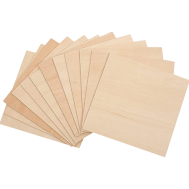










Le contreplaqué est largement utilisé en Europe dans la fabrication de meubles, la construction intérieure, l'ébénisterie et les projets DIY. Bien qu'il soit solide et polyvalent, couper du contreplaqué proprement nécessite une configuration adaptée. Des techniques de coupe inappropriées peuvent entraîner des éclats, un écaillage des bords ou des déchirures de surface — en particulier avec des panneaux stratifiés ou plaqués.
Ce guide présente deux méthodes pratiques pour couper le contreplaqué : la coupe traditionnelle à la scie et la découpe au laser. En comparant ces deux options, vous pourrez déterminer quelle technique convient le mieux aux exigences de votre projet — qu'il s'agisse de travaux d'atelier courants ou de travaux de conception de haute précision.

Dans cet article :
Méthode 1 : Couper le contreplaqué avec une scie
La coupe à la scie reste la méthode la plus courante pour travailler le contreplaqué dans les ateliers et sur les chantiers. Elle convient aussi bien aux projets DIY qu'aux applications professionnelles. Des résultats propres dépendent du choix correct de la lame, d'un support stable et d'une vitesse d'avance contrôlée.
Chaque type de scie répond à des besoins de coupe différents, allant des coupes droites longitudinales aux formes détaillées.
Outils nécessaires :
- Scie circulaire, scie sur table, scie sauteuse ou scie manuelle
- Lame à dents fines ou lame spéciale contreplaqué pour réduire l'écaillage
- Serre-joints pour maintenir la plaque
- Règle droite ou rail de guidage pour des coupes précises
- Papier abrasif pour la finition
Étapes à suivre
1. Placez la plaque de contreplaqué sur une surface stable et bien soutenue. Fixez-la solidement à l'aide de serre-joints.
2. Mesurez avec précision et marquez la ligne de coupe à l'aide d'un crayon et d'une règle droite.
3. Sélectionnez la scie appropriée pour votre tâche :
Scie circulaire – pour les longues coupes droites.
Scie sur table – idéale pour des coupes précises et répétables.
Scie sauteuse – pour les courbes ou les formes irrégulières.
Scie manuelle – pratique pour des coupes rapides et de petite taille sans outils électriques.
4. Alignez la lame avec précision sur la ligne de coupe marquée.
5. Coupez lentement et régulièrement, en laissant la scie faire le travail sans la forcer.
6. Poncez légèrement les bords si nécessaire pour obtenir une finition plus lisse.
Avantages et inconvénients de la coupe du contreplaqué avec une scie
Avantages
- Polyvalente et largement disponible
- Convient au contreplaqué de la plupart des épaisseurs
- Différentes scies adaptées à différents types de coupes
Inconvénients
- Produit de la poussière ; un équipement de protection est indispensable
- Risque d'éclats si la lame est émoussée ou inadaptée
Méthode 2 : Couper le contreplaqué avec une découpeuse laser
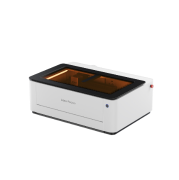
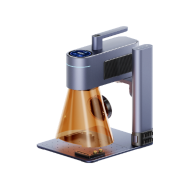
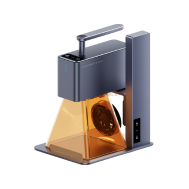
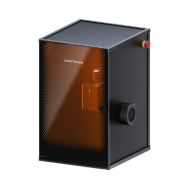
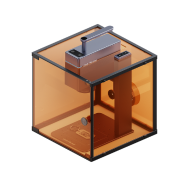
La découpe laser offre une méthode contrôlée et précise pour travailler des panneaux de contreplaqué fins et produire des géométries détaillées. Elle est largement utilisée dans le prototypage, la modélisation architecturale, la fabrication décorative et les environnements de production à petite échelle où la constance est importante.
Les limites du matériau doivent être prises en compte. Les contreplaqués plus épais peuvent nécessiter des systèmes de puissance plus élevée, et des mesures d'extraction appropriées sont essentielles, car le traitement laser des matériaux à base de bois produit de la fumée et des particules.
Outils nécessaires
- Découpeuse laser (avec une puissance suffisante pour le contreplaqué)
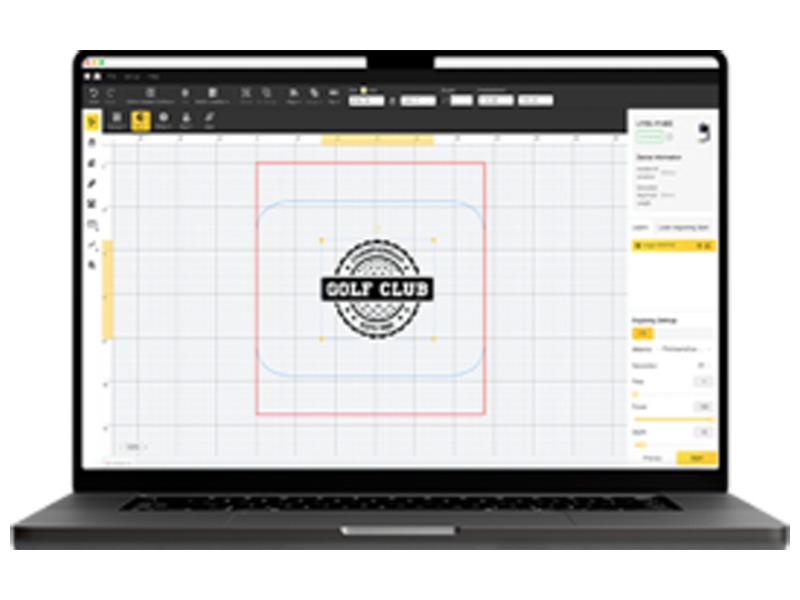
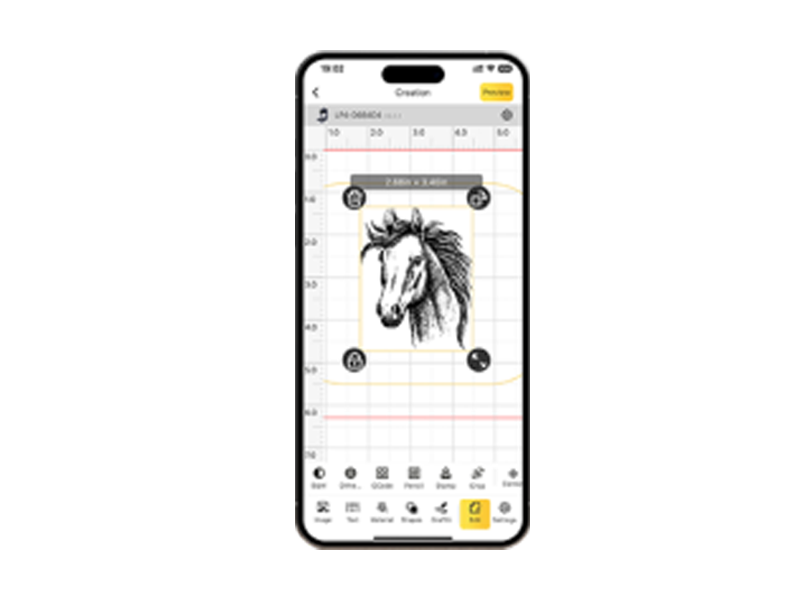
- Ordinateur ou appareils mobiles avec un logiciel de conception (pour préparer les motifs)
- Système de ventilation ou d'extraction des fumées (car la découpe du contreplaqué produit de la fumée et des odeurs)
- Lunettes de protection si recommandées par les consignes de sécurité de votre machine
Étapes à suivre
1. Préparez votre design dans le logiciel et téléchargez-le dans la découpeuse laser.
2. Placez la plaque de contreplaqué à plat sur le plateau de la machine et fixez-la.
3. Ajustez les paramètres du laser (puissance, vitesse et mise au point) en fonction de l'épaisseur du contreplaqué.
4. Effectuez une petite coupe de test pour vérifier les résultats et éviter les brûlures.
5. Lancez le processus de découpe et surveillez-le attentivement.
6. Retirez le contreplaqué découpé et nettoyez tout résidu ou bord carbonisé si nécessaire.
Idéal pour
- Feuilles de contreplaqué fines (généralement ≤6mm)
- Motifs détaillés, lettrages et éléments décoratifs
- Projets nécessitant des coupes propres et répétables
Avantages et inconvénients de la découpe du contreplaqué avec un graveur laser
Avantages
- Coupes extrêmement précises et propres
- Effort physique minimal requis
- Résultats reproductibles pour plusieurs pièces
Inconvénients
- Limité aux feuilles de contreplaqué plus fines
- Bords légèrement brûlés possibles si les paramètres ne sont pas corrects
FAQ : Questions fréquentes sur la découpe du contreplaqué
Q1. Quel est l'outil le plus adapté pour couper du contreplaqué ?
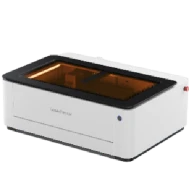
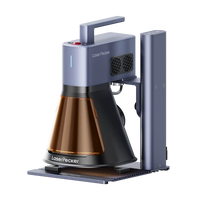
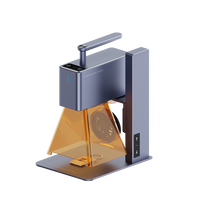
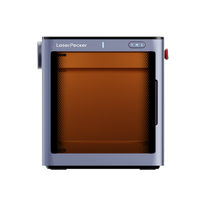
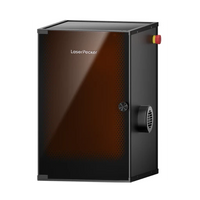
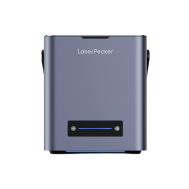
Le choix de l'outil dépend de l'épaisseur du matériau et des exigences de précision. Pour les travaux généraux de construction ou de fabrication de meubles, la coupe à la scie (scie circulaire ou scie sur table) reste l'approche standard. Pour les géométries détaillées ou les feuilles fines, une découpeuse laser comme la LaserPecker LX2 peut offrir une précision et une répétabilité supérieures.
Q2. Est-il possible de couper du contreplaqué sans outils électriques ?
Oui. La découpe manuelle peut être réalisée à l'aide d'une scie manuelle pour les plaques plus épaisses. Les contreplaqués très fins peuvent être entaillés avec un cutter puis séparés avec précaution. Un bon support et une technique de coupe contrôlée sont essentiels pour maintenir la précision.
Q3. Peut-on couper du contreplaqué entièrement à la main ?
Oui, notamment pour les travaux de petite taille. Une scie manuelle convient pour les coupes droites, tandis que l'entaillage au couteau peut être utilisé pour les panneaux fins. Cependant, la coupe manuelle est généralement moins précise que les méthodes utilisant des machines et peut nécessiter des finitions supplémentaires.
Q4. Quelles sont les causes des éclats lors de la coupe du contreplaqué ?
Les éclats se produisent généralement en raison de :
- Une lame émoussée ou inadaptée
- Une vitesse d'avance trop élevée
- Un support insuffisant de la plaque
- Une coupe à contre-fil du placage
L'utilisation d'une lame à dents fines et le maintien d'une vitesse contrôlée permettent de réduire les dommages de surface.
Q5. Quelle épaisseur de contreplaqué peut être découpée au laser ?
La plupart des systèmes de bureau sont mieux adaptés aux contreplaqués jusqu'à environ 6mm d'épaisseur. Cependant, des modèles plus puissants tels que la LaserPecker LX2 peuvent découper du bois jusqu'à 22mm d'épaisseur en une seule passe dans des conditions optimales. Les feuilles plus épaisses peuvent néanmoins nécessiter des paramètres ajustés ou plusieurs passes, selon la densité du matériau et les spécifications de la machine.
Q6. Quelle méthode est la plus efficace pour la production ?
Pour les longues coupes droites, les méthodes basées sur la scie sont généralement plus rapides et plus pratiques. Pour les petites pièces répétées ou les motifs détaillés, la découpe laser offre une meilleure constance et réduit les opérations de finition manuelle.
Conclusion :
Le contreplaqué peut être travaillé à l'aide de différentes méthodes de coupe selon l'épaisseur du matériau, les exigences de précision et les besoins du flux de travail. La coupe à la scie est bien adaptée aux panneaux structurels, aux longues coupes droites et aux travaux généraux de fabrication.
Pour les contreplaqués fins et les géométries détaillées, une découpeuse laser comme la LaserPecker LX2 offre une précision plus élevée et une répétabilité constante, notamment dans les environnements axés sur le design ou la production à petite échelle.
Le choix de la méthode appropriée permet d'obtenir des bords plus nets, une meilleure précision dimensionnelle et un résultat plus professionnel dans les projets de menuiserie et de fabrication.