
















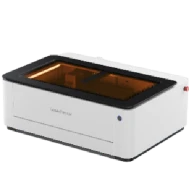
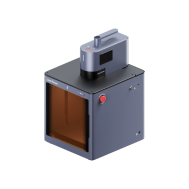
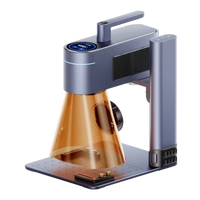

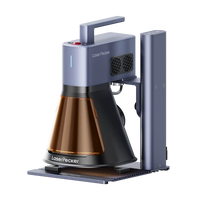
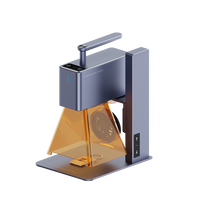












Le plastique est largement utilisé dans les projets DIY, le prototypage de produits, la fabrication d'enseignes et les travaux de création. Pour obtenir des coupes propres et des pièces dimensionnellement précises, il est nécessaire de sélectionner une technique de découpe adaptée en fonction de la composition du matériau, de son épaisseur et du niveau de précision requis.
Divers matériaux plastiques — notamment l'acrylique (PMMA), le polycarbonate (PC), le PVC et le polypropylène (PP) — présentent des propriétés thermiques et mécaniques différentes. Certains conviennent aux procédés de découpe thermique, tandis que d'autres nécessitent des méthodes mécaniques contrôlées afin d'éviter toute déformation ou dommage structurel.
Ce guide présente quatre techniques efficaces pour couper le plastique, allant des systèmes laser de haute précision aux méthodes manuelles par rainurage. Comprendre les avantages et les limites de chaque méthode vous aidera à choisir l'option la plus adaptée à votre application spécifique.

Dans cet article :
- Méthode 1 : Couper le plastique avec une découpeuse laser
- Méthode 2 : Couper le plastique avec un cutter
- Méthode 3 : Couper le plastique avec une scie
- Méthode 4 : Couper le plastique par découpe à la corde
Méthode 1 : Couper le plastique avec une découpeuse laser
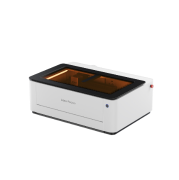
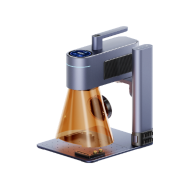
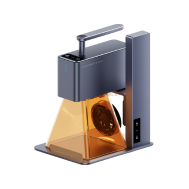
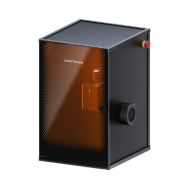
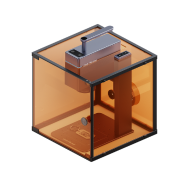
Une découpeuse laser utilise un faisceau lumineux focalisé pour séparer thermiquement les matériaux plastiques avec une grande précision dimensionnelle. L'énergie du laser fait fondre ou vaporise le matériau le long d'un trajet programmé, ce qui permet d'obtenir des contours précis et de minimiser les contraintes mécaniques sur la pièce.
Cette technique est compatible avec de nombreux thermoplastiques, en particulier l'acrylique (PMMA). Toutefois, les plastiques contenant du chlore, comme le PVC, ne doivent pas être traités, car ils émettent des gaz nocifs lors de leur décomposition thermique.
Idéal pour :
- Feuilles de plastique fines à moyennes
- Motifs complexes, designs détaillés et formes personnalisées
- Applications nécessitant une qualité de bord lisse immédiatement après la découpe
Niveau de précision de la découpe du plastique avec une découpeuse laser
Très élevé : Permet la reproduction de détails fins et une répétabilité constante dans la production en série.
Qualité de finition des bords lors de la découpe du plastique avec une découpeuse laser
Élevée : Produit des bords lisses et thermoscellés avec un besoin limité d'opérations de finition secondaires.
Plage d'épaisseur optimale pour la découpe du plastique avec une découpeuse laser
Généralement 1 mm – 12 mm (1/32″ – 1/2″) : selon la puissance du laser et les propriétés du matériau. Les matériaux plus épais peuvent nécessiter plusieurs passes de découpe ou des systèmes de qualité industrielle.
Avantages et limitations
Avantages
- Extrêmement précis et reproductible
- Bords propres et polis avec un minimum de finition
- Permet de découper facilement des formes et des designs complexes
Limitations
- Inadapté aux plastiques qui libèrent des gaz dangereux (ex. : PVC)
- Produit des fumées — nécessite une ventilation appropriée
Méthode 2 : Couper le plastique avec un cutter
L'utilisation d'un cutter est une technique simple et économique pour couper des feuilles de plastique fines. La méthode consiste à entailler le matériau à plusieurs reprises le long d'un bord de référence droit, puis à appliquer une force contrôlée pour casser la plaque le long de la ligne affaiblie.
Cette approche nécessite peu d'outils, ne produit aucun bruit mécanique et convient aux petites tâches de fabrication ou aux ajustements sur site. Elle est particulièrement efficace avec les thermoplastiques plus souples.
Idéal pour :
- Feuilles de plastique fines comme l'acrylique, le polystyrène, le PVC ou le PETG
- Coupes droites sur de petits projets
- Ajustements rapides ou découpe sur site
Niveau de précision de la découpe du plastique avec un cutter
Moyen — Précis pour les lignes droites lorsqu'il est utilisé avec une règle ou un guide ; non adapté aux courbes ou aux formes complexes.
Qualité de finition des bords lors de la découpe du plastique avec un cutter
Moyenne à faible — Les bords cassés sont fonctionnels mais peuvent nécessiter un ponçage pour obtenir une finition propre et lisse.
Plage d'épaisseur optimale
Jusqu'à 3 mm (1/8″) pour la plupart des plastiques. Certains plastiques plus souples peuvent être coupés jusqu'à ~5 mm avec de la patience et plusieurs passes de rainurage
Avantages et limitations de la découpe du plastique avec un cutter
Avantages
- Portable et facile à utiliser
- Silencieux et sans poussière
Limitations
- Limité aux plastiques fins
- Pratique uniquement pour les coupes droites
- Nécessite plusieurs passes et plus d'effort sur les matériaux plus durs
Méthode 3 : Couper le plastique avec une scie
La coupe à la scie est une méthode mécanique fiable pour travailler les matériaux plastiques sur une large plage d'épaisseurs. L'équipement typique comprend les scies manuelles, les scies circulaires, les scies sauteuses et les scies sur table équipées de lames à dents fines conçues pour les plastiques ou les matériaux tendres.
Cette technique convient aux coupes structurelles dans des plaques d'épaisseur moyenne à élevée et offre des performances stables lorsque le matériau est correctement soutenu et que la vitesse d'avance est contrôlée. Les rails de guidage, les guides parallèles ou les gabarits améliorent la régularité dimensionnelle.
Idéal pour :
- Plaques ou blocs de plastique d'épaisseur moyenne à élevée
- Coupes droites ou légèrement courbes
Niveau de précision de la découpe du plastique avec une scie
Moyen à élevé : Précis avec l'utilisation de guides, de butées ou de gabarits appropriés ; moins adapté aux formes complexes et détaillées.
Qualité de finition des bords lors de la découpe du plastique avec une scie
Moyenne : Les bords peuvent présenter des marques de scie et nécessiter un ponçage ou un polissage ; risque d'écaillage si la lame ou la vitesse d'avance est inappropriée.
Plage d'épaisseur optimale
Convient aux plastiques fins à épais : 2 mm – 25 mm (1/16″ – 1″). Les feuilles très fines peuvent se fissurer si elles ne sont pas correctement soutenues
Avantages et limitations de la découpe du plastique avec une scie
Avantages
- Permet de travailler efficacement des pièces plus grandes et plus épaisses
- Peut réaliser des coupes droites ou des courbes simples
- Adapté à une grande variété de types de plastiques
Limitations
- Les bords nécessitent généralement un post-traitement
- Pas idéal pour les formes complexes ou très détaillées
- Produit de la poussière et du bruit
Méthode 4 : Couper le plastique par découpe à la corde
La découpe à la corde est une méthode de coupe assistée thermiquement utilisée principalement pour les matériaux plastiques souples. Un fil ou une corde tendue est chauffé puis guidé le long de la trajectoire de coupe prévue, faisant fondre le plastique par transfert direct de chaleur. Cette technique est simple et ne nécessite pas d'équipement spécialisé.
Ce procédé est particulièrement efficace avec les thermoplastiques souples à faible densité. Il ne convient pas aux plastiques techniques rigides ni aux plaques de grande épaisseur.
Idéal pour :
- Thermoplastiques souples tels que le PVC fin, le polyéthylène ou le polypropylène
- Découpes de petite taille où la précision est moins critique
Niveau de précision de la découpe du plastique par découpe à la corde
Faible à moyen : Convient pour des coupes droites simples, mais les détails fins ou les courbes sont difficiles à contrôler avec précision.
Qualité de finition des bords lors de la découpe du plastique par découpe à la corde
Faible à moyen : Les bords peuvent être rugueux, légèrement fondus ou irréguliers ; un ponçage ou un limage est généralement nécessaire par la suite.
Plage d'épaisseur optimale
Jusqu'à 5 mm (1/4″) pour la plupart des plastiques souples. Ne convient pas aux plaques dures ou épaisses
Avantages et limitations de la découpe du plastique par découpe à la corde
Avantages
- Installation simple et peu coûteuse
- Aucun outil électrique nécessaire
- Rapide pour les petites pièces ou les matériaux fins
Limitations
- Limité aux plastiques souples et fins
- Les bords nécessitent souvent une finition
- Produit des fumées — nécessite une ventilation
FAQ sur la découpe du plastique
Q1. Quelle méthode de découpe du plastique offre la plus grande précision ?
La découpe laser offre le plus haut niveau de précision dimensionnelle et de répétabilité. Elle est particulièrement adaptée aux géométries détaillées et aux applications nécessitant des résultats cohérents sur plusieurs composants.
Q2. Est-il sûr de couper du PVC avec un laser ?
Non. Le PVC libère des gaz dangereux à base de chlore lorsqu'il est exposé à une forte chaleur. Le traitement laser du PVC n'est pas recommandé en raison des risques pour la santé et la sécurité des équipements.
Q3. Comment réduire l'écaillage des bords lors de la coupe du plastique à la scie ?
L'utilisation de lames à dents fines conçues pour les plastiques, le maintien d'une vitesse d'avance modérée et une fixation correcte du matériau peuvent réduire considérablement l'écaillage des bords. Le soutien des feuilles fines aide également à prévenir les dommages liés aux vibrations.
Q4. Pourquoi le plastique se déforme-t-il pendant la découpe ?
La déformation peut se produire en raison d'une accumulation excessive de chaleur ou d'une contrainte mécanique inégale. Réduire la vitesse de coupe, améliorer le refroidissement ou ajuster les paramètres du laser peut aider à minimiser la déformation.
Q5. Quelle épaisseur de plastique peut être coupée sans équipement industriel ?
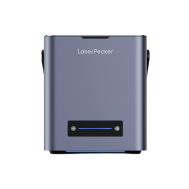
Les feuilles fines à moyennes (environ 1–12 mm) peuvent généralement être traitées avec des systèmes laser grand public tels que la LaserPecker LX2, capable de découper des plaques de plastique jusqu'à 20 mm d'épaisseur en une seule passe dans des conditions optimales. Les matériaux plus épais peuvent nécessiter des machines plus puissantes ou industrielles selon la densité et la composition.
Q6. La ventilation est-elle nécessaire lors de la découpe mécanique du plastique ?
Oui. Même les méthodes de coupe mécaniques génèrent de fines poussières de plastique qui doivent être extraites ou filtrées. Les méthodes de découpe thermique produisent en plus des fumées, ce qui rend une ventilation et une filtration appropriées essentielles pour un fonctionnement sûr.
Conclusion :
Chaque technique de découpe du plastique présente des avantages spécifiques et certaines contraintes d'utilisation. La découpe laser garantit une haute précision dimensionnelle et une excellente qualité de bord, ce qui la rend adaptée à la fabrication détaillée et à la production répétable. Le rainurage au cutter constitue une solution économique pour les feuilles fines et les coupes linéaires simples.
La coupe à la scie offre une stabilité mécanique pour les matériaux plus épais et les composants structurels, tandis que la découpe à la corde constitue une méthode thermique simple pour les plastiques souples.
Une évaluation attentive des propriétés du matériau, de son épaisseur et des tolérances requises permettra de déterminer l'approche de découpe la plus efficace. Le choix de la méthode appropriée garantit des résultats cohérents et précis dans un large éventail d'applications plastiques.