



















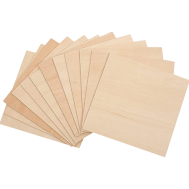





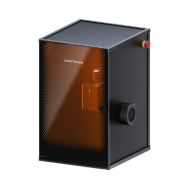


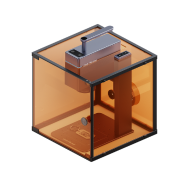
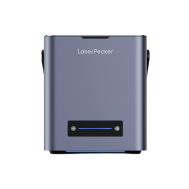


La découpe du MDF est une opération courante dans la fabrication de meubles, l'aménagement intérieur et les projets de construction DIY. Le panneau de fibres à densité moyenne est apprécié pour sa finition lisse, sa structure homogène et son coût avantageux, ce qui le rend adapté aux panneaux, aux meubles, aux éléments décoratifs et aux applications de signalétique.
Pour obtenir des coupes précises et minimiser les dommages sur les bords, il est important de choisir la technique de découpe appropriée. Le choix dépend de l'ampleur du projet, du niveau de précision requis et de l'équipement disponible.
Ce guide explique trois méthodes pratiques pour couper le MDF — à l'aide d'une scie, d'une défonceuse et d'une découpeuse laser — et présente les cas d'utilisation appropriés pour chaque approche.

Dans cet article :
- Méthode 1 : Couper le MDF avec une scie
- Méthode 2 : Couper le MDF avec une défonceuse
- Méthode 3 : Couper le MDF avec une découpeuse laser
- FAQ : Questions fréquentes sur la découpe du MDF
Méthode 1 : Couper le MDF avec une scie
La coupe à la scie reste la méthode la plus courante pour travailler le MDF dans la fabrication de meubles et les environnements de construction. Le choix de la scie dépend du type de coupe, de l'épaisseur du matériau et du niveau de précision requis. Les options incluent les scies circulaires, les scies sur table, les scies sauteuses et les scies manuelles.
Pour minimiser les dommages sur les bords, il est recommandé d'utiliser une lame à dents fines ou une lame à pointe carbure conçue pour les matériaux composites à base de bois.
Outils nécessaires :
- Scie circulaire, scie sur table, scie sauteuse ou scie manuelle
- Lame à dents fines ou à pointe carbure (pour réduire l'écaillage)
- Serre-joints pour fixer la plaque de MDF
- Rail de guidage ou règle droite pour une précision dimensionnelle
Étapes à suivre
1. Placez la plaque de MDF sur une surface stable et fixez-la à l'aide de serre-joints.
2. Mesurez et marquez votre ligne de coupe avec un crayon ou une craie.
3. Choisissez la scie appropriée :
Scie circulaire – pour les longues coupes droites.
Scie sur table – pour des coupes précises et répétables.
Scie sauteuse – pour les courbes ou les formes irrégulières.
Scie manuelle – pour des coupes rapides et de petite taille sans outils électriques.
4. Alignez la lame de la scie avec votre ligne de coupe.
5. Coupez lentement et régulièrement, en laissant la lame faire le travail.
6. Poncez les bords coupés si nécessaire pour obtenir une finition plus lisse.
Avantages et limitations de la découpe du MDF avec une scie
Avantages
- Polyvalent — différentes scies pour différents besoins
- Convient au MDF de toutes les épaisseurs
Limitations
- Produit beaucoup de poussière (un équipement de protection est essentiel)
- Risque d'écaillage si une lame inadaptée est utilisée
Méthode 2 : Couper le MDF avec une défonceuse
Une défonceuse permet un façonnage contrôlé et une découpe précise lors du travail du MDF. Comparées aux méthodes de coupe à la scie, les défonceuses sont particulièrement efficaces pour le profilage des bords, la réalisation de rainures et les opérations de finition détaillées. Elles sont largement utilisées dans la fabrication de meubles et la production de panneaux intérieurs où la qualité de surface est essentielle.
Outils nécessaires
- Défonceuse (avec base plongeante ou fixe)
- Fraises de défonceuse appropriées (droites, à affleurer ou à copier)
- Serre-joints pour fixer le MDF
- Guide ou gabarit pour les coupes droites ou avec motifs
Étapes à suivre
1. Placez le MDF sur une surface de travail stable et fixez-le avec des serre-joints.
2. Sélectionnez la fraise de défonceuse adaptée au type de coupe.
3. Marquez votre ligne de coupe ou utilisez un guide/gabarit.
4. Ajustez la profondeur de la défonceuse selon votre coupe.
5. Allumez la défonceuse et déplacez-la régulièrement le long de la ligne ou du guide.
6. Répétez les passes si nécessaire pour des coupes ou des rainures plus profondes.
7. Poncez légèrement les bords si une finition plus lisse est nécessaire.
Idéal pour
- Réaliser des rainures, des feuillures ou des bords décoratifs dans le MDF
- Rogner ou façonner des panneaux pour meubles ou armoires
- Créer des designs précis et reproductibles à l'aide de gabarits
Avantages et limitationsLimitations de la découpe du MDF avec une défonceuse
Avantages
- Produit des bords propres et lisses avec un écaillage minimal
- Convient aux coupes droites et courbes avec des guides
Limitations
- Nécessite une certaine compétence pour contrôler l'outil de manière stable
- Plus lente que les scies pour les longues coupes droites
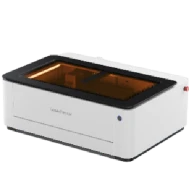
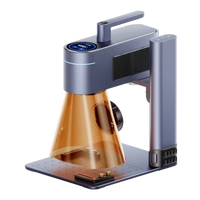
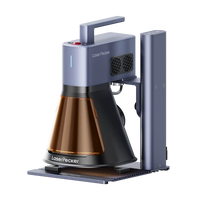
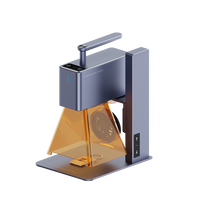
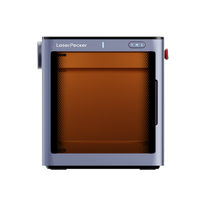
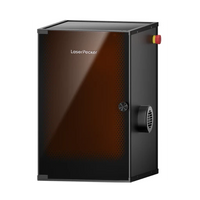
Méthode 3 : Couper le MDF avec une découpeuse laser
La découpe laser permet un usinage de haute précision pour les panneaux de MDF fins à moyens. Elle est particulièrement adaptée aux géométries détaillées, aux composants décoratifs et aux applications industrielles ou semi-industrielles nécessitant une production répétable.
En raison de la teneur en résine du MDF, le traitement laser génère de la fumée et potentiellement des émanations dangereuses. L'utilisation nécessite une découpeuse laser suffisamment puissante pour le MDF, combinée à un système conforme de ventilation ou d'extraction des fumées.
Outils nécessaires
- Découpeuse laser (avec une puissance suffisante pour le MDF)
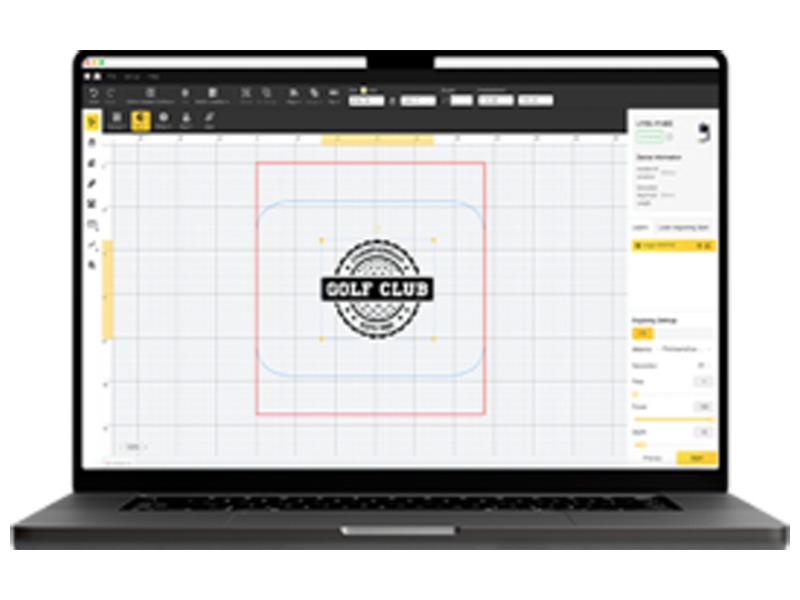
- Ordinateur ou appareils mobiles avec un logiciel de conception (pour préparer les motifs)
- Système de ventilation ou d'extraction des fumées (car la découpe du MDF produit de la fumée et des odeurs)
- Lunettes de protection si recommandées par les consignes de sécurité de votre machine
Étapes à suivre
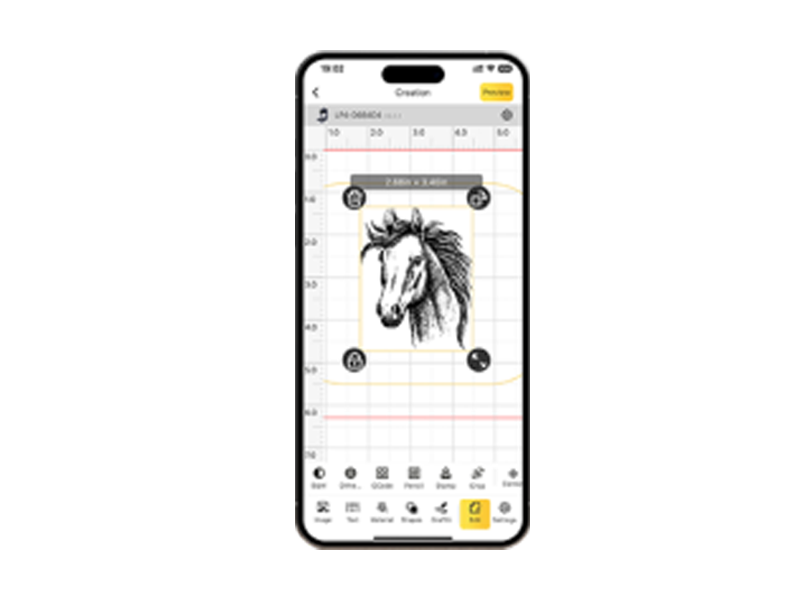
1. Préparez votre design dans le logiciel et téléchargez-le dans la découpeuse laser.
2. Placez la plaque de MDF à plat sur le plateau de la machine et fixez-la.
3. Ajustez les paramètres du laser (puissance, profondeur et nombre de passes) en fonction de l'épaisseur du MDF.
4. Effectuez une petite coupe de test pour vérifier les résultats.
5. Lancez le processus de découpe laser et surveillez-le attentivement.
6. Retirez le MDF découpé et nettoyez tout résidu ou marque de brûlure si nécessaire.
Idéal pour
- Plaques de MDF fines à moyennes
- Création de motifs complexes ou de formes détaillées
- Projets DIY professionnels ou reproductibles
Avantages et limitations de la découpe du MDF avec une découpeuse laser
Avantages
- Coupes extrêmement précises et propres
- Permet de découper des motifs et des designs complexes
- Résultats reproductibles pour plusieurs pièces
Limitations
- Produit de la fumée et des émanations — nécessite une ventilation appropriée
- Peut laisser des bords légèrement brûlés si les paramètres ne sont pas corrects
FAQ : Questions fréquentes sur la découpe du MDF
Q1. Quel est le meilleur outil pour couper des panneaux de MDF ?
Pour les coupes droites dans les applications de mobilier ou de construction, une scie sur table ou une scie circulaire est généralement recommandée. Une défonceuse est préférable pour le profilage et la préparation des assemblages. Pour la découpe précise de panneaux fins ou de composants détaillés, une découpeuse laser offre des résultats propres et constants.
Q2. Comment couper le MDF manuellement ?
La découpe manuelle peut être réalisée avec une scie à main à dents fines. Le panneau doit être solidement fixé et la coupe doit suivre une ligne de guidage clairement marquée. Cette méthode convient aux petits projets ou aux ajustements.
Q3. Est-il possible de couper le MDF sans outils électriques ?
Oui. Une scie à main peut être utilisée pour les panneaux plus épais, tandis que le MDF très fin (environ ≤3 mm) peut parfois être entaillé avec un cutter puis cassé soigneusement le long d'une règle droite. Un serrage solide est essentiel pour garder le contrôle.
Q4. Le MDF est-il plus difficile à couper que le contreplaqué ?
Le MDF est plus dense et plus uniforme que le contreplaqué, ce qui peut le rendre légèrement plus difficile à couper avec des lames émoussées. Cependant, sa structure interne homogène réduit l'éclatement lorsque la lame appropriée est utilisée.
Q5. Quelle épaisseur de MDF peut être coupée avec une découpeuse laser ?
La capacité de coupe dépend de la puissance de la machine. Une découpeuse laser traite généralement efficacement le MDF fin à moyen, tandis que les panneaux structurels plus épais peuvent nécessiter des outils de coupe mécaniques.
Q6. La découpe du MDF nécessite-t-elle des précautions de sécurité particulières ?
Oui. Le MDF contient des résines liantes qui génèrent des particules fines lorsqu'il est coupé. Une protection respiratoire appropriée et des systèmes efficaces d'extraction de poussière sont fortement recommandés dans les environnements d'atelier.
Q7. Pourquoi les bords du MDF brûlent-ils lors de la découpe laser ?
L'assombrissement des bords résulte généralement d'une puissance excessive ou d'une vitesse de coupe trop lente. Ajuster les paramètres de vitesse et améliorer le flux d'air peut réduire les traces de brûlure et améliorer la qualité des bords.
Conclusion :
Il existe plusieurs méthodes efficaces pour couper le MDF, chacune adaptée à différentes épaisseurs de panneau et exigences de projet. Les scies restent l'option la plus pratique pour les longues coupes droites et les grands panneaux, tandis que les défonceuses sont idéales pour façonner les bords et créer des rainures. Pour les détails complexes et les conceptions reproductibles, une découpeuse laser offre une précision exceptionnelle sur les panneaux fins à moyens.
Le choix de la bonne méthode de découpe dépend de vos outils disponibles, de votre niveau d'expérience et de la complexité de votre conception. Avec une préparation adéquate, des lames bien affûtées et des mesures de sécurité appropriées, vous pouvez obtenir des coupes nettes et des bords lisses et professionnels à chaque fois.