









































Les flocons en papier sont une activité créative et facile, appréciée des enfants, des amateurs, des enseignants et des designers dans toute l’Europe. Que vous prépariez des décorations saisonnières ou réalisiez des motifs détaillés pour des cartes, des ornements ou des décorations de fenêtre, plusieurs méthodes efficaces permettent de créer d’impressionnants flocons de neige.
En 2026, de nombreux créateurs de l’UE choisissent des machines de découpe laser pour produire des motifs complexes et symétriques impossibles à réaliser avec des ciseaux seuls.
Ce guide vous explique comment découper des flocons en papier, compare les méthodes les plus populaires et décrit comment créer des flocons en papier précis et d’aspect professionnel grâce à la découpe laser.

Dans cet article :
- Partie 1 : Deux méthodes courantes pour découper un flocon de neige dans du papier
- Méthode 1 : Découpe traditionnelle du papier à la main
- Méthode 2 : Découpe laser de précision du papier
- Partie 2 : Comment découper des flocons en papier au laser
- Partie 3 : Conseils et erreurs courantes lors de la découpe de flocons en papier
- Partie 4 : FAQ sur la découpe d’un flocon de neige dans du papier
Partie 1 : Deux méthodes courantes pour découper un flocon de neige dans du papier
Dans toute l’Europe, les flocons en papier sont réalisés principalement de deux façons : par découpe traditionnelle à la main ou à l’aide de découpeuses laser. La méthode la plus adaptée dépend de la précision requise, du volume de production et des outils disponibles dans votre espace de travail.
Méthode 1 : Découpe traditionnelle du papier à la main (ciseaux ou cutter de précision)
La découpe manuelle de flocons en papier est une technique artisanale ancienne. En pliant le papier en sections symétriques et en découpant des formes avec des ciseaux ou un cutter de précision, vous pouvez créer des motifs décoratifs avec un équipement minimal.
Cette méthode est économique et stimule la créativité, ce qui la rend populaire dans les écoles, les ateliers familiaux et les séances de loisirs créatifs saisonniers dans toute l’UE. Chaque pièce possède une touche artisanale unique.
Comment découper un flocon de neige à la main
1. Pliez une feuille de papier carrée en triangles pour créer des motifs réguliers.
2. Dessinez légèrement votre motif au crayon ou imaginez simplement les découpes.
3. Découpez les formes le long des bords avec des ciseaux ou un couteau.
4. Ouvrez délicatement le papier pour découvrir votre flocon de neige.
Bien que la découpe manuelle convienne aux petits projets ou aux activités éducatives, elle peut prendre beaucoup de temps lorsqu’il faut réaliser des motifs détaillés ou identiques. Le papier fin peut également se déchirer si les découpes sont trop complexes.
Méthode 2 : Découpe laser de précision du papier
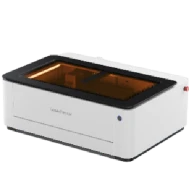
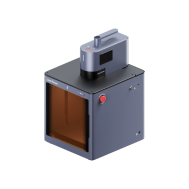
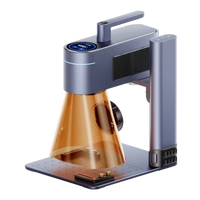
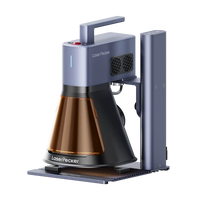
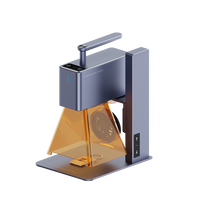
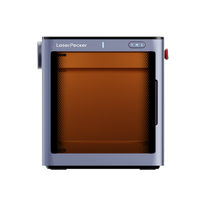
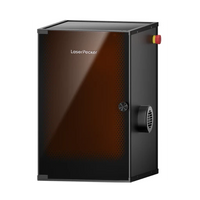
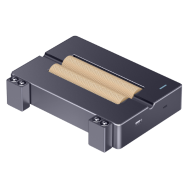
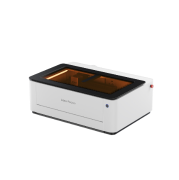
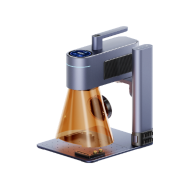
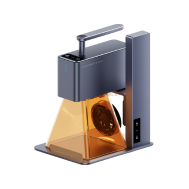
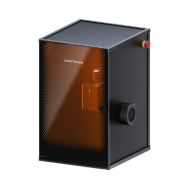
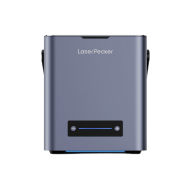
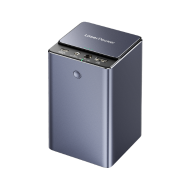
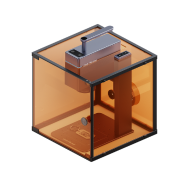
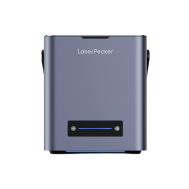
La découpe laser du papier utilise un laser focalisé pour découper le papier à partir de modèles informatiques. Les découpeuses laser actuelles, comme la LaserPecker LX2, permettent aux créateurs de toute l’UE de réaliser efficacement des motifs de flocons complexes.
Cette approche est particulièrement utile pour les entreprises de loisirs créatifs, les marchés de Noël et les designers professionnels qui ont besoin de régularité et d’évolutivité.
Principaux avantages de la découpe laser du papier
1. Haute précision : Les détails fins sont découpés proprement sans endommager le papier.
2. Résultats constants : Le même motif de flocon de neige peut être reproduit parfaitement à chaque fois.
3. Production rapide : Idéale pour fabriquer en série des décorations hivernales ou des décorations événementielles.
4. Flexibilité des matériaux : Compatible avec différents types de papier.
5. Découpe de papiers plus épais : Des machines comme le LaserPecker LX2 peuvent découper du papier d’environ 70 à 300 g/m², y compris du papier cartonné léger, ce qui permet de créer des décorations plus robustes.
Pour les créateurs de l’UE à la recherche d’efficacité et de précision, la découpe laser associe l’esthétique des designs traditionnels à une technologie avancée.
Découpe traditionnelle du papier ou découpe laser : comment choisir ?
Pour choisir entre les méthodes manuelle et laser, tenez compte de la comparaison suivante :
| Découpe traditionnelle du papier à la main | Découpe laser du papier (LaserPecker LX2) | |
|---|---|---|
| Précision | Modérée ; dépend du contrôle de la main | Extrêmement élevée, même pour les motifs complexes |
| Répétabilité | Faible ; chaque flocon de neige varie légèrement | Parfaitement reproductible, avec des résultats identiques |
| Vitesse de production | Lente pour plusieurs pièces | Très rapide ; des dizaines de pièces peuvent être découpées en quelques minutes |
| Complexité des conceptions | Limitée par la dextérité manuelle | Pratiquement illimitée grâce aux conceptions numériques |
| Compétences requises | Faible à modérée ; une main sûre est nécessaire | Utilisation facile ; seules des compétences avancées sont nécessaires pour les logiciels de conception |
| Sécurité | Généralement sûre ; faible risque de coupures de papier | Sûre avec des réglages laser appropriés et sous surveillance |
| Épaisseur du papier | Idéal pour le papier de 70 à 100 g/m² | Compatible avec du papier de 70 à 300 g/m² grâce à une puissance et une vitesse réglables |
La découpe traditionnelle du papier est idéale pour les projets décoratifs simples et les activités en classe. Cependant, pour produire des flocons de neige complexes, professionnels ou en grande série, la découpe laser offre une précision et une efficacité supérieures. Avec des solutions compactes telles que le LaserPecker LX2, même les utilisateurs débutants de l’UE peuvent obtenir des résultats précis et réguliers.
Partie 2 : Comment découper des flocons de neige en papier au laser
La technologie de découpe laser rend la fabrication de flocons de neige en papier efficace et extrêmement précise. Pour les créateurs de toute l’UE — des amateurs aux petits studios créatifs — cette méthode offre des résultats constants et de qualité professionnelle.
Pour les amateurs qui travaillent depuis leur atelier à domicile, les découpeurs laser compacts comme le LaserPecker LX2 sont particulièrement adaptés grâce à leur portabilité et à la compatibilité de leur prise.
Ce dont vous avez besoin avant de découper du papier au laser
D’accord, voici ce dont vous aurez besoin avant de commencer :
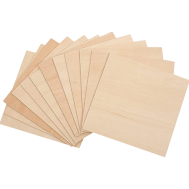
- Papier : Choisissez un papier ni trop fin ni trop épais. Du papier d’imprimante standard devrait convenir.
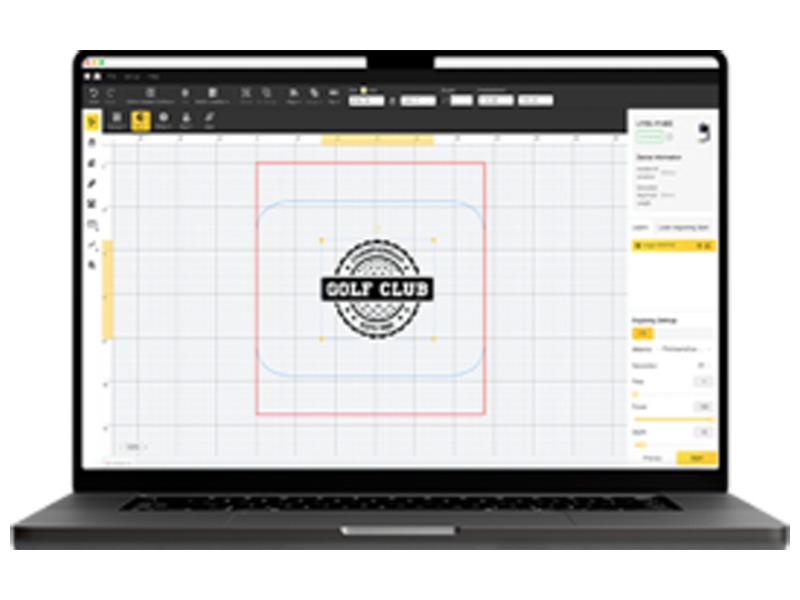
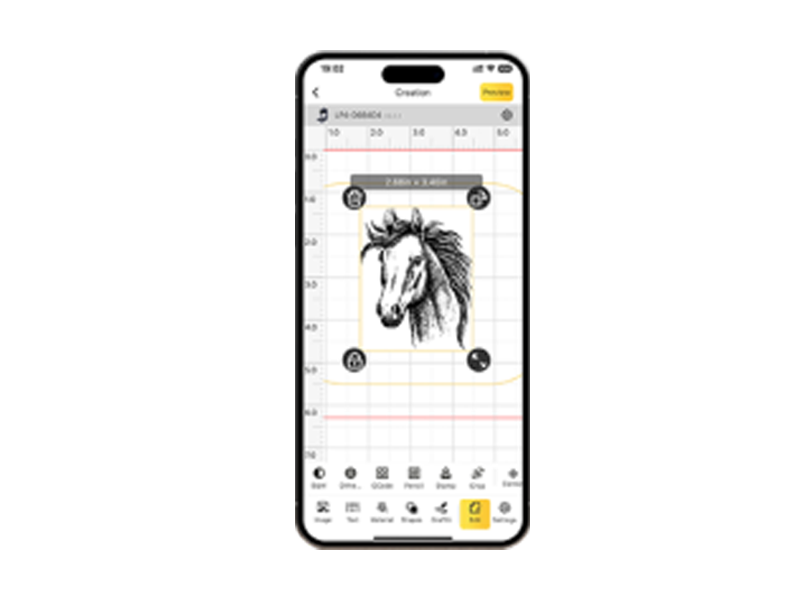
- Fichier de conception : Assurez-vous que votre motif est un fichier vectoriel compatible avec le logiciel de votre LX2, comme LightBurn ou LaserPecker Design Space.
- Découpeur laser : Un modèle LX2 équipé d’un module à diode de 20 W ou de 40 W.
- Équipement de sécurité : Lunettes de protection contre le laser, ruban de masquage ou adhésif temporaire pour fixer le papier.
Guide étape par étape pour découper des flocons de neige en papier avec le LX2
Étape 1 : Préparation du motif
Importez votre fichier vectoriel de flocon dans le logiciel du LX2. Ajustez la taille, l’orientation et les paramètres de découpe en fonction de l’épaisseur du papier.
Étape 2 : Positionnement du papier
Placez le papier à plat sur la plateforme de travail. Fixez-le avec du ruban de masquage ou un adhésif léger pour éviter qu’il ne bouge. Une surface plane garantit des découpes nettes et régulières.
Étape 3 : Réglages du laser
Pour du papier d’imprimante standard, le module à diode de 20 W est généralement suffisant. Ajustez soigneusement la puissance et la vitesse pour éviter de roussir le papier. Effectuez toujours une petite découpe d’essai pour affiner les réglages.
Étape 4 : Alignement précis
Utilisez le système de caméra 12 MP du LX2 pour un positionnement précis. La fonction d’alignement point-forme permet de s’assurer que votre motif de flocon est découpé exactement à l’endroit prévu.
Étape 5 : Commencer la découpe
Commencez la découpe et surveillez les premières lignes afin de vérifier la netteté des bords et l’exactitude des réglages de puissance.
Étape 6 : Retrait et inspection
Soulevez délicatement le flocon terminé. Vérifiez qu’il ne reste pas de découpes incomplètes ni de légères marques de brûlure. Si nécessaire, affinez les réglages avant de produire d’autres pièces.
Étape 7 : Production en série
Après avoir optimisé les réglages, le LX2 permet une production rapide en série. Cela est particulièrement avantageux pour les marchés de Noël de l’UE, les décorateurs d’événements ou la production commerciale à petite échelle.
Partie 3 : Conseils et erreurs courantes lors de la découpe de flocons de neige en papier
Lors de la découpe de flocons de neige en papier au laser, la précision et la sécurité sont essentielles. Voici des recommandations pratiques pour les créateurs de toute l’UE afin de réduire les erreurs au minimum et d’obtenir des résultats homogènes.
1. Éviter les marques de brûlure
Ajustez la puissance et la vitesse du laser en fonction de l’épaisseur du papier (mesurée en g/m²). Effectuez toujours des découpes d’essai sur du papier de rechange avant de commencer votre création finale.
Lorsque le LaserPecker LX2 est utilisé avec Smart Air Assist, le flux d’air contrôlé aide à disperser la chaleur et la fumée pendant la découpe. Cela réduit considérablement les marques de brûlure et produit des bords plus lisses et plus nets — particulièrement utile pour créer des flocons de neige décoratifs destinés à des présentations en intérieur.
2. Évitez les lignes trop fines
Les lignes extrêmement fines peuvent brûler ou se déchirer facilement. En règle générale, maintenez les lignes du motif entre 0,5 et 1 mm de largeur afin de préserver l’intégrité structurelle tout en conservant les détails.
C’est particulièrement important pour les motifs de flocons de neige complexes et symétriques.
3. Testez toujours avant la production complète
Effectuez un test de découpe à petite échelle pour vérifier :
- Une précision d’alignement
- Un dimensionnement correct
- Des réglages de puissance et de vitesse appropriés
Les tests évitent le gaspillage de matériaux et garantissent des résultats réguliers, notamment lors de la production de plusieurs pièces pour des événements ou des marchés saisonniers au Royaume-Uni.
4. Surveillez la sécurité en permanence
Ne laissez jamais le laser sans surveillance pendant son fonctionnement. Gardez un extincteur ou de l’eau à proximité par mesure de précaution.
Pour les ateliers à domicile, assurez-vous de disposer des éléments suivants :
- Une ventilation adéquate
- Des lunettes de protection contre le laser
- La présence d’un adulte si des enfants sont présents
Bien que les découpeuses laser compactes conviennent à une utilisation en intérieur, une utilisation responsable est essentielle.
5. Assurez une bonne manipulation du papier
Le papier doit être posé bien à plat et fixé sur la surface de travail. Utilisez du ruban de masquage ou un adhésif léger pour empêcher les coins de se soulever pendant la découpe, car tout mouvement peut déformer les motifs délicats des flocons de neige.
Résumé
Le respect de ces recommandations pratiques aide les utilisateurs de l’UE à produire des flocons de neige en papier plus nets et plus réguliers, tout en maintenant un environnement de travail sûr. Avec des réglages appropriés et une surveillance attentive, la découpe laser devient une solution fiable pour les loisirs comme pour la production professionnelle à petite échelle.
Partie 4 : FAQ sur la découpe de flocons de neige en papier
Q1. La découpe laser de flocons de neige en papier est-elle sûre dans les ateliers intérieurs de l’UE ?
Oui, à condition de respecter les réglages appropriés et les procédures de sécurité. Le LaserPecker LX2 prend en charge la découpe à faible puissance pour le papier fin et intègre des fonctionnalités axées sur la sécurité. Les utilisateurs doivent :
- Assurez une ventilation adéquate
- Éloignez les matériaux inflammables
- Surveillez la machine en permanence
Le capteur intégré de détection des flammes surveille les risques d’incendie. Si des flammes sont détectées, le système émet une alerte et active automatiquement son module d’extinction d’incendie intégré. Le LX2 convient ainsi aux ateliers de loisirs et aux petits ateliers créatifs dans toute l’UE.
Q2. Quel grammage de papier est idéal pour découper des flocons de neige au laser ?
Le papier de 80 à 120 g/m² offre les résultats les plus nets. Un papier cartonné décoratif plus épais peut nécessiter d’ajuster les réglages de vitesse et de puissance. Grâce à ses modules diode interchangeables, le LaserPecker LX2 peut traiter du papier jusqu’à des grammages de papier cartonné plus élevés sans endommager excessivement les bords.
Il est recommandé d’effectuer des découpes de test avec les papiers couchés ou métallisés.
Q3. Comment réduire les marques de brûlure lors de la découpe laser du papier ?
Pour réduire les décolorations :
- Utiliser des réglages de puissance plus faibles
- Augmenter la vitesse de découpe
- Effectuer des découpes de test préliminaires
- Garder la lentille propre
- Utiliser une assistance pneumatique pour évacuer la fumée
L’assistance pneumatique intelligente améliore la qualité de la découpe en dissipant la chaleur pendant le fonctionnement.
Q4. La découpe laser est-elle plus efficace que la découpe manuelle pour les grandes quantités ?
Oui. Si la découpe manuelle convient aux petits projets personnels, la découpe laser offre une production plus rapide et entièrement reproductible.
Le LaserPecker LX2 permet aux créateurs de l’UE de produire efficacement plusieurs flocons identiques — idéal pour les marchés saisonniers, la décoration de magasins ou les supports pédagogiques.
Q5. Quel est le modèle de flocon le plus facile pour les débutants ?
Les modèles de flocons géométriques de base, avec des sections évidées plus larges, sont les plus faciles pour les débutants. Commencer par des motifs simples permet aux nouveaux utilisateurs de comprendre la symétrie du pliage avant de passer à des designs plus complexes et superposés.
Q6. Existe-t-il des normes européennes de sécurité laser à prendre en compte lors de la découpe du papier ?
Oui. Les utilisateurs de l’UE doivent suivre les consignes générales de sécurité laser, notamment porter une protection oculaire appropriée, assurer une bonne ventilation et respecter les réglementations locales de sécurité en atelier. De nombreuses installations fermées contribuent à maintenir des conditions de travail sûres en intérieur.
Q7. Les décorations en papier découpées au laser peuvent-elles être vendues sur les marchés de Noël européens ?
Oui, à condition que les designs soient originaux ou correctement sous licence. La découpe laser permet d’obtenir une qualité constante, adaptée aux marchés de Noël, aux foires artisanales et aux petites boutiques en ligne dans toute l’UE.
Conclusion
Créer des flocons en papier reste une activité simple et très créative, adaptée aux amateurs, aux enseignants et aux petits studios de design partout en Europe. Que vous préfériez le charme tactile de la découpe manuelle traditionnelle ou la précision et l’efficacité des découpeuses laser avancées, chaque méthode offre des avantages distincts.
La découpe manuelle convient bien aux créations personnelles et à un usage éducatif, tandis que la découpe laser offre une précision, une régularité et une évolutivité supérieures — ce qui la rend idéale pour les projets décoratifs complexes ou la production commerciale à petite échelle au sein de l’UE.
En comprenant les deux techniques, en appliquant des réglages laser corrects et en suivant les consignes de sécurité appropriées, vous pouvez obtenir des résultats nets et détaillés en toute confiance. Quel que soit votre niveau d’expérience, l’expérimentation et la patience sont essentielles. Avec les bons outils et la bonne méthode, chaque flocon en papier peut exprimer votre créativité tout en conservant une qualité professionnelle.