
















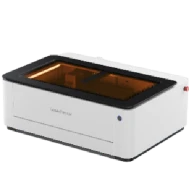
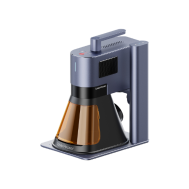
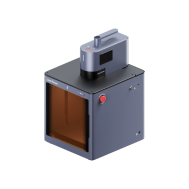
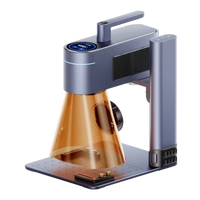





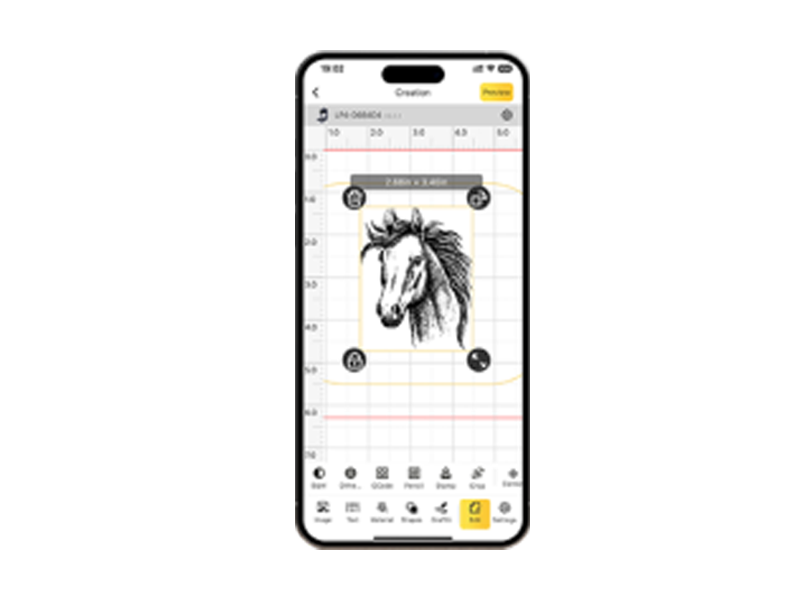



















Stencil cutting plays an important role in both creative and industrial applications, from wall art and fabric printing to packaging, product marking, and custom branding. Producing clean lines, strong stencil bridges, and consistent cuts depends heavily on the machine being used.
Across the EU, many hobbyists, designers, and small workshops now prefer compact cutting systems that offer high precision, material flexibility, and safer indoor use. In this guide, you'll explore what a stencil cutting machine is, compare the four main machine types, and understand their strengths and drawbacks. By the end, you'll have a clearer idea of which solution best suits your workflow, budget, and material requirements.

In this article:
- Part 1: What Is a Stencil Cutting Machine
- Part 2: 4 Types of Stencil Cutting Machines
- Type 1: Manual Stencil Cutting Tools
- Type 2: Plotter Machines
- Type 3: CNC Router Machines
- Type 4: Laser Engraving and Cutting Machine
- Part 3: Why Laser Cutting Machines Are the Best Choice for Precision Stencils
- FAQs: Common Questions About Stencil Cutting Machines
Part 1: What Is a Stencil Cutting Machine?
A stencil cutting machine is used to cut logos, patterns, lettering, and shapes from flat materials to create reusable templates. These openings allow paint, ink, blasting media, or other substances to transfer designs onto surfaces such as fabric, walls, wood, metal, packaging, and industrial components.
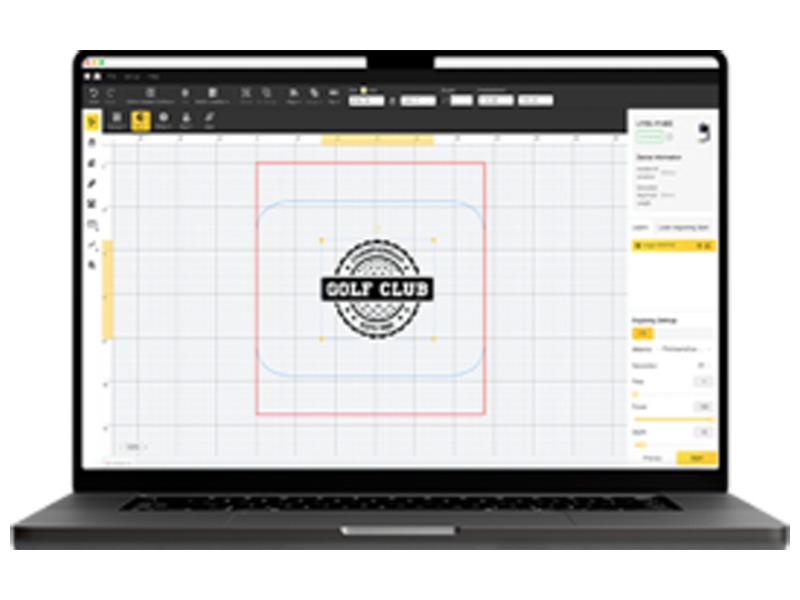
Today, stencil production across the EU commonly relies on digital design software. Once the design is prepared, the machine follows the cutting path precisely to create accurate and repeatable stencil shapes. Better machine control and cutting precision help reduce rough edges and improve stencil durability over repeated use.
Stencil cutting machines are popular among designers, makers, signage businesses, and manufacturing workshops because they can produce both simple and highly detailed stencil patterns efficiently.

What Makes a Good Stencil?
An effective stencil should meet several important standards:
- Precision: Smooth and accurate cutting edges
- Detail Reproduction: Reliable handling of fine details and small lettering
- Strength: Thin bridges and delicate areas stay stable during painting or spraying
- Material Versatility: Compatible with both flexible films and rigid materials
- Consistency: Reproduces the same design accurately across multiple stencil copies
Without precise cutting, users may experience paint bleed, damaged bridge sections, or uneven stencil edges that affect the final appearance.
Common Stencil Materials
Stencil material selection depends on the project type and durability needs:
- Mylar (PET Film): Flexible, reusable, and commonly used for repeated stencil work
- Polypropylene (PP): Chemical-resistant and easy to clean
- Vinyl Film: Adhesive-backed material suitable for masking applications
- Acrylic Sheets: Durable rigid material for long-term stencil use
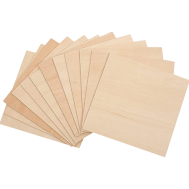
- MDF or Plywood: Often used for thicker decorative or spray-paint stencils
- Cardboard: Budget-friendly option for temporary projects
Stencil materials may vary from thin films around 0.1 mm thick to rigid boards up to 6 mm, depending on the intended application and required durability.
Part 2: 4 Types of Stencil Cutting Machines
Several types of stencil cutting machines are used across creative, commercial, and industrial applications throughout the EU. Each machine type offers different advantages depending on the material, production volume, level of detail, and workflow requirements.
From manual cutting tools to advanced laser systems, understanding the strengths and limitations of each option can help users choose the most suitable stencil cutting solution.
Type 1: Manual Stencil Cutting Tools for Stencils
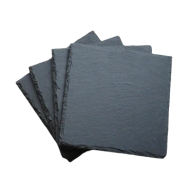
Manual stencil cutting tools are a basic and accessible option for creating simple stencil designs. Typical tools include hobby knives, precision blades, scalpels, and cutting mats. Users manually cut patterns from paper, cardboard, acetate, or thin plastic sheets by following printed or drawn outlines.
This method is often used for hobby projects, educational use, quick prototypes, or low-volume stencil work. Since no software or powered equipment is required, it remains a practical option for beginners and occasional users.
Pros
- Easy Entry Point: No machine setup or software learning required
- Low Equipment Cost: Affordable for occasional stencil production
- Portable Use: Can be used without electricity or workshop equipment
Cons
- Lower Precision: Fine details and clean edges are difficult to achieve consistently
- Slow Workflow: Complex designs require considerable manual effort
- Limited Repeatability: Hard to reproduce identical stencil copies accurately
- Restricted Material Support: Mainly suitable for thin materials
Type 2: Plotter Cutting Machines for Stencils
Plotter cutting machines, also known as vinyl cutters, are commonly used for stencil production with thin and flexible materials. These machines use a small blade to follow vector paths from digital files and cut materials such as masking film, adhesive vinyl, and flexible plastic sheets.
Plotter systems are widely used by designers, print shops, sign makers, and small creative businesses across Europe because they provide relatively accurate cutting with a user-friendly digital workflow.
Pros
- Accurate Cutting Performance: Produces clean stencil edges for standard designs
- Consistent Output: Suitable for repeat stencil production
- Efficient Workflow: Automated cutting improves production speed
Cons
- Limited Material Range: Primarily designed for thin flexible films
- Thickness Restrictions: Not ideal for rigid or heavy materials
- Blade Replacement Needed: Cutting blades wear over time
- Reduced Detail Accuracy: Extremely fine stencil details may be difficult to maintain
Type 3: CNC Router Machines for Stencils
CNC router machines are automated cutting systems that use rotating router bits to process materials. For stencil applications, they are commonly used with MDF, plywood, acrylic, rigid plastics, and other durable sheet materials.
Compared with plotter cutters, CNC routers provide significantly greater cutting strength and material depth capability. They are frequently used in woodworking, industrial manufacturing, fabrication, and commercial signage production.
Pros
- Strong Material Processing Capability: Handles thick and rigid materials effectively
- Automated Precision: Digital workflows improve consistency and repeatability
- Wide Material Compatibility: Suitable for many fabrication applications
Cons
- Higher Purchase Cost: More expensive than entry-level cutting systems
- Larger Workspace Needed: Machines require dedicated workshop space
- Bit Maintenance Required: Router tools wear down during use
- Less Smooth Finishing: Mechanical cutting may leave visible tool marks
Type 4: Laser Engraving and Cutting Machines for Stencils
Laser engraving and cutting machines use concentrated laser beams to cut or engrave materials with extremely high accuracy. Because the process is non-contact, laser systems can create sharp edges, fine internal details, and highly consistent stencil patterns without blade pressure or material distortion.
Laser machines support a wide range of stencil materials, including PET film, polypropylene, acrylic, cardboard, wood, and paper. Across the EU, compact laser cutters are increasingly used by makerspaces, design studios, online businesses, and manufacturing workshops due to their precision, speed, and material versatility.
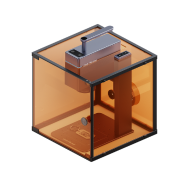
Many enclosed laser systems also support safer indoor operation with Class 1 Laser Safety protection and optional smoke purification systems.
Pros
- Very High Precision: Excellent for detailed artwork and fine lettering
- No Mechanical Blade Wear: Reduces maintenance and improves consistency
- Broad Material Compatibility: Works with both flexible and rigid stencil materials
- Efficient Production Speed: Suitable for prototypes and batch production
- Strong Repeatability: Ideal for consistent stencil manufacturing
Cons
- Higher Upfront Cost: More expensive than manual or blade-based cutters
- Ventilation Recommended: Air filtration or smoke extraction improves indoor safety
Part 3: Why Laser Cutting Machines Are the Best Choice for Precision Stencils
| Method | Precision | Speed | Contact Type | Edge Quality | Complex Designs | Setup Cost |
|---|---|---|---|---|---|---|
| Manual Stencil Cutting Tools | Low | Slow | Yes (Physical Contact) | Rough to Moderate | Limited | Low |
| Plotter Cutting Machines | Medium | Medium | Yes (Blade Contact) | Clean | Moderate | Low to Medium |
| CNC Router Machines | Medium | Slow to Medium | Yes (Tool Contact) | Moderate (May Require Finishing) | Moderate | Medium to High |
| Laser Engraving and Cutting Machines | High | Fast | No (Non-contact) | Very Clean | Excellent | Medium to High |
Laser engraving and cutting machines are widely recognised as one of the most effective solutions for stencil production. Compared with manual tools, plotters, and CNC routers, laser systems offer superior precision, cleaner edges, and stronger repeatability.
These advantages make laser cutters especially suitable for professional stencil applications, detailed artwork, industrial marking, packaging templates, and custom manufacturing projects across the EU.
Reason 1: Excellent for Intricate and High-Detail Designs
Laser systems can process highly detailed stencil patterns with exceptional accuracy. They are capable of cutting:
- Fine text
- Detailed logos
- Complex artwork
- Narrow internal spaces
- Thin stencil bridges
Because the laser beam is highly focused, delicate stencil sections remain clean and structurally stable. This is particularly beneficial for airbrushing, industrial marking, decorative design work, and repeat branding applications.
Reason 2: Broad Material Compatibility
Laser cutting machines support a wide variety of stencil materials, including:
- Mylar (PET film)
- Polypropylene (PP)
- Acrylic
- MDF
- Plywood
- Cardboard
- Thin rubber materials
This flexibility allows a single machine to support both creative and industrial stencil production workflows.
For EU workshops, fabrication studios, and makerspaces, multi-material compatibility helps reduce equipment limitations and improve workflow efficiency.
Reason 3: Non-Contact Cutting Improves Edge Quality
Unlike blade-based systems, laser cutting is completely non-contact. This creates several important benefits:
- No film tearing or blade drag
- Reduced mechanical stress on materials
- Minimal edge burr formation
- Improved stability during cutting
As a result, laser-cut stencils generally produce cleaner paint lines and higher-quality finished results.
The absence of physical blades also reduces ongoing maintenance and helps maintain consistent cutting precision over time.
Reason 4: High Efficiency and Consistent Repeatability
Laser systems follow digital design files with extremely high positioning accuracy. Once the cutting parameters are configured, the same stencil can be reproduced repeatedly with consistent dimensions and quality.
This makes laser cutters ideal for:
- Batch manufacturing
- Packaging production
- Industrial templates
- Product branding
- Commercial stencil fabrication
For small businesses and production workshops across Europe, this repeatability improves efficiency while reducing manual correction work.
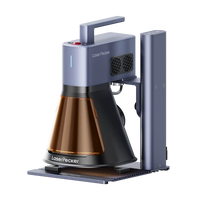
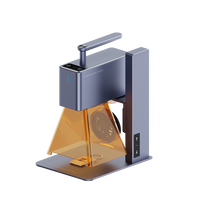
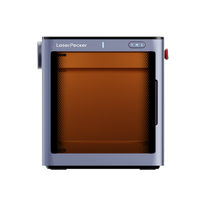
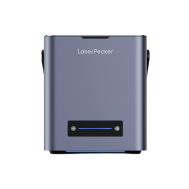
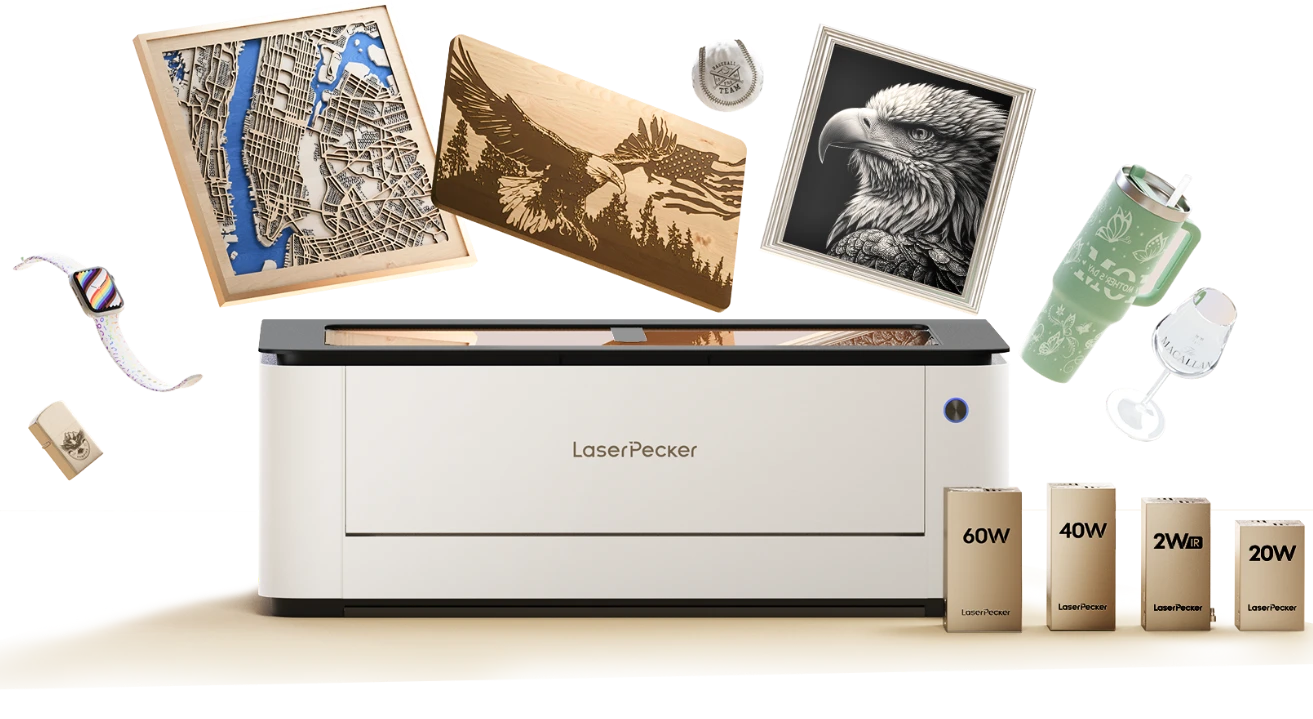
Recommended Laser Cutting Machine for Stencils: LaserPecker LX2
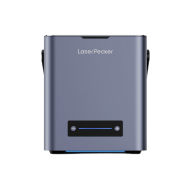
The LaserPecker LX2 combines precise laser control with powerful cutting capability, making it well suited for stencil production, workshop fabrication, and custom manufacturing applications.
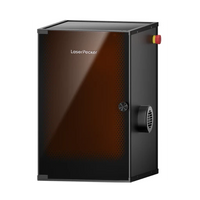
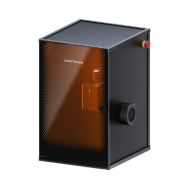
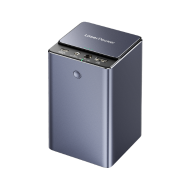
The LX2 also supports Class 1 Laser Safety, which is particularly useful for safer indoor operation in studios, workshops, and makerspaces. For improved indoor air quality, the machine can be paired with the LaserPecker Desktop Smoke Purifier to help filter fumes, odours, and airborne particles generated during laser processing.
-
Ultra-Fine Laser Spot (135.9 × 103.3 μm)
The LX2 uses an ultra-fine laser spot to produce highly detailed cuts with sharp and clean edges. -
Multi-Laser System (450 nm Diode + 1064 nm Infrared)
The LX2 features both a 450 nm diode laser and a 1064 nm infrared laser system, enabling compatibility with over 300 materials. -
Software-Controlled Cutting Paths for Repeat Production
All cutting operations are digitally controlled through software. Once a stencil file is prepared, identical copies can be reproduced efficiently with minimal manual adjustment. -
Large Working Area (Up to 500 mm × 305 mm)
The LX2 provides a working area of up to 500 mm × 305 mm, supporting a wide variety of stencil sizes. The larger cutting space helps reduce repositioning requirements and improves alignment accuracy when producing larger stencil layouts.
FAQs: Common Questions About Stencil Cutting Machines
Q1: What is the best machine for making reusable stencils?
The best machine depends on the stencil material, level of detail, and production volume. Vinyl cutters are suitable for basic adhesive-film stencils, while laser cutting machines are generally preferred for reusable stencil production because they provide cleaner edges, greater precision, and wider material compatibility.
Laser systems are especially useful for detailed artwork, industrial templates, and repeated batch production.
Q2: Can laser cutters cut stencil plastics safely?
Yes, laser cutters can safely process stencil plastics such as PET film, Mylar, polypropylene, and thin acrylic when the correct machine settings are used.
Users should always confirm that the material is laser compatible. PVC and chlorine-based plastics must be avoided because they can release hazardous gases during laser processing.
Proper ventilation or smoke purification is also recommended for indoor workshop environments.
Q3: What materials can be used for laser-cut stencils?
Laser cutting machines can work with a wide range of stencil materials, including:
- Mylar (PET film)
- Polypropylene (PP)
- Acrylic
- Cardboard
- MDF
- Plywood
- Thin rubber sheets
This versatility allows laser systems to support both creative projects and industrial stencil applications using a single machine.
Q4: How thick can stencil materials be when using laser cutters?
Material thickness depends on the laser type, wattage, and cutting speed. Most desktop diode laser machines can process stencil materials from around 0.1 mm to approximately 7 mm thick.
Higher-powered laser systems may handle thicker acrylic or wood materials more efficiently. Correct airflow and speed adjustments help maintain smoother cutting edges.
Q5: Why are laser-cut stencils more precise than blade-cut stencils?
Laser cutters use focused light rather than physical blades, allowing them to create highly accurate cuts without placing mechanical pressure on the material.
This non-contact cutting method helps reduce:
- Material distortion
- Blade drag
- Rough edges
- Tearing on thin films
As a result, laser-cut stencils usually provide sharper paint lines and better repeatability for professional applications.
Q6: Are laser cutters suitable for indoor workshops and studios?
Yes, many modern laser systems are designed for safer indoor operation. The LaserPecker LX2, for example, supports Class 1 Laser Safety, making it suitable for workshops, studios, makerspaces, and creative environments when operated properly.
For improved indoor air quality, users can combine the machine with the LaserPecker Desktop Smoke Purifier to help filter smoke, odours, and particles generated during laser cutting and engraving.
Conclusion
Stencil cutting machines range from simple hand-operated tools to highly advanced digital fabrication systems. Manual tools are cost-effective for basic stencil work, while vinyl cutters are commonly used for thin flexible films. CNC router machines are more suitable for rigid materials and heavy-duty industrial applications.
For users seeking precision, versatility, and reliable repeatability, laser cutting machines provide the strongest overall performance. They support a wide variety of stencil materials, handle intricate designs with accuracy, and enable efficient batch production for both creative and industrial workflows. Across the EU, laser systems are increasingly used by workshops, makerspaces, and small manufacturing businesses because they combine precision cutting with flexible material.