








































Custom jigsaw puzzles are growing in popularity across Europe for personalised gifts, educational use, creative hobbies, and small-scale product businesses. From custom photo puzzles to branded merchandise, more makers and entrepreneurs are looking for reliable puzzle-making equipment that offers both flexibility and consistent cutting quality.
Whether you are starting a puzzle business or upgrading your existing workflow, choosing the right machine is essential for improving efficiency and production results. This article introduces the main types of jigsaw puzzle making machines, outlines their strengths and limitations, and helps you select the best solution according to your production volume, materials, workspace, and budget.

In this article:
- Part 1: What Is a Jigsaw Puzzle Making Machine
- Part 2: 3 Types of Jigsaw Puzzle Making Machine
- Type 1: Die Cutting Machines
- Type 2: Laser Cutting Machines
- Type 3: CNC Router Machines
- Part 3: Why Laser Cutting Machines Are the Best Option for Puzzle Manufacturing
- FAQs: Frequently Asked Questions About Jigsaw Puzzle Making Machines
Part 1: What Is a Jigsaw Puzzle Making Machine?
A jigsaw puzzle making machine is a specialised machine used to cut printed graphics or designs into interlocking puzzle pieces with precise and consistent results. Across the EU, these machines are commonly used for personalised products, educational materials, creative hobbies, and custom merchandise production. Popular materials include cardboard, plywood, acrylic, and composite boards.
The manufacturing process generally starts with printing or applying a design onto the material surface. The machine then cuts the material into puzzle shapes using technologies such as die cutting, laser cutting, or CNC routing. The objective is to produce puzzle pieces with smooth edges, accurate fitting, and reliable cutting quality.
Jigsaw puzzle making machines are suitable for both small-batch customisation and larger-scale production environments. In many EU workshops and creative studios, laser cutting machines have become a preferred option because they provide versatile material compatibility, detailed engraving capabilities, and efficient production workflows.

Part 2: 3 Types of Jigsaw Puzzle Making Machines
There are several types of machines used for jigsaw puzzle manufacturing, each designed for different production scales, materials, and cutting requirements. From industrial die cutting equipment to advanced digital laser systems, each solution offers specific advantages depending on the level of customisation, precision, and workflow efficiency required. Below are three commonly used jigsaw puzzle making machines across European workshops, creative studios, and manufacturing businesses.
Type 1: Die Cutting Machines for Jigsaw Puzzles
Die cutting machines use a pre-manufactured metal die to stamp puzzle shapes into materials such as cardboard or paperboard. This production method is widely used in large-scale manufacturing because it can produce large quantities of identical puzzle pieces quickly and efficiently.
After the die is created, the machine can repeatedly cut the same design with highly consistent results. However, any design modification requires manufacturing a new die, which increases setup costs and production time. As a result, die cutting is generally more suitable for mass production than customised puzzle orders.
Pros
- Efficient Large-Scale Production: High-speed cutting for commercial manufacturing.
- Consistent Results: Produces uniform puzzle pieces across large production runs.
- Cost-Effective for Bulk Orders: Lower unit cost at high volumes.
Cons
- Expensive Die Production: Custom tooling increases upfront costs.
- Limited Production Flexibility: New designs require new dies.
- Less Suitable for Small-Batch Customisation: Not ideal for personalised products.
Type 2: Laser Cutting Machines for Jigsaw Puzzles
Laser cutting machines use a concentrated laser beam to cut puzzle shapes directly from digital files. Unlike die cutting, no physical mould is required, making laser technology highly flexible for custom production and rapid design changes.
Laser cutters are widely used across the EU for personalised puzzles, artistic products, educational materials, and creative merchandise. They are compatible with materials such as wood, acrylic, cardboard, plywood, and composite boards.
Because the process is digitally controlled, laser cutting machines can create highly detailed puzzle patterns with precise edges and consistent quality. Many EU makerspaces and creative workshops prefer laser systems because they support both engraving and cutting while offering efficient production workflows.
Pros
- Excellent Precision: Produces detailed cuts with high consistency.
- No Physical Tooling Needed: Digital designs can be adjusted instantly.
- Ideal for Customisation: Perfect for personalised puzzles and small production batches.
- Wide Material Compatibility: Supports wood, acrylic, cardboard, leather, and more.
- Supports Creative Production: Suitable for studios, designers, and small businesses.
Cons
- Lower Speed for Industrial Volumes: Slower than die cutting for mass manufacturing.
- Higher Initial Investment: Professional laser systems can be costly.
Type 3: CNC Router Machines for Jigsaw Puzzles
CNC router machines use computer-guided cutting tools to carve puzzle shapes from materials such as wood, MDF, plastics, and plywood. The router follows a digital cutting path to achieve precise and repeatable results.
CNC routers are commonly used for durable wooden puzzles and thicker materials that require stronger cutting performance. They are suitable for both customised designs and medium-scale production environments. However, compared with laser cutting systems, CNC routers may produce less intricate detail and usually require more maintenance due to cutting tool wear.
Pros
- Strong Material Processing Capability: Suitable for thick and dense materials.
- Accurate Repeatable Cutting: Reliable for repeated production tasks.
- Well-Suited for Wooden Puzzle Manufacturing: Ideal for durable puzzle products.
Cons
- Slower for Detailed Designs: Complex cutting paths require more processing time.
- Ongoing Tool Maintenance: Router bits need regular replacement.
- Reduced Fine Detail Capability: Less precise than laser cutting for intricate patterns.
Part 3: Why Laser Cutting Machines Are the Best Option for Jigsaw Puzzle Manufacturing
| Method | Precision | Speed | Contact Cutting | Edge Quality | Complex Designs | Setup Cost |
|---|---|---|---|---|---|---|
| Die Cutting Machines | Medium | Very High | Yes | Clean | Limited | High (custom tooling required) |
| Laser Cutting Machines | Very High | High | No | Smooth with slight burn marks possible | Excellent | Medium to High |
| CNC Router Machines | High | Medium | Yes | Clean | Good | Medium |
Among modern puzzle manufacturing technologies, laser cutting machines offer one of the most balanced solutions for precision, flexibility, and production efficiency. Unlike traditional die cutting systems, laser cutters allow rapid design adjustments without physical tooling, making them highly suitable for customised products and creative manufacturing workflows.
For EU creators, design studios, and small production workshops, laser systems provide excellent versatility across multiple materials while maintaining accurate and repeatable cutting quality.
Reason 1: Exceptional Precision and Detailed Cutting
Laser cutting machines follow digital vector paths with extremely high accuracy. This makes it possible to create intricate puzzle geometries, detailed interlocking pieces, and complex artistic patterns with reliable consistency.
High precision is especially important for premium puzzle products and customised designs where clean fitting is essential.
Reason 2: No Physical Tooling Required
Unlike die cutting equipment, laser systems do not rely on physical dies or moulds. Design files can be modified instantly through software, reducing setup costs and improving production flexibility.
This makes laser technology ideal for short production cycles, personalised orders, and frequent design updates.
Reason 3: Perfect for Customisation and Small Production Runs
Laser cutters are highly effective for customised puzzles, prototype development, and small-to-medium production batches. Since no tooling changes are needed, businesses can efficiently produce unique designs without significant additional setup costs.
Many EU creative workshops and makerspaces prefer laser systems because they support agile production and product experimentation.
Reason 4: Smooth Edges with Reduced Post-Processing
Laser cutting produces smooth and accurate edges that often require minimal finishing work. This helps streamline production workflows and improves overall manufacturing efficiency.
Reduced material waste and cleaner cuts are also beneficial for businesses focused on efficient resource usage.
Reason 5: Broad Material Compatibility
Laser cutting machines can process a variety of materials, including wood, acrylic, plywood, cardboard, leather, and MDF. This allows manufacturers to create a wide range of puzzle styles for educational, decorative, and commercial applications.
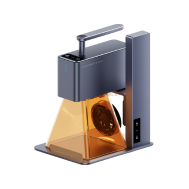
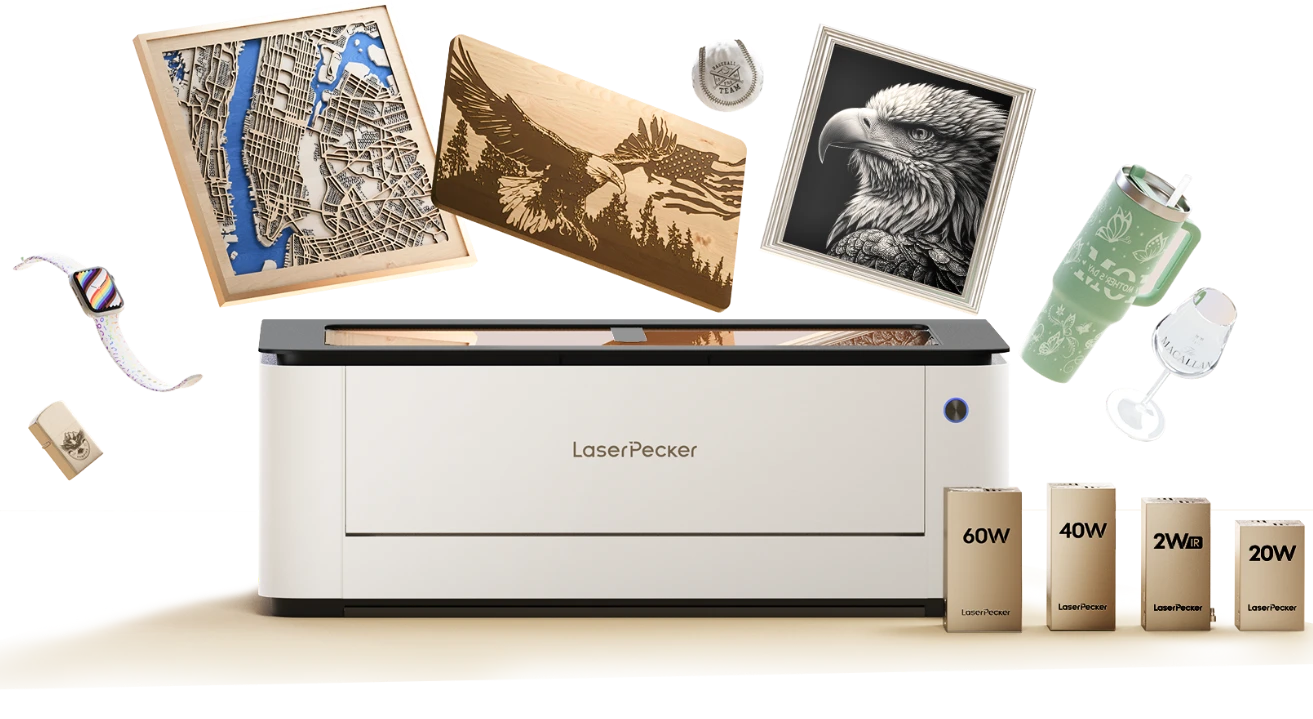
Recommended Laser Cutting Machine for Jigsaw Puzzles: LaserPecker LX2
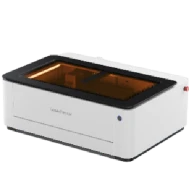
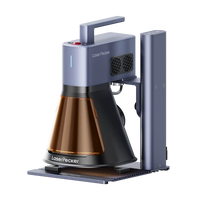
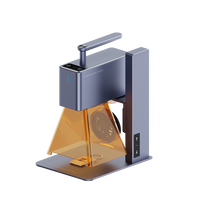
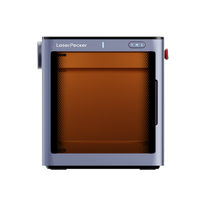
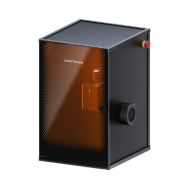
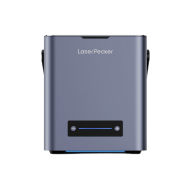
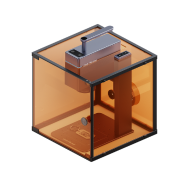
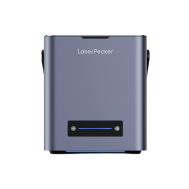
The LaserPecker LX2 is a compact laser cutting and engraving machine designed for creators, workshops, and small businesses focused on customised puzzle production. Its combination of precision, flexible workflow capability, and compact structure makes it well suited for personalised manufacturing environments.
-
Combined Cutting and Engraving Workflow:
The LX2 supports both engraving and cutting within a single process, helping improve production efficiency and workflow convenience. -
Supports Complex Puzzle Patterns:
It enables the production of curved, irregular, and themed puzzle pieces for more creative and distinctive puzzle designs. -
Accurate Cutting Performance:
The LX2 delivers precise cutting quality with smooth edges, helping ensure reliable puzzle assembly and consistent production results. -
Multi-Material Compatibility:
Compatible with wood, MDF, acrylic, cardboard, plywood, and other materials commonly used in puzzle manufacturing. -
Compact Design for Smaller Workspaces:
Its space-saving structure makes the LX2 suitable for EU studios, makerspaces, and small creative workshops with limited workspace availability. -
Class 1 Laser Safety Protection:
The LaserPecker LX2 features Class 1 Laser Safety protection, offering a safer operating environment for indoor creative workspaces and small production studios. -
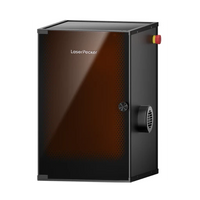
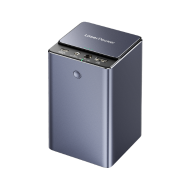
Supports the LaserPecker Desktop Smoke Purifier:
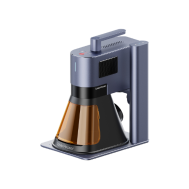
For cleaner indoor operation, the LX2 can be paired with the LaserPecker Desktop Smoke Purifier to help filter smoke, fumes, and odours generated during engraving and cutting processes. This helps improve air quality and supports safer indoor use.
FAQs: Frequently Asked Questions About Jigsaw Puzzle Making Machines
Q1: Which machine is best for manufacturing cardboard jigsaw puzzles?
For high-volume cardboard puzzle manufacturing, die cutting machines are typically the most efficient solution because they can produce large quantities quickly and consistently. For customised products and flexible production, laser cutting machines are often the preferred option.
Q2: Why are laser cutting machines popular for custom puzzle production?
Laser cutting machines are widely used for customised puzzle manufacturing because they allow instant digital design adjustments without requiring physical tooling. They are ideal for personalised puzzles, prototype development, and small-to-medium production runs.
Q3: How much does a puzzle cutting machine cost in Europe?
Pricing depends on the machine type, working area, and production features. Compact desktop laser cutting machines may start from approximately €900–€3,000, while industrial production equipment can cost considerably more. Businesses should also consider maintenance, extraction systems, software, and material costs.
Q4: Can a laser cutting machine be used for a small creative business?
Yes, laser cutters are commonly used by EU creative studios, makerspaces, and independent product businesses. They are particularly suitable for producing personalised puzzles, wooden puzzles, educational products, and artistic merchandise.
Q5: What materials work best for laser-cut puzzles?
Laser cutting machines support a wide range of materials, including plywood, MDF, acrylic, cardboard, leather, and wood. The ideal material depends on the puzzle style, durability requirements, and desired finish quality.
Q6: Are laser cutting machines suitable for indoor workshops?
Many modern desktop laser systems are designed for indoor creative workspaces and compact studios. The LaserPecker LX2 includes Class 1 Laser Safety protection and can be used with the LaserPecker Desktop Smoke Purifier to help filter fumes, smoke, and odours generated during engraving and cutting processes.
Conclusion
Choosing the right jigsaw puzzle making machine depends on your production requirements, workflow efficiency, and business strategy. Die cutting machines are well suited for high-volume cardboard puzzle manufacturing where speed and consistency are essential. Meanwhile, laser cutting machines offer superior flexibility for customised products, creative production, and small-to-medium manufacturing runs.
Across the EU, many creators, workshops, and small manufacturing businesses are increasingly adopting laser systems because they support agile production, detailed customisation, and efficient material processing. Selecting the right machine for puzzle making is an important step towards improving production quality, expanding creative possibilities, and building a profitable puzzle business in 2026.