



















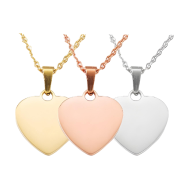
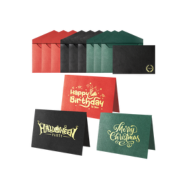


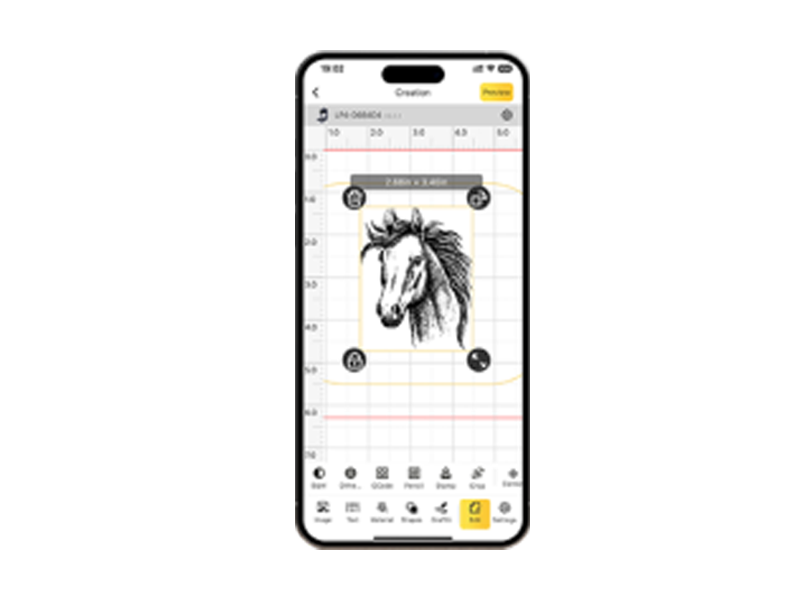



















Pet tags have evolved beyond simple accessories — they are essential for pet identification and safety across the EU. A high-quality tag can help lost pets return home quickly, provide critical medical details, and add a personalised touch.
In this guide, we'll cover the most effective engraving machines for pet tags in 2026 and help you select the right option for your business or creative use across European markets. You'll also learn why laser engravers are a preferred choice, which materials perform best, and how the LaserPecker LP5 delivers precise, efficient, and consistent engraving results.

In this article:
-
Part 1: 5 Types of engraving machines for pet tags
- Type 1: Laser engraving machine
- Type 2: Rotary engraving machine
- Type 3: Dot peen marking machine
- Type 4: Embossing / stamping machine
- Type 5: Handheld engraving pen
- Part 2: Why choose a laser engraving machine for pet tags
- Part 3: Best materials for laser engraved pet tags
- Part 4: Best pet tag engraving machine – LaserPecker LP5
- Part 5: FAQs about pet tag engraving machines
Part 1: Types of Dog Tag Engraving Machines
Selecting the right dog tag engraving machine depends on your materials, production needs, and budget.
Across the EU, users also prioritise safety standards, workspace compatibility, and versatility—particularly for small businesses and home-based creators operating under indoor safety requirements.
Below is an overview of five common engraving machine types and their key differences.
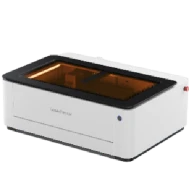
Type 1: Laser Engraving Machine
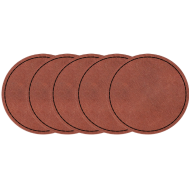
Laser engraving machines use a concentrated light beam to engrave or cut materials with high precision. They are compatible with a wide range of materials, including stainless steel, aluminium, acrylic, and leather.
Why laser engravers are widely used in the EU:
- Deliver precise and detailed engraving results
- High-speed processing for efficient workflows
- Support complex graphics, QR codes, and fine text
- Produce durable, long-lasting markings
- Suitable for automated and scalable production
By 2026, laser engraving machines are expected to dominate the EU pet tag engraving market due to their flexibility and performance.
Type 2: Rotary Engraving Machine
Rotary engraving machines use a spinning cutter to engrave into the material surface. They were traditionally used for metal tags and industrial plates.
Advantages:
- Deep engraving capability on metal
- Classic engraved finish
Limitations:
- High noise levels
- Slower than laser engraving machines
- Requires regular tool replacement
- Limited design flexibility
Many EU businesses are transitioning to laser engraving due to increasing demand for customisation.
Type 3: Dot Peen Marking Machine
Dot peen marking machines create markings by repeatedly striking the surface with a hardened stylus, forming dot-based patterns.
Advantages:
- Extremely durable for industrial marking
- Ideal for large-scale metal identification
Limitations:
- Not visually suitable for pet tags
- Noisy and less refined finish
- Limited design and font options
This method is primarily used in industrial environments rather than for personalised products.
Type 4: Embossing / Stamping Machine
These machines use pressure to stamp characters into metal surfaces.
Advantages:
- Durable and consistent output
- Efficient for repetitive production
Limitations:
- Limited customisation options
- Cannot create logos or detailed graphics
- High tooling costs
- Not suitable for personalised engraving
Due to growing demand for customised pet products across the EU, stamping machines are becoming less popular.
Type 5: Handheld Engraving Pen
Handheld engraving pens allow manual engraving and are available in both electric and manual versions.
Advantages:
- Cost-effective
- Beginner-friendly
Limitations:
- Inconsistent results
- Low precision
- Not suitable for commercial production
- Difficult to engrave small tags accurately
They are mainly used for DIY projects rather than professional applications.
Comparison of Engraving Machine Types
| Engraver Type | Precision | Best For | Speed | Ease of Use |
|---|---|---|---|---|
| Laser Engraver | ★★★★★ | Stainless steel, aluminium, titanium, coated metals | Fast | Easy |
| Rotary Engraving Machine | ★★★★☆ | Deep engraving on metal tags | Medium | Medium |
| Dot Peen Marking Machine | ★★★☆☆ | Industrial marking, serial numbers | Medium | Medium |
| Embossing / Stamping Machine | ★★★☆☆ | Bulk production, traditional tags | Very Fast | Easy to Medium |
| Handheld Engraving Pen | ★★☆☆☆ | DIY tags, soft metals | Slow | Hard |
Part 2: Why Choose a Laser Engraving Machine for Pet Tags
Laser engraving machines are now the leading choice across the EU pet tag market, offering superior accuracy, efficiency, and flexibility compared to traditional engraving technologies.
For EU users, especially small businesses and home-based creators, laser engravers provide a balance of performance, safety, and customisation—making them ideal for indoor and commercial use.
Unmatched Precision
Laser engraving delivers extremely fine and precise results, making it ideal for small-format items such as pet tags.
- Accurate engraving of names and contact details
- High readability on compact surfaces
- Reliable engraving of QR codes
This precision ensures that all essential information remains clear and legible.
Speed and Efficiency
Laser engraving systems operate much faster than traditional engraving machines. Advanced laser systems can complete a pet tag in seconds.
They are well suited for:
- Retail environments and kiosks
- Veterinary clinics
- E-commerce businesses with high order volumes
- Custom product workshops
Fast processing speeds support efficient workflows and scalable production.
Wide Material Compatibility
Laser engraving machines support a broad range of materials used in pet tag production:
- Stainless steel
- Aluminium
- Brass
- Titanium
- Acrylic
- Anodised metals
- Coated surfaces
This versatility allows businesses to expand their product offerings and meet diverse customer needs across EU markets.
Consistent and Durable Quality
Laser-engraved markings are clean, precise, and highly resistant to wear. They maintain their clarity even under frequent use and exposure to outdoor conditions.
This makes them suitable for active pets and long-term identification purposes.
Flexible Customisation Capabilities
Laser engraving enables advanced personalisation beyond what traditional methods can achieve.
You can create:
- Logos and branding elements
- Icons and graphics
- QR codes
- Photo engravings (using fibre or IR laser technology)
- Decorative textures
This level of customisation is increasingly important in the EU, where demand for personalised products continues to grow.
User-Friendly Operation
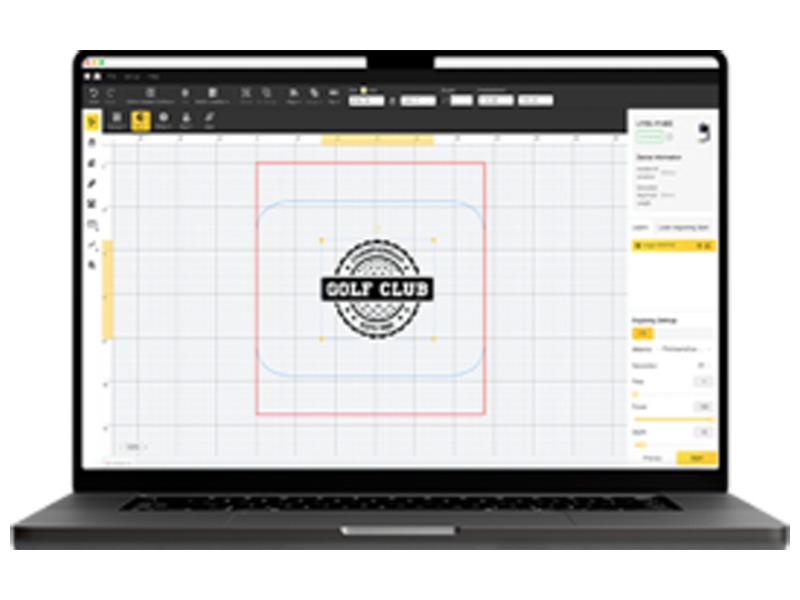
Modern laser engraving machines come with intuitive software, such as LightBurn, simplifying the engraving process.
Users can:
- Easily create and edit designs
- Import images and vector files
- Adjust engraving parameters
This reduces the learning curve and improves workflow efficiency.
Cost Efficiency Over Time
While the initial investment may be higher, laser engraving machines offer strong long-term value:
- Low maintenance and no consumable cutting tools
- Efficient for both small-scale and bulk production
- Reduced labour requirements
- Minimal waste generation
- Increased revenue opportunities through customisation
For EU businesses, laser engravers are a cost-effective solution that supports scalable and sustainable production.
Safety Considerations for EU Users
In the EU, safety compliance is an important factor when choosing engraving equipment. Many users prefer machines that align with Class 1 laser safety standards, making them suitable for indoor use in workshops, retail environments, and home settings.
Part 3: Best Materials for Laser Engraved Pet Tags
Selecting the right material plays a key role in the durability, engraving quality, and overall appearance of pet tags.
Across the EU, users often prioritise long-lasting materials, safety, and product quality—especially for pets that spend time outdoors or require reliable identification.
Here are the most commonly used materials for laser engraved pet tags and their advantages.
Acrylic
Acrylic is widely used for decorative and personalised pet tags, offering flexibility in design and colour.
Key advantages:
- Available in a wide range of colours and finishes
- Easy to laser cut and engrave into custom shapes
- Supports intricate patterns and creative designs
- Lightweight and comfortable for small pets
- Affordable for both small-scale and bulk production
Considerations:
- Less scratch-resistant than metal
- Better suited for indoor or low-impact use
Acrylic is ideal for visually appealing and customised pet accessories.
Stainless Steel
Stainless steel is one of the most durable materials for pet tags and is widely used across the EU.
Key advantages:
- Strong resistance to wear, scratches, and corrosion
- Suitable for outdoor environments
- Long lifespan
- Produces clear and legible engravings
- Works well with fibre and infrared laser systems
It is particularly suitable for active pets and long-term identification.
Brass
Brass offers a distinctive and classic appearance, making it popular for premium pet tags.
Key advantages:
- Warm, gold-toned finish
- High contrast engraving results
- Softer material allows deeper engraving
- Ideal for decorative or vintage-style designs
Considerations:
- Naturally develops a patina over time
This aged look is often valued for its aesthetic appeal.
Aluminium
Anodised aluminium is a lightweight and cost-effective material with strong visual appeal.
Key advantages:
- Easy to engrave with high contrast
- Lightweight and suitable for small pets
- Available in multiple colours and shapes
- Cost-efficient for large-scale production
Aluminium is commonly used by EU businesses offering customised and colourful pet tags.
Titanium
Titanium is a high-performance material that combines strength, durability, and comfort.
Key advantages:
- Extremely durable and corrosion-resistant
- Lightweight yet strong
- Hypoallergenic, ideal for sensitive animals
- Produces high-quality engravings with fibre lasers
Titanium is often considered a premium option in the EU market, suitable for long-lasting and high-end pet tags.
Part 4: The Ideal Pet Tag Engraving Machine – LaserPecker LP5
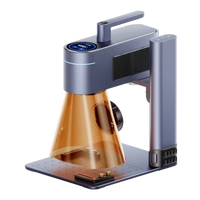
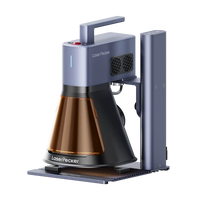
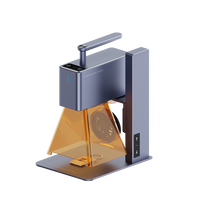
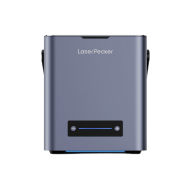
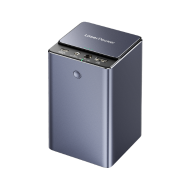
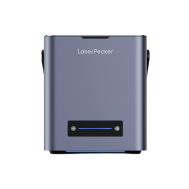
For pet businesses, engraving services, and small enterprises across the EU, the LaserPecker LP5 Laser Engraver offers a versatile and efficient solution for producing high-quality pet tags in 2026.
Its dual-laser design, compact size, and safety compatibility make it particularly suitable for indoor workshops, retail environments, and small-scale production setups.
What Makes the LP5 Ideal for Pet Tag Engraving?
The LP5 integrates both a 20W fibre laser (1064 nm) and a 20W diode laser (450 nm) into one machine, enabling users to work with a wide range of materials.
1. Full Metal Engraving Capability
The fibre laser module supports precise engraving on:
- Stainless steel
- Brass
- Aluminium
- Titanium
- Coated metals
It delivers durable, high-contrast results suitable for long-term identification and outdoor use.
2. Wide Material Compatibility
The diode laser allows engraving and cutting on non-metal materials:
- Acrylic
- Plastics
- Painted surfaces
- Wood and leather items
This versatility enables EU businesses to expand their product range and meet diverse customer demands.
3. High-Speed Performance
With speeds of up to 10,000 mm/s, the LP5 supports efficient production workflows.
- Fast turnaround for custom orders
- Suitable for retail and e-commerce operations
- Ideal for scalable production
This is particularly beneficial for EU businesses handling personalised product orders.
4. Engraving and Cutting Functions
The LP5 supports both engraving and cutting:
- Fibre laser: cuts up to 1 mm metal
- Diode laser: cuts up to 12 mm wood and dark acrylic
This allows for complete customisation, including creating unique shapes and designs.
5. Compact and Flexible Setup
The LP5 is designed for flexible use across different environments:
- Retail shops and kiosks
- Home-based workshops
- Craft markets and events
Its compact size makes it ideal for businesses operating in limited spaces across the EU.
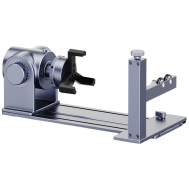
6. Rotary Module Support
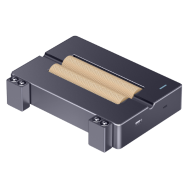
With an optional rotary attachment, users can engrave:
- Round tags
- Cylindrical objects
- Curved surfaces
This enhances creative possibilities and product diversity.
7. Easy-to-Use Software
The LP5 is compatible with:
- LightBurn
- LaserPecker Design Space
These tools allow users to quickly create and customise designs, making the machine accessible to both beginners and experienced users.
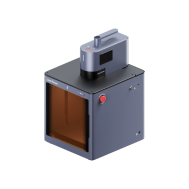
8. Safety and Compliance for Indoor Use
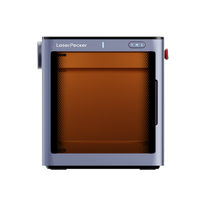
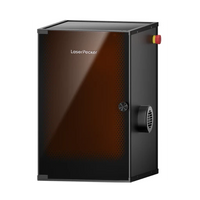
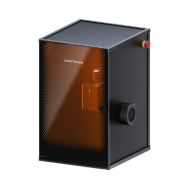
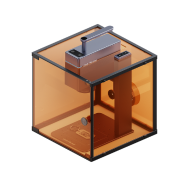
With the optional enclosure, the LP5 can meet Class 1 laser safety standards, which is an important consideration in the EU.
This makes it suitable for:
- Indoor workshops
- Retail environments
- Educational settings
Safety compliance is a key factor for EU users when selecting engraving equipment.
Why the LP5 is a Strong Choice in the EU Market
The LaserPecker LP5 Laser Engraver offers a combination of performance, flexibility, and safety:
- Compatible with a wide range of materials
- Supports both engraving and cutting
- High-speed operation for efficient production
- Designed for safe indoor use
For EU businesses, it is a scalable and cost-effective solution for customised pet tag production.
Part 5: FAQs About Pet Tag Engraving Machines
1. What is the best engraving machine for metal pet tags?
A fibre laser engraver is the best option for metal pet tags. It provides precise, durable, and high-contrast markings on materials such as stainless steel, aluminium, brass, and titanium.
For businesses that require flexibility, a dual-laser solution like the LaserPecker LP5 Laser Engraver allows engraving on both metal and non-metal materials.
2. What is the difference between laser etching and laser engraving?
Laser etching creates shallow surface marks, while laser engraving penetrates deeper into the material.
Engraving is more suitable for pet tags because it produces long-lasting results that resist wear, weather, and frequent use.
3. Are laser engraving machines a good investment?
Yes, laser engraving machines are considered a cost-effective investment.
They provide:
- Efficient production
- Low maintenance costs
- No consumable cutting tools
- High-quality customisation
For EU businesses, they are ideal for scaling personalised product offerings.
4. What materials are commonly used for pet tags in the EU?
Common materials include:
- Stainless steel for durability
- Aluminium for lightweight and colourful designs
- Brass for decorative finishes
- Acrylic for custom shapes
- Titanium for premium applications
Material selection depends on durability, design, and intended use.
5. Is laser engraving safe for indoor use?
Yes, laser engraving can be safe for indoor use when proper safety measures are in place.
Many users in the EU prefer machines that meet Class 1 laser safety standards, especially for use in:
- Workshops
- Retail environments
- Home setups
6. What do I need to start a pet tag engraving business?
To start a pet tag engraving business in the EU, you typically need:
- A laser engraving machine (such as the LaserPecker LP5 Laser Engraver)
- Design software (e.g. LaserPecker Design Space)
- Suitable materials (metal or acrylic tags)
- A safe and ventilated workspace
This type of business is scalable and can be started with relatively low initial investment.
Conclusion
Selecting the best pet tag engraving machine requires careful consideration of your materials, production needs, budget, and desired engraving quality.
Although traditional systems such as rotary, stamping, and dot peen machines are still available, laser engraving provides clear advantages in precision, efficiency, durability, and design flexibility.
Fibre lasers are ideal for metal engraving, while diode and CO₂ systems are better suited for acrylic, wood, and other non-metal materials.
Laser engraving machines deliver consistent, high-quality results across various materials—whether producing durable stainless steel tags, lightweight aluminium designs, or premium titanium products.
The LaserPecker LP5 Laser Engraver is one of the most advanced options available, combining a dual-laser system with a compact and versatile design. It is particularly well suited for EU users who require efficient, scalable, and indoor-compatible engraving solutions.
For businesses aiming to grow or optimise their pet tag production in 2026, the LP5 represents a flexible and cost-effective long-term investment.