








































Les médailles gravées sont largement utilisées en Europe pour les compétitions sportives, les récompenses d’entreprise, les événements scolaires et les cadeaux personnalisés. Choisir la bonne machine de gravure de médailles est essentiel pour obtenir des résultats nets, améliorer l’efficacité de la production et réduire les coûts d’exploitation à long terme.
En 2026, de nombreuses machines de gravure sont disponibles pour les particuliers comme pour les ateliers professionnels, ce qui rend difficile le choix de la meilleure solution.
Ce guide compare les quatre principaux types de machines de gravure de médailles et met en évidence leurs points forts, leurs applications et leurs limites. Des graveuses laser compactes aux systèmes de gravure rotatifs, vous découvrirez quelles machines offrent la meilleure précision, flexibilité et sécurité pour les projets de gravure modernes sur le marché de l’UE.

Dans cet article :
- Partie 1 : 4 types de machines de gravure de médailles
- Type 1 : Machine de gravure laser
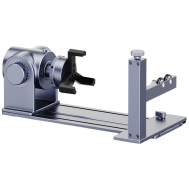
- Type 2 : Machine de gravure CNC / rotative
- Type 3 : Machine de marquage par percussion
- Type 4 : Outil de gravure portatif
- Partie 2 : Comment choisir la meilleure machine de gravure de médailles
- Partie 3 : FAQ sur les machines de gravure de médailles
Partie 1 : 4 meilleures machines de gravure de médailles
Différentes technologies de gravure sont conçues pour répondre à différents besoins de production, types de matériaux et styles de gravure. Voici un aperçu des machines de gravure de médailles les plus couramment utilisées sur le marché de l’UE, ainsi que des avantages offerts par chaque système.
Type 1 : Machine de gravure laser pour médailles
Les machines de gravure laser utilisent un faisceau laser concentré pour graver des motifs sur la surface des médailles à partir de fichiers de conception numériques. Comme le processus est entièrement sans contact, le laser peut réaliser des gravures précises et reproductibles sans endommager les surfaces délicates des médailles.
Les systèmes de gravure laser sont largement utilisés en Europe pour les médailles personnalisées, les récompenses d’entreprise, les trophées sportifs et les cadeaux personnalisés, car ils combinent rapidité, précision et flexibilité.
Pourquoi la gravure laser est idéale pour les médailles :
- Produit des lignes de gravure nettes et des résultats très détaillés
- Garantit une qualité de gravure constante sur plusieurs médailles
- Prend en charge les textes fins, les logos, les codes QR, les numéros de série et les motifs décoratifs
- Compatible avec les métaux, le bois, l’acrylique, le cuir et la pierre
- Convient aussi bien aux particuliers qu’aux ateliers de gravure professionnels
Dans cette catégorie, les solutions de machines de marquage laser à fibre sont spécialement conçues pour la gravure directe sur métal.
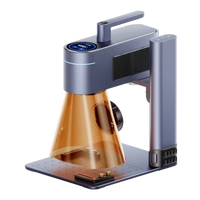
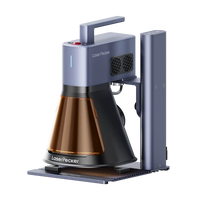
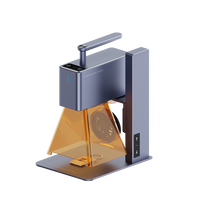
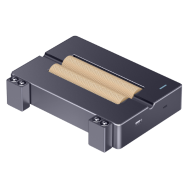
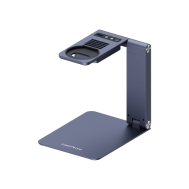
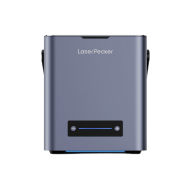
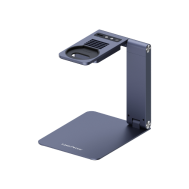
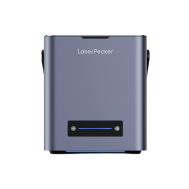
Des systèmes tels que LaserPecker LP5 utilisent des longueurs d’onde laser plus courtes qui interagissent efficacement avec les surfaces métalliques. Ils permettent de graver directement l’acier inoxydable, le laiton, l’aluminium, le titane et des matériaux similaires, souvent sans nécessiter de revêtement supplémentaire. Les graveuses laser à fibre sont très appréciées pour leur rapidité, leur durabilité et leur capacité à produire des marquages très détaillés sur des surfaces de médailles compactes.
Sur le marché de l’UE, de nombreux utilisateurs accordent également la priorité à la sécurité laser et à l’utilisation en intérieur. Les graveuses laser compactes associées à des systèmes de purification des fumées sont de plus en plus populaires dans les petits ateliers, les studios et les entreprises de gravure à domicile.
Certaines machines de gravure laser avancées peuvent également réaliser des gravures profondes et des effets de gravure 3D sur des médailles en bois, en pierre et en cuivre. Cela permet de créer des illustrations en plusieurs niveaux, des surfaces texturées et des designs de médailles visuellement saisissants, au-delà du marquage de surface standard.
Type 2 : Machine de gravure CNC / rotative pour médailles
Les machines de gravure CNC et rotative utilisent des outils de coupe rotatifs pour graver mécaniquement des motifs dans les matériaux des médailles. Le processus de coupe est contrôlé par un logiciel piloté par ordinateur afin de garantir une précision de gravure reproductible.
Principaux avantages :
- Excellent contrôle de la profondeur pour les applications de gravure profonde
- Conviennent aux matériaux épais ou durables
- Fréquemment utilisées pour la signalétique, les plaques industrielles et les badges métalliques
Comme l’outil de coupe entre physiquement en contact avec la surface, les besoins d’entretien sont généralement plus importants en raison de l’usure de l’outil. Les systèmes de gravure rotative peuvent également avoir des difficultés à reproduire des détails extrêmement fins et de petites inscriptions par rapport aux machines de gravure laser.
Ces systèmes sont généralement choisis lorsqu’une gravure mécanique profonde est nécessaire plutôt qu’une gravure décorative en surface.
Type 3 : Machines de marquage par percussion
Les machines de marquage par percussion créent des marquages en frappant rapidement la surface du matériau à l’aide d’un stylet trempé. Elles sont largement utilisées dans la fabrication industrielle, car les marquages sont très durables et résistants à l’usure.
Avantages :
- Crée des marquages industriels permanents
- Ne nécessite aucun consommable
- Efficace pour les numéros de série et les codes de suivi
Limites :
- Détails de gravure limités
- Ne convient pas aux finitions de médailles polies ou décoratives
- Produit des marquages plus grossiers que la gravure laser
Bien que les systèmes de marquage par percussion soient fiables pour l’identification industrielle, ils conviennent généralement moins à la gravure de médailles décoratives ou de récompenses haut de gamme.
Type 4 : Outils de gravure portatifs
Les outils de gravure portatifs permettent aux utilisateurs de graver manuellement des motifs en guidant une pointe de gravure motorisée sur la surface du matériau.
Avantages :
- Option économique pour les débutants
- Portables et faciles à transporter
- Adaptés aux projets personnels simples
Limites :
- Nécessitent des compétences en gravure manuelle
- Qualité de gravure irrégulière
- Inefficaces pour la production à grande échelle
Ces outils sont principalement utilisés pour la gravure de loisir, les réparations rapides ou la personnalisation occasionnelle, plutôt que pour la fabrication professionnelle de médailles.
Tableau comparatif des machines de gravure de médailles
| Type de machine | Précision | Compatibilité des matériaux | Qualité des détails | Maintenance | Production en série | Cas d’utilisation idéal |
|---|---|---|---|---|---|---|
| Gravure laser | Très élevée | Métal, bois, acrylique, cuir, pierre | Excellente | Faible | Excellente | Médailles personnalisées, gravure haut de gamme, récompenses personnalisées |
| Gravure CNC / rotative | Moyenne à élevée | Métal, plastique, bois | Bonne | Moyenne | Bonne | Gravure profonde, gravure industrielle |
| Marquage par percussion | Faible à moyenne | Métaux | De base | Faible | Moyenne | Numéros de série, marquage industriel |
| Outils de gravure portatifs | Faible | La plupart des surfaces | Faible | Élevée | Faible | Gravure de loisir, ajustements occasionnels |
La comparaison montre clairement qu’en 2026, la technologie de gravure laser offre le meilleur équilibre entre précision, flexibilité et qualité de gravure pour la gravure de médailles. Par rapport aux méthodes mécaniques traditionnelles, les systèmes de gravure laser à fibre offrent des finitions plus nettes, une reproduction plus fine des détails et une meilleure régularité, aussi bien pour les projets de gravure personnalisés que pour la production à grande échelle.
Partie 2 : Comment choisir la meilleure machine de gravure de médailles
Le choix de la machine de gravure de médailles adaptée dépend du type de travaux de gravure que vous prévoyez de réaliser, des matériaux utilisés et du niveau de précision requis. Voici les principaux facteurs que les utilisateurs de l’UE doivent prendre en compte avant de choisir un système de gravure.
① Scénarios d’application
Commencez par examiner vos applications de gravure prévues. Si vous créez des médailles personnalisées pour des compétitions sportives, des établissements scolaires, des récompenses d’entreprise ou des événements commémoratifs, vous aurez besoin d’une machine capable de produire des textes et des graphiques très détaillés.
Pour les tâches de marquage industriel telles que les numéros de série ou les codes d’identification, des systèmes de marquage plus simples peuvent convenir. Toutefois, les systèmes de gravure laser sont généralement privilégiés pour la gravure décorative de médailles haut de gamme.
② Précision de gravure
La précision joue un rôle majeur dans la gravure de médailles, car les petits textes, les dates et les logos doivent rester nets et faciles à lire.
Les systèmes de gravure laser sont réputés pour :
- Grande précision de gravure
- Répétabilité constante
- Reproduction précise des détails
- Finitions de gravure lisses
Ces fonctionnalités rendent les graveurs laser particulièrement adaptés à la production de médailles personnalisées et à la gravure professionnelle de récompenses.
③ Compatibilité des matériaux
Les différents systèmes de gravure sont conçus pour différents matériaux.
Les machines de gravure laser sont compatibles avec :
- Acier inoxydable
- Aluminium
- Laiton
- Acrylique
- Cuir
- Bois
- Métaux revêtus
Les systèmes de gravure CNC et rotative sont performants pour les applications de gravure profonde, mais peuvent avoir des difficultés avec les graphismes extrêmement fins. Les systèmes de marquage par percussion sont principalement conçus pour le marquage industriel des métaux plutôt que pour la gravure décorative.
Pour les ateliers et studios créatifs de l’UE, les graveurs laser offrent l’une des solutions de gravure les plus flexibles disponibles.
④ Efficacité de la production et traitement par lots
Pour les utilisateurs qui produisent des médailles en grandes quantités, notamment pour des écoles, des événements sportifs, des clubs ou des entreprises de gravure commerciales, l’automatisation et l’efficacité sont essentielles.
Les systèmes de gravure laser favorisent une production en série efficace, car ils permettent de :
- Fonctionner au moyen de flux de travail numériques
- Obtenir une qualité de gravure hautement reproductible
- Réduire le travail manuel
- Traiter rapidement et précisément plusieurs médailles
Comparés aux outils de gravure manuels, les graveurs laser améliorent considérablement la vitesse de production tout en maintenant une qualité de gravure constante.
⑤ Coûts d’utilisation et maintenance
Les systèmes de gravure mécanique nécessitent souvent le remplacement et l’étalonnage réguliers des lames. Bien que les systèmes de marquage par percussion nécessitent généralement moins d’entretien, ils produisent le plus souvent des marquages d’aspect plus rugueux.
Les systèmes de gravure laser offrent généralement :
- Besoins réduits en maintenance
- Usure mécanique réduite
- Remplacement minimal des consommables
- Performances à long terme plus stables
La gravure laser constitue ainsi un investissement pratique à long terme, aussi bien pour les particuliers que pour les professionnels de la gravure.
⑥ Facilité d’utilisation et sécurité en intérieur
Les machines de gravure laser modernes sont équipées de logiciels faciles à utiliser pour les débutants, ce qui les rend plus simples à utiliser que les systèmes de gravure CNC traditionnels.
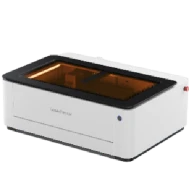
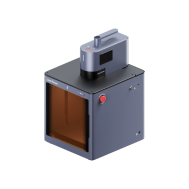
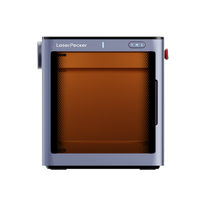
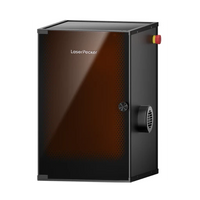
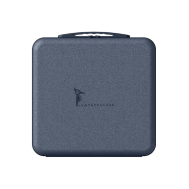
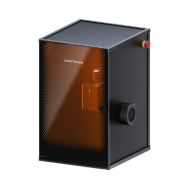
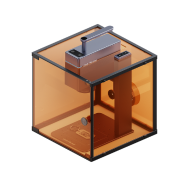
Pour de nombreux utilisateurs de l’UE, la sécurité en intérieur et la filtration de l’air sont également des critères importants. Associé à la enceinte de sécurité LaserPecker LP5, le système LP5 peut atteindre le niveau de sécurité laser de classe 1, contribuant ainsi à créer un environnement de gravure plus sûr pour les ateliers à domicile, les studios et les petites entreprises.
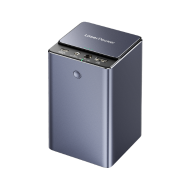
La LP5 peut également fonctionner avec le purificateur de fumée de bureau LaserPecker, qui aide à filtrer la fumée, les émanations et les odeurs désagréables générées pendant les processus de gravure et de découpe. Cela améliore la qualité de l’air intérieur et favorise une utilisation plus sûre en intérieur.
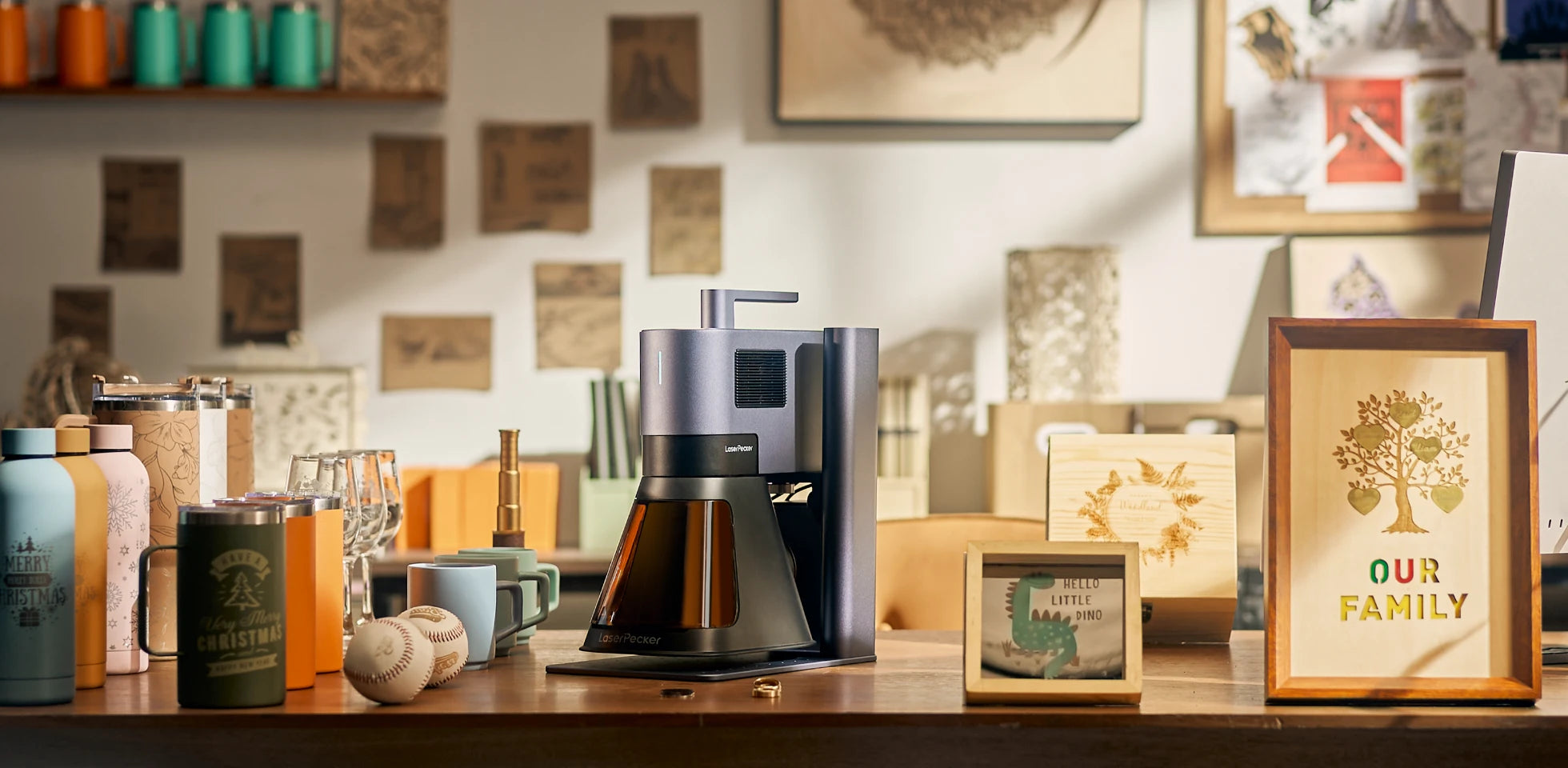
Recommandé – Meilleure machine de gravure de médailles : LaserPecker LP5
En 2026, pour la gravure de médailles, les machines de gravure laser continuent d’offrir l’une des meilleures combinaisons de précision, de rapidité, de polyvalence et de rentabilité à long terme.
La LaserPecker LP5 est particulièrement adaptée à la gravure personnalisée de médailles, car elle associe des performances de gravure détaillées à une utilisation conviviale.
Principaux avantages de la LP5 :
- Gravure haute définition pour les textes, logos et motifs décoratifs
- Qualité de gravure constante pour la production par lots
- Vitesses de gravure élevées pour les flux de production commerciaux
- Le traitement laser sans contact contribue à minimiser les dommages aux matériaux
- Compatible avec l’acier inoxydable, l’aluminium, l’acrylique, le cuir, le bois et les métaux revêtus
- Prend en charge les fonctions de gravure et de découpe dans une seule machine
Pour les utilisateurs de l’UE qui exploitent de petits ateliers ou des studios créatifs, la LP5 offre des avantages supplémentaires grâce à sa conception compacte, à ses capacités de gravure flexibles et à son intégration efficace dans le flux de travail. Elle convient donc parfaitement aussi bien à la production personnalisée qu’aux projets de gravure des petites entreprises.
La LaserPecker LP5 offre une combinaison équilibrée de précision de gravure, d’efficacité de production et de polyvalence des matériaux, ce qui la rend idéale pour les médailles sportives, la gravure de récompenses, les cadeaux personnalisés et les produits promotionnels personnalisés.
Partie 4 : FAQ sur les machines de gravure de médailles
Q1 : Combien coûte la gravure d’une médaille en Europe ?
Le coût de gravure d’une médaille dépend de plusieurs facteurs, notamment du matériau de la médaille, de la profondeur de gravure, de la complexité du design et du volume de production. La simple gravure d’un nom est généralement moins coûteuse, tandis que les logos détaillés et les visuels personnalisés peuvent coûter davantage.
Pour les ateliers, clubs sportifs, écoles et entreprises de gravure de l’UE qui produisent régulièrement des médailles, investir dans une machine de gravure laser peut réduire considérablement les coûts de gravure à long terme.
Q2 : Avec quels matériaux les machines de gravure de médailles peuvent-elles fonctionner ?
Les machines modernes de gravure laser et de gravure laser à fibre sont compatibles avec une large gamme de matériaux, notamment :
- Acier inoxydable
- Aluminium
- Laiton
- Titane
- Acrylique
- Cuir
- Bois
- Métaux revêtus
Les systèmes de gravure CNC et rotative sont souvent utilisés pour graver le métal et le plastique, tandis que les machines de marquage par percussion sont principalement destinées aux applications de marquage industriel des métaux.
Q3 : Pourquoi la gravure laser est-elle populaire pour la gravure de médailles ?
La gravure laser est largement privilégiée pour la gravure de médailles, car elle offre :
- Grande précision de gravure
- Finitions de surface propres
- Excellente répétabilité
- Vitesses de production élevées
- Gravure détaillée de logos et de textes
Par rapport aux systèmes de gravure rotative, les graveurs laser produisent généralement des résultats plus raffinés pour les médailles décoratives et les récompenses personnalisées.
Q4 : Les machines de gravure laser conviennent-elles aux petites entreprises ?
Oui. Les systèmes compacts de gravure laser sont de plus en plus populaires auprès des petites entreprises, des studios créatifs et des ateliers à domicile partout en Europe.
Ils sont couramment utilisés pour :
- Médailles sportives
- Récompenses d’entreprise
- Cadeaux personnalisés
- Produits promotionnels
- Services de gravure personnalisée
De nombreux graveurs laser modernes prennent également en charge le traitement automatisé par lots, ce qui les rend adaptés aux flux de travail de gravure commerciale.
Q5 : La gravure laser est-elle permanente sur les médailles en métal ?
Oui. La gravure laser modifie durablement la surface du métal, créant des marquages résistants à la décoloration, au nettoyage et à l’usure quotidienne.
La gravure laser est donc particulièrement adaptée aux produits suivants :
- Médailles de récompense
- Médailles de compétition
- Plaques industrielles
- Articles personnalisés à l’image de la marque
- Produits commémoratifs
Des réglages laser appropriés et des surfaces métalliques adaptées contribuent à garantir une qualité de gravure durable.
Q6 : Que faut-il rechercher dans une machine de gravure de médailles ?
Lors du choix d’une machine de gravure de médailles, tenez compte des facteurs suivants :
- Précision de la gravure
- Compatibilité des matériaux
- Capacité de production en série
- Facilité d’utilisation
- Exigences en matière de maintenance
- Fonctionnalités de sécurité pour une utilisation en intérieur
Pour les utilisateurs de l’UE travaillant en intérieur, la sécurité laser et la filtration de l’air sont également des éléments importants à prendre en compte. Des systèmes tels que la LP5 associés à l’enceinte de sécurité LaserPecker LP5 peuvent assurer une sécurité laser de classe 1, tandis que le purificateur de fumée de bureau LaserPecker contribue à réduire la fumée, les émanations et les odeurs de gravure lors d’une utilisation en intérieur.
Conclusion
Choisir la meilleure machine de gravure de médailles en 2026 nécessite de trouver un équilibre entre plusieurs facteurs importants, notamment la précision de la gravure, la compatibilité des matériaux, l’efficacité de la production et la facilité d’utilisation. Bien que les systèmes de gravure mécaniques traditionnels restent adaptés à certaines applications industrielles, la technologie de gravure laser continue d’être la solution privilégiée pour la gravure de médailles de haute qualité sur le marché de l’UE.
Parmi les options disponibles, les machines laser à fibre telles que la LaserPecker LP5 se distinguent par leur capacité à offrir des résultats de gravure précis, homogènes et professionnels sur une large gamme de matériaux. Ces systèmes sont particulièrement efficaces pour graver des textes détaillés, des logos, des numéros de série, des motifs décoratifs et des designs de médailles personnalisés.