




























Les tampons personnalisés offrent un moyen simple et créatif de personnaliser le courrier, les emballages, les travaux artisanaux et les supports commerciaux. Créer votre propre tampon vous donne un contrôle total sur le design, le matériau et la fonction, plutôt que de vous contenter des options standard du commerce. Des tampons en caoutchouc traditionnels aux tampons en bois ou même en métal, il existe plusieurs façons pratiques d'obtenir des résultats d'aspect professionnel.

Dans cet article :
- Partie 1 : Pourquoi fabriquer votre propre tampon personnalisé ?
- Partie 2 : Les 4 meilleures méthodes pour fabriquer des tampons personnalisés
- Méthode 1 : Fabriquer un tampon en caoutchouc avec un outil de sculpture
- Méthode 2 : Fabriquer un tampon en caoutchouc personnalisé avec une machine Cricut
- Méthode 3 : Graver un tampon personnalisé avec un graveur laser
- Méthode 4 : Autres approches modernes
- Partie 3 : Utilisations créatives pour les tampons personnalisés
- Partie 4 : Conseils pour réussir le meilleur tampon personnalisé
- FAQ Questions sur la fabrication de tampons personnalisés
Partie 1 : Pourquoi fabriquer votre propre tampon personnalisé ?
Fabriquer votre propre tampon personnalisé vous permet d'aller au-delà des options génériques du commerce. Cela vous donne un contrôle total sur le design, le texte et le style général du tampon. Cette approche peut être plus rentable, favorise l'expression créative et vous permet de produire des tampons uniques pour des applications personnelles et professionnelles.
Partie 2 : Les 4 meilleures méthodes pour fabriquer des tampons personnalisés
Les tampons personnalisés offrent une solution pratique et créative pour ajouter des motifs personnels à vos cartes, emballages et projets artisanaux. Selon vos outils et votre expérience, les tampons peuvent être créés à l'aide de méthodes traditionnelles de sculpture à la main ou de techniques plus modernes comme la gravure laser. Les quatre approches suivantes vous aideront à choisir la méthode la plus adaptée à votre projet, votre niveau de compétence et votre budget.
Méthode 1 : Fabriquer un tampon en caoutchouc avec un outil de sculpture (méthode traditionnelle)
La création de tampons en caoutchouc par sculpture à la main est une technique courante utilisée dans les projets artisanaux et les petites entreprises. Cette approche traditionnelle est simple, peu coûteuse et ne nécessite que des outils de base, ce qui la rend idéale pour les débutants.
Avantages et limites
Avantages :
Faible coût et outils minimaux requis
Aucun équipement complexe nécessaire
Contrôle créatif total sur le design final
Limites :
Chronophage par rapport aux méthodes assistées par machine
Nécessite une main sûre pour des résultats nets et constants
Outils et matériaux
- Un bloc de gomme à graver ou même une simple gomme
- Outils de sculpture (gouges) - ou un cutter de précision fera l'affaire
- Un encreur
- Crayon et papier calque
Guide étape par étape
Étape 1 : Esquissez votre motif sur papier ou imprimez-le.
Étape 2 : Transférez ce motif sur le caoutchouc à l'aide de votre papier calque.
Étape 3 : Saisissez vos outils de sculpture et évidez tout ce que vous ne voulez pas garder.
Étape 4 : Faites un essai avec de l'encre et ajustez tout ce qui semble imparfait.
Étape 5 : Lissez et polissez les bords avec une lissette, un brunissoir et un peu de cire.
Cette méthode ? Parfaite pour les novices qui aiment l'artisanat "à l'ancienne" et veulent simplement créer de petits motifs simples.
Méthode 2 : Fabriquer un tampon en caoutchouc personnalisé avec une machine Cricut (méthode DIY moderne)
Si vous utilisez déjà une machine Cricut pour vos loisirs créatifs, elle peut également servir à créer efficacement des tampons en caoutchouc personnalisés. La machine découpe les motifs de tampons dans des feuilles de caoutchouc, offrant des résultats plus constants que la sculpture manuelle.
Avantages et limites
Avantages :
Plus rapide et plus précis que la sculpture à la main
Adapté aux motifs de tampons détaillés
Limites :
Profondeur de coupe limitée
Nécessite de posséder une machine Cricut
Outils et matériaux
- Cricut Maker ou Cricut Explore
- Feuilles de caoutchouc pour tampons
- Tapis StrongGrip (forte adhérence)
- Lame de découpe
- Encreur
Guide étape par étape
Étape 1 : Téléchargez votre design dans le Cricut Design Space.
Étape 2 : Fixez la feuille de caoutchouc sur le tapis et chargez-la dans la machine.
Étape 3 : Réglez la profondeur de coupe souhaitée et laissez la Cricut faire son travail.
Étape 4 : Collez le tampon sur un bloc de bois pour qu'il soit plus facile à manipuler.
Cette façon de fabriquer des tampons est idéale pour les fans de DIY qui veulent de bons résultats sans avoir besoin d'un rendu trop professionnel.
Méthode 3 : Graver un tampon personnalisé avec un graveur laser (la méthode professionnelle)
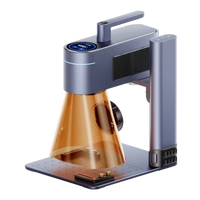
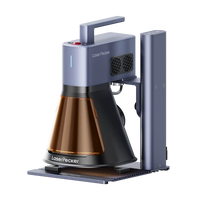
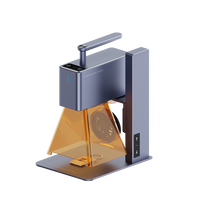
La gravure laser est une méthode puissante pour fabriquer des tampons personnalisés à partir de caoutchouc, de bois et de métal. Elle offre une grande précision, un traitement rapide et des résultats constants, ce qui la rend adaptée aux amateurs comme aux professionnels. Avec une machine de gravure laser comme la LaserPecker LP5, vous pouvez basculer entre un laser à fibre de 20W et un laser à diode de 20W, vous permettant de graver, découper ou presser des motifs sur une large gamme de matériaux.

Avantages et limites
Avantages :
Fonctionne avec de multiples matériaux, notamment le caoutchouc, le bois et le métal
Niveau élevé de détail et de précision
Production rapide et adaptée au travail en série
Limites :
Investissement initial plus élevé
Nécessite du temps pour apprendre les réglages et les procédures de sécurité
Outils et matériaux
- Graveur laser (tel que le LP5)
- Feuilles de caoutchouc, blocs de bois ou ébauches en métal
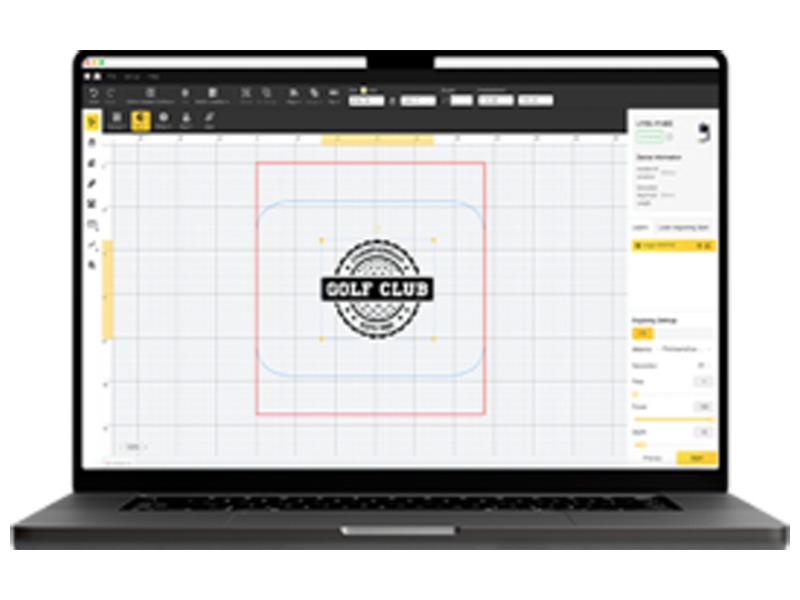
- Logiciel de conception (LightBurn ou LaserPecker Design Space)
- Encreur (pour le caoutchouc ou le bois) ou marteau (pour le métal)
Guide étape par étape pour fabriquer un tampon en caoutchouc
Le caoutchouc est l'un des matériaux les plus couramment utilisés pour les tampons. La gravure laser est plus rapide et plus précise que la sculpture à la main.
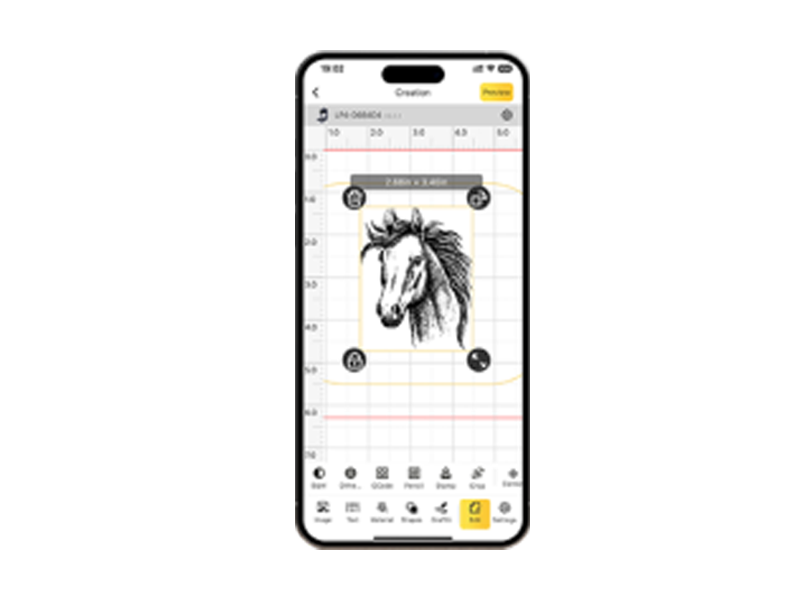
Étape 1 : Préparez votre design sur le logiciel PC ou l'application mobile et inversez-le (effet miroir) pour que le tampon s'imprime correctement.
Étape 2 : Placez une feuille de caoutchouc dans la machine et faites la mise au point.
Étape 3 : Réglez la profondeur de gravure souhaitée pour que le motif ressorte et que l'arrière-plan soit brûlé.
Étape 4 : Une fois gravé, découpez le contour du tampon avec le laser.
Étape 5 : Collez-le sur un bloc de bois pour le rendre facile à tenir, et commencez à tamponner.
Étape 6 : C'est idéal pour les logos, les mots ou les designs qui prendraient trop de temps à sculpter à la main.
Guide étape par étape pour fabriquer un tampon en bois
Les tampons en bois ont un aspect naturel. Ils peuvent également être utilisés pour décorer.
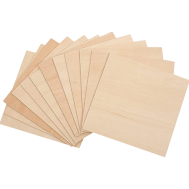
Étape 1 : Choisissez une pièce de bois plate (l'érable ou le hêtre sont de bons choix).
Étape 2 : Importez votre design et inversez-le avant le marquage.
Étape 3 : Utilisez le laser pour marquer le design profondément dans le bois, afin que le motif soit en relief pour le tamponnage.
Étape 4 : Poncez les bords pour les lisser si nécessaire.
Étape 5 : Essayez-le avec un encreur — le bois retient l'encre différemment du caoutchouc, ce qui donne un aspect plus ancien à l'impression.
Étape 6 : Les tampons en bois sont parfaits pour l'artisanat, l'emballage ou lorsque vous voulez un rendu qui semble fait main.
Guide étape par étape pour fabriquer un tampon en métal
Les tampons en métal sont destinés à être pressés dans des matériaux plus durs comme le cuir, l'argile ou les métaux tendres. Ils peuvent aussi servir de sceaux à cire pour les lettres, les invitations ou les emballages : chauffez légèrement le tampon, pressez-le dans la cire à cacheter, et vous obtenez une touche classique et élégante.
Étape 1 : Préparez votre design sur le logiciel PC ou l'application mobile et inversez-le pour que l'empreinte soit dans le bon sens.
Étape 2 : Placez votre pièce métallique dans la machine et ajustez la mise au point.
Étape 3 : Configurez la profondeur de gravure pour que le relief soit suffisant pour marquer la matière cible.
Étape 4 : Une fois la gravure terminée, nettoyez la surface métallique pour enlever les résidus de combustion.
Étape 5 : Fixez-le sur un manche ou utilisez un marteau pour presser le motif dans le cuir ou l'argile.
Étape 6 : Ce type de tampon est parfait pour créer des marques durables et professionnelles sur des supports rigides.
Pourquoi le LP5 se distingue
Le LP5 est conçu pour travailler avec de nombreux matériaux. Son double laser (Laser Fibre 20W + Laser Diode 20W) vous permet de marquer parfaitement le caoutchouc et le bois, tout en réalisant des tâches difficiles comme la découpe du laiton ou de l'acier. Il peut atteindre 10 000 mm/s et marquer en profondeur. Vous pouvez tout fabriquer, des tampons en caoutchouc aux outils en métal. Des accessoires comme l'extension rotative vous permettent même de marquer des tampons ronds pour des projets originaux.
Méthode 4 : Autres approches modernes
Au-delà de la sculpture, de la découpe Cricut et de la gravure laser, d'autres méthodes pour fabriquer des tampons personnalisés sont également disponibles. Celles-ci incluent l'impression 3D de moules pour couler des tampons en caoutchouc ou en silicone, ou l'utilisation de services de fabrication de tampons en ligne où vous téléchargez un design pour recevoir un tampon fini. Combiner ces méthodes est également courant et offre une grande flexibilité pour l'expérimentation.
Partie 3 : Utilisations créatives pour les tampons personnalisés
Les tampons personnalisés ne se limitent pas à la décoration d'enveloppes. Pour les petites entreprises, ils constituent un moyen rentable d'apposer une image de marque sur les emballages, les sacs et les cartes sans avoir à dépendre de supports imprimés par des professionnels.
Dans les loisirs créatifs et le scrapbooking, les tampons sont couramment utilisés pour ajouter de la texture et des éléments décoratifs aux journaux, agendas et albums de souvenirs. Les enseignants utilisent également des tampons pour noter les travaux ou ajouter des commentaires motivants pour les élèves.
Les tampons peuvent également être utilisés avec de l'encre pour tissu afin d'appliquer des motifs sur des vêtements ou des sacs. De plus, les tampons en métal peuvent être utilisés pour embosser des matériaux tels que le cuir et l'argile, créant ainsi une finition artisanale distinctive sur des articles comme des portefeuilles, des ceintures et de la poterie.
Partie 4 : Conseils pour réussir le meilleur tampon personnalisé
Privilégiez la clarté :
Optez pour des lignes épaisses et des polices faciles à lire. Les détails trop complexes peuvent paraître superbes sur votre ordinateur, mais ils risquent de devenir brouillons lors du tamponnage réel.
Faites des tests :
Tamponnez d'abord sur du brouillon. De cette façon, vous pouvez modifier la profondeur de coupe, les réglages de votre laser ou l'encre que vous utilisez avant le résultat final.
Montez-le correctement :
Fixez votre caoutchouc ou le matériau que vous avez sculpté sur un bloc de bois ou de plastique. Cela permet d'obtenir des impressions plus nettes, surtout si vous les utilisez souvent.
Choisissez la bonne encre :
L'encre à pigments est idéale pour le papier. Mais si vous tamponnez du tissu ou des plaques, vous aurez besoin d'une encre spéciale. Adapter l'encre au support évite les bavures ou la décoloration.
Gardez-le propre :
Nettoyez vos tampons après chaque utilisation. C'est très important si vous utilisez de l'encre permanente ou pour tissu. Une brosse souple et un peu de nettoyant empêcheront l'accumulation de résidus qui pourraient gâcher vos tampons.
FAQ : Questions sur la fabrication de tampons personnalisés
Q1. Quels matériaux de tampons sont les plus adaptés pour une utilisation dans l'UE ?
Le caoutchouc est largement utilisé dans toute l'UE pour les tampons personnalisés car il produit des impressions nettes et reste rentable. Le bois est couramment utilisé pour les montures ou les designs traditionnels, tandis que les tampons en métal sont privilégiés pour les applications sans encre, comme le marquage du cuir.
Q2. Un logiciel de gravure laser est-il nécessaire pour fabriquer des tampons ?
Oui, l'utilisation d'un logiciel de gravure laser approprié permet de garantir la précision et la répétabilité. Des programmes comme LightBurn ou LaserPecker Design Space permettent aux utilisateurs de contrôler les paramètres de gravure et de préparer des motifs en miroir pour la production de tampons.
Q3. La fabrication de tampons personnalisés peut-elle être une opportunité commerciale pour une petite entreprise dans l'UE ?
Oui, la fabrication de tampons personnalisés peut être une activité viable dans toute l'UE, en particulier pour la papeterie personnalisée, l'image de marque et les produits liés à l'événementiel. Les vendeurs doivent s'assurer du respect des réglementations locales en matière de droits d'auteur et de propriété intellectuelle.
Q4. Les tampons gravés au laser sont-ils meilleurs que les tampons sculptés à la main ?
Les tampons gravés au laser offrent une précision et une régularité plus élevées, en particulier pour les textes détaillés ou les logos. Les tampons sculptés à la main offrent un aspect plus traditionnel et artisanal. Le meilleur choix dépend de vos préférences esthétiques.
Q5. La gravure laser est-elle sûre pour fabriquer des bijoux de téléphone à la maison ?
Notes de sécurité :
Pour les utilisateurs à travers l'Europe, la sécurité est primordiale lors de la gravure laser sur des tampons en caoutchouc ou d'autres matériaux délicats.
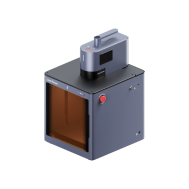
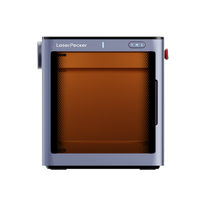
- Utilisateurs LP2 Plus, LP2, et LP4 : Nous recommandons de coupler votre machine avec le Boîtier Standard LaserPecker lors d'une utilisation à domicile ou en atelier en Europe. Cet accessoire renforce la protection, complétant la conformité de sécurité laser de Classe 4 des machines selon les directives.
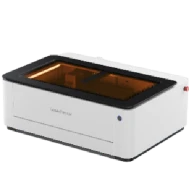
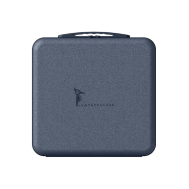
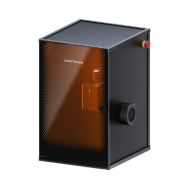
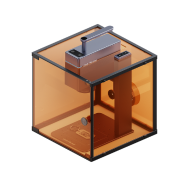
- Utilisateurs LP5 : Le boîtier de sécurité LP5 est requis pour une protection adéquate pendant le fonctionnement. Il garantit le respect des réglementations de sécurité de l'UE, protégeant contre toute exposition accidentelle dans des environnements résidentiels ou de petites entreprises.
- Utilisateurs LX2 : Aucun boîtier supplémentaire n'est nécessaire. Le LX2 est un système laser de Classe 1, ce qui signifie qu'il est sûr à utiliser sans équipement de protection supplémentaire dans des conditions de fonctionnement normales.
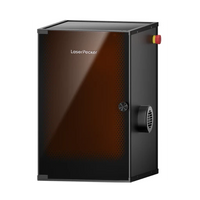
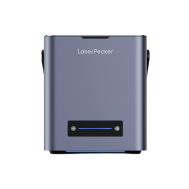
Au-delà de la sécurité laser, la qualité de l'air est une considération clé pour les ateliers en intérieur. Le traitement au laser génère des fumées et des particules fines qui peuvent affecter la santé respiratoire. Pour respecter les directives sur la qualité de l'air intérieur et maintenir un espace de travail propre et sûr, nous recommandons vivement d'utiliser le Purificateur d'air de bureau LaserPecker, particulièrement pour les maisons et studios fermés ou bien isolés.
Conclusion
Créer votre propre tampon permet de réunir créativité et fonctionnalité de manière pratique. De la sculpture traditionnelle sur caoutchouc et la découpe Cricut à la gravure laser sur bois ou métal, il existe de multiples approches pour s'adapter à différents niveaux de compétence et besoins de production.
Un tampon personnalisé est un outil durable qui peut être réutilisé pour de nombreux projets. Pour les passionnés, il ajoute un élément personnel et créatif aux travaux faits main. Pour les petites entreprises, il offre l'opportunité de construire une identité de marque distinctive à l'aide de designs personnalisés et reproductibles.