




























Les bijoux de sac remplissent des fonctions aussi bien décoratives que commerciales. Ils permettent aux designers et aux petites marques d'exprimer leur identité, d'ajouter une différenciation et de créer des accessoires personnalisés.
Les méthodes de production vont des techniques artisanales traditionnelles à la fabrication assistée par ordinateur, comme le traitement laser et l'impression 3D. L'approche la plus appropriée dépend de la complexité du design, du volume de production et du choix des matériaux.
Ce guide présente cinq méthodes éprouvées pour fabriquer des bijoux de sac et explique comment sélectionner la solution la plus efficace et la plus évolutive pour votre projet créatif ou commercial.

Dans cet article :
- Partie 1 : Pourquoi les bijoux de sac personnalisés sont-ils si populaires ?
- Partie 2 : Cinq méthodes courantes pour personnaliser des bijoux de sac
- Méthode 1 : Bijou de sac en perles et fil
- Méthode 2 : Bijou de sac brodé à la main
- Méthode 3 : Bijou de sac en tissage de fil métallique
- Méthode 4 : Bijou de sac gravé ou découpé au laser
- Méthode 5 : Bijou de sac imprimé en 3D
- Partie 3 : Comment fabriquer un bijou de sac avec un graveur et découpeur laser
- Partie 4 : FAQ sur la fabrication de bijoux de sac
Partie 1 : Pourquoi les bijoux de sac personnalisés sont-ils si populaires ?
Les bijoux de sac personnalisés connaissent une popularité croissante en Europe, car les consommateurs recherchent des accessoires de mode de plus en plus individualisés. Plutôt que d'acheter des articles produits en série, beaucoup préfèrent des pièces sur mesure qui reflètent leur identité personnelle, leurs influences culturelles ou leurs intérêts créatifs.
Dans les villes européennes et sur les marchés artisanaux, les accessoires fabriqués localement font l'objet d'une demande croissante. Les places de marché en ligne et les petits studios de design ont encore accentué l'intérêt pour les bijoux de sac personnalisés, en particulier chez les jeunes consommateurs qui privilégient l'originalité et le savoir-faire artisanal.
Un bijou de sac fait main ou personnalisé peut :
- Ajouter du caractère aux sacs à main, sacs à dos ou cabas du quotidien
- Servir de cadeau attentionné et personnalisé pour les anniversaires, Noël ou les remises de diplômes
- Commémorer des occasions spéciales telles que des enterrements de vie de jeune fille, des baby showers ou des célébrations marquantes
Contrairement aux accessoires standard du commerce, un bijou de sac personnalisé semble délibéré et exclusif. Qu'ils soient produits par des méthodes artisanales traditionnelles ou des techniques de fabrication numérique comme la gravure laser et l'impression 3D, les bijoux sur mesure permettent un contrôle total sur les matériaux, les couleurs, les formes et les détails gravés.
L'évolution plus large de l'Europe vers une consommation durable, les marques indépendantes et l'entrepreneuriat créatif a renforcé cette tendance. Pour de nombreux créateurs, la production de bijoux de sac personnalisés représente à la fois un exutoire créatif et une opportunité commerciale viable à petite échelle.
Partie 2 : Cinq méthodes courantes pour personnaliser des bijoux de sac
Les méthodes de production de bijoux de sac peuvent être divisées en techniques artisanales traditionnelles et en processus de fabrication numérique modernes. La méthode appropriée dépend de la complexité du design, de l'échelle de production et de la préférence de matériau.
Méthode 1 : Fabriquer un bijou de sac avec du fil et des perles (méthode traditionnelle)

Cette technique artisanale utilise des cordons et des perles décoratives pour créer des accessoires superposés et colorés.
Idéal pour :
- Les projets DIY personnels
- Les designs ludiques et multicouches
- Les matériaux à bas prix
Les limites incluent l'investissement en temps et l'effort d'assemblage manuel.
Méthode 2 : Bijoux de sac brodés à la main (méthode traditionnelle)

La broderie permet une décoration textile détaillée sur des surfaces en tissu ou en feutrine.
Idéal pour :
- Les bijoux en tissu
- Les esthétiques classiques ou vintage
- Les pièces artistiques uniques
Cela nécessite une main-d'œuvre qualifiée et n'est pas optimisé pour la fabrication en volume.
Méthode 3 : Bijoux de sac en tissage de fil métallique (méthode traditionnelle)

Le tissage de fil métallique permet de créer des bijoux durables et sculpturaux avec une finition métallique. Cette technique produit des accessoires robustes et visuellement frappants.
Idéal pour :
- Les designs structurés
- Les styles métalliques minimalistes
- Les accessoires de longue durée
La précision dépend du savoir-faire manuel et de la maîtrise technique.
Méthode 4 : Fabriquer un bijou de sac avec un graveur et découpeur laser (méthode moderne)
La gravure et la découpe laser permettent de réaliser des designs précis sur des matériaux tels que le bois, l'acrylique et le cuir. Elles sont idéales pour les styles modernes et détaillés, ainsi que pour la production rapide d'articles identiques. Vous pouvez ajouter des noms, des initiales, des motifs ou des logos pour la personnalisation ou l'image de marque.

Le traitement laser permet une production évolutive tout en maintenant une qualité de gravure détaillée.

Méthode 5 : Fabriquer un bijou de sac avec une imprimante 3D (méthode moderne)
L'impression 3D permet de fabriquer des géométries complexes et des structures internes difficiles à réaliser par des méthodes manuelles.

Tableau comparatif des méthodes de fabrication de bijoux de sac
| Méthode | Matériau | Utilisation idéale | Avantages | Inconvénients |
|---|---|---|---|---|
| Fil et perles | Fil, perles | Amateurs | Liberté créative, faible coût | Chronophage, compétence requise |
| Gravure et découpe laser | Bois, acrylique, cuir | Production en série | Haute précision, rapide, évolutif | Coût de l'équipement |
| Impression 3D | PLA, résine, filament | Design innovant | Structures complexes, personnalisable | Lent, matériaux limités |
| Broderie à la main | Tissu, fil | Artisanat traditionnel | Détails fins, unique | Chronophage, nécessite du savoir-faire |
| Tissage de fil métallique | Fil métallique | Durable, artistique | Robuste, visuellement frappant | Compétence technique requise, difficile |
La gravure et la découpe laser offrent un équilibre entre précision, efficacité et évolutivité. Pour les créateurs souhaitant combiner un design détaillé avec une capacité de production répétée, les méthodes de fabrication numérique offrent un avantage concurrentiel certain.
Ensuite, nous allons voir comment fabriquer un bijou de sac à l'aide d'un graveur laser.
Partie 3 : Comment fabriquer un bijou de sac avec un graveur et découpeur laser
Les graveurs et découpeurs laser offrent une précision et une constance exceptionnelles lors de la production de bijoux de sac. Ils permettent une gravure détaillée et des contours nets sur des matériaux tels que le bois, l'acrylique, le cuir et certains métaux, ce qui les rend adaptés aussi bien aux projets personnels qu'à la production commerciale à petite échelle.
Outils et matériaux à préparer
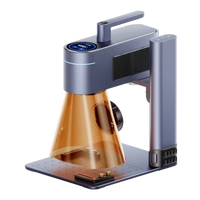
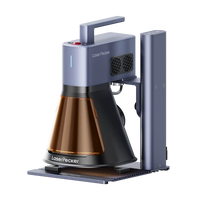
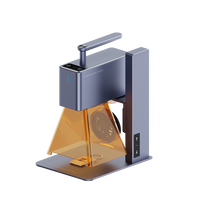
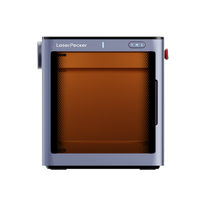
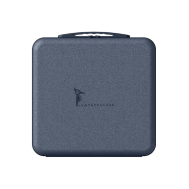
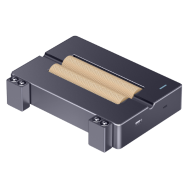
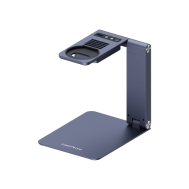
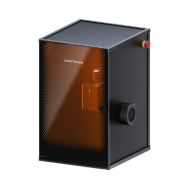
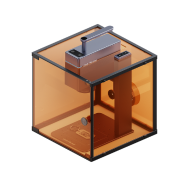
- Graveur et découpeur laser (recommandé : LaserPecker LP4)
- Logiciel de conception (Inkscape, Adobe Illustrator ou LaserPecker Design Space)
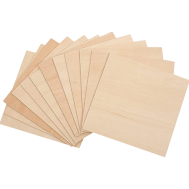
- Matériaux : bois, acrylique, cuir ou autres matériaux compatibles avec le laser
- Équipement de sécurité : lunettes, purificateur d'air ou extracteur de fumée
Étapes pour personnaliser un bijou de sac avec le LP4
Fabriquer un bijou de sac personnalisé avec le graveur laser LP4 est un moyen génial de faire sortir vos objets du lot. Le LP4 vous permet de découper et de graver avec soin sur différentes matières comme le bois, le plastique, le cuir ou le métal. Cela signifie que vous pouvez créer des designs simples ou vous lâcher sur les détails. Voici comment fabriquer votre propre accessoire.
Étape 1. Choisir vos matériaux
Le LaserPecker LP4 dispose d'un système à double laser qui prend en charge une large gamme de matériaux.
Pour le marquage :
Laser diode (10W, 450nm) – adapté au bois, au bambou, au cuir, aux métaux enduits, à l'aluminium peint, à l'acier inoxydable, aux plastiques et au papier.
Laser IR (2W, 1064nm) – optimisé pour les métaux, les plastiques, le cuir et les surfaces enduites.
Pour la découpe :
Le laser diode peut découper jusqu'à 8 mm de bois de balsa et environ 5 mm d'acrylique foncé, selon les réglages.
Choisissez vos matériaux en fonction de la finition souhaitée et de la durabilité de votre bijou de sac personnalisé.
Étape 2. Conception du bijou
Il existe deux processus principaux : la gravure et la découpe.
La gravure :
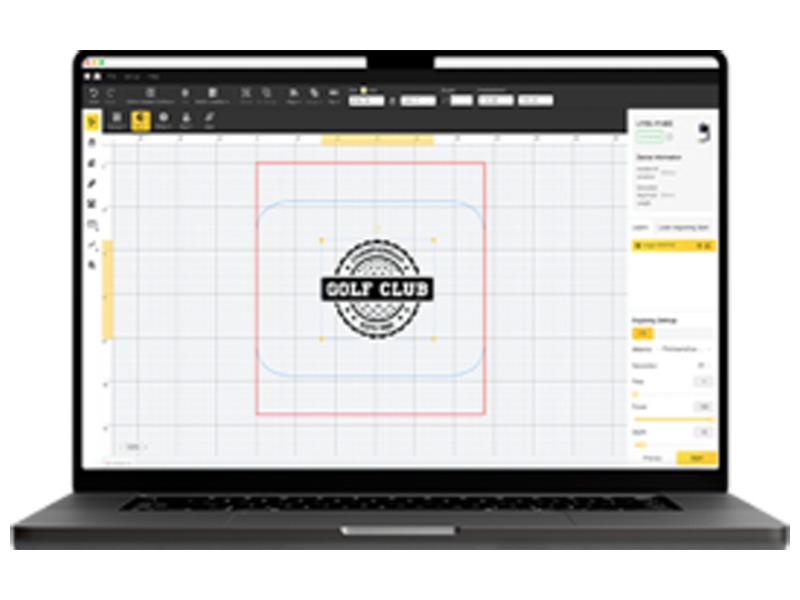
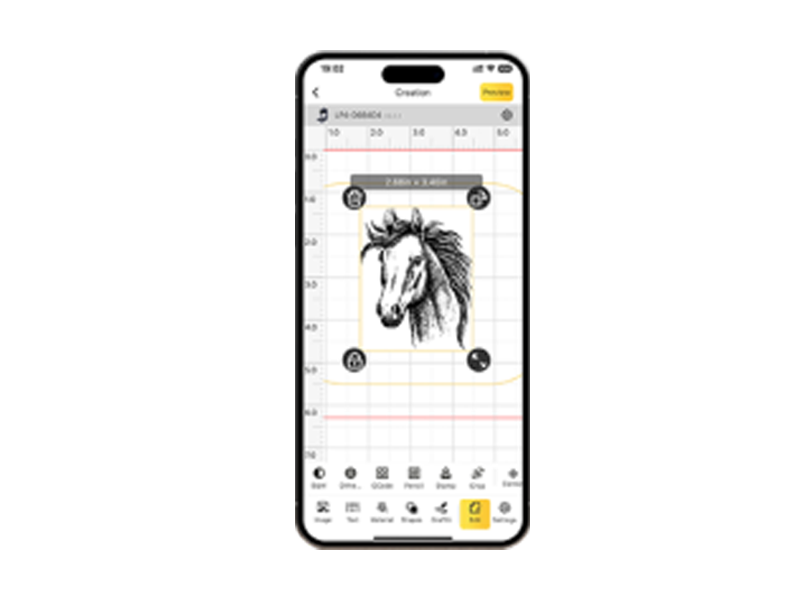
La gravure est parfaite pour ajouter cette touche personnelle : logos, mots, petits dessins, tout ce que vous voulez. Il s'agit de marquer la surface de votre bijou. Vous pouvez utiliser toutes sortes de fichiers, comme JPG ou SVG. Concevez votre bijou avec un outil simple comme Adobe Illustrator ou même Inkscape. Ensuite, importez-le dans LaserPecker Design Space. Vous pouvez aussi créer votre design directement dans LaserPecker Design Space.
La découpe :
La découpe permet de créer la forme du bijou : cercles, carrés ou n'importe quel contour que vous pouvez imaginer. Les fichiers SVG ou DXF fonctionnent mieux ici. Créez vos formes dans Adobe Illustrator, Inkscape ou un logiciel similaire, téléchargez-les dans LaserPecker Design Space, ou dessinez-les directement en ligne sur la plateforme.
Étape 3. Configuration du LP4
- Placez votre matériau sur la plaque de base.
- Utilisez des cales ou du ruban adhésif pour maintenir les matériaux gondolés.
- Ajustez la mise au point avec l'outil fourni – refaites la mise au point à chaque changement de matériau.
- Choisissez le bon laser (Diode ou IR) pour votre matériau.
- Réglez la vitesse et la puissance de marquage/découpe selon ce que vous utilisez.
Étape 4. Marquage et découpe
Commencez par le cadrage (framing) de votre design — laissez le laser tracer le contour pour confirmer le bon positionnement. Une fois que tout semble correct, marquez d'abord les détails, surtout si vous travaillez sur du bois, du MDF ou de l'acrylique, avant de procéder à la découpe de la forme finale.
Étape 5. Nettoyage
Commencez par essuyer les traces de suie sur le bois marqué à l'aide de lingettes pour bébé ou d'un chiffon humide. Si vous prévoyez d'ajouter de la couleur, utilisez de la peinture acrylique, des feutres de peinture ou des peintures spécialisées comme Unicorn Spit, et appliquez du ruban de masquage pour protéger les zones que vous ne voulez pas peindre. Laissez la peinture sécher complètement avant de retirer le ruban.
Étape 6. Assemblage
Utilisez des chaînettes, des anneaux brisés ou des boucles pour attacher le bijou aux fermetures éclair, aux sacs ou aux clés. De cette façon, les gens peuvent retirer le bijou s'ils le souhaitent.
Idées de matériaux
- Bois : Utilisez du bois épais avec une couche de polyuréthane pour des bijoux qui durent.
- Acrylique : L'acrylique noir ou jaune fonctionne le mieux. L'acrylique transparent ou à paillettes peut ne pas être découpé complètement avec les lasers à diode.
- Acier inoxydable : Le LP4 peut marquer l'acier inoxydable en couleur avec le laser diode — idéal pour les médailles de chien ou les charms métalliques.
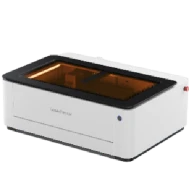
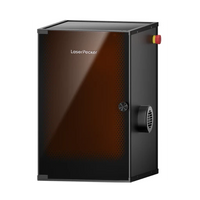
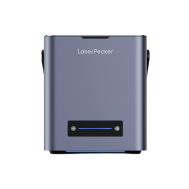
Alternativement, vous pouvez choisir le LaserPecker LX2. Avec des options de laser diode puissantes de 20W/40W/60W, il est conçu pour découper des matériaux plus larges sans effort — ce qui en fait le choix ultime pour la fabrication de bijoux de sac à grande échelle.
Partie 4 : FAQ sur la fabrication de bijoux de sac
Q1. Comment fabriquer des bijoux de sac ?
Les bijoux de sac peuvent être fabriqués en utilisant des méthodes artisanales traditionnelles telles que le fil et les perles, la broderie ou le tissage de fil métallique. Les approches modernes incluent la gravure laser, la découpe laser et l'impression 3D.
La meilleure méthode dépend du style souhaité, du matériau et de la durabilité. Les débutants commencent souvent par des formes simples et incorporent progressivement des designs multicouches, des détails de gravure ou des matériaux mixtes pour créer un bijou de sac plus personnalisé.
Q2. Quelle est la taille idéale pour un bijou de sac ?
La plupart des bijoux de sac mesurent entre 4 cm et 8 cm de hauteur. Cette taille offre une bonne visibilité sans ajouter de poids excessif ni gêner la fonctionnalité du sac.
Le choix de la taille doit prendre en compte à la fois l'esthétique et la praticité.
Q3. Quels sont les meilleurs matériaux pour fabriquer des bijoux de sac ?
- Bois : Il est simple à marquer, possède une ambiance naturelle et chaleureuse, et vous pouvez le vernir pour le faire durer.
- Acrylique : Pensez aux couleurs vives et audacieuses ! Il a un aspect totalement moderne. Les couleurs unies sont généralement celles qui se découpent le mieux.
- Cuir : Vous voulez quelque chose de classe qui dure ? Le cuir est superbe lorsqu'il est gravé au laser.
- Métal : L'acier inoxydable ou l'aluminium anodisé coloré sont les meilleures options si vous voulez des charms durables de qualité professionnelle.
- Tissu ou fil : Ces matériaux sont géniaux pour les designs avec de la broderie et un toucher doux.
Q4. Qu'est-ce qui permet à un bijou de sac de se démarquer vraiment ?
Un super bijou de sac ? Il doit refléter votre personnalité. Oubliez un instant les matériaux — tout est question de mélange d'idées originales, de petits détails soignés et de ce qui compte pour "vous". Ajoutez des éléments personnels, comme votre nom, votre couleur préférée ou une forme qui a une signification particulière. Jouez avec les textures, les aspects et la brillance pour qu'il ait l'air cool et bien fini. En vérité, laissez-le raconter une histoire — c'est ce qui rend un simple accessoire extraordinaire.
Conclusion
La production de bijoux de sac personnalisés va des techniques artisanales manuelles à la fabrication numérique de précision. Chaque méthode — incluant le travail des perles, la broderie, le formage du métal, la gravure laser, la découpe laser et l'impression 3D — offre différents niveaux de détail, d'évolutivité et de résistance structurelle.
Une sélection rigoureuse des matériaux et un contrôle du processus sont essentiels pour produire des bijoux de sac personnalisés durables et visuellement raffinés. Pour les créateurs recherchant la répétabilité et l'efficacité, les méthodes de fabrication numérique offrent une combinaison équilibrée de précision et d'évolutivité.
En évaluant les exigences de conception, le positionnement sur le marché cible et la capacité de production, vous pouvez sélectionner la méthode la plus appropriée et transformer des concepts créatifs en accessoires finis de haute qualité.