
















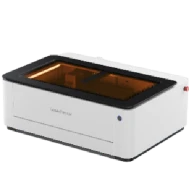
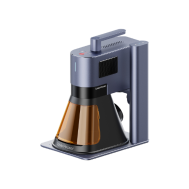
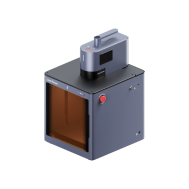
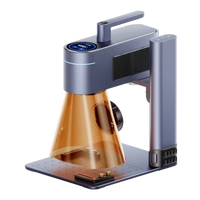

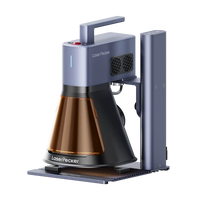
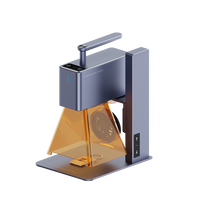


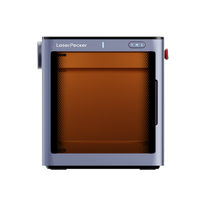
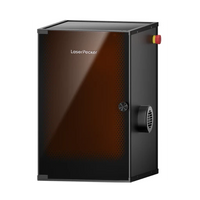









La découpe au laser de lettres à partir de conceptions numériques est une méthode précise et efficace pour obtenir des résultats de haute qualité. Elle garantit des bords nets, une reproduction constante et une compatibilité avec divers matériaux, notamment l'acrylique, le bois et le métal.
Ce guide couvre les choix de matériaux essentiels, les étapes du flux de travail et des conseils pratiques pour vous aider à réaliser un lettrage découpé au laser précis et fiable.

Dans cet article :
- Partie 1 : Introduction à la découpe de lettres au laser
- Partie 2 : Choisir les bons matériaux pour les lettres découpées au laser
- Partie 3 : Guide étape par étape pour la découpe de lettres au laser
- Partie 4 : Applications créatives des lettres découpées au laser
- FAQs : Questions sur la découpe de lettres au laser
Partie 1 : Introduction à la découpe de lettres au laser
La découpe au laser est une technique précise et efficace pour produire des lettres utilisées dans la signalétique, la décoration, le branding ou les produits personnalisés. Par rapport aux méthodes de découpe conventionnelles, elle offre une plus grande précision, des bords plus lisses et un résultat constant sur différents matériaux.
Qu'est-ce que les lettres découpées au laser ?
Les lettres découpées au laser sont des textes ou des formes produits en dirigeant un faisceau laser à travers des matériaux tels que le bois, l'acrylique, le métal ou le carton. Ces lettres peuvent être fabriquées en tant que composants plats, structures multicouches ou enrichies d'une gravure pour ajouter des détails visuels.

Avantages et limites des lettres découpées au laser
Avantages :
- Haute précision et finition nette
- Adapté aux polices complexes et aux détails fins
- Large compatibilité avec les matériaux
- Idéal pour les flux de production répétables
Limites :
- Nécessite un équipement laser spécialisé
- Certains matériaux peuvent nécessiter des processus de finition après la découpe
- L'optimisation des paramètres peut être nécessaire pour de meilleurs résultats
Partie 2 : Choisir les bons matériaux pour les lettres découpées au laser
Le choix du matériau approprié est essentiel pour obtenir l'aspect, la durabilité et la fonctionnalité souhaités des lettres découpées au laser. Chaque matériau interagit différemment avec la technologie laser, il est donc crucial de comprendre ces différences pour optimiser la conception et les résultats de production.
Acrylique
L'acrylique est couramment utilisé pour les designs modernes et d'une grande clarté. Il est populaire dans la signalétique commerciale, le branding et l'événementiel. La découpe laser produit des bords lisses et polis à la flamme, nécessitant un post-traitement minimal. La superposition de différentes couleurs ou épaisseurs peut créer de la profondeur et un contraste visuel. L'acrylique convient à un usage intérieur et aux environnements extérieurs protégés.
Bois
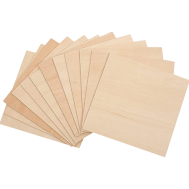
Le bois offre une esthétique naturelle et organique, ce qui le rend idéal pour la décoration intérieure, les projets artisanaux et la signalétique personnalisée. Il peut être gravé, peint ou teint selon la finition souhaitée. Les matériaux comme le bouleau et l'érable offrent une surface lisse, tandis que le bois de récupération apporte un effet rustique plus texturé.
Métal
Les lettres métalliques offrent une excellente durabilité et une grande résistance structurelle, ce qui les rend adaptées aux applications industrielles et à la signalétique extérieure. Les options de post-traitement incluent le polissage, le brossage et le thermolaquage. Les métaux tels que l'aluminium et le laiton peuvent également être gravés, permettant des designs détaillés et durables.
Cuir
Le cuir est apprécié pour sa souplesse et son aspect haut de gamme. Il est largement utilisé dans la mode, les accessoires et les applications de branding. La gravure laser permet un niveau de détail précis sans compromettre l'intégrité du matériau. Sa flexibilité lui permet d'être appliqué sur des surfaces courbes ou combiné avec d'autres matériaux.
Carton
Le carton est un matériau économique et léger, idéal pour le prototypage, les affichages temporaires et l'usage éducatif. Il est facile à découper et à personnaliser, ce qui le rend parfait pour tester des mises en page et des concepts avant de passer à des matériaux plus durables.
Partie 3 : Guide étape par étape pour la découpe de lettres au laser
Pour obtenir des lettres découpées au laser de manière précise et professionnelle, suivez un flux de travail structuré, de la préparation à la finition. Cette approche étape par étape garantit l'exactitude, l'efficacité et des résultats constants sur différents matériaux et applications.

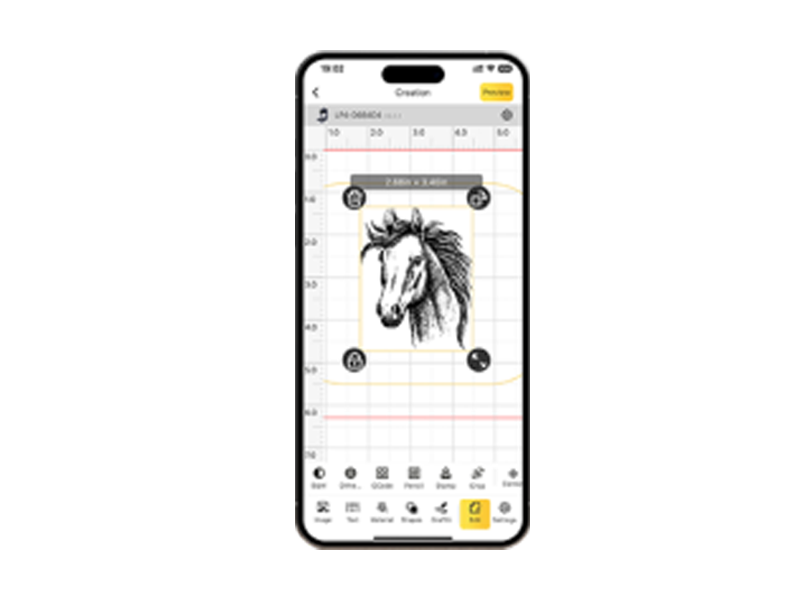
Source : LaserPecker CraftZone
Outils et préparation
- Découpeur laser à fibre ou à diode, selon votre matériau
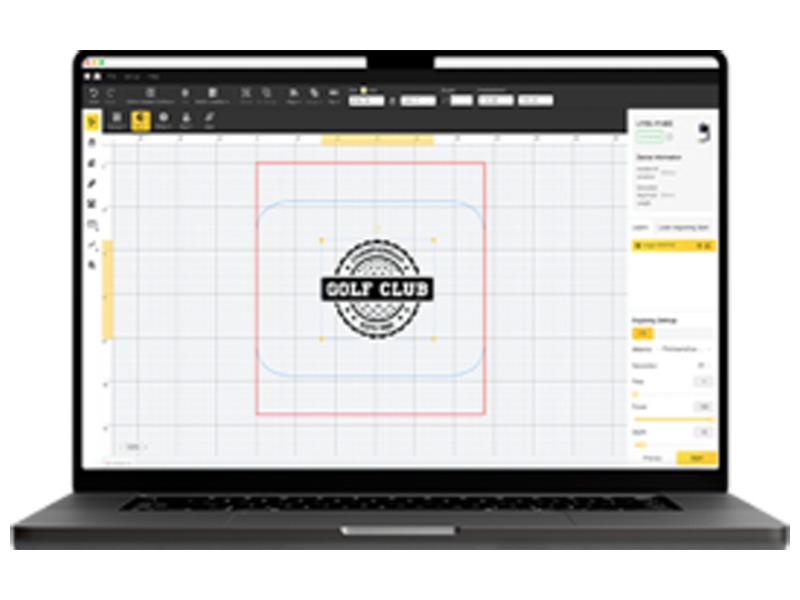
- Ordinateur avec logiciel de conception (comme LaserPecker Design Space, Illustrator, CorelDRAW ou LightBurn)
- Feuilles d'acrylique, panneaux de bois, morceaux de cuir, tôles métalliques ou carton
- Lunettes de sécurité, gants et système de ventilation
Conception de vos lettres (fichiers vectoriels, polices, mises en page)
1. Créez votre design sous forme de fichier vectoriel (SVG, DXF ou AI).
2. Choisissez des polices épaisses, car les lignes trop fines peuvent se briser.
3. Disposez vos motifs de manière à minimiser le gaspillage de matériau.
Processus de découpe laser
Configuration de la machine
Placez le matériau à plat sur le plateau du laser. Fixez-le à l'aide de pinces ou d'aimants pour éviter tout mouvement pendant l'opération.
Réglage de la puissance, de la vitesse et de la mise au point
Commencez par régler la mise au point correcte à l'aide de l'outil de focalisation de la machine. Ajustez ensuite les paramètres de puissance et de vitesse en fonction du matériau.
Faites toujours un test sur une chute de matériau au préalable pour affiner les paramètres et éviter les erreurs sur votre pièce finale.
Étapes de découpe et de gravure
- Une fois les réglages établis, lancez la découpe.
- Le laser suivra votre dessin pour découper chaque lettre.
- Si vous gravez des détails à l'intérieur des lettres, faites-le avant de découper le contour.
Touches finales (polissage des bords de l'acrylique, peinture du bois, etc.)
- Acrylique : Nettoyez les bords brillants et utilisez une flamme pour les polir davantage, si vous le souhaitez.
- Bois : Poncez légèrement les traces de brûlure, puis peignez ou vernissez.
- Métal : Brossez ou polissez les bords.
- Carton : Généralement, aucune finition n'est nécessaire, mais vous pouvez le peindre pour le rendre plus durable.
Pour l'entretien du cuir après la gravure, essuyez tout résidu de matière. Utilisez ensuite un conditionneur pour cuir ou une cire pour garder le cuir souple et éviter qu'il ne se dessèche.
Partie 4 : Applications créatives des lettres découpées au laser
Les lettres découpées au laser offrent un large potentiel d'application dans des contextes décoratifs, commerciaux et fonctionnels. Leur précision et la flexibilité des matériaux les rendent adaptées aussi bien aux projets créatifs qu'aux environnements professionnels.
Décoration d'intérieur
Les lettres découpées au laser peuvent être utilisées pour créer un décor mural personnalisé, incluant des noms, des citations ou des éléments de branding. La combinaison de matériaux tels que l'acrylique et le bois ajoute de la profondeur et une esthétique contemporaine.
Solutions de signalétique événementielle
Idéal pour les mariages, les événements d'entreprise et les expositions, le lettrage découpé au laser peut être appliqué aux panneaux d'accueil, aux marque-places et à la signalisation directionnelle adaptée à des thèmes spécifiques.
Présentoirs de vente et commerciaux
Le lettrage en acrylique ou en métal améliore les présentoirs de produits et l'image de marque des devantures de magasins, offrant une alternative raffinée et durable à la signalétique imprimée.
Branding d'entreprise
Les logos découpés au laser, les enseignes de réception et les plaques nominatives gravées contribuent à une image de marque professionnelle. Les finitions peuvent être personnalisées pour s'aligner sur la charte graphique.
Applications artistiques et de design
La typographie découpée au laser est largement utilisée dans les installations artistiques et les projets de design. Des techniques telles que la superposition et la répétition permettent des compositions visuelles complexes.
Applications éducatives
Des alphabets personnalisés, de la signalétique et des supports pédagogiques peuvent être produits efficacement en utilisant des matériaux comme le carton ou le contreplaqué, ce qui les rend rentables pour les écoles et les environnements de formation.
Cadeaux personnalisés
Les articles personnalisés tels que les plaques gravées ou le lettrage décoratif offrent des options de cadeaux uniques, avec une haute précision et une qualité constante.
Emballages haut de gamme
Les logos et lettrages découpés au laser peuvent rehausser l'emballage des produits, en particulier pour les produits de luxe ou artisanaux. Les éléments en bois ou en acrylique ajoutent une expérience tactile premium.
Signalétique extérieure
Des matériaux durables et résistants aux intempéries permettent d'utiliser les lettres découpées au laser pour des applications extérieures, notamment la signalétique de bâtiments et les plaques d'adresse.
Prototypage de design
La découpe laser permet un prototypage rapide des styles typographiques, permettant aux designers d'évaluer différentes mises en page et différents matériaux avant la production finale.
FAQs : Questions fréquentes sur la découpe de lettres au laser
1. Je suis débutant. Par quel matériau dois-je commencer ?
L'acrylique et le MDF sont recommandés pour les débutants en raison de leur comportement de coupe prévisible. L'acrylique offre des bords lisses sans post-traitement, tandis que le MDF et le contreplaqué sont économiques et adaptés à la peinture ou à la finition. Les matériaux tels que le PVC doivent être évités, sauf si des systèmes d'extraction appropriés sont en place, en raison d'émissions dangereuses.
2. Quels sont les réglages laser essentiels (puissance, vitesse, mise au point) ?
La puissance détermine l'intensité du laser, la vitesse contrôle le temps d'exposition et la mise au point définit la précision du faisceau. L'augmentation de la puissance et la réduction de la vitesse permettent des coupes plus profondes, tandis que l'inverse est adapté à la gravure. Un étalonnage précis de la mise au point est essentiel pour obtenir des résultats constants. Il est fortement conseillé de procéder à des tests sur des échantillons de matériaux.
3. Comment puis-je m'assurer que les lettres autoportantes restent stables ?
La stabilité peut être améliorée en intégrant une structure de base ou un système de rainures dans la conception. Pour les matériaux plus lourds, des supports mécaniques ou des panneaux arrière sont recommandés. Les matériaux légers peuvent nécessiter un collage sur un support plus épais.
4. Est-il possible de découper des lettres surdimensionnées avec une petite machine laser ?
Oui. Les lettres peuvent être segmentées en plusieurs parties et assemblées après la découpe. Cette méthode est couramment utilisée dans la production de signalétique et facilite la manipulation et le transport.
5. Ai-je besoin d'un logiciel de conception professionnel pour la découpe laser ?
Les logiciels vectoriels sont préférables pour préparer des fichiers de découpe précis. Des solutions telles que LaserPecker Design Space, Adobe Illustrator, Inkscape et LightBurn permettent l'édition de tracés, la mise à l'échelle et l'optimisation pour les flux de travail laser. Il est essentiel de s'assurer que les vecteurs sont fermés et que l'alignement est correct.
6. Quels matériaux ne sont pas adaptés à la découpe de lettres au laser ?
Les matériaux tels que le PVC, le vinyle et certains plastiques revêtus ne sont pas recommandés en raison du dégagement de fumées toxiques. Vérifiez toujours la compatibilité des matériaux avant le traitement.
7. Comment puis-je améliorer la qualité des bords lors de la découpe de lettres au laser ?
L'optimisation des paramètres laser, l'assurance d'une mise au point correcte et l'utilisation de gaz d'assistance ou d'un flux d'air peuvent considérablement améliorer la qualité des bords et réduire les besoins en post-traitement.
8. La découpe laser est-elle adaptée à la production commerciale de lettres ?
Oui. La découpe laser offre une grande précision, une répétabilité et une évolutivité, ce qui la rend adaptée aussi bien aux petites entreprises qu'aux environnements de production industrielle.
Conclusion
Les lettres découpées au laser offrent un moyen précis et efficace de transformer des conceptions numériques en éléments physiques avec une grande cohérence et des finitions nettes. Les matériaux tels que l'acrylique, le bois et le métal offrent chacun des caractéristiques visuelles et fonctionnelles uniques adaptées à une large gamme d'applications.
En plus de leur valeur esthétique, les lettres découpées au laser sont très polyvalentes et peuvent être utilisées pour la décoration intérieure, les produits personnalisés, la signalétique commerciale et les projets d'identité de marque. Lorsqu'elles sont correctement préparées et finies, elles offrent des résultats durables de qualité professionnelle, ce qui les rend adaptées aussi bien à un usage personnel qu'à une production commerciale.