




























Les chaussures font plus que protéger vos pieds — elles sont un élément clé du style personnel. Des baskets aux bottes, les chaussures personnalisées vous permettent d'aller au-delà des modèles standard et de créer quelque chose qui reflète véritablement votre personnalité.
Qu'il s'agisse d'améliorer des chaussures neuves ou de redonner vie à des paires usées, la personnalisation de chaussures offre une gamme de possibilités pratiques. Dans cet article, nous présenterons quatre méthodes fiables pour personnaliser des chaussures, chacune adaptée à différents matériaux, outils et niveaux d'expérience.

Dans cet article :
- Partie 1 : Introduction à la personnalisation de chaussures
- Partie 2 : Personnaliser des chaussures avant l'achat
- Partie 3 : Personnaliser des chaussures après l'achat
- Méthode 1 : Peinture
- Méthode 2 : Teinture
- Méthode 3 : Broderie
- Méthode 4 : Gravure Laser
- Partie 4 : Comment personnaliser des chaussures par gravure laser
- Partie 5 : FAQ sur la personnalisation de chaussures
Partie 1 : Introduction à la personnalisation de chaussures
La personnalisation de chaussures implique bien plus que l'ajustement de la couleur ou de l'apparence. C'est un processus d'adaptation des chaussures pour refléter des préférences personnelles, des idées créatives ou des objectifs fonctionnels. Des techniques telles que la peinture, la broderie, les traitements de couleur et les méthodes basées sur le laser permettent une large gamme de possibilités de conception.
La personnalisation peut avoir lieu soit avant l'achat — via des outils fournis par les marques — soit après l'achat en utilisant des techniques indépendantes. Chaque approche offre des avantages différents, permettant aux utilisateurs de tailler leurs chaussures sur mesure en fonction du matériau, de la complexité du design et de l'utilisation prévue.
Pourquoi personnaliser ses chaussures ?
Personnaliser des chaussures permet aux individus de s'affranchir des modèles standard produits en série. En sélectionnant des couleurs, des motifs ou des éléments décoratifs spécifiques, les chaussures peuvent être adaptées pour mieux refléter un style personnel ou des besoins de branding.
En plus de la différenciation visuelle, les chaussures personnalisées peuvent servir des objectifs pratiques ou symboliques, ce qui les rend adaptées à un usage personnel, à des projets créatifs ou à des séries limitées personnalisées.

Avantages de la personnalisation de chaussures
La personnalisation de chaussures offre plusieurs avantages pratiques :
- Contrôle individuel du design : Les utilisateurs peuvent définir les couleurs, les matériaux et les éléments décoratifs selon leurs préférences.
- Caractère distinctif : Les chaussures personnalisées sont uniques, ce qui réduit les doublons et augmente la différenciation visuelle.
- Valeur de cadeau et de présentation : Les chaussures personnalisées peuvent être utilisées pour des occasions spéciales, à des fins promotionnelles ou pour des cadeaux sur mesure.
- Liberté créative : La personnalisation de chaussures encourage la créativité, que ce soit par la peinture, la couture, le travail de la couleur ou des techniques de conception expérimentales.
Partie 2 : Personnaliser des chaussures avant l'achat
La personnalisation de chaussures avant l'achat fait référence aux options de conception prises en charge par les marques qui permettent aux clients de personnaliser leurs chaussures avant de passer commande. Ces plateformes permettent généralement des ajustements de couleurs, de matériaux, de motifs et, dans certains cas, de textes ou de graphismes personnalisés.
Cette approche garantit la cohérence, la durabilité et la qualité de fabrication, car toutes les modifications sont appliquées pendant la production plutôt qu'après l'achat.
Méthode 1 : Nike
Nike By You propose une interface de conception structurée qui permet aux utilisateurs de personnaliser les composants individuels de la chaussure. Selon le modèle, les clients peuvent sélectionner les matériaux, les couleurs et les finitions pour plusieurs sections de la chaussure.
Des options de texte personnalisé sont disponibles sur certains modèles, ce qui les rend adaptés à des chaussures personnalisées mais de qualité industrielle.
Méthode 2 : Vans
Vans met l'accent sur la créativité visuelle et le design de surface. Les utilisateurs peuvent personnaliser les styles classiques de Vans en sélectionnant des couleurs, des motifs ou en téléchargeant leurs propres créations artistiques.
Méthode 3 : Adidas
Adidas permet aux utilisateurs de personnaliser certains modèles sélectionnés via des options de matériaux et de couleurs, ainsi qu'une personnalisation limitée par du texte.
Elle offre un équilibre entre les préférences de design individuelles et les processus de fabrication standardisés, ce qui en fait un choix pratique pour des baskets personnalisées.
Partie 3 : Personnaliser des chaussures après l'achat
La personnalisation de chaussures après l'achat consiste à modifier les chaussures une fois qu'elles ont été achetées, en utilisant des techniques manuelles ou assistées par machine. La pertinence de chaque méthode dépend du matériau de la chaussure, des exigences de conception et de la durabilité souhaitée.
Voici quatre méthodes largement utilisées pour personnaliser des chaussures après l'achat, chacune offrant différents niveaux de précision et de flexibilité créative.
Méthode 1 : Peinture
La peinture consiste à appliquer des peintures acryliques, textiles ou spécialisées pour baskets directement sur la surface de la chaussure. Elle permet aussi bien des touches de couleur simples que des designs artistiques complexes.
Cette méthode est couramment utilisée sur les chaussures en toile et en cuir et offre un haut degré de liberté créative.
Méthode 2 : Teinture
La teinture modifie la couleur globale du matériau de la chaussure et s'avère plus efficace sur les chaussures en cuir ou en tissu de couleur claire. Elle est adaptée aux changements de couleur uniformes plutôt qu'aux motifs détaillés.
Méthode 3 : Broderie
La broderie consiste à coudre des motifs directement sur la chaussure, créant ainsi une finition texturée et durable. Cette méthode est principalement utilisée sur les chaussures en tissu et est idéale pour les logos, les initiales ou les éléments décoratifs.
Méthode 4 : Gravure Laser
La gravure laser utilise l'énergie laser focalisée pour graver des motifs dans les matériaux de la chaussure tels que le cuir et les tiges synthétiques. Elle offre une profondeur constante, des détails nets et une durabilité à long terme.
Cette méthode est souvent choisie pour des projets de personnalisation professionnels ou haut de gamme.
Tableau comparatif
| Aspect | Peinture | Teinture | Broderie | Gravure Laser |
|---|---|---|---|---|
| Précision | Moyenne | Faible | Élevée | Très élevée |
| Durabilité | Moyenne | Élevée | Élevée | Très élevée |
| Matériaux supportés | Toile, cuir | Cuir, tissu | Tissu | Cuir, matériaux synthétiques |
| Complexité du design | Moyenne | Faible | Moyenne–Élevée | Très élevée |
| Coût | Faible–Moyen | Moyen | Moyen–Élevé | Moyen–Élevé |
Parmi ces méthodes, la gravure laser offre le plus haut niveau de précision et de durabilité, ce qui la rend idéale pour une personnalisation de chaussures détaillée et durable.
Partie 4 : Comment personnaliser des chaussures par gravure laser
La gravure laser est une méthode de personnalisation de chaussures basée sur la précision qui utilise l'énergie laser contrôlée pour graver des motifs directement dans la surface de la chaussure. Elle est appréciée pour son exactitude, sa durabilité et sa capacité à reproduire des graphismes complexes.
Cette méthode est particulièrement efficace sur le cuir, le PU et les matériaux synthétiques enduits, ce qui la rend adaptée aussi bien aux chaussures décontractées qu'aux projets de personnalisation haut de gamme.
Guide étape par étape : Graver des chaussures au laser
Étape 1. Préparez vos chaussures
Le cuir et les chaussures synthétiques enduites sont les matériaux les plus adaptés à la gravure laser. Les tissus naturels tels que le coton ou le polyester peuvent ne pas produire de résultats constants et nécessitent souvent des méthodes alternatives.
2. Choisissez votre design
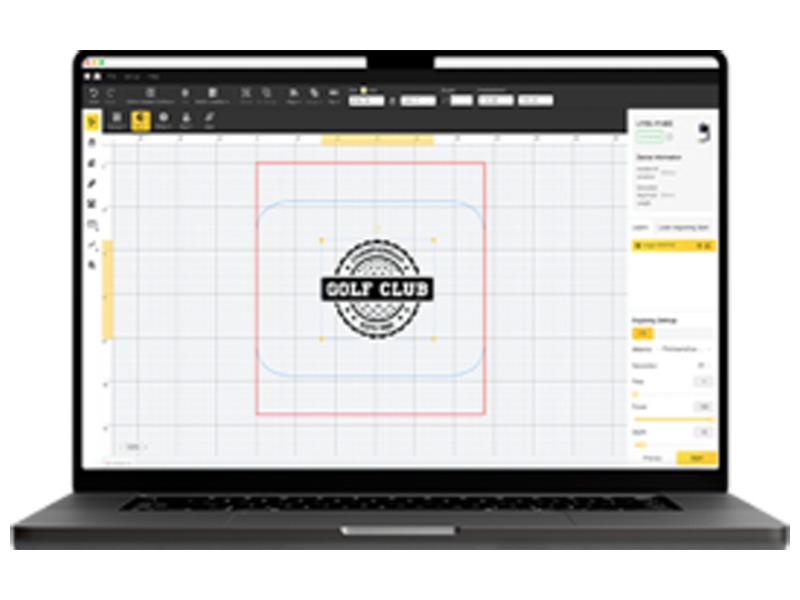
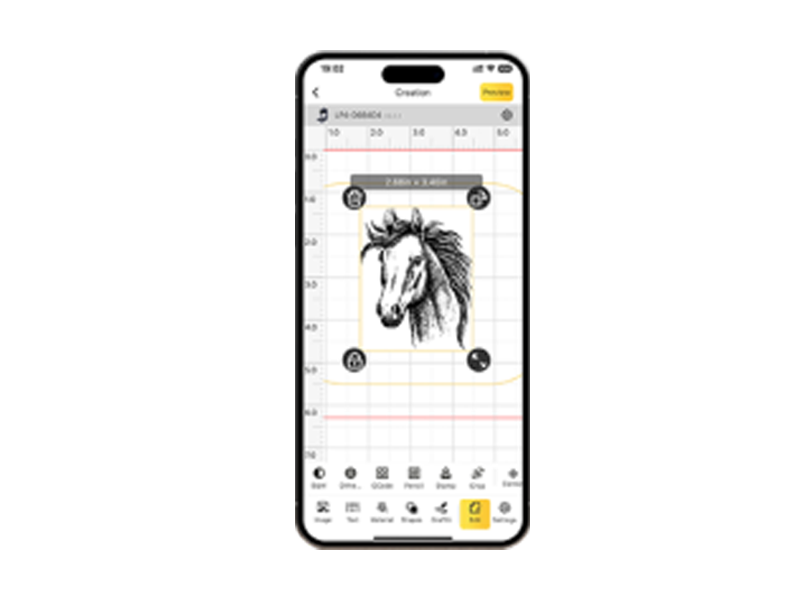
Utilisez un logiciel de conception graphique (comme LaserPecker Design Space ou LightBurn) pour créer ou télécharger votre motif.
3. Préparez la machine
Configurez les paramètres de vitesse et de puissance du laser en fonction du matériau de la chaussure pour garantir une gravure nette sans dommage.
4. Lancez la gravure
Placez la chaussure dans la machine et lancez le processus de gravure.
5. Nettoyage et finition
Appliquez un conditionneur pour cuir ou un spray protecteur pour garder le design impeccable, si nécessaire.
Le résultat est un motif net et durable qui donne à vos chaussures un aspect totalement personnalisé et professionnel.

Le meilleur outil de gravure laser pour la personnalisation de chaussures
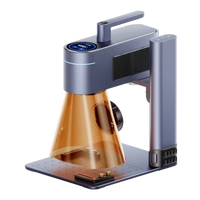
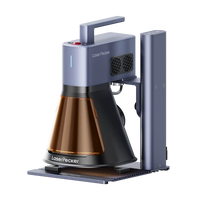
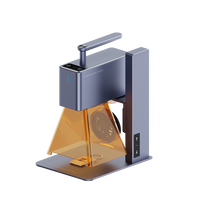
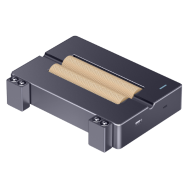
Pour ceux qui prennent la personnalisation au sérieux, le LaserPecker LP4 est conçu pour les utilisateurs à la recherche d'une solution de gravure flexible et professionnelle dans un format compact.

Avec des vitesses de gravure allant jusqu'à 4000 mm/s et une résolution 8K, le LP4 produit des textes nets, des logos détaillés et des œuvres d'art complexes en peu de temps.

Son interface tactile permet de basculer facilement entre les types de laser, tandis que des fonctions comme "Engrave Again" (Graver à nouveau) permettent une répétition rapide des motifs. La compatibilité avec LightBurn et LaserPecker Cloud simplifie également la configuration du flux de travail.
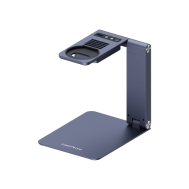
Pour les motifs plus larges sur des baskets ou des bottes, l'extension optionnelle slide extension permet de s'assurer que tout est parfaitement aligné et propre. Cela facilite la création de designs qui seraient difficiles à réaliser avec de la peinture ou de la couture.
Le LaserPecker LP4 permet à tout le monde de réaliser des gravures laser professionnelles, afin de créer des designs robustes, détaillés et originaux qui font ressortir vos chaussures personnalisées.
Partie 5 : Questions fréquentes sur la personnalisation de chaussures
Q1. Quels matériaux de chaussures sont les meilleurs pour la personnalisation ?
Le cuir, la toile et les matériaux synthétiques enduits offrent les meilleurs résultats. Les surfaces très texturées ou perforées peuvent limiter la clarté du motif.
Q2. La gravure laser est-elle sûre pour personnaliser des chaussures à la maison ?
Oui, la gravure laser peut être pratiquée en toute sécurité à la maison lorsque les précautions appropriées sont suivies. Les chaussures en cuir ou en matériaux synthétiques enduits peuvent être gravées en toute sécurité en utilisant les réglages de puissance et de vitesse adéquats. Testez toujours sur une petite zone cachée au préalable, car les matériaux de chaussures incluent souvent des revêtements, des adhésifs ou des structures multicouches qui réagissent différemment à la chaleur.
Pour les utilisateurs en Europe, la sécurité doit toujours être la priorité lors de la gravure laser de chaussures en cuir, tissus synthétiques ou matériaux similaires.
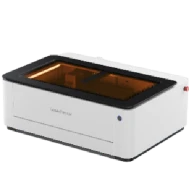
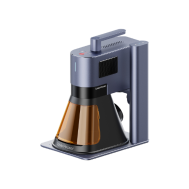
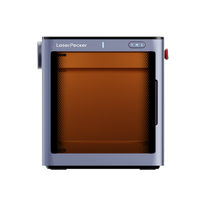
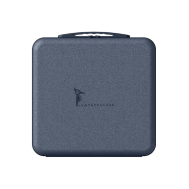
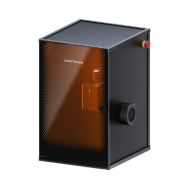
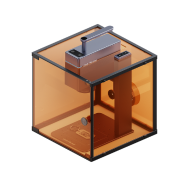
- Utilisateurs LP2 Plus, LP2, et LP4 : Nous recommandons de coupler votre machine avec le Boîtier Standard LaserPecker lors d'une utilisation à domicile ou en atelier en Europe. Cet accessoire renforce la protection, complétant la conformité de sécurité laser de Classe 4 des machines selon les directives.
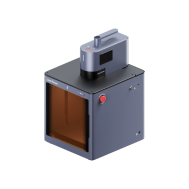
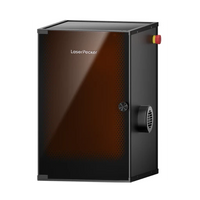
- Utilisateurs LP5 : Le boîtier de sécurité LP5 est requis pour une protection adéquate pendant le fonctionnement. Il garantit le respect des réglementations de sécurité de l'UE, protégeant contre toute exposition accidentelle dans des environnements résidentiels ou de petites entreprises.
- Utilisateurs LX2 : Aucun boîtier supplémentaire n'est nécessaire. Le LX2 est un système laser de Classe 1, ce qui signifie qu'il est sûr à utiliser sans équipement de protection supplémentaire dans des conditions de fonctionnement normales.
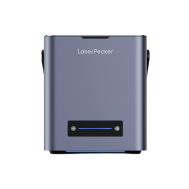
Au-delà de la sécurité laser, la qualité de l'air est une considération clé pour les ateliers en intérieur. Le traitement au laser génère des fumées et des particules fines qui peuvent affecter la santé respiratoire. Pour respecter les directives sur la qualité de l'air intérieur et maintenir un espace de travail propre et sûr, nous recommandons vivement d'utiliser le Purificateur d'air de bureau LaserPecker, particulièrement pour les maisons et studios fermés ou bien isolés.
Q3. Combien de temps cela prend-il ?
Tout dépend :
Commander auprès de grandes marques comme Nike ou Adidas ? Cela peut prendre des jours ou des semaines en raison de la fabrication et de l'expédition.
Faire de la peinture vous-même ? Vous pourriez avoir terminé en quelques heures en comptant le temps de séchage.
Ajouter des broderies peut prendre plusieurs heures, selon votre design.
Les lasers sont rapides. Designs simples ? Quelques minutes. Designs complexes ? Environ une heure.
Q4. Puis-je le faire moi-même si je suis un vrai débutant ?
Bien sûr ! Les choses simples comme la peinture ou la broderie sont faciles à apprendre. Les lasers sont simples aussi, surtout avec des machines comme le LaserPecker LP4. Avec des designs prêts à l'emploi, des applications mobiles et des paramètres modifiables, les vrais débutants peuvent créer des objets au look professionnel. Commencez simplement par quelque chose de petit, entraînez-vous d'abord, puis lancez-vous.
Conclusion
La personnalisation de chaussures est un processus pratique et créatif qui permet d'adapter les chaussures au-delà des modèles standard. Qu'elle soit appliquée avant l'achat ou par modification après l'achat, les méthodes de personnalisation offrent une grande flexibilité en termes de matériaux, de techniques et de résultats.
Les approches simples comme la peinture ou la broderie constituent des points d'entrée accessibles, tandis que la gravure laser offre précision, constance et durabilité pour des résultats plus raffinés. Des solutions comme le LaserPecker LP4 rendent la gravure laser de qualité professionnelle accessible à un plus large éventail d'utilisateurs, permettant des designs détaillés et répétables sur les matériaux de chaussures appropriés.
En choisissant la bonne méthode de personnalisation, les chaussures peuvent devenir bien plus que des articles fonctionnels — elles deviennent des produits personnalisés qui reflètent un style, une créativité et une intention unique.