








































A watch is more than a functional accessory — it often represents a life event, professional milestone, or commemorative gift. Personal engraving enhances both its emotional significance and individuality. Before proceeding, it is important to understand the technical implications, material compatibility, and whether engraving may affect the manufacturer's warranty conditions.
This guide outlines the key reasons for engraving a watch, introduces five commonly used engraving techniques, compares their advantages and limitations, and provides practical guidance on how to engrave a watch safely and correctly.

In this article:
- Part 1: Why Engrave a Watch
- Part 2: 5 Methods to Engrave Things on a Watch
- Method 1: Laser Engraving
- Method 2: Hand Engraving
- Method 3: Mechanical Engraving (CNC/Hob)
- Method 4: Chemical Etching
- Method 5: Electrochemical Etching
- Part 3: How to Engrave a Watch with LaserPecker LP5
- Part 4: Tips for Engraving a Watch
- Part 5: FAQs for Getting a Watch Engraved
Part 1: Why Engrave a Watch?
Engraving enhances the personal and commemorative value of a watch, turning it into a customised piece rather than a standard accessory. Common motivations include:

- Personal identification: Initials, names, or meaningful dates.
- Commemoration: Anniversaries, academic achievements, career milestones, or special events.
- Emotional significance: A brief inscription can increase sentimental value.
- Corporate recognition: Engraved watches are often used for employee awards or executive gifts.
- Intergenerational value: A carefully chosen inscription can contribute to long-term heirloom significance.
However, engraving must be approached with technical awareness. Improper methods or incorrect placement may compromise surface coatings, case integrity, or water-resistance performance. Professional technique selection is essential to avoid unintended damage.
Part 2: 5 Methods to Engrave Things on a Watch
Several engraving techniques are available for watch customisation. The appropriate method depends on material compatibility, required depth, production scale, and budget considerations.
Method 1: Laser Engraving
Laser engraving uses a focused beam from a laser engraver to remove material from the watch surface with high precision.
- fibre lasers are commonly used for metals such as stainless steel and titanium.
- Diode lasers work well on coated surfaces, leather straps, and certain plastics.
This method is fast, consistent, and ideal for modern watch customisation.
Method 2: Hand Engraving
Hand engraving is a traditional craft technique performed using manual cutting tools.
It produces distinctive, character-rich lines and is commonly applied to high-end or heritage-style watches.
Method 3: Mechanical Engraving (CNC/Hob)
Mechanical engraving utilises a motor-driven cutting tool or CNC-controlled system to carve designs into metal surfaces.
It provides consistent depth and repeatable output, making it suitable for industrial production or corporate branding.
Method 4: Chemical Etching
Chemical etching protects selected areas while acid or chemical solutions dissolve the exposed metal.
This technique creates shallow decorative marks with a smooth, matte finish. It is less suitable for deep or highly detailed engravings.
Method 5: Electrochemical Etching
Electrochemical etching transfers designs through a stencil using electrical current and electrolyte solutions.
It is widely used for marking serial numbers, logos, or compliance information on stainless steel components.
Comparison of Watch Engraving Methods
| Method | Best For | Depth / Detail | Speed | Cost | Risk |
|---|---|---|---|---|---|
| Laser | Most metals & coated surfaces | Precise, adjustable | ★★★★★ | ££ | Very low |
| Hand | Luxury & artistic pieces | Deep, unique | ★ | £££ | Medium |
| CNC | Batch production / branding | Deep, consistent | ★★★★ | ££ | Medium |
| Chemical | Light decorative marks | Shallow | ★★★ | £ | Low |
| Electrochemical | Logos / serial numbers | Shallow, fine detail | ★★★★ | ££ | Low |
Laser engraving offers the highest balance of precision, efficiency, and surface control. It is widely considered the most versatile solution for both individual customisation and professional production within EU markets.
Part 3: How to Engrave a Watch with LaserPecker LP5
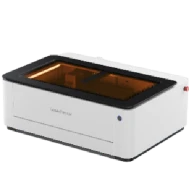
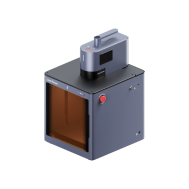
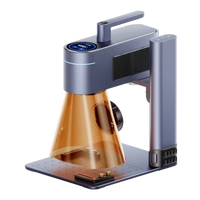
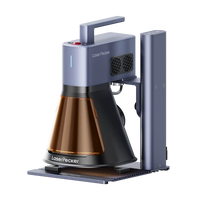
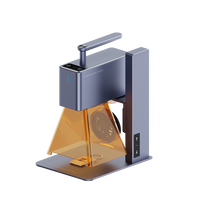
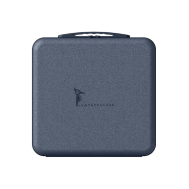
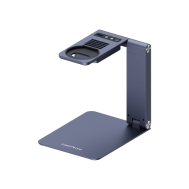
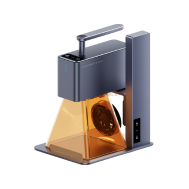
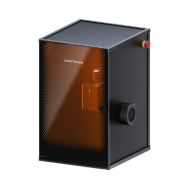
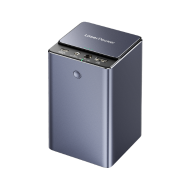
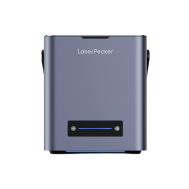
The LaserPecker LP5 integrates both a 20W fibre laser (1064 nm) and a 20W diode laser (450 nm), enabling engraving across a wide range of materials, including metals and coated surfaces. The following procedure outlines a controlled and professional workflow.
Step 1: Plan it Out
Decide what you want to engrave — initials, a date, coordinates, or a logo — and confirm the placement.
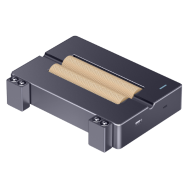
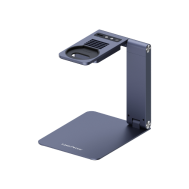
The case back is typically the safest and most accessible area. Engraving clasps or straps may require stabilisation using a LaserPecker Flexible Fixture.
Step 2: Get the Surface Ready
Clean the engraving area with isopropyl alcohol to remove oils and residue.
Step 3: Pick the Right Laser
Fibre laser (1064 nm): Best suited for stainless steel, titanium, gold, and other metals.
Diode laser (450 nm): Suitable for coated surfaces, leather straps, plastics, or painted finishes.
Choosing the correct wavelength ensures clean contrast without unnecessary heat impact.
Step 4: Adjust the Settings
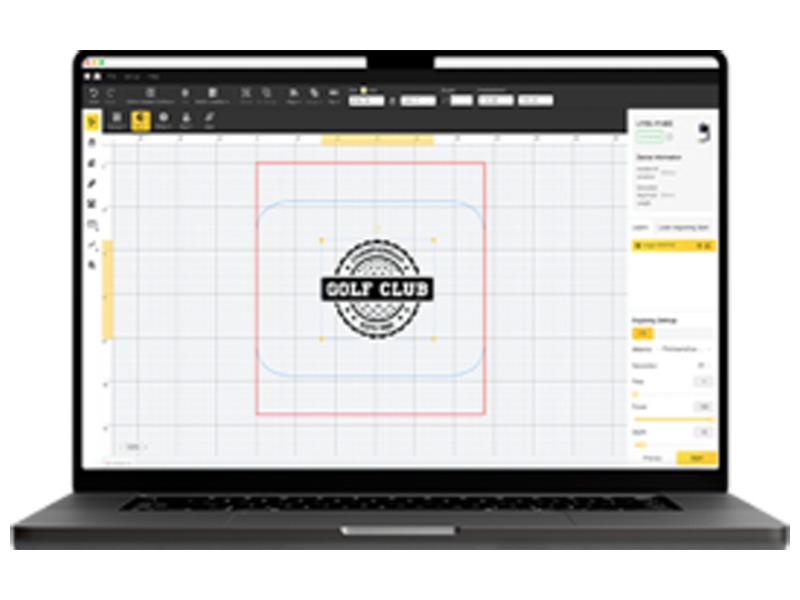
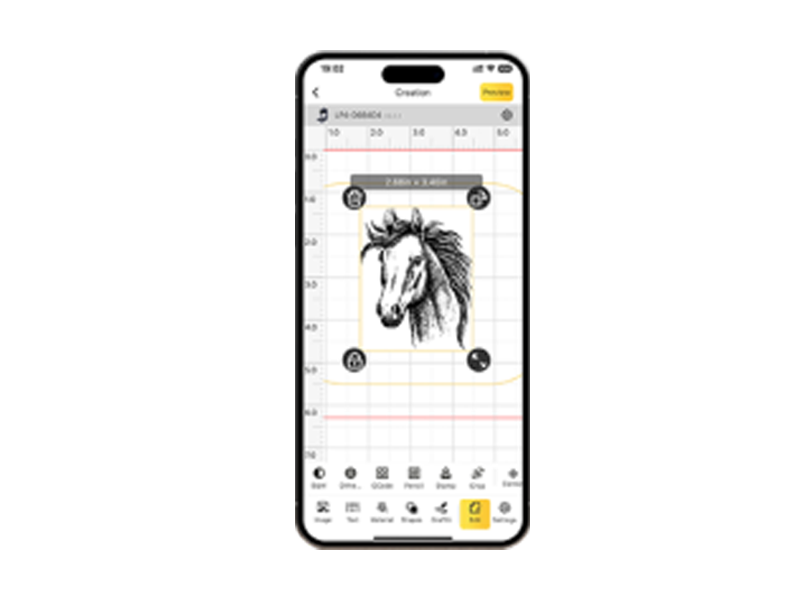
Use LightBurn or LaserPecker Design Space to configure power, speed, and pass settings.
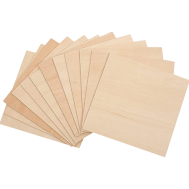
Always test your parameters on a similar spare material before engraving the actual watch to confirm depth and contrast.
Step 5: Engrave Safely
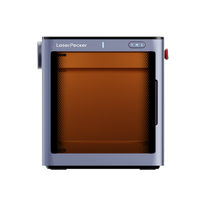
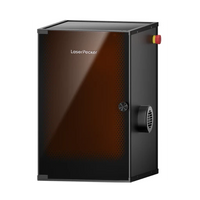
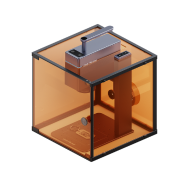
Operate the LP5 within its safety enclosure for controlled indoor use — whether at home, in a workshop, or in a retail setting.
Start the engraving process and monitor progress to ensure consistent marking quality.
Step 6: Check and Clean
After engraving, inspect the clarity and alignment of the design.
Remove any residue carefully. Avoid immediate polishing of the engraved area, as this may reduce contrast.
Technical Advantages of the LP5
- Dual-laser system for metal and non-metal materials
- High engraving speeds (up to 10,000 mm/s)
- Capable of deep engraving, embossing effects, and precision cutting
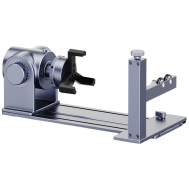
- Optional rotary extension for curved items such as rings or bracelets
- Optional slide extension expanding the working area (160 × 300 mm)
- Compatible with LightBurn for advanced design control
These features make it suitable for watch enthusiasts, independent workshops, and small businesses offering personalised engraving services.
Part 4: Tips for Engraving a Watch
Before engraving your watch, careful preparation can help prevent costly mistakes and ensure a clean, professional finish.
- Test first: Always trial your settings on a similar material before engraving the actual watch. This helps confirm depth, contrast, and surface reaction.
- Avoid seals and gaskets: Do not engrave too close to case backs, seals, or waterproofing components unless the watch can be professionally resealed afterwards.
- Stabilise curved surfaces: When engraving bracelets or clasps, especially curved metal links, use a LaserPecker Flexible Fixture to maintain focus accuracy and prevent distortion.
- Keep designs proportionate: Smaller watches require appropriately scaled text and minimalistic layouts to maintain readability.
Part 5: FAQs for Getting a Watch Engraved
Q1. Can Any Watch Be Engraved?
Most watches are technically engravable, provided the material supports surface marking. Stainless steel case backs and clasps are generally the most suitable.
Ceramic, sapphire, or ultra-thin cases require specialised laser equipment and controlled parameters. If material specifications are unclear, professional consultation is recommended.
Q2. Will Engraving Void My Warranty or Water Resistance?
Engraving may affect warranty conditions if structural components are modified or the case is opened.
External surface engraving that does not involve disassembly presents lower risk. After engraving, pressure testing is advisable to confirm water-resistance integrity.
Q3. How Much Does Watch Engraving Cost, And How Long Does It Take?
Pricing varies across EU markets depending on technique and labour.
Standard laser engraving: approximately €30–€100, often same-day service.
Detailed hand engraving: significantly higher cost and extended lead time.
Additional services such as resealing or inspection may incur further charges.
Q4. Can I Engrave a PVD/DLC or Ceramic Watch?
Yes, but technical caution is essential.
PVD/DLC coatings are thin protective layers. Laser engraving can create high contrast but may reduce coating continuity.
Ceramic cases require appropriate laser systems; mechanical engraving is not recommended due to fracture risk.
Q5. Case Back Vs the Clasp: Where Is It Better to Engrave?
Case back: Suitable for discreet personal inscriptions; however, access may require case handling.
Clasp/bracelet: Easier external access without disassembly, though limited engraving space and curvature must be considered.
Placement should balance aesthetic preference with structural considerations.
Q. Is Laser Engraving Safe for Automatic Watches?
Yes, provided the engraving is performed externally without opening the case. Controlled laser parameters prevent excessive heat transfer. Avoid engraving directly above movement components if possible.
Q7. How Deep Should Watch Engraving Be?
Engraving depth should remain shallow enough to preserve case integrity while ensuring legibility. Excessive depth may weaken thin case backs or coatings. Professional parameter calibration is recommended.
Q8. Do Luxury Watch Brands Allow Engraving?
Policies vary by manufacturer. Some authorised retailers offer in-house engraving, while others advise against third-party modification. Always verify brand guidelines before proceeding.
Conclusion
Engraving adds personal and commemorative value to a watch, transforming it from a standard accessory into a customised keepsake. When performed using appropriate techniques and calibrated settings, the process preserves both structural integrity and aesthetic quality.
Tools such as the LaserPecker LP5 enable controlled engraving on metals, coated surfaces, and leather components with high precision. This makes the method suitable for individual customisation as well as small-scale professional applications.
By selecting the correct technique and maintaining proper safety standards, watch engraving can achieve durable, high-quality results that retain both function and personal significance.